Healthy Teeth, Happy Life.

How Long Do Dental Implants Last?
Language :
Topics:
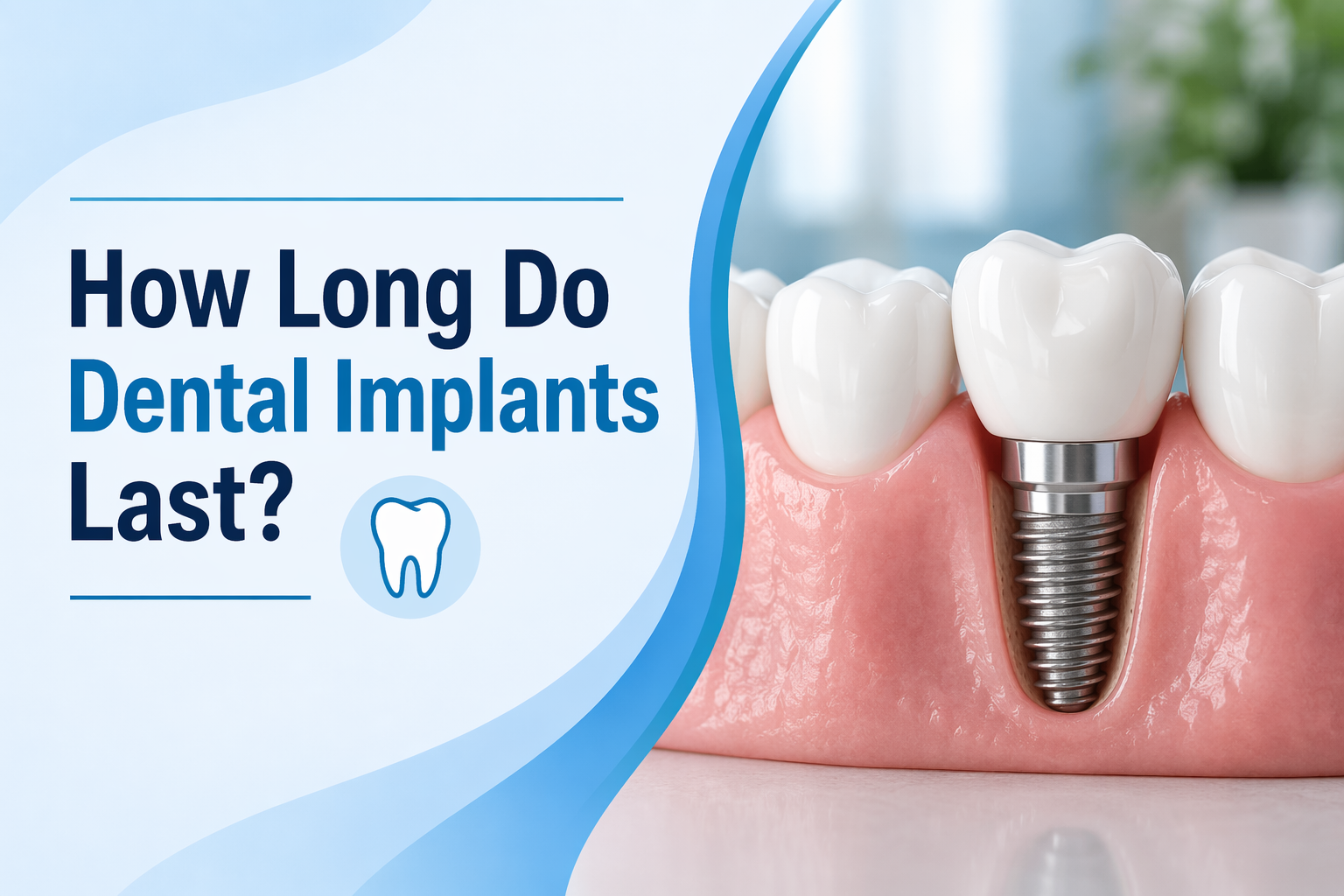
Dental implants are one of the most durable and long-lasting solutions for missing teeth. But many patients still ask: “How long do dental implants really last?”
From a professional dental perspective, implants can last 10–20 years or even a lifetime—depending on care, lifestyle, and overall oral health.
Average Lifespan of Dental Implants
A dental implant has two main parts:
- Implant (titanium post): Can last 20+ years or a lifetime
- Crown (visible tooth): Typically lasts 10–15 years
The implant itself is very strong and rarely needs replacement, while the crown may need to be replaced due to wear over time.
Why Dental Implants Last So Long
Dental implants are designed to integrate with your jawbone through a process called osseointegration.
This provides:
- Strong and stable support
- Resistance to decay
- Long-term durability
Unlike natural teeth, implants cannot develop cavities, making them highly reliable.
Factors That Affect Implant Lifespan
Several factors determine how long your dental implant will last:
Oral Hygiene
Good brushing and flossing habits prevent gum disease and implant failure.
Lifestyle Habits
Smoking significantly reduces implant success and increases risk of complications such as Dry Socket.
Bone Quality
Strong and healthy jawbone supports long-term implant stability.
Bite Force and Teeth Grinding
Excessive pressure can damage the crown or implant over time.
Regular Dental Visits
Routine checkups help detect problems early and extend implant life.
Signs Your Implant May Need Attention
Although implants are long-lasting, watch for:
- Loose implant or crown
- Gum inflammation or bleeding
- Pain when chewing
- Unusual discomfort
Early treatment can prevent implant failure.
How to Make Your Dental Implants Last Longer
Dental experts recommend:
- Brush twice daily with proper technique
- Floss regularly
- Avoid smoking
- Wear a night guard if you grind your teeth
- Visit your dentist every 6 months
These habits can significantly extend the lifespan of your implants.
Do Dental Implants Ever Fail?
Implant failure is rare but possible.
Common causes include:
- Infection
- Poor bone integration
- Excessive pressure
- Poor oral hygiene
Success rates are very high—often above 95% when properly maintained.
Expert Insight
Dental professionals often say:
“Dental implants are not just a treatment—they are a long-term investment in your oral health.”
With proper care, many patients enjoy their implants for decades.
Conclusion
So, how long do dental implants last?
The implant itself can last a lifetime, while the crown may need replacement after 10–15 years.
By maintaining good oral hygiene and following professional advice, you can maximize the lifespan of your dental implants and enjoy a confident smile for years to come.
FAQ
Can dental implants last forever?
Yes, the implant post can last a lifetime with proper care.
Why do crowns need replacement?
Crowns wear down over time due to chewing forces.
Do implants require special care?
No, just regular brushing, flossing, and dental checkups.
What is the success rate of dental implants?
Over 95% when performed and maintained properly.
Can tooth extraction cause infection? Mild inflammation is normal, but increasing swelling, fever, or severe pain may indicate infection. Learn more about post-extraction infection warning signs in this detailed guide.
Book a consultation with our Cebu dental specialists for proper evaluation and care.
Ready to get expert guidance?
If you’re experiencing severe pain or delayed healing, book a consultation with our Cebu dental specialists to get proper evaluation and care.
Consultation or contact page .
Book a Consultation
For severe discomfort or delayed healing, book a consultation with our Cebu dental specialists today.
Looking for a dentist? Browse our Cebu dental directory to find trusted clinics near you.
Medical Review and Clinical Basis
This article is based on clinical dental guidelines and real patient recovery patterns observed after tooth extraction procedures. The information reflects common post-extraction healing stages, including normal clot formation, gum tissue repair, and signs of possible complications such as dry socket or infection.
While mild discomfort is expected after a dental extraction, worsening pain after Day 3, bad odor, exposed bone, or spreading pain may require professional evaluation. These symptoms are consistent with known post-extraction complications described in standard dental practice.
About Cebu Dental Implants
Cebu Dental Implants provides comprehensive tooth extraction, surgical procedures, and dental implant services in the Philippines. Our team evaluates post-extraction healing, manages complications such as dry socket, and advises patients on proper aftercare to prevent infection and delayed healing.
If you experience severe pain or unusual symptoms after extraction, early professional assessment is recommended to prevent further complications.
Important Medical Disclaimer
This content is for educational purposes only and does not replace professional dental diagnosis. Every patient heals differently. If symptoms worsen or do not improve within a few days, consult a licensed dentist for proper evaluation and treatment.
Author
This article was prepared by the Cebu Dental Implants content team in consultation with licensed dental professionals experienced in tooth extraction and implant procedures.
Related Clinical Cases
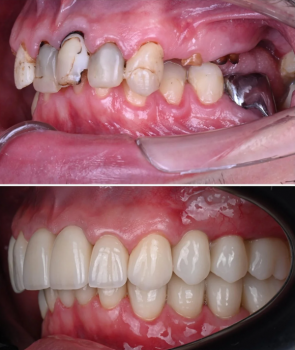
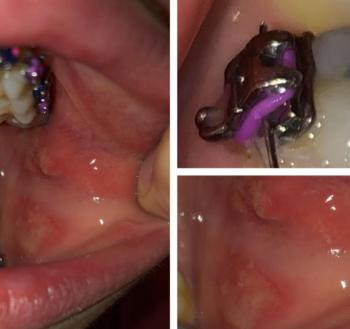
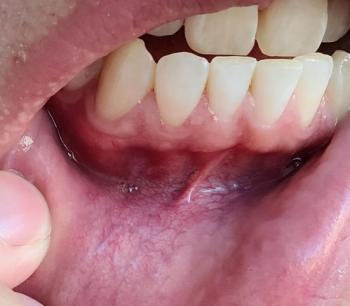
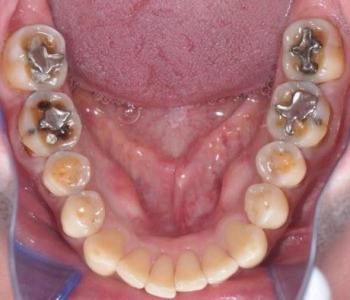
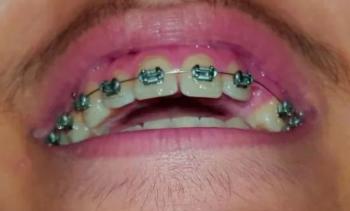
Patients with lower front gum inflammation may also experience tartar buildup, periodontal disease, gum abscesses, or tooth decay. Explore these related clinical case studies.

Other topics:
Other Dental Clinic