Building Confidence One Smile at a Time.

Silent Threat: Are Your Earbuds Damaging Your Hearing and Brain Health in the Philippines?

-
Beyond diet and exercise: Expanding the concept of a healthy lifestyle to include modern technological risks.
-
The silent crisis: Statistics on hearing loss and the rise of personal audio device usage in the Philippines.
-
How earbuds affect hearing: The mechanics of noise-induced hearing damage.
-
Brain health connection: The emerging science linking excessive audio stimulation to cognitive issues.
-
The Filipino context: Cultural and environmental factors increasing earbud-related risks.
-
Practical action plan: Strategies for protecting ear and brain health while staying connected.
-
Building balance: Creating a holistic, sustainable healthy lifestyle framework.
Healthy Living in the Digital Age: Protecting Your Ears, Brain, and Well-being in the Philippines
Beyond Diet and Exercise: The Modern Dimension of Health
When we think about healthy living in the Philippines, conversations typically focus on balanced nutrition and regular physical activity. While these traditional pillars remain essential, contemporary health risks have evolved with our increasingly digital lifestyles. A significant yet overlooked concern is the impact of prolonged personal audio device use on both auditory and neurological health. This guide addresses this modern challenge while providing a holistic framework for Filipinos to build sustainable healthy lifestyles that honor both technological advancement and biological needs.
The Silent Crisis: Rising Auditory Issues in the Philippines
Recent studies reveal a growing public health concern regarding hearing health in the Philippines. According to the World Health Organization, over 430 million people worldwide now experience disabling hearing loss, with projections suggesting this number could reach 700 million by 2050. While comprehensive Philippine-specific data remains limited, regional studies from Southeast Asia indicate alarmingly similar trends, particularly among younger demographics who regularly use personal audio devices.
Table: Common Hearing Issues Among Filipino Earbud Users
| Issue Reported | Percentage Affected | Primary Age Group |
|---|---|---|
| Tinnitus (ringing in ears) | Approximately 25-30% | 18-35 years |
| Temporary hearing threshold shift | 40-50% after loud events | Teens to 30s |
| Difficulty hearing in noisy environments | Growing concern | All ages, increasing in younger groups |
| Ear infections from shared/unclean earbuds | Common but underreported | 15-25 years |
The situation is exacerbated by several factors unique to the Filipino context:
-
Lengthy commutes: Metro Manila residents spend an average of 45-60 minutes commuting one-way, often using earbuds to pass time
-
Noisy urban environments: Average street noise levels in Manila reach 75-85 decibels, prompting people to increase earbud volume
-
Social norms: Earbuds have become ubiquitous among students and young professionals, with many using them 4+ hours daily
Understanding the Mechanics: How Earbuds Damage Hearing
The Physics of Sound Damage
The human ear contains approximately 15,000 delicate hair cells in the cochlea that convert sound vibrations into electrical signals for the brain. These cells can be permanently damaged by:
-
Excessive volume: Sounds above 85 decibels (equivalent to heavy city traffic) can cause hearing loss with prolonged exposure
-
Duration of exposure: The "dose" principle means both volume and time matter—louder sounds cause damage faster
-
Frequency of exposure: Daily, prolonged use without recovery periods causes cumulative damage
Modern earbuds present particular risks because:
-
In-ear design: Creates a seal that increases sound pressure by 6-9 decibels compared to over-ear headphones
-
Noise isolation: Encourages higher volumes in noisy environments to overcome background sound
-
Convenience factor: Their portability and wireless nature promotes near-constant usage
Volume Comparison and Safe Listening Guidelines
-
Normal conversation: 60 dB (safe indefinitely)
-
Heavy city traffic: 85 dB (safe for about 8 hours)
-
Personal audio devices at maximum volume: 100-110 dB (safe for only 5 minutes)
-
Rock concert: 110-120 dB (safe for less than 1 minute)
The Brain Connection: Emerging Concerns About Cognitive Health
Recent attention from neuroscientists highlights potential links between excessive earbud use and brain health. While research continues, several mechanisms have been proposed:
Electromagnetic Field (EMF) Exposure
Wireless earbuds like AirPods operate using Bluetooth technology, which emits low-level radiofrequency radiation. Though these emissions fall within regulatory safety limits, concerns arise from:
-
Proximity to the brain: Earbuds are positioned directly adjacent to temporal brain regions responsible for auditory processing and memory
-
Duration of exposure: Many users wear earbuds for hours daily, creating chronic low-level exposure
-
Limited long-term studies: Most safety standards are based on short-term thermal effects, not potential long-term biological impacts
Auditory Overload and Neurological Fatigue
The brain requires periods of auditory rest to process information and maintain cognitive function. Continuous audio stimulation may:
-
Disrupt default mode network activity: The brain's "resting state" networks are crucial for memory consolidation and creativity
-
Increase cognitive load: Constant auditory input forces the brain to continuously process information, potentially contributing to mental fatigue
-
Limit environmental awareness: Natural sounds provide important sensory cues that help regulate the nervous system
Table: Potential Cognitive Effects of Excessive Earbud Use
| Potential Effect | Mechanism | Supporting Research Status |
|---|---|---|
| Reduced attention span | Constant stimulation limits ability to focus on single tasks | Preliminary studies show correlation |
| Memory consolidation issues | Interference with hippocampal function during auditory processing | Emerging evidence from sleep studies |
| Increased anxiety/stress | Constant audio input may elevate sympathetic nervous system activity | Anecdotal reports and small-scale studies |
| Sleep disruption | Evening use can interfere with melatonin production and sleep architecture | Better established, particularly with blue light from devices |
The Filipino Context: Why This Matters Particularly in the Philippines
Several cultural, environmental, and socioeconomic factors make this issue especially relevant for Filipinos:
Environmental Factors
-
High ambient noise levels: Philippine urban areas rank among the noisiest in Southeast Asia, prompting higher earbud volumes
-
Public transportation culture: The jeepney and bus commuting experience encourages earbud use as an escape from crowded, noisy conditions
-
Tropical climate: Increased sweat and humidity can accelerate ear canal irritation from in-ear devices
Socioeconomic Considerations
-
Limited healthcare access: Hearing specialists are concentrated in urban centers, making preventive care challenging for many Filipinos
-
Economic impact: Hearing loss can reduce educational and employment opportunities in a competitive job market
-
Device sharing practices: Common among families and friends, potentially spreading ear infections
Cultural Norms
-
Music appreciation: Filipinos have a strong musical culture, with many spending significant time listening to music
-
Social media engagement: The rise of video content and podcasts has increased daily listening time
-
"Tampuhan" (silent treatment) adaptation: Some use earbuds as social buffers in crowded environments
Your Action Plan: Protecting Your Ears and Brain Health
Volume and Duration Guidelines
-
Follow the 60/60 rule: Listen at no more than 60% of maximum volume for no longer than 60 minutes at a time
-
Take listening breaks: Implement the 20-20-20 rule—every 20 minutes, take 20 seconds to remove earbuds and focus on something 20 feet away
-
Use volume-limiting features: Many devices have built-in settings to cap maximum volume—activate these
-
Monitor your environment: If you can't hear someone speaking to you from an arm's length away, your volume is too high
Device Selection and Hygiene
-
Choose over-ear headphones when possible for extended listening sessions
-
Opt for noise-cancelling models rather than noise-isolating in-ear designs for noisy environments
-
Clean earbuds weekly with appropriate disinfectants to prevent infections
-
Never share earbuds without proper sanitation
Daily Practices for Auditory Health
-
Designate "quiet hours": Schedule at least 2-3 hours daily completely free from personal audio devices
-
Practice active listening: Occasionally listen without multitasking to reduce cognitive load
-
Embrace natural soundscapes: Spend time in parks or nature reserves to recalibrate your auditory system
-
Get regular hearing checks: Baseline and annual screenings can detect early changes
Building a Holistic Healthy Lifestyle: The Filipino Framework
A comprehensive approach to health addresses multiple dimensions simultaneously:
Physical Health Components
-
Nutrition: Emphasize locally available superfoods like malunggay, kamote, and coconut
-
Movement: Incorporate walking (a traditional "pasyal"), dancing (like "zumba" classes popular in barangays), and functional fitness
-
Sleep hygiene: Prioritize 7-8 hours nightly, with device-free time before bed
Mental and Emotional Wellness
-
Digital detox periods: Designate certain hours or days with reduced screen time
-
Mindfulness practices: Adapt traditional Filipino values like "pagmumuni-muni" (contemplation) for modern stress management
-
Social connection: Balance digital communication with face-to-face "kwentuhan" (storytelling/conversation)
Environmental Considerations
-
Manage ambient noise: Use white noise machines or fans instead of constant music for concentration
-
Create quiet spaces: Designate areas in your home as low-sensory zones
-
Advocate for quieter public spaces: Support noise reduction initiatives in your community
Preventive Healthcare
-
Regular medical checkups: Include hearing tests in your annual health screening
-
Vaccinations: Stay current with immunizations that can prevent infections affecting hearing
-
Ear protection: Use earplugs at loud events like concerts, festivals, or even in noisy transportation
Conclusion: Balancing Technology and Well-being
The relationship between Filipinos and their personal audio devices reflects broader tensions between technological convenience and biological needs. While earbuds provide entertainment, connection, and temporary escape from noisy environments, their constant use may come with unintended consequences for hearing and cognitive health.
The solution isn't abandonment but mindful integration. By implementing practical strategies like the 60/60 rule, taking regular listening breaks, and incorporating device-free periods into daily routines, Filipinos can enjoy technological benefits while protecting long-term health.
Perhaps most importantly, we must rediscover the value of intentional silence—not as empty space to be filled, but as a necessary condition for auditory system recovery, cognitive processing, and mental clarity. In doing so, we honor both our technological present and our biological heritage, creating a sustainable approach to healthy living in the digital Philippines.
Related Clinical Cases
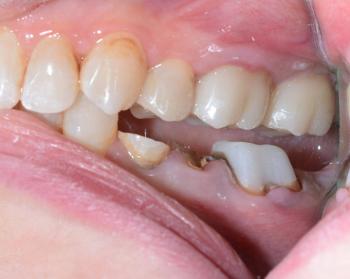
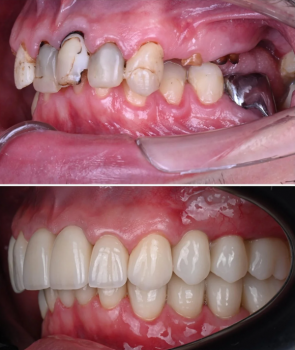
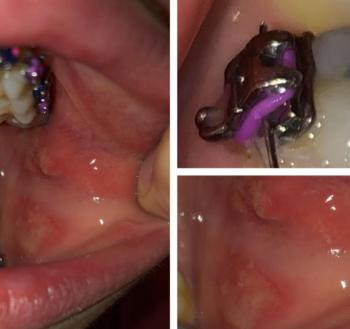
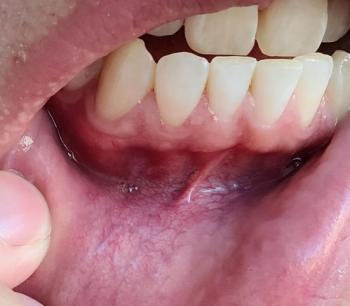
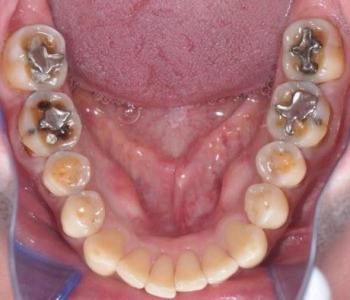
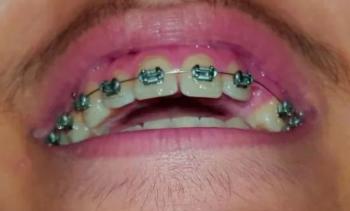
Patients with lower front gum inflammation may also experience tartar buildup, periodontal disease, gum abscesses, or tooth decay. Explore these related clinical case studies.

Other topics:
Other Dental Clinic