Building Confidence One Smile at a Time.

Does Dental Insurance Cover Dental Implants in California? (2026 Expert Guide)
Language :
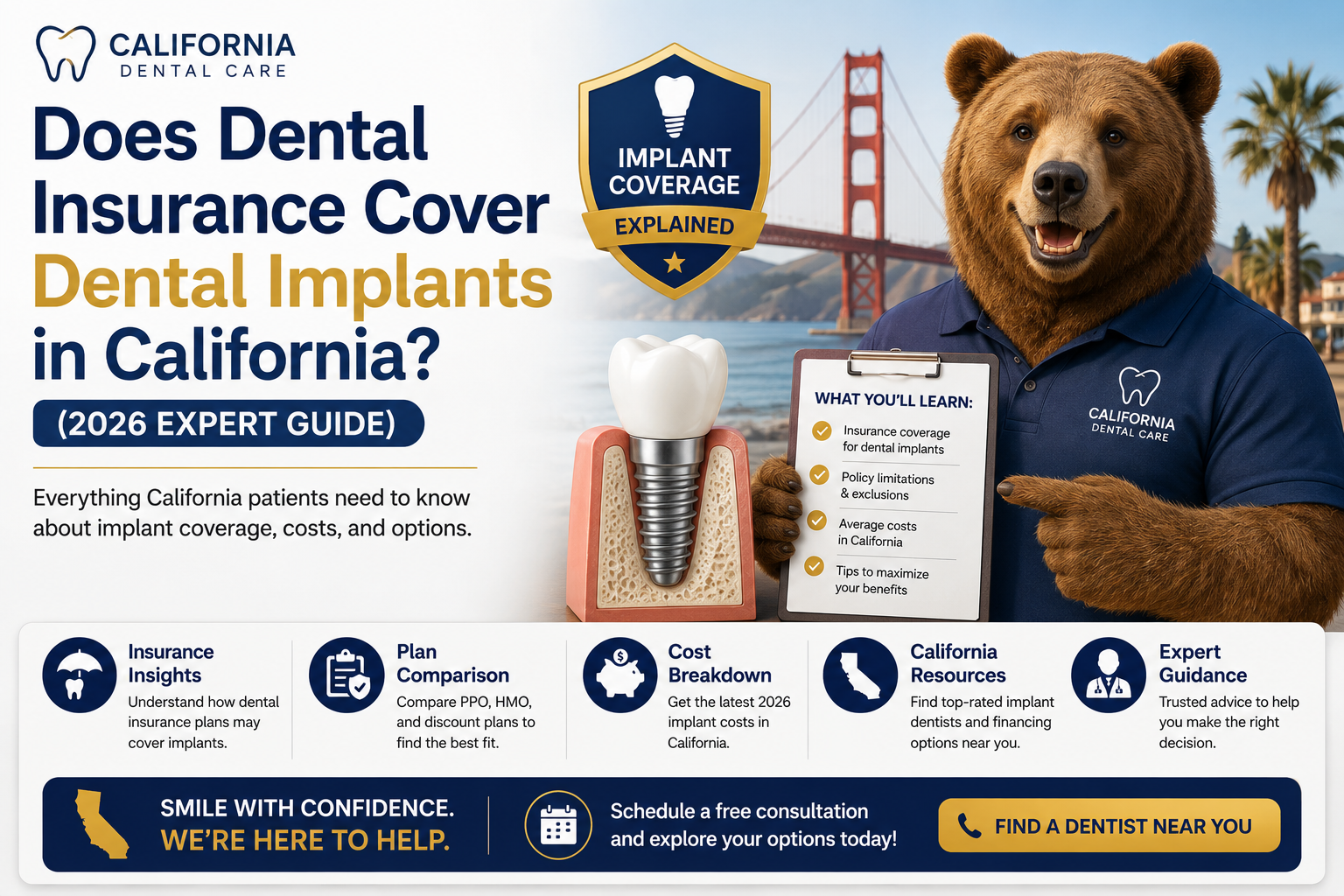
Dental implants have become one of the most trusted and long-lasting solutions for missing teeth in California. Whether someone loses a tooth because of gum disease, trauma, severe decay, or aging, implants can restore not only the smile but also chewing ability, speech, jawbone support, and overall confidence.
But there is one major concern almost every patient asks during a consultation:
“Does dental insurance cover dental implants in California?”
The short answer is:
Sometimes — but coverage depends heavily on your insurance plan, medical necessity, waiting periods, annual maximums, and the type of implant procedure involved.
As a California dental professional, I can confidently say that implant insurance coverage has improved significantly over the past several years. More insurance providers now recognize dental implants as a standard restorative treatment instead of a luxury cosmetic procedure. However, many patients are still surprised by hidden limitations, exclusions, and out-of-pocket costs.
This guide explains how dental implant insurance works in California, what is commonly covered, what is usually excluded, and how patients can maximize benefits while reducing treatment expenses.
Why Dental Implants Are Expensive
Before discussing insurance, it is important to understand why implants cost more than other tooth replacement options.
A dental implant procedure is not just a single treatment. It involves multiple phases:
- Consultation and imaging
- 3D CBCT scans
- Tooth extraction (if needed)
- Bone grafting
- Implant placement surgery
- Healing period
- Abutment placement
- Custom crown fabrication
In California, the average single dental implant may cost:
| Procedure | Average California Cost |
|---|---|
| Consultation & X-rays | $100–$500 |
| Tooth extraction | $150–$700 |
| Bone graft | $400–$2,500 |
| Implant placement | $1,500–$3,500 |
| Abutment & crown | $1,000–$3,000 |
Total treatment can range from:
$3,000 to $7,000+ per tooth
Complex full-mouth cases may exceed:
$20,000 to $60,000
This is why insurance coverage becomes extremely important for many families in California.
Does Dental Insurance Cover Dental Implants?
The answer depends on the policy.
Some plans:
- Cover implants partially
- Cover only portions of treatment
- Cover implant crowns but not surgery
- Cover medically necessary implants
- Exclude implants entirely
In California, PPO dental insurance plans are generally more implant-friendly than older HMO plans.
What Parts of Dental Implant Treatment May Be Covered?
Many patients assume implant coverage is “all or nothing,” but insurance often breaks treatment into separate categories.
1. Consultation and Diagnostic Imaging
Many insurance plans cover:
- Dental exams
- Panoramic X-rays
- CBCT scans partially
Coverage may range from:
- 50% to 100%
2. Tooth Extraction
If a damaged tooth must be removed before implant placement, insurance often covers:
- Simple extractions
- Surgical extractions
Typical coverage:
- 70% to 80%
3. Bone Grafting
Bone grafting is one of the most commonly denied implant-related procedures.
Some insurers consider it:
- Preparatory
- Cosmetic
- Non-essential
However, medically necessary grafts may receive partial coverage.
4. Implant Surgery
This is the titanium implant post placed into the jawbone.
Modern California PPO plans increasingly offer:
- 30% to 50% coverage
But annual maximums often limit actual payouts.
5. Abutment and Crown
The visible tooth portion attached to the implant may receive better coverage than the implant itself.
Many plans categorize crowns as:
- Major restorative procedures
Coverage commonly ranges:
- 40% to 60%
Why Insurance Companies Limit Implant Coverage
Insurance providers traditionally viewed implants as:
- Elective
- Cosmetic
- Premium treatment
Older alternatives like:
- Bridges
- Dentures
were considered cheaper “acceptable” solutions.
Today, scientific evidence clearly shows implants provide:
- Better bone preservation
- Longer lifespan
- Improved oral function
- Better long-term health outcomes
Even so, insurance companies still attempt to control costs through:
- Waiting periods
- Annual maximums
- Frequency limitations
- Missing tooth clauses
Common Dental Insurance Plans in California That May Cover Implants
Several major insurers in California now offer implant benefits.
Examples include:
- Delta Dental PPO
- Cigna Dental
- Guardian
- MetLife
- Aetna Dental
- Blue Shield Dental
- Humana
- Anthem
However, every employer-sponsored plan differs.
Two patients with the same insurer may have completely different implant benefits.
Understanding Annual Maximums
This is one of the biggest frustrations for California implant patients.
Most dental insurance plans have annual maximums between:
$1,000–$2,500 per year
Unfortunately, implant treatment often exceeds this quickly.
For example:
| Treatment | Cost |
|---|---|
| Implant surgery | $2,000 |
| Crown | $1,500 |
| Bone graft | $1,000 |
Even if insurance covers 50%, annual limits may stop additional reimbursement.
Waiting Periods for Implant Coverage
Many California dental plans include waiting periods.
Typical waiting times:
- 6 months
- 12 months
- 24 months
If you need implants immediately after enrolling, your plan may deny coverage.
Missing Tooth Clauses
Some insurance policies deny implants if:
- The tooth was missing before enrollment
This is called a:
Missing Tooth Clause
Example:
- You lost a molar 3 years ago
- You buy insurance today
- Insurance refuses implant coverage because the tooth was already missing
This catches many patients off guard.
Medical Insurance vs Dental Insurance
In some California cases, medical insurance may help cover implant-related procedures.
This usually applies when tooth loss results from:
- Facial trauma
- Accidents
- Cancer surgery
- Congenital defects
- Severe infections
Medical insurance may help with:
- Hospital-based surgery
- Bone grafting
- Reconstruction procedures
Coordination between dental and medical insurance can significantly reduce costs.
Are Dental Implants Considered Cosmetic?
This is a major misunderstanding.
Dental implants are generally considered:
Restorative treatment
not cosmetic treatment.
Implants restore:
- Function
- Bite stability
- Jawbone preservation
- Speech
- Oral health
However, insurers may still classify certain procedures as elective depending on documentation.
How California Dentists Help Patients Maximize Insurance
Experienced implant offices often help patients:
- Verify benefits
- Submit pre-authorizations
- Coordinate medical and dental claims
- Structure phased treatment
- Maximize annual limits across calendar years
For example:
- Implant surgery in December
- Crown placement in January
This may allow use of:
- Two annual maximums
saving patients thousands.
Financing Options When Insurance Is Limited
Even with insurance, many California patients still pay significant out-of-pocket costs.
Popular financing solutions include:
- CareCredit
- Sunbit
- In-house payment plans
- Health Savings Accounts (HSA)
- Flexible Spending Accounts (FSA)
Some dental offices also provide:
- Membership savings plans
- Cash discounts
- Bundle pricing
Does Medi-Cal Cover Dental Implants in California?
Medi-Cal dental coverage is very limited regarding implants.
In most routine situations:
Dental implants are NOT covered
However, rare exceptions may exist for:
- Severe medical conditions
- Reconstructive necessity
- Trauma cases
Patients should consult a California oral surgeon or prosthodontist familiar with Medi-Cal authorization procedures.
Implant Alternatives Insurance May Prefer
Insurance companies often prefer lower-cost treatments such as:
Dental Bridges
Pros:
- Lower upfront cost
- Faster treatment
Cons:
- Requires shaving adjacent teeth
- Bone loss continues
Partial Dentures
Pros:
- Cheapest option
- Removable
Cons:
- Less stable
- Lower chewing efficiency
- May feel uncomfortable
Why More Californians Choose Implants Anyway
Despite costs, implants continue growing in popularity across California because they offer:
- Natural appearance
- Long-term durability
- Better chewing power
- Improved confidence
- Bone preservation
With proper care, implants may last:
15–30 years or longer
That long-term value often outweighs higher upfront investment.
Questions to Ask Your Insurance Provider Before Implant Treatment
Before starting treatment, ask:
- Does my plan cover dental implants?
- What percentage is covered?
- Is there a waiting period?
- Is bone grafting covered?
- What is my annual maximum?
- Are implant crowns covered separately?
- Do I have a missing tooth clause?
- Is pre-authorization required?
- Can benefits be split across calendar years?
- Is my dentist in-network?
These questions prevent costly surprises later.
Expert Advice From a California Dental Perspective
As dental professionals in California, we see many patients delay implants because they assume insurance will not help at all.
But modern insurance coverage has improved considerably.
The key is understanding:
- Your exact policy
- Coverage limitations
- Timing strategies
- Medical necessity documentation
Patients who plan carefully often reduce implant costs substantially.
Delaying treatment too long can also create:
- Bone loss
- Bite collapse
- Gum complications
- More expensive future procedures
Early consultation is always the smartest approach.
Final Thoughts
Dental insurance coverage for implants in California is evolving rapidly. While full coverage remains uncommon, many modern PPO plans now provide meaningful financial assistance for implant treatment.
Coverage often applies to:
- Examinations
- Extractions
- Implant surgery
- Implant crowns
- Related restorative work
However, patients must still navigate:
- Annual maximums
- Waiting periods
- Missing tooth clauses
- Partial reimbursement structures
The best approach is to work closely with an experienced California implant dentist who understands both clinical treatment and insurance coordination.
Dental implants are not merely cosmetic. They are an investment in:
- Oral health
- Long-term function
- Confidence
- Quality of life
For many Californians, the long-term benefits make implants one of the most valuable dental treatments available today.
FAQ: Dental Implant Insurance in California
Does Delta Dental cover implants in California?
Some Delta Dental PPO plans provide partial implant coverage, but benefits vary widely by employer and policy type.
How much will insurance pay for a dental implant?
Many PPO plans cover:
- 30%–50% of implant-related costs
Annual maximums usually limit reimbursement.
Can medical insurance cover dental implants?
Sometimes. Trauma, cancer reconstruction, or medically necessary surgeries may qualify for medical insurance benefits.
Are implants better than bridges?
Implants generally preserve bone better and do not damage neighboring teeth, making them a preferred long-term option for many patients.
Is there a waiting period for implant coverage?
Yes. Many California plans require:
- 6–24 months waiting period
before implant benefits become active.
Related Topics
- Dental Implant Cost in California (2026 Guide)
- Bone Grafting Before Dental Implants Explained
- Dental Tourism vs California Implant Clinics – Cost Comparison
Looking for a dentist? Browse our Cebu dental directory to find trusted clinics near you.
Medical Review and Clinical Basis
This article is based on clinical dental guidelines and real patient recovery patterns observed after tooth extraction procedures. The information reflects common post-extraction healing stages, including normal clot formation, gum tissue repair, and signs of possible complications such as dry socket or infection.
While mild discomfort is expected after a dental extraction, worsening pain after Day 3, bad odor, exposed bone, or spreading pain may require professional evaluation. These symptoms are consistent with known post-extraction complications described in standard dental practice.
About Cebu Dental Implants
Cebu Dental Implants provides comprehensive tooth extraction, surgical procedures, and dental implant services in the Philippines. Our team evaluates post-extraction healing, manages complications such as dry socket, and advises patients on proper aftercare to prevent infection and delayed healing.
If you experience severe pain or unusual symptoms after extraction, early professional assessment is recommended to prevent further complications.
Important Medical Disclaimer
This content is for educational purposes only and does not replace professional dental diagnosis. Every patient heals differently. If symptoms worsen or do not improve within a few days, consult a licensed dentist for proper evaluation and treatment.
Author
This article was prepared by the Cebu Dental Implants content team in consultation with licensed dental professionals experienced in tooth extraction and implant procedures.
Related Clinical Cases
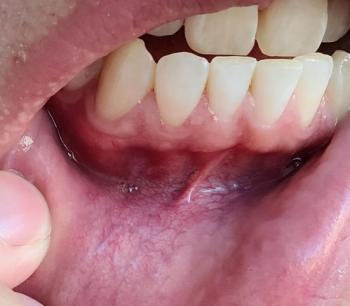
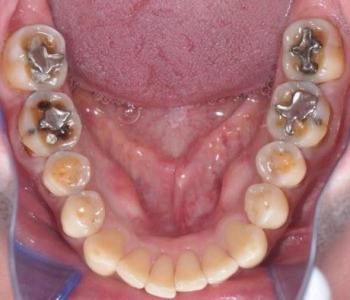
Patients with lower front gum inflammation may also experience tartar buildup, periodontal disease, gum abscesses, or tooth decay. Explore these related clinical case studies.