We Bring Back the Sparkle in Your Smile.

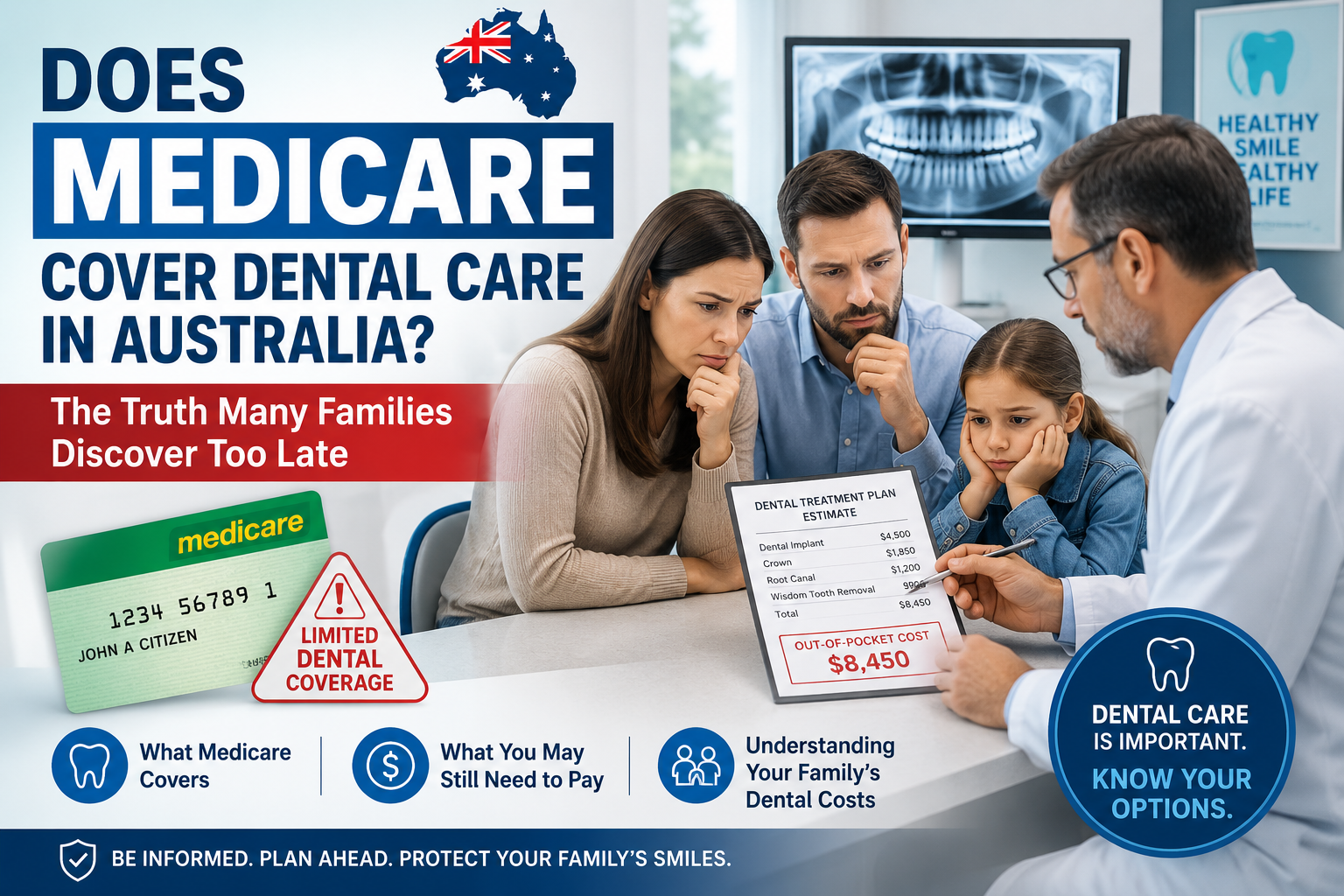
Does Medicare Cover Dental Care in Australia? The Truth Many Families Discover Too Late
Language :
Topics:
Why So Many Australians Delay Dental Treatment—and What You Can Do Instead
"I'll wait until next year."
"It doesn't hurt yet."
"I can't afford it right now."
"I'll just be careful with that tooth."
These are phrases dentists hear every day across Australia.
For many Australians, dental treatment feels like one of those expenses that can always wait a little longer. When household budgets are stretched by mortgage payments, rent increases, electricity bills, groceries, school expenses, and fuel costs, a dental appointment often slips down the priority list.
Most people are surprised when they learn that Medicare—the healthcare system they rely on for doctors, specialists, and hospital care—generally does not cover routine dental treatment for adults.
The discovery often comes at the worst possible time.
A small cavity becomes a root canal.
A cracked tooth becomes an extraction.
A missing tooth eventually requires a dental implant.
What might have been a relatively affordable treatment months earlier becomes a larger financial challenge.
This article explains what Medicare actually covers, what it doesn't cover, the programs that may help certain Australians, and realistic strategies for managing dental expenses without sacrificing your oral health.
The Common Misunderstanding About Medicare and Dental Care
Many Australians assume dental care is included under Medicare.
After all, Medicare helps cover visits to general practitioners, specialist consultations, diagnostic tests, and treatment in public hospitals.
It seems reasonable to expect dental care would be included too.
Unfortunately, routine dental treatment was largely excluded when Medicare was established.
As a result, most adult Australians pay for dental treatment through:
-
Out-of-pocket payments
-
Private health insurance
-
Public dental services (if eligible)
-
Payment plans
-
Government assistance programs
This often comes as a surprise to people who have not needed significant dental treatment before.
The shock becomes even greater when they discover how expensive some procedures can be.
Why Dental Costs Feel So Difficult for Many Australians
Before discussing available assistance programs, it's important to understand why dental treatment creates financial stress for so many families.
The challenge isn't always the total cost.
It's often the timing.
Most dental treatments occur unexpectedly.
Nobody plans for:
-
A broken tooth during dinner
-
A severe toothache on a weekend
-
A crown that suddenly cracks
-
An infection requiring emergency treatment
-
A child needing fillings
Unlike monthly bills, dental costs often arrive without warning.
This creates anxiety and causes many people to postpone treatment.
The Hidden Cost of Delaying Dental Care
Many people avoid the dentist because they want to save money.
Ironically, delaying treatment often increases costs.
Consider a simple example.
A small cavity may require a relatively straightforward filling.
If ignored, that same cavity may continue growing until it reaches the tooth's nerve.
At that stage, treatment may involve:
-
Root canal therapy
-
A dental crown
-
Possible extraction
The final cost can be several times higher than the original filling.
This pattern occurs every day.
The longer a dental issue remains untreated, the more complex and expensive it often becomes.
What Dental Services Does Medicare Cover?
The short answer is:
For most adults, Medicare does not cover routine dental care.
That means Medicare generally does not pay for:
-
Checkups
-
Cleanings
-
Fillings
-
Crowns
-
Bridges
-
Dentures
-
Dental implants
-
Routine extractions
However, there are several important exceptions.
Understanding these programs can help eligible Australians access care they might otherwise struggle to afford.
The Child Dental Benefits Schedule (CDBS)
The most significant Medicare-funded dental program is the Child Dental Benefits Schedule.
This program helps eligible children access basic dental care during important developmental years.
For many families, it can significantly reduce out-of-pocket dental costs.
Who Can Access the Program?
The program is generally available to children aged 0 to 17 years who meet eligibility requirements.
Eligibility is often linked to families receiving certain government support payments.
Examples may include:
-
Family Tax Benefit Part A
-
Parenting payments
-
Certain other government assistance programs
Parents can usually confirm eligibility through Medicare or Services Australia.
What Services Are Covered?
The program covers many common preventive and restorative services.
These may include:
-
Dental examinations
-
Professional cleaning
-
X-rays
-
Fillings
-
Fissure sealants
-
Root canal treatment
-
Tooth extractions
The goal is to encourage early treatment and prevention before dental problems become severe.
What Is Not Covered?
Many parents assume the program covers all dental treatment.
Unfortunately, it does not.
Services generally excluded include:
-
Cosmetic dentistry
-
Orthodontics
-
Braces
-
Hospital-based dental procedures
Understanding these limitations helps families avoid unexpected expenses.
Why Children's Dental Care Matters
Many adults today carry the consequences of dental problems that began in childhood.
Preventive care during younger years can help reduce future issues.
Good oral habits often lead to:
-
Fewer cavities
-
Healthier gums
-
Better oral hygiene routines
-
Lower dental expenses later in life
Parents who take advantage of available benefits may help their children avoid costly treatment in adulthood.
Hospital-Based Dental Care and Medicare
There are situations where Medicare may contribute to dental-related treatment.
These cases are usually very different from routine dental appointments.
Coverage generally occurs when dental treatment forms part of a broader medical condition requiring hospital care.
Examples of Potential Coverage
Situations may include:
-
Major facial trauma
-
Jaw reconstruction surgery
-
Complex oral surgery
-
Treatment associated with serious medical conditions
In these circumstances, the dental component is often covered because it is part of a larger hospital-based treatment plan.
What Most Patients Need to Know
For routine issues such as:
-
Tooth decay
-
Gum disease
-
Missing teeth
-
Crowns
-
Dental implants
Medicare generally does not provide coverage.
This is one reason many Australians seek alternative methods of managing dental costs.
Public Dental Services
Another important option is the public dental system.
Although separate from Medicare, public dental clinics provide assistance to eligible Australians.
These programs are managed by state and territory governments.
Who Is Eligible?
Eligibility commonly includes individuals holding:
-
Health Care Cards
-
Pensioner Concession Cards
-
Commonwealth Seniors Health Cards
Requirements vary between states and territories.
Checking local eligibility rules is always worthwhile.
The Challenge of Waiting Lists
Public dental services provide valuable support.
However, demand often exceeds available resources.
As a result, waiting periods can be lengthy.
Some patients may wait months or even longer for non-urgent treatment.
Emergency cases usually receive priority.
This creates a difficult reality for people experiencing discomfort but not qualifying as urgent.
Department of Veterans' Affairs Dental Benefits
Eligible veterans may receive substantial assistance through the Department of Veterans' Affairs.
Coverage depends on eligibility criteria and card status.
Many veterans with appropriate DVA entitlements can access comprehensive dental services that significantly reduce personal costs.
For eligible individuals, this can be one of the most valuable dental support programs available.
The Cleft Lip and Cleft Palate Scheme
Australia also provides support for people born with cleft-related conditions.
Eligible individuals under certain age limits may receive assistance for specific treatments and surgical procedures.
The scheme aims to improve both function and quality of life.
Although it serves a smaller group of Australians, it remains an important example of targeted dental support.
Why Many Adults Fall Into the Coverage Gap
The reality is that many working Australians do not qualify for public dental services.
They may:
-
Earn too much for government assistance
-
Not have concession cards
-
Not qualify for DVA support
-
Not have private insurance
Yet they still struggle with rising dental costs.
This group often finds itself caught between public and private systems.
For these households, planning becomes especially important.
Realistic Strategy #1: Don't Wait for Pain
One of the most expensive mistakes people make is waiting for pain.
Many dental problems remain painless during early stages.
By the time severe pain appears:
-
Infection may be present
-
Treatment may be more extensive
-
Costs may be significantly higher
Regular examinations often identify problems before they become emergencies.
Realistic Strategy #2: Build a Dental Emergency Fund
Most financial advisers recommend emergency savings.
Dental expenses deserve their own category.
Even a modest amount saved consistently can help.
For example:
-
$10 per week
-
$20 per week
-
$30 per week
Over time, these small contributions create a financial buffer.
The goal is not perfection.
The goal is preparedness.
Realistic Strategy #3: Understand Private Health Insurance
Many Australians choose private health insurance with Extras Cover.
These policies often provide rebates for:
-
Checkups
-
Cleanings
-
Fillings
-
X-rays
-
Major dental procedures
However, not all policies are identical.
Before purchasing insurance, consider:
-
Annual limits
-
Waiting periods
-
Coverage percentages
-
Preferred provider networks
Understanding the details helps avoid disappointment later.
Realistic Strategy #4: Use Preventive Care as Financial Protection
Many people think preventive dentistry is an expense.
In reality, it often functions as financial protection.
Routine care helps identify:
-
Early cavities
-
Gum disease
-
Cracks
-
Worn restorations
Addressing these issues early is usually less costly than waiting until major treatment becomes necessary.
Realistic Strategy #5: Ask About Payment Plans
Many modern dental clinics understand that treatment costs can be challenging.
As a result, some practices offer payment options.
These may include:
-
Interest-free arrangements
-
Third-party financing
-
Structured payment schedules
Patients should carefully review terms and conditions before committing.
Payment plans can make necessary treatment more manageable when used responsibly.
Realistic Strategy #6: Prioritize Necessary Treatment
Not every dental procedure requires immediate attention.
If finances are limited, ask your dentist:
"What treatment is most urgent?"
A staged treatment plan may allow you to:
-
Address active disease first
-
Spread costs over time
-
Reduce financial pressure
Good communication often leads to practical solutions.
The Emotional Side of Dental Costs
Dental health is not just about teeth.
It affects:
-
Confidence
-
Comfort
-
Nutrition
-
Speech
-
Social interactions
Many people quietly avoid smiling because of dental concerns.
Others postpone treatment due to embarrassment about their financial situation.
Dentists see these struggles every day.
Most would rather help patients create a realistic plan than see them avoid care entirely.
Why Prevention Is Usually the Cheapest Option
If there is one lesson repeated across thousands of patient stories, it is this:
Small problems are usually easier and less expensive to fix than large ones.
Regular checkups may feel inconvenient.
Professional cleaning may seem optional.
But these appointments often prevent much larger expenses later.
Prevention remains one of the smartest financial decisions a patient can make.
Looking Ahead: Protecting Your Oral Health and Your Budget
While Medicare provides tremendous support for many healthcare needs, routine adult dental care remains largely outside its coverage.
This reality means Australians must often create their own strategy for managing dental costs.
The good news is that options do exist.
Whether through:
-
Child Dental Benefits Schedule
-
Public dental services
-
DVA assistance
-
Private health insurance
-
Payment plans
-
Personal savings
There are pathways that can make dental care more accessible.
The key is understanding those options before a dental emergency occurs.
Final Thoughts
Many Australians discover too late that Medicare generally does not cover routine dental treatment for adults.
The result is often frustration, delayed treatment, and unexpected financial pressure.
But knowledge is powerful.
Understanding what programs are available, what assistance you may qualify for, and what practical financial strategies can help allows you to make informed decisions.
You do not need to solve every dental issue overnight.
You do not need a perfect budget.
You simply need a realistic plan.
A small step today—a checkup, a savings plan, an insurance review, or a conversation with a dental professional—can help prevent much larger problems tomorrow.
Your smile is part of your health, your confidence, and your quality of life. Taking care of it is not merely a dental decision; it is an investment in your future well-being.
Can tooth extraction cause infection? Mild inflammation is normal, but increasing swelling, fever, or severe pain may indicate infection. Learn more about post-extraction infection warning signs in this detailed guide.
Book a consultation with our Cebu dental specialists for proper evaluation and care.
Ready to get expert guidance?
If you’re experiencing severe pain or delayed healing, book a consultation with our Cebu dental specialists to get proper evaluation and care.
Consultation or contact page .
Book a Consultation
For severe discomfort or delayed healing, book a consultation with our Cebu dental specialists today.
Looking for a dentist? Browse our Cebu dental directory to find trusted clinics near you.
Medical Review and Clinical Basis
This article is based on clinical dental guidelines and real patient recovery patterns observed after tooth extraction procedures. The information reflects common post-extraction healing stages, including normal clot formation, gum tissue repair, and signs of possible complications such as dry socket or infection.
While mild discomfort is expected after a dental extraction, worsening pain after Day 3, bad odor, exposed bone, or spreading pain may require professional evaluation. These symptoms are consistent with known post-extraction complications described in standard dental practice.
About Cebu Dental Implants
Cebu Dental Implants provides comprehensive tooth extraction, surgical procedures, and dental implant services in the Philippines. Our team evaluates post-extraction healing, manages complications such as dry socket, and advises patients on proper aftercare to prevent infection and delayed healing.
If you experience severe pain or unusual symptoms after extraction, early professional assessment is recommended to prevent further complications.
Important Medical Disclaimer
This content is for educational purposes only and does not replace professional dental diagnosis. Every patient heals differently. If symptoms worsen or do not improve within a few days, consult a licensed dentist for proper evaluation and treatment.
Author
This article was prepared by the Cebu Dental Implants content team in consultation with licensed dental professionals experienced in tooth extraction and implant procedures.
Related Clinical Cases
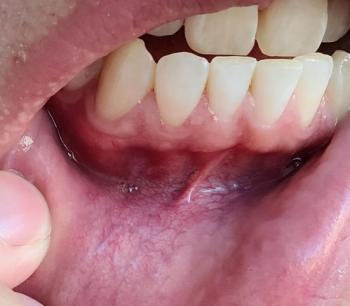
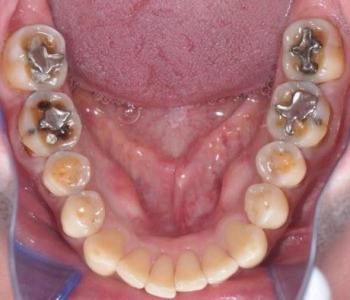
Patients with lower front gum inflammation may also experience tartar buildup, periodontal disease, gum abscesses, or tooth decay. Explore these related clinical case studies.
Other topics:
Other Dental Clinic