From Pain to Perfect — We Care for Your Smile.

Extensive Jawbone Destruction in Massachusetts: How a Highly Skilled Dentist Saved a Patient’s Teeth
Language :
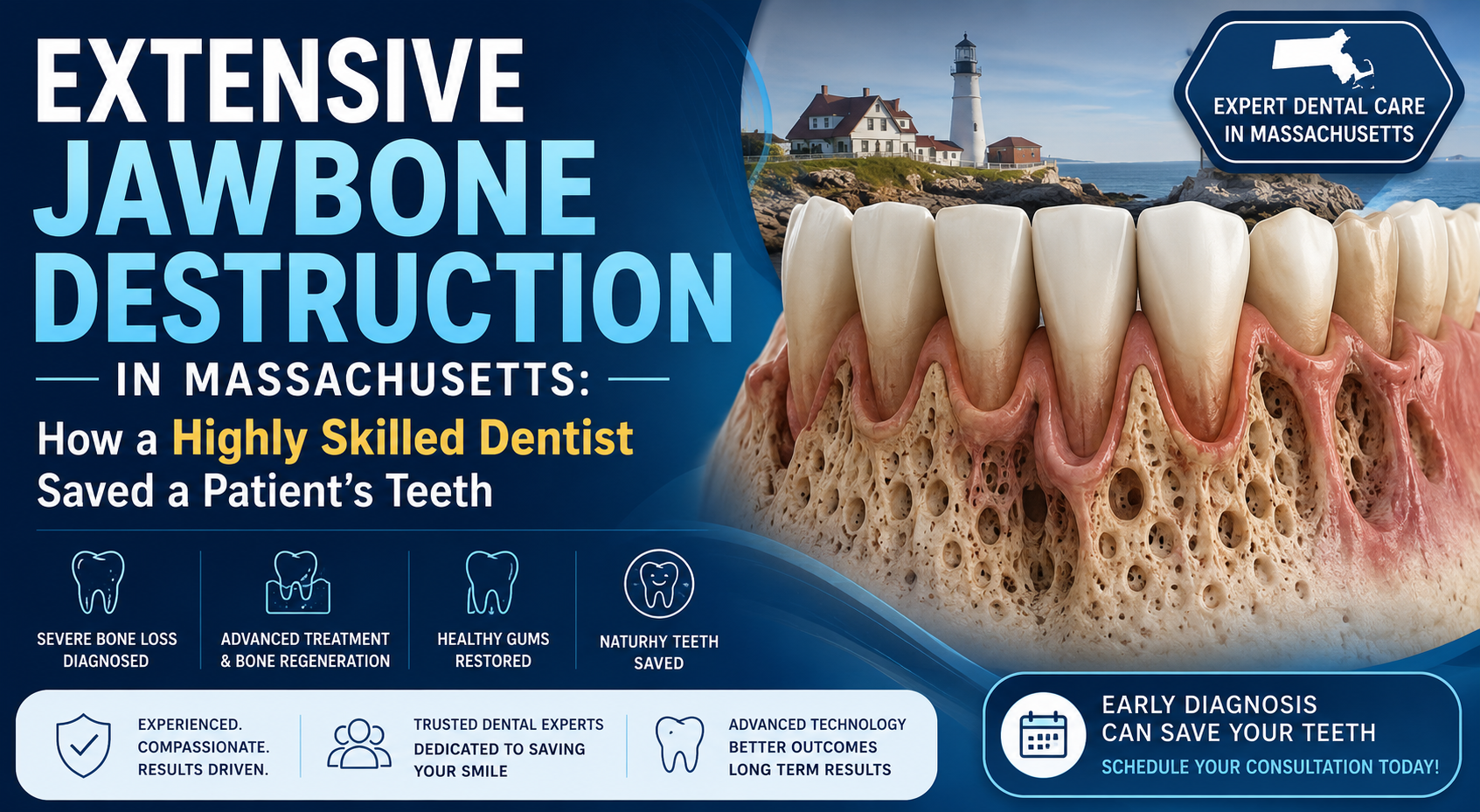
Extensive jawbone destruction is one of the most serious dental conditions seen in modern dentistry. While many people assume that gum disease only causes bleeding gums or loose teeth, the reality is far more concerning. Severe bone loss can gradually destroy the foundation supporting the teeth, leading to tooth mobility, chronic infection, facial changes, and eventual tooth loss.
Across Massachusetts, dental specialists frequently encounter patients who have delayed treatment because they believed their symptoms were minor. Unfortunately, by the time significant pain or tooth mobility develops, substantial jawbone damage may already have occurred.
The good news is that modern dental technology, advanced periodontal treatments, bone grafting procedures, and skilled restorative dentistry can often save teeth that once would have required extraction.
As a dental expert group in the United States, we believe early diagnosis and aggressive treatment planning are critical to preserving natural teeth and restoring oral health.
Understanding Jawbone Destruction
The jawbone exists to support and anchor teeth. Healthy bone continuously remodels itself throughout life. However, certain diseases and conditions can accelerate bone loss faster than the body's ability to regenerate.
When jawbone destruction occurs, the bone surrounding tooth roots begins to disappear. As support decreases, teeth become loose and vulnerable.
Common causes include:
- Advanced periodontal disease
- Chronic dental infections
- Untreated abscesses
- Failed root canals
- Smoking
- Diabetes
- Trauma
- Osteoporosis
- Poor oral hygiene
- Long-term inflammation
Without intervention, the destruction continues progressively.
A Short Story: Saving Michael's Teeth
Michael, a 52-year-old construction supervisor from Massachusetts, had ignored his dental problems for nearly a decade.
At first, he noticed occasional bleeding while brushing.
Later, his gums became swollen.
Eventually, several lower teeth felt slightly loose.
Despite these warning signs, he continued postponing treatment because work remained his priority.
One morning, while eating breakfast, he felt a sharp movement in his front teeth. Looking into the mirror, he was shocked.
His lower front teeth visibly shifted.
Fear finally pushed him to seek professional care.
At his first appointment, advanced imaging revealed extensive jawbone destruction affecting multiple areas of his mouth.
The prognosis appeared grim.
Several teeth had lost over 60% of their supporting bone.
A less experienced provider might have recommended extracting all compromised teeth immediately.
Instead, Michael sought treatment from a highly skilled periodontal and restorative team.
The specialists developed a comprehensive plan that included:
- Deep infection control
- Scaling and root planing
- Laser-assisted periodontal therapy
- Bone grafting
- Guided tissue regeneration
- Occlusal adjustments
- Long-term maintenance
Treatment lasted several months.
The process required patience and commitment.
Slowly, inflammation decreased.
Gums became healthier.
Bone regeneration occurred in targeted areas.
Most importantly, the majority of Michael's natural teeth were saved.
Today, years later, he continues routine maintenance visits and enjoys eating comfortably with his own teeth.
His story demonstrates that even severe jawbone destruction does not always mean tooth loss.
What Causes Severe Jawbone Loss?
1. Advanced Gum Disease
Periodontitis remains the leading cause of jawbone destruction.
Bacteria accumulate beneath the gums and trigger chronic inflammation.
Over time:
- Gums detach from teeth
- Deep pockets form
- Bone dissolves
- Teeth loosen
Many patients remain unaware because the disease progresses painlessly.
2. Chronic Dental Infection
An untreated infection at the root tip can slowly destroy surrounding bone.
This process may continue for months or years without noticeable symptoms.
Common warning signs include:
- Swelling
- Gum drainage
- Tooth discoloration
- Pressure sensation
3. Smoking
Smoking significantly increases periodontal disease severity.
Nicotine:
- Restricts blood flow
- Slows healing
- Weakens immune response
- Accelerates bone destruction
Heavy smokers often experience more severe bone loss than non-smokers.
4. Diabetes
Poorly controlled diabetes affects the body's ability to fight infection.
Patients frequently experience:
- Increased inflammation
- Delayed healing
- Greater periodontal destruction
5. Failed Dental Treatment
Occasionally, untreated complications following:
- Root canals
- Crowns
- Bridges
- Dental trauma
may result in hidden infections that destroy surrounding bone.
Symptoms of Extensive Jawbone Destruction
Many patients are surprised to learn they have severe bone loss because symptoms often develop gradually.
Common signs include:
Early Symptoms
- Bleeding gums
- Persistent bad breath
- Gum tenderness
- Mild swelling
Moderate Symptoms
- Gum recession
- Spaces between teeth
- Food trapping
- Tooth sensitivity
Advanced Symptoms
- Loose teeth
- Difficulty chewing
- Shifting bite
- Visible root exposure
- Recurrent infections
- Pus drainage
How Dentists Diagnose Jawbone Destruction
Accurate diagnosis is essential.
Modern dental practices use multiple tools.
Clinical Examination
Dentists evaluate:
- Gum pocket depth
- Tooth mobility
- Bite function
- Gum recession
Digital X-Rays
Digital radiographs reveal:
- Bone height
- Infection
- Root condition
3D Cone Beam CT Imaging
CBCT scanning provides detailed views of:
- Bone thickness
- Defects
- Infection spread
- Surgical planning
This technology has transformed treatment planning for severe bone loss cases.
The Worst Situations That Could Happen
When jawbone destruction remains untreated, devastating complications may occur.
Complete Tooth Loss
The most common outcome is the eventual loss of affected teeth.
Without bone support, teeth cannot remain stable indefinitely.
Multiple Abscesses
Chronic infection can create recurring dental abscesses.
Patients may experience:
- Facial swelling
- Severe pain
- Fever
Facial Appearance Changes
Jawbone loss affects facial support.
Patients may notice:
- Sunken cheeks
- Premature aging
- Reduced facial volume
Difficulty Eating
Missing teeth and unstable teeth can severely impact nutrition.
Many patients avoid:
- Fruits
- Vegetables
- Protein-rich foods
leading to dietary deficiencies.
Spread of Infection
Although uncommon, severe infections can spread beyond the mouth.
Potential complications include:
- Cellulitis
- Bone infection
- Sinus involvement
- Serious systemic infection
These situations require immediate medical attention.
Can Teeth Still Be Saved?
Many patients ask:
"Is it too late?"
The answer depends on several factors.
Teeth may often be saved when:
- Root structure remains intact
- Infection is controllable
- Bone defects are treatable
- Patient commits to maintenance
Even teeth with significant bone loss can sometimes remain functional for many years.
Modern Treatments for Severe Jawbone Destruction
Deep Cleaning (Scaling and Root Planing)
The first step is removing bacteria beneath the gums.
Benefits include:
- Reduced inflammation
- Improved healing
- Slowed disease progression
Periodontal Surgery
Advanced cases frequently require surgery.
Goals include:
- Eliminating deep pockets
- Accessing infected areas
- Restoring healthy tissue
Bone Grafting
Bone grafts help rebuild areas affected by severe loss.
Common graft materials include:
- Synthetic bone
- Donor bone
- Animal-derived bone
- Patient's own bone
Bone grafting can dramatically improve long-term tooth stability.
Guided Tissue Regeneration
Special membranes help encourage new bone growth.
This technique is often used around strategic teeth that dentists hope to preserve.
Laser Therapy
Certain periodontal specialists use laser-assisted treatment to:
- Reduce bacteria
- Improve healing
- Minimize discomfort
Root Canal Therapy
When infection originates inside the tooth, root canal treatment may be necessary.
Proper treatment removes infected tissue and preserves the natural tooth.
Bite Adjustment
Excessive biting forces can worsen mobility.
Careful adjustment helps protect vulnerable teeth.
Recovery Timeline
Healing varies according to treatment complexity.
Initial Healing
1–2 weeks
Patients generally experience:
- Reduced swelling
- Improved comfort
- Better gum health
Soft Tissue Recovery
4–8 weeks
Gums begin reattaching and stabilizing.
Bone Regeneration
3–12 months
Bone grafts require time to mature and integrate.
Some cases continue improving for over a year.
Long-Term Stabilization
12–24 months
Comprehensive rehabilitation reaches its final stage.
Estimated Dental Costs in Massachusetts
Costs vary significantly based on complexity and provider expertise.
Typical ranges include:
| Treatment | Estimated Cost |
|---|---|
| Periodontal Evaluation | $150–$500 |
| Full-Mouth Deep Cleaning | $800–$2,500 |
| Periodontal Surgery | $1,000–$4,000 per area |
| Bone Grafting | $600–$4,500+ |
| Guided Tissue Regeneration | $1,000–$3,500 |
| Root Canal Treatment | $900–$2,500 |
| Crown Restoration | $1,200–$2,500 |
| Dental Implant (if needed) | $3,000–$7,000+ |
Complex full-mouth rehabilitation cases may range from $10,000 to over $50,000 depending on severity.
Dental insurance may cover portions of treatment.
Why Early Treatment Saves Money
Many patients delay treatment because of cost concerns.
Ironically, postponing care usually increases expenses.
For example:
Early gum treatment may cost a few hundred dollars.
Waiting until multiple teeth are lost may require:
- Extractions
- Bone grafting
- Dentures
- Implants
The financial difference can be enormous.
Preventing Future Jawbone Destruction
Patients can dramatically reduce future risk by following preventive measures.
Maintain Excellent Oral Hygiene
Brush:
- Twice daily
- With fluoride toothpaste
Floss every day.
Attend Regular Dental Visits
Professional examinations help identify problems before major damage occurs.
Most patients benefit from visits every six months.
Periodontal patients may require visits every three to four months.
Stop Smoking
Smoking cessation remains one of the most powerful ways to preserve gum and bone health.
Control Medical Conditions
Managing diabetes and other systemic diseases improves periodontal outcomes.
Address Problems Early
Never ignore:
- Bleeding gums
- Loose teeth
- Persistent bad breath
- Gum swelling
Early intervention dramatically improves success rates.
Expert Advice from a USA Dental Group
Extensive jawbone destruction can appear frightening on an X-ray, but patients should never assume tooth loss is inevitable.
Modern dentistry has advanced tremendously.
With proper diagnosis, advanced imaging, periodontal therapy, bone grafting, and long-term maintenance, many teeth previously considered hopeless can now be preserved.
The most important factor is timing.
The sooner treatment begins, the greater the opportunity to save natural teeth and restore oral health.
If you notice bleeding gums, loose teeth, chronic bad breath, or signs of infection, schedule a professional dental evaluation immediately. A skilled periodontal team can determine whether your teeth can be saved and create a customized treatment plan designed to protect your smile for years to come.
Conclusion
Extensive jawbone destruction is a serious condition that threatens both oral health and overall well-being. Left untreated, it can lead to infection, tooth loss, facial changes, and expensive restorative procedures. However, advances in modern dentistry provide hope even for severe cases.
As Michael's story demonstrates, highly skilled dentists can often save teeth through comprehensive periodontal treatment, bone regeneration procedures, and dedicated maintenance care. Early diagnosis remains the key to success.
Protecting your jawbone today can mean keeping your natural teeth for decades to come.
Can tooth extraction cause infection? Mild inflammation is normal, but increasing swelling, fever, or severe pain may indicate infection. Learn more about post-extraction infection warning signs in this detailed guide.
Book a consultation with our Cebu dental specialists for proper evaluation and care.
Ready to get expert guidance?
If you’re experiencing severe pain or delayed healing, book a consultation with our Cebu dental specialists to get proper evaluation and care.
Consultation or contact page .
Book a Consultation
For severe discomfort or delayed healing, book a consultation with our Cebu dental specialists today.
Looking for a dentist? Browse our Cebu dental directory to find trusted clinics near you.
Medical Review and Clinical Basis
This article is based on clinical dental guidelines and real patient recovery patterns observed after tooth extraction procedures. The information reflects common post-extraction healing stages, including normal clot formation, gum tissue repair, and signs of possible complications such as dry socket or infection.
While mild discomfort is expected after a dental extraction, worsening pain after Day 3, bad odor, exposed bone, or spreading pain may require professional evaluation. These symptoms are consistent with known post-extraction complications described in standard dental practice.
About Cebu Dental Implants
Cebu Dental Implants provides comprehensive tooth extraction, surgical procedures, and dental implant services in the Philippines. Our team evaluates post-extraction healing, manages complications such as dry socket, and advises patients on proper aftercare to prevent infection and delayed healing.
If you experience severe pain or unusual symptoms after extraction, early professional assessment is recommended to prevent further complications.
Important Medical Disclaimer
This content is for educational purposes only and does not replace professional dental diagnosis. Every patient heals differently. If symptoms worsen or do not improve within a few days, consult a licensed dentist for proper evaluation and treatment.
Author
This article was prepared by the Cebu Dental Implants content team in consultation with licensed dental professionals experienced in tooth extraction and implant procedures.
Related Clinical Cases
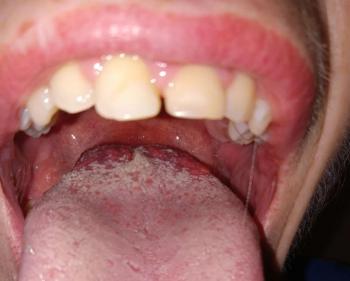
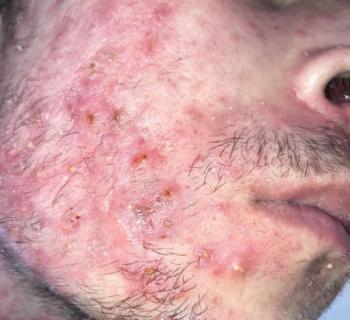
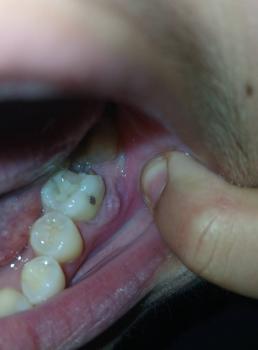
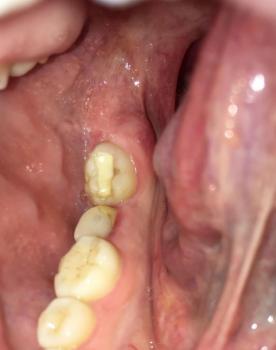
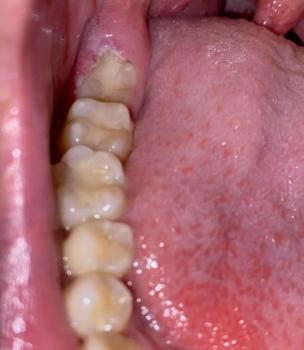
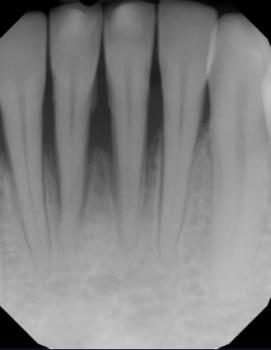
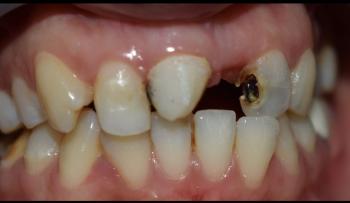
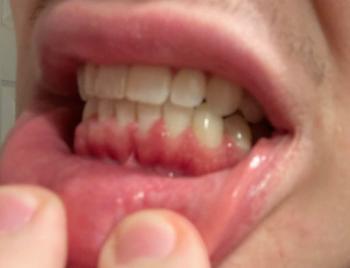
Patients with lower front gum inflammation may also experience tartar buildup, periodontal disease, gum abscesses, or tooth decay. Explore these related clinical case studies.
Other topics:
Other Dental Clinic
 |
 |
 |
 |