Other topics:

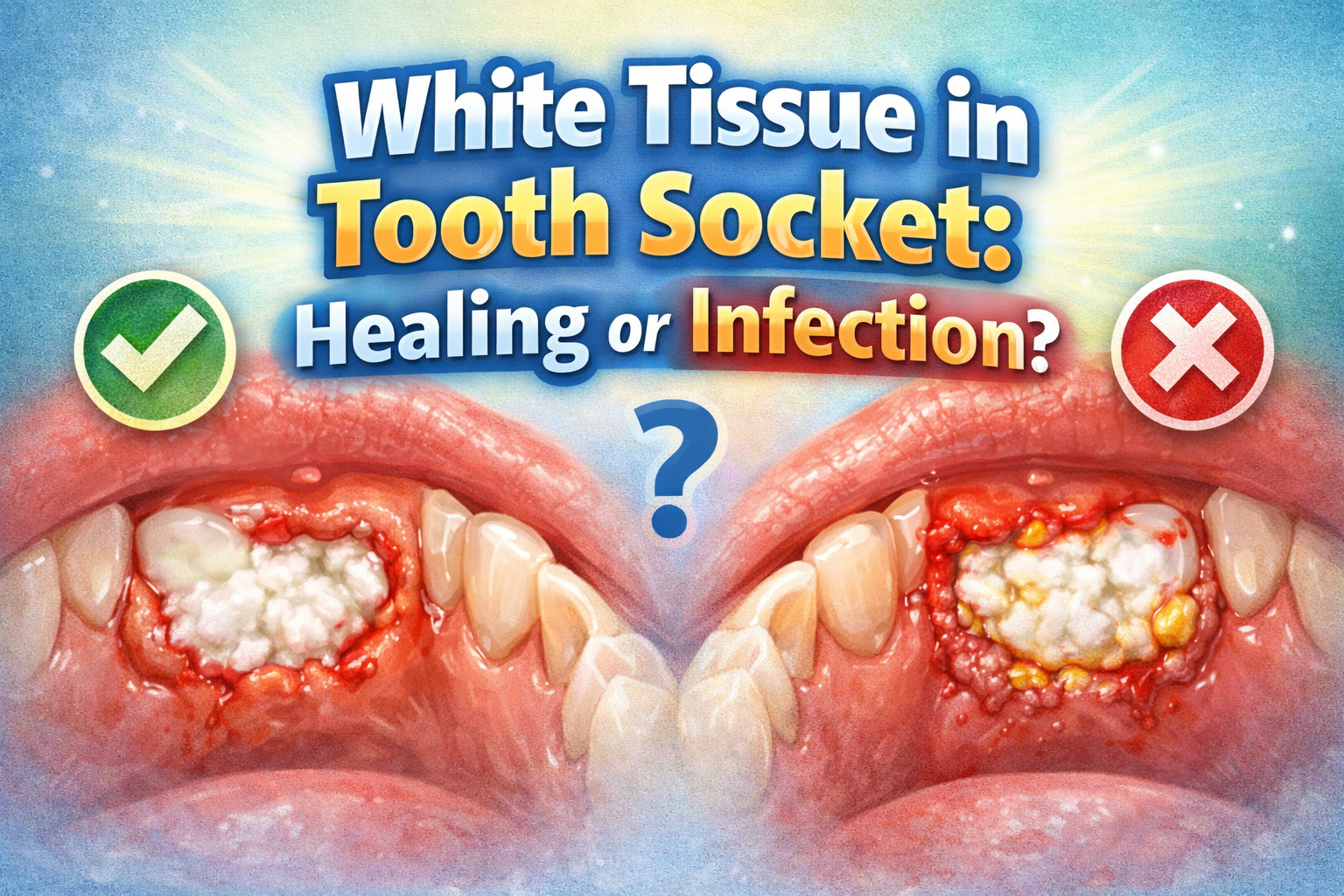
The Reykjavík Roadmap: Navigating Emergency Dental Care & Financial Aid for Dry Socket and Gum Issues

Emergency dental care and financial assistance in Reykjavík, focusing on dry sockets. The table below summarizes the key steps for an adult resident to access government or non-profit funding.

Step Action Key Details / Eligibility
1 Consult a Dentist for Diagnosis A dentist must confirm the issue is a necessary dental care

and submit applications for special state funding if required

Laser Bioprinting for Dentists: Complete Poietis NGB-R Review

Poietis NGB-R Bioprinter: The Precision Powerhouse for Advanced Dentistry

The Poietis NGB-R is the most precise bioprinter available for dental applications, specializing in ultra-high-resolution tissue engineering. If you're considering this cutting-edge but complex machine for your practice, here’s a realistic breakdown of its capabilities, ROI, support, and potential challenges.

What Your Family Doesn't See: The Real Pillar and the Secret Destroying Your Teeth

What Your Family Doesn't See: The Real Pillar and the Secret Destroying Your Teeth

When we think of a "pillar of the family," we imagine a strong man, capable of facing any problem, always standing firm for his loved ones. But there is a secret battle happening at night, a symptom of this strength, that is literally destroying your teeth. This is not a story of aging; it is a story of stress.

Why Teeth Don’t Heal: The Surprising Science Behind Enamel Damage

Why Can’t Teeth Heal Themselves? The Science Behind Enamel’s Irreparable Damagee

Teeth are remarkable structures—hard, durable, and essential for survival. Yet, unlike bones, skin, or even the liver, they cannot regenerate or heal themselves once damaged, especially when it comes to enamel.

This biological limitation has significant implications for oral health. Let’s explore why teeth lack self-repair mechanisms and what that means for dental care.

The End of the Dentist Visit? How AI and Microscopic Robots Will Repair Your Teeth

The Current State of "Science Friction"

The technologies in development are impressive, but it's important to distinguish the current reality from a more distant science-fiction future:

  • Nanobots are in the Lab, Not Your Home: The pioneering work on magnetic nanobots is just that—pioneering. These are controlled in laboratory settings for specific, targeted procedures like deep cleaning during a root canal, not for autonomous repair while you sleep

The End of Fillings? How Korea’s Tooth-Regenering Patch & AI Will Reshape Philippine Dentistry

A New Era for Filipino Smiles: No Drill, No Fill, Just Heal

Imagine walking into a dental clinic with a cavity and walking out with your own tooth already healing itself—no drilling, no numbness, no filling. For millions of Filipinos, especially those in rural and underserved communities, this could soon be a reality.

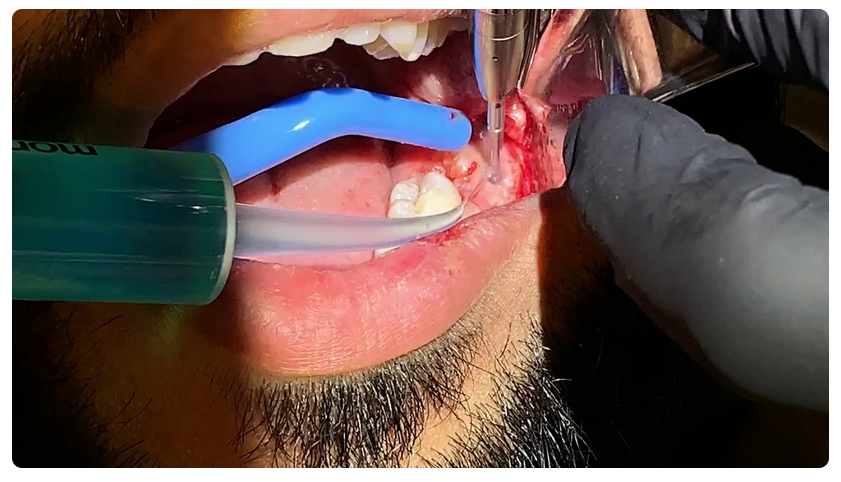
What Are the Risks of Tooth Extraction? Expert Dentist Guide to Safety, Complications, and Recovery

Topics: 

Expert Insight from a New York Dentist

Tooth extraction is one of the most common dental procedures performed worldwide. In most cases, it is safe, predictable, and necessary to protect your overall oral health. However, like any surgical procedure, tooth extraction carries certain risks that patients should understand before treatment.

As a practicing dentist in New York, I always emphasize informed decision-making. Knowing the possible complications helps you prepare properly, follow aftercare instructions, and reduce the chances of problems.

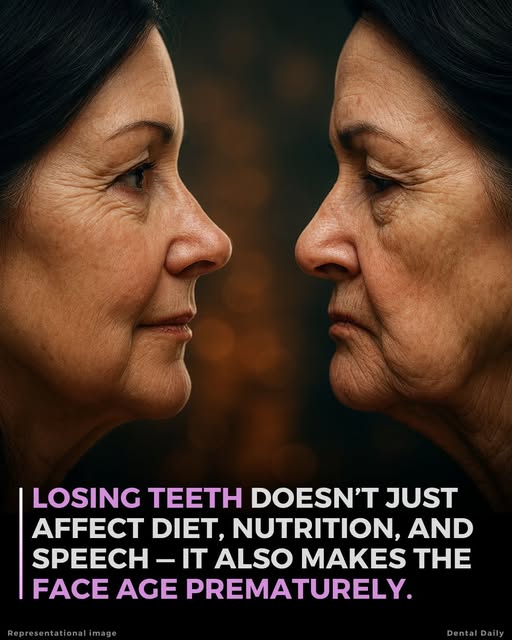
Denture Wearers Guide: How Long Should You Keep Them In? (Dentist’s Secret Tips)

Why Your Denture Feels Different After 5 Years (& What To Do)

Wearing dentures for 5+ years can defintely change how they fit. Here’s why:

  1. Bone Shrinkage (Resorbtion) – Your jawbone slowly shrinks without teeth, making old dentures feel loose.

  2. Gum Changes – Gums can thin or swell, altering fit.

  3. Denture Wear & Tear – Plastic wears down, warps, or gets scratched.

Pages