Other topics:

Private vs Public Dental Care in Austria – Cost Comparison

A Dental Expert’s Perspective After 25 Years in Austrian Dentistry

After more than 25 years working in Austrian dentistry, one thing has remained consistent: patients are often confused about the difference between public and private dental care in Austria.

Many people assume that Austria’s excellent healthcare system automatically means all dental treatment is fully covered. Others believe private dental clinics are only for wealthy patients seeking cosmetic procedurese.

The truth is far more nuanced.

Dental Tourism in the Philippines: Safety, Standards, and What to Expect

A Clear, Practical Guide from a Philippine Dental Advisor

Dental tourism in the Philippines is growing quickly—and for good reason. Patients from the United States, Canada, Australia, and the UK are traveling here for procedures like dental implants, crowns, and veneers at significantly lower costs.

But the most important question remains:

“Is dental treatment in the Philippines actually safe?”

Kefir, Your Daily Dose for a Thriving UK Life: Unlock Gut Health and Beat Lactose Intolerance

Topics: 

Kefir: Your Daily Dose for a Healthier Gut and a Thriving Life in the UK

In the hustle of modern British life—from grabbing a meal deal to enjoying a proper Sunday roast—our digestive health can often take a backseat. But what if one simple, delicious addition to your daily routine could be a game-changer for your well-being? Enter kefir, the fermented super-drink that’s taking the UK by storm, backed by science and cherished for its profound benefits, especially for those with lactose intolerance.

Protect Your Brain: Why Dental Check-ups are Vital for Filipinos

Topics: 

More Than a Smile: How Your Teeth in the Philippines Could Be Affecting Your Memory

A Story of Lola Elena

Lola Elena was known for two things in their barangay: her vibrant garden of gumamela and her sharp mind. She remembered everyone's birthdays, the price of rice from three decades ago, and the best stories from her youth. But over the past few years, her family noticed a change.

Kevin’s Teeth Alignment Story: Understanding Class I Malocclusion and the Path to a Better Smile

Topics: 

Kevin’s Story

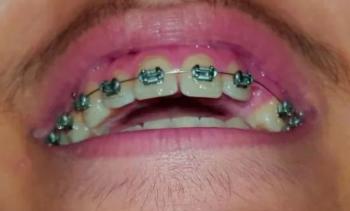
Kevin, a 32-year-old office worker, noticed that his teeth were not perfectly aligned. Though his bite looked fairly normal, he often felt slight crowding on his lower teeth and mild jaw tightness when chewing. He wasn’t in pain, but he wasn’t confident when smiling either.

During his dental visit, his dentist explained that Kevin’s bite was a Class I malocclusion—the most common type of dental alignment, where the upper and lower jaws fit normally, but the teeth may be crowded, rotated, or slightly misaligned.

The Silent Oral Health Crisis of Teenage Vaping in the Philippines

In the Philippines, businesses are open, hospitals are functioning, and modern conveniences are everywhere. Yet behind this appearance of progress lies a growing public health concern: the rise of vaping among teenagers.

Marketed as fashionable and often perceived as a safer alternative to smoking, vaping has quietly embedded itself into youth culture. Unfortunately, its long-term impact on oral and dental health is becoming increasingly evident.

Dental Bridge vs Implant vs Denture: USA Expert Comparison Guide

Missing teeth can affect far more than your smile. They can change how you eat, speak, and even how confident you feel during daily conversations. In Maryland, many adults struggle with tooth loss due to gum disease, tooth decay, sports injuries, aging, or accidents. The good news is that modern dentistry offers several effective solutions to restore your smile and oral health.

Aging & Dental Health: Why Filipinos Often Need Crowns by Age 50

Why Do Many Filipinos Need Crowns and Bridges at Age 50?(English, Cebuano, Tagalog )

ENGLISH 

Why at Age 50 Do Most Filipinos Use Crowns and Bridges?

By the time many Filipinos reach 50, they often require dental crowns and bridges. But why is this common?

  1. Tooth Decay and Wear – Years of chewing, grinding, and exposure to acidic foods weaken teeth.

Cleaned My Teeth at the Dentist - Now My Gums Bleed. Is This Normal?

Have you ever left the dentist after a routine cleaning only to notice your gums feel tender, bleed when you brush, or even that your teeth seem slightly loose? If so, you're not alone, and this doesn’t mean the cleaning harmed you. In fact, these sensations are often a sign that your cleaning was necessary, effective, and is revealing pre-existing issues that were hidden. Let’s explore why this happens and what it means for your long-term oral health.

Pages