Topics

Can Viruses Affect the Teeth and Tongue? Nipah Virus Explained

Topics: 

Nipah virus is a highly dangerous virus that primarily affects the brain and lungs. According to infectious disease expert Edsel Salvana Solante, the virus has a high mortality rate ranging from 40% to 75%.

Key facts about Nipah virus:

  • It can cause severe brain inflammation (encephalitis)

  • It can cause serious lung complications

  • There is no specific treatment or vaccine

  • Patients receive supportive care only

Clinical Protocols to Prevent Dry Socket: Evidence-Based Strategies for Dental Professionals

Understanding Dry Socket (Alveolar Osteitis)

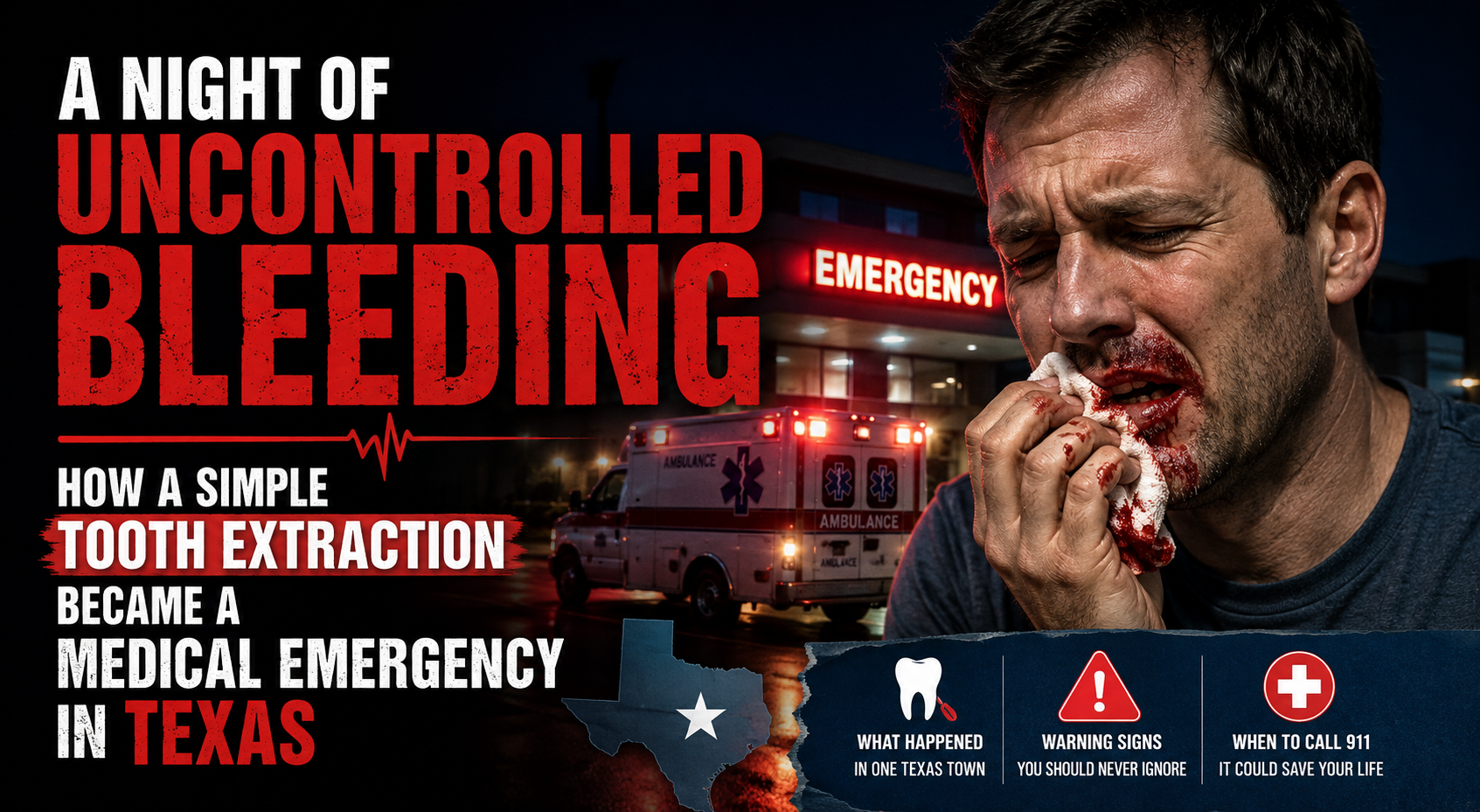
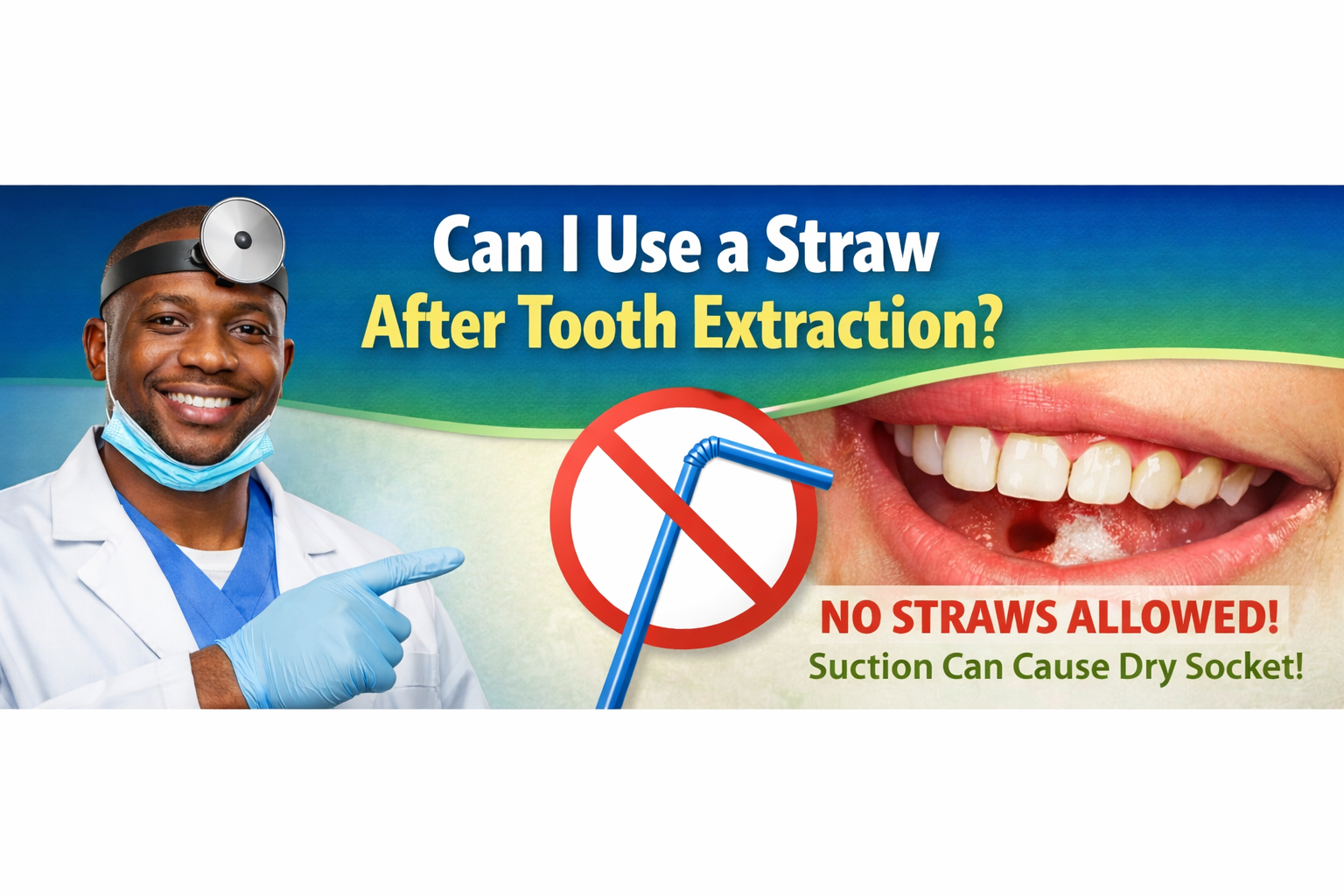
Alveolar osteitis, commonly known as dry socket, remains one of the most painful postoperative complications following tooth extraction.
It occurs when the blood clot that normally protects the exposed bone dissolves or dislodges prematurely, leaving the socket exposed to air, food debris, and bacteria.

Incidence rates range from 2–5% in routine extractions and can reach up to 30% after impacted third molar removal.

Thomas's Story: How Manila's Stress and Traffic Nearly Cost Him More Than His Smile

Thomas's Wake-Up Call: How Manila's Traffic, Stress, and Skyrocketing Costs Nearly Cost Him His Health

The heat was already stifling at 7 a.m. as Thomas inched his car forward along EDSA. His jaw ached, a dull throb he'd grown accustomed to—a side effect of grinding his teeth through two hours of traffic each morning and another two each night. At his side, a half-finished sugary iced coffee sat in the cup holder, his go-to fuel for the gridlock. He swished it around his mouth, the sweet, acidic liquid washing over his already sensitive gums.

Why Teeth Don’t Heal: The Surprising Science Behind Enamel Damage

Why Can’t Teeth Heal Themselves? The Science Behind Enamel’s Irreparable Damagee

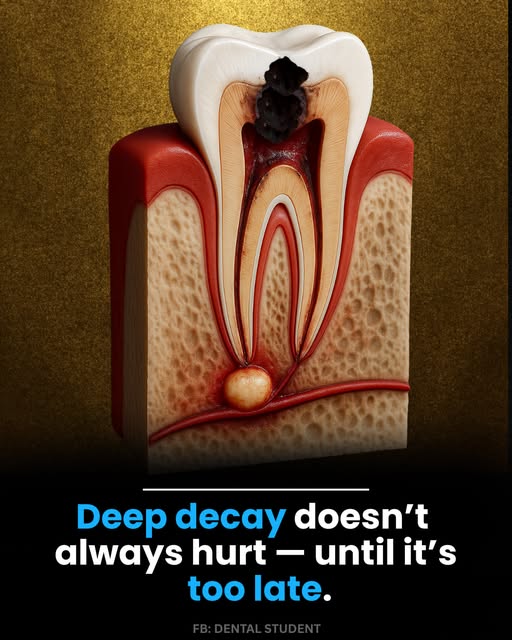
Teeth are remarkable structures—hard, durable, and essential for survival. Yet, unlike bones, skin, or even the liver, they cannot regenerate or heal themselves once damaged, especially when it comes to enamel.

This biological limitation has significant implications for oral health. Let’s explore why teeth lack self-repair mechanisms and what that means for dental care.

The Night Shift Brain: Protecting Cognitive Health When Work Keeps You Awake in Cebu

Topics: 

The Sleep Shift: Protecting Your Brain When Working Nights in Cebu's IT Parks and Beyond

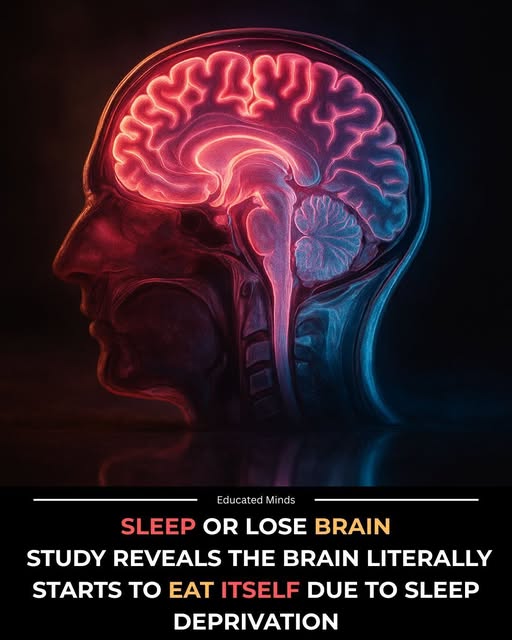
For many in Cebu's bustling IT parks and outsourcing hubs, the night is when work begins. You've likely heard—or said—the familiar refrain: "I can sleep during the morning time." Meanwhile, those in traditional "graveyard" shifts across various industries push through the darkness, driven by the need to survive and pursue higher income. But what happens to your brain when you consistently trade night hours for daylight sleep?

The Healing Delay: A Young Davao Professional's Dental Wake-Up Call

Topics: 

The Slow Heal: A Young Professional's Dental Ordeal in Davao

In the bustling corporate hubs of Davao, a generation of young professionals is climbing the ladder. They are tech-savvy, ambitious, and often, physically drained. For them, a dental problem is more than an inconvenience; it's a threat to their productivity and image. This is the story of Mark, a 22-year-old IT specialist, whose journey reveals a critical, often overlooked truth: healing is not guaranteed, and the body's timeline doesn't care about your project deadlines.

Pages