Your Smile, Perfected with Precision.

Is Bone Grafting Painful? Science, Failure Rates & Implant Qualification Guide Philippines 2026
Language :
Topics:
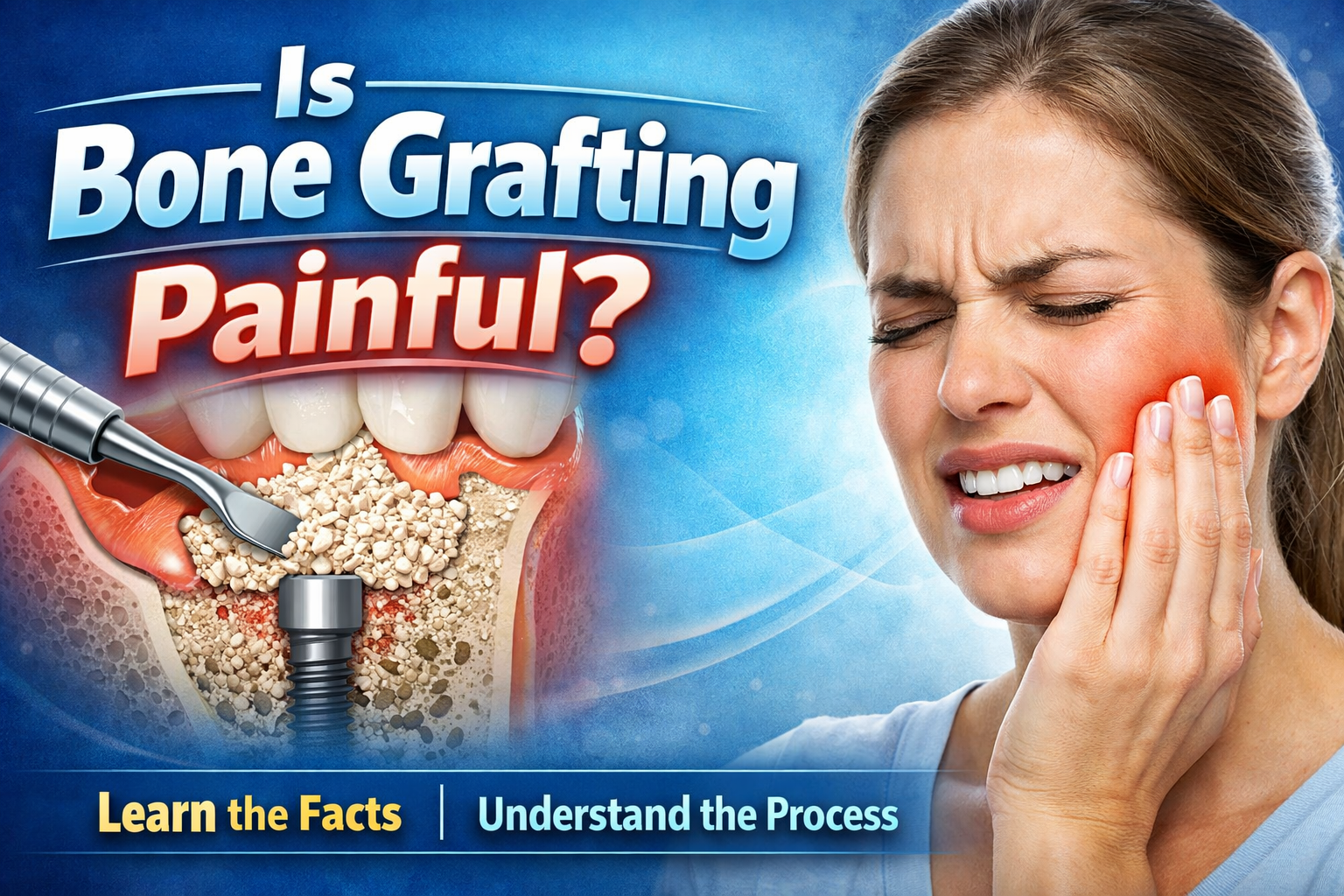
Bone grafting is one of the most misunderstood procedures in implant dentistry. Many patients delay treatment because of fear — especially the question:
“Is bone grafting painful?”
At the same time, many implant failures are not caused by the implant itself — but by poor bone assessment, inadequate equipment, limited surgical skill, or financial interruption during treatment.
This article explains:
-
Is bone grafting really painful?
-
The scientific basis of bone and marrow qualification before implants
-
Why some grafts and implants fail
-
The real reason patients drop out before completing treatment
1. Is Bone Grafting Painful?
During the Procedure
Bone grafting is performed under:
-
Local anesthesia
-
Sometimes sedation
During surgery, you should not feel pain, only pressure or vibration.
After the Procedure
Most patients experience:
-
Mild to moderate swelling (2–4 days)
-
Slight discomfort
-
Minor bruising
Pain is typically manageable with prescribed medication.
Compared to tooth extraction, most patients report bone graft discomfort is similar or less intense.
2. Why Bone Grafting Is Necessary Before Dental Implants
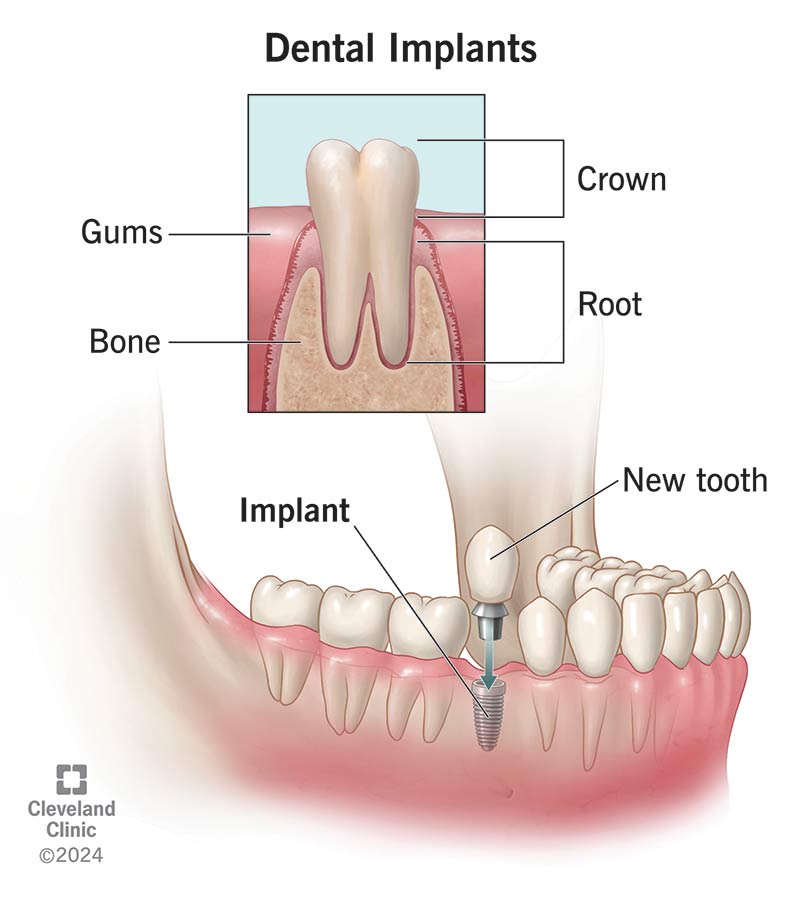
After tooth loss, the jawbone begins shrinking immediately.
Within:
-
3 months → noticeable bone reduction
-
6–12 months → significant ridge resorption
-
2–3 years → severe bone deficiency
A dental implant needs:
-
Adequate bone height
-
Adequate bone width
-
Good bone density
-
Healthy blood supply (bone marrow vitality)
Without these, the implant may fail.
3. Bone Marrow & Scientific Qualification Before Implant
The success of implants depends heavily on bone biology.
Bone Quality Classification (Lekholm & Zarb)
-
D1 – Dense cortical bone (very hard)
-
D2 – Thick cortical + dense trabecular (ideal)
-
D3 – Thin cortical + porous trabecular
-
D4 – Very soft bone (high risk)
D4 bone has lower implant stability and higher failure risk.
What Should Be Evaluated Before Bone Graft or Implant?
A proper clinic should perform:
-
CBCT 3D scan
-
Bone density assessment
-
Ridge width measurement
-
Sinus proximity evaluation (upper jaw)
-
Medical history review
-
Smoking status analysis
-
Diabetes control evaluation
Skipping these increases complication risk.
4. Why Some Bone Grafts and Implants Fail
A. Poor Equipment
Clinics without:
-
CBCT imaging
-
Surgical motor with torque control
-
Sterile protocol
-
Quality biomaterials
Have higher complication rates.
B. Limited Surgical Skill
Implant dentistry requires:
-
Surgical training
-
Proper angulation control
-
Primary stability understanding
-
Graft handling technique
Inexperienced operators may:
-
Overheat bone
-
Create poor graft adaptation
-
Contaminate surgical site
-
Misjudge implant positioning
C. Failure to Examine Bone Marrow Status
Poor vascular supply = poor healing.
If bone vitality is compromised, graft integration may fail.
5. What Is the Real Implant Failure Rate?
Globally, modern implant success rates are:
-
90% – 98% (when properly planned)
However, early failure rates increase when:
-
No 3D planning
-
Poor graft integration
-
Immediate loading in weak bone
-
Patient stops antibiotics
-
Smoking continues
Clinical Reality
Many “implant failures” are not implant defects.
They are:
-
Planning failures
-
Diagnostic failures
-
Case selection errors
In some developing regions, poorly implemented cases may show significantly higher failure rates due to:
-
Equipment limitations
-
Budget constraints
-
Incomplete treatment phases
6. The Financial Drop-Off Problem
One of the most overlooked issues:
Many patients start treatment but stop midway.
Reasons:
-
Bone graft cost unexpected
-
Healing time misunderstood
-
Budget exhausted after first phase
-
Travel issues (OFWs, foreigners)
When graft is placed but implant phase is delayed too long:
-
Bone may resorb again
-
Additional surgery may be needed
Implant treatment is a multi-phase investment, not a one-day solution.
7. How to Avoid Failure
1. Demand 3D Diagnosis
Always request CBCT analysis.
2. Ask About Bone Quality
Your dentist should explain:
-
Bone density
-
Graft type
-
Healing timeline
3. Understand Total Budget Before Starting
Clarify:
-
Graft cost
-
Implant cost
-
Abutment & crown cost
-
Possible additional procedures
4. Choose Skill Over Cheap Price
Low-cost implants without diagnostics increase long-term cost.
8. The Truth: Is Bone Grafting Worth It?
Yes — when properly indicated.
Without bone foundation:
Implants will not last.
Bone grafting is not the problem.
Poor planning is.
Final Advice for Patients in the Philippines
If you are considering implants:
-
Do not rush.
-
Do not choose purely by price.
-
Do not skip diagnostics.
-
Ensure full financial readiness.
-
Confirm the clinic has proper imaging and sterile protocol.
Bone grafting is not something to fear.
Failure happens when science is ignored.
If done correctly, it is a safe and predictable step toward long-lasting dental implants.
Looking for dentist : Visit directory list
Related Clinical Cases
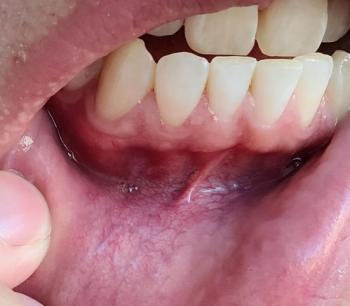
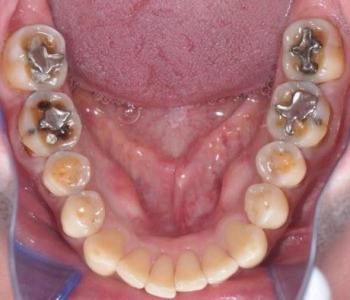
Patients with lower front gum inflammation may also experience tartar buildup, periodontal disease, gum abscesses, or tooth decay. Explore these related clinical case studies.

Other topics:
Other Dental Clinic