Because Every Tooth Deserves Care.

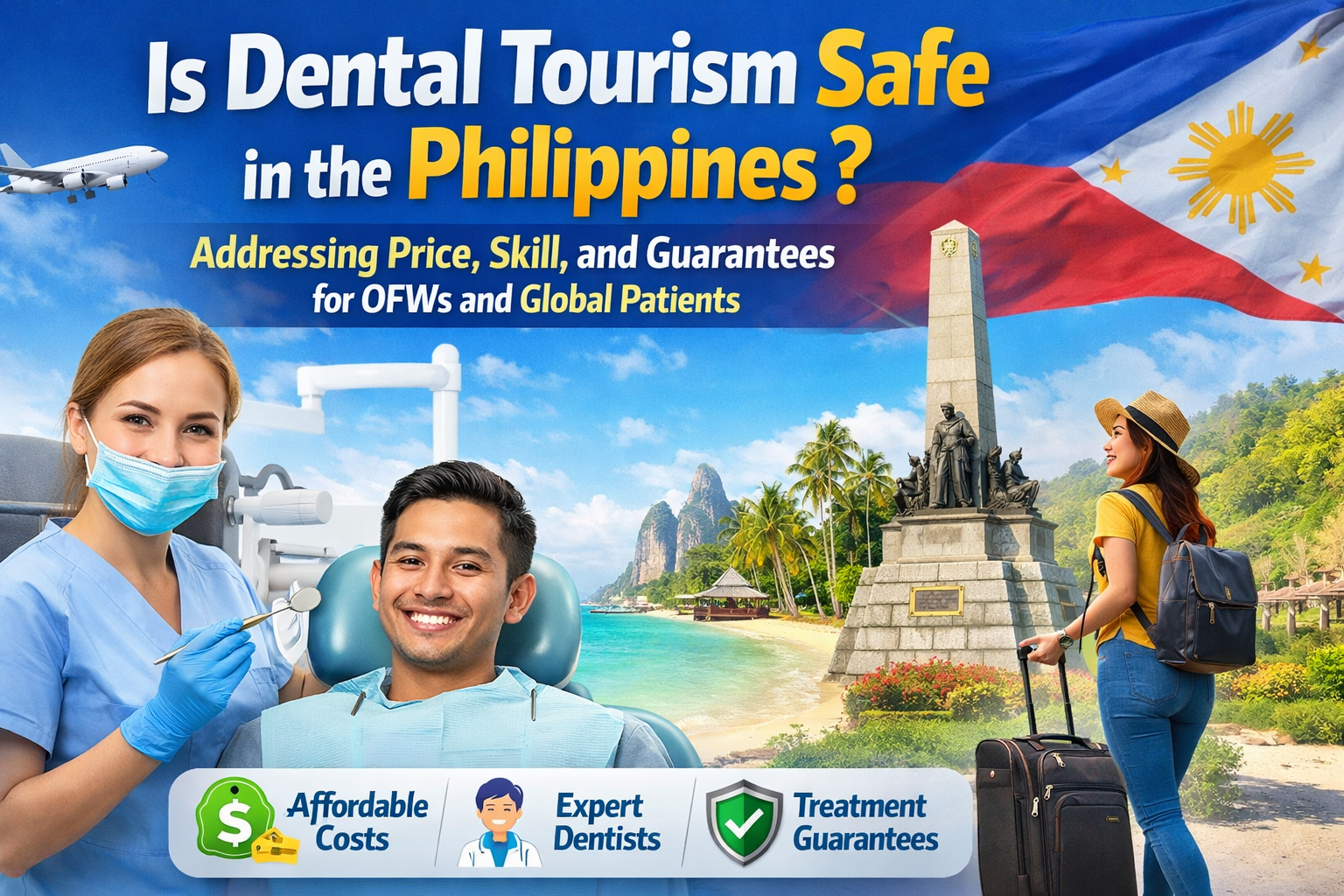
Is Dental Tourism Safe in the Philippines? Addressing Price, Skill, and Guarantees for OFWs and Global Patients
Language :
Introduction: The Elephant in the Room
Let’s address the fear directly.
You search for dental implant prices in the United States or Europe and see figures like $30,000 to $60,000 for full mouth reconstruction. Then you look at prices in the Philippines — and they are 60–70% lower.
Your first reaction is natural:
“It looks too cheap to be true. Is it safe?”
This article is not here to sell you anything. It is here to analyze the value proposition versus the risk perception.
If you are:
-
An OFW working in the Middle East, Europe, or the United States
-
A retiree living in the Philippines
-
A medical tourist from the US, Canada, UK, or Australia
Then your main concern is not just price.
It is safety.
It is skill.
It is long-term results.
It is what happens if something goes wrong.
Let’s break this down logically.
Addressing the “Cheap” Factor: Why Is Dental Care in the Philippines More Affordable?
The biggest misunderstanding about dental tourism is this:
Cheaper price does not equal cheaper materials.
The difference is in the economy — not necessarily the product.
Lower Overhead Costs
In first-world countries, dental pricing reflects:
-
High clinic rent
-
High staff salaries
-
Expensive malpractice insurance
-
Higher laboratory technician fees
-
Higher cost of living
In the Philippines:
-
Clinic rent is lower
-
Salaries are aligned with the local economy
-
Utility costs are lower
-
Dental lab costs are significantly lower
This creates a dramatic price gap — without automatically affecting quality.
Same Materials, Different Cost Structure
For example:
A titanium dental implant manufactured in Germany or Switzerland costs roughly the same globally. What changes is the cost of placing it.
In the US:
You are paying for the dentist’s time at US salary standards.
In the Philippines:
You are paying for the dentist’s expertise priced according to the Philippine economy.
The product is often the same.
The operating environment is different.
This is economic arbitrage — not corner cutting.
Do They Really Have the Skills? Analyzing Filipino Dentist Qualifications
Another common fear:
“Are the dentists as qualified?”
Let’s look at the facts.
Education and Licensing
In the Philippines:
-
Dentistry requires 6 years of formal education
-
Graduates must pass a national board examination
-
Dentists must maintain licenses and attend continuing education
This structure is regulated by the Professional Regulation Commission (PRC).
Filipino dentists are not trained in shortcuts.
They go through the same foundational anatomy, prosthodontics, surgery, and pathology curriculum you would expect elsewhere.
Continuing Education and International Training
Many leading implant dentists in the Philippines:
-
Attend international implantology congresses
-
Train in South Korea, Europe, or the United States
-
Hold affiliations with global organizations
Some are members or alumni of institutions such as:
-
American Academy of Implant Dentistry (AAID)
-
Pankey Institute
-
International Congress of Oral Implantologists
This international exposure keeps clinical standards competitive.
English Proficiency: A Major Safety Advantage
One overlooked advantage:
Filipino dentists speak fluent English — including medical English.
Unlike other dental tourism hubs where translation may be required, communication in the Philippines is direct.
You can:
-
Understand your treatment plan clearly
-
Ask complex medical questions
-
Discuss risks and alternatives
Miscommunication is one of the biggest risks in healthcare.
In the Philippines, that barrier is minimal.
The OFW Advantage: Why the Philippines Is a Dental Hub for Overseas Workers
For Overseas Filipino Workers, the Philippines offers something unique.
Familiarity and Emotional Comfort
Going home for treatment means:
-
Familiar food
-
Family support during recovery
-
Cultural comfort
-
No language stress
Major procedures like full-mouth reconstruction require emotional resilience. Recovering at home — surrounded by family — reduces anxiety.
Cost Arbitrage: Currency Power
If you are earning in:
-
US Dollars
-
Euros
-
British Pounds
-
Saudi Riyals
-
UAE Dirhams
Your currency is stronger against the Philippine Peso.
That means treatments that were financially impossible abroad become accessible.
A full-mouth implant case costing $50,000–$60,000 overseas may cost $18,000–$25,000 in the Philippines.
For many OFWs, this is the first time advanced dentistry becomes realistically affordable.
Vacation Integration
Many patients plan:
-
Dental treatment
-
Family visits
-
Short vacation
Healing phases can be scheduled around time off work.
Instead of taking unpaid leave abroad, you combine health care with reconnection.
What Guarantees Do Patients Get? Navigating Risk and Recourse
Now we address the most serious question:
“What happens if something breaks after I go home?”
Be Honest: Dentistry Has Biological Risk
Even in the US or UK:
-
Crowns can fracture
-
Implants can fail
-
Bridges can loosen
No country has a 0% complication rate.
The real question is not whether risk exists.
It is how the clinic handles it.
Modern Clinic Policies
Reputable clinics in the Philippines now provide:
-
Digital treatment records
-
CBCT scans stored online
-
Virtual follow-ups via Zoom or WhatsApp
-
Written material warranties (for implants and prosthetics)
Some implant brands themselves provide manufacturer-backed warranties.
The Reputation Factor
Here is something many overlook.
Filipino dentists rely heavily on:
-
Word-of-mouth
-
OFW community referrals
-
Online reviews
-
Social media reputation
One negative story spreads fast in tight-knit overseas communities.
Their incentive to maintain high standards is extremely strong.
Unlike a random clinic abroad you may never return to, many OFWs repeatedly visit the same Filipino dentist for years.
Reputation equals survival.
Analysis: The Verdict on Safety
Is dental tourism in the Philippines safe?
The honest answer:
It depends on where you go — just like anywhere else in the world.
Comparing Risk Realistically
Ask yourself:
Is it safer to:
-
Pay extremely high prices in a first-world clinic
or -
Choose a reputable, accredited clinic in a regulated Southeast Asian country?
Safety is not defined by geography.
It is defined by standards.
There are excellent clinics in the Philippines.
There are also poorly managed clinics in first-world countries.
Country alone does not guarantee safety.
What to Look For
To reduce risk, verify:
-
Clinic accreditation
-
Infection control standards
-
Use of internationally recognized implant brands
-
Before-and-after cases similar to yours
-
Clear written treatment plans
You may also look for:
-
ISO certifications
-
Affiliations with international dental organizations
-
Transparent communication policies
Risk Mitigation Checklist
Before booking a flight, ask:
-
What implant brand do you use?
-
Can I see cases similar to mine?
-
What happens if there is a complication?
-
Do you offer virtual follow-ups?
-
How long have you been performing implant surgeries?
-
Can I have a digital copy of my records?
A serious clinic will answer confidently and transparently.
Conclusion: The Best Price and the Best Value
The Philippines offers one of the best value propositions in global dentistry.
Not simply because it is cheaper.
But because it combines:
-
Highly trained, English-speaking dentists
-
High patient volume and practical experience
-
Modern technology
-
Dramatically lower operational costs
When you choose the right accredited clinic, you are not compromising safety for price.
You are taking advantage of a favorable economy.
For OFWs and international patients, that difference can mean:
-
Regaining confidence
-
Restoring chewing function
-
Preventing long-term health complications
-
Saving tens of thousands of dollars
That is not cutting corners.
That is smart planning.
Call to Action
Before you book a flight, do this:
Create your personal dental tourism checklist.
List every question that matters to you.
Shortlist 2–3 clinics.
Request consultations.
Compare answers.
Evaluate transparency — not just price.
Informed patients make safe decisions.
And when done correctly, dental tourism in the Philippines is not a gamble.
It is a calculated investment in your health — at a fraction of the cost.
Looking for dentist : Visit directory list
Related Clinical Cases
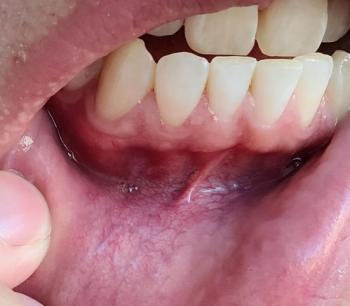
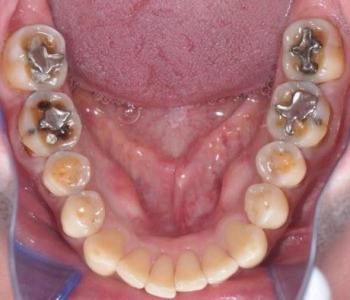
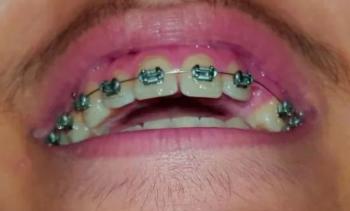
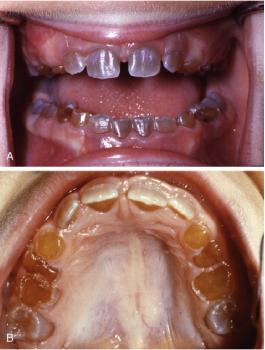
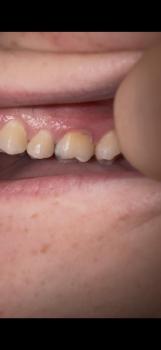
Patients with lower front gum inflammation may also experience tartar buildup, periodontal disease, gum abscesses, or tooth decay. Explore these related clinical case studies.

Other topics:
Other Dental Clinic