Your Smile, Perfected with Precision.

Missing a Tooth? Why Your Jawbone Might Be Disappearing (And How a Graft Can Save Your Smile)
Language :
Topics:
From bone loss after extraction to gum disease and aging—here’s what every American needs to know before getting dental implants.
You lost a tooth. Maybe it was a molar in the back that nobody sees. Maybe it was a front tooth from a sports injury in high school. You figured, “It’s fine. I can chew on the other side.” Months turn into years. Then, you finally visit your dentist for a check-up, and you hear the words no one wants to hear: “You have significant bone loss. You’ll need a bone graft before we can place an implant.”
If this sounds familiar, you are not alone. Nearly 69% of adults aged 35 to 44 have lost at least one permanent tooth, according to the American Dental Association. And a shocking number of them don’t realize that the bone underneath that missing tooth is slowly, silently melting away.
In this guide, we will break down the four most common reasons you may need a bone graft—from the obvious (extraction) to the surprising (your daily stress level and how you bite into an apple). We will also give you actionable tips to protect your jawbone naturally and answer the top 5 FAQs US patients ask their oral surgeons.
Let’s dig in (pun intended).
Part 1: You Have Bone Loss After Tooth Extraction (And It’s Worse Than You Think)
What Happens When a Tooth Is Pulled?
When a dentist extracts a tooth, they remove not just the visible crown but the entire root structure. That root was anchored in your jawbone, and the pressure of chewing sent signals through the root to the bone, telling your body, “Keep this bone strong and dense.”
Once the root is gone, those signals stop. Your body is incredibly efficient—it begins to resorb (break down and absorb) the bone that is no longer needed. This is called disuse atrophy, the same process that causes muscles to shrink when you stop exercising.
The timeline of bone loss after extraction:
-
First 6-12 months: The majority of bone loss occurs. The ridge of your jaw flattens and narrows.
-
After 1 year: You may have lost 40-60% of the original bone volume.
How Diet and Stress Level Accelerate Bone Loss
Here is where most patients are surprised. Two lifestyle factors—diet and stress—can dramatically speed up how fast your jawbone deteriorates after an extraction.
Diet’s role: Your jawbone is made of living tissue that requires constant remodeling. To build bone, you need calcium, vitamin D, magnesium, and protein. If your diet is heavy in processed foods, sugary sodas (which leach calcium), and low in leafy greens or dairy, your body will scavenge calcium from your skeleton—including your jaw—to maintain blood calcium levels. A diet lacking in collagen-building nutrients (vitamin C, zinc, copper) also weakens the organic matrix of bone, making it more fragile.
Stress level’s role: Chronic stress raises cortisol, the “fight or flight” hormone. High cortisol levels directly inhibit osteoblasts (the cells that build bone) and activate osteoclasts (the cells that break bone down). Furthermore, stressed patients often clench or grind their teeth (bruxism), which, counterintuitively, doesn’t stimulate healthy bone growth—it creates microfractures that accelerate resorption. So, if you are a stressed-out professional who just had a tooth pulled, your jawbone is under double attack.
Why a Bone Graft Helpse
A bone graft (usually made from donated human bone, cow bone, or synthetic materials) acts as a scaffold. It doesn’t just fill the hole; it attracts your own bone cells to grow into it. Over 4-6 months, the graft material is replaced by your own living bone, restoring the height and width needed for an implant. Without a graft, you may end up with a jaw too thin to support any restoration.
Part 2: The Tooth Has Been Missing for a Long Time (The “Check-Up” Wake-Up Call)
The Silent Erosion of Timee
Many patients assume that if a tooth has been missing for years and it doesn’t hurt, everything is fine. This is a dangerous myth. The longer a tooth is missing, the more the bone resorbs. But here is the kicker: you cannot feel bone loss. There are no nerve endings inside your jawbone screaming, “Hey, I’m shrinking!”
You will only notice it when:
-
The adjacent teeth start tilting into the gap.
-
The opposing tooth (from the other jaw) starts drifting downward or upward because it has nothing to bite against.
-
You develop food traps that lead to cavities in the neighboring teeth.
-
You finally go for a dental check-up and the X-ray reveals a thin, knife-edge ridge where a thick bone once stood.
Why Regular Dental Check-Ups Are Your Best Defense
If you have a missing tooth, your dentist should be measuring the bone levels at every check-up using panoramic X-rays or CBCT scans. A good dentist will say, “You lost that tooth 18 months ago. We need to discuss grafting now, not later.”
Many US patients skip check-ups due to cost or anxiety. But consider this: a simple socket preservation graft (done right at the time of extraction) costs around $400–$800. A large block bone graft years later, after severe resorption, can cost $2,500–$4,000 and requires a much more invasive surgery. A check-up today saves thousands tomorrow.
What to Expect When You Finally Go In
If you show up after years with a missing tooth, your dentist will:
-
Take a CBCT (3D X-ray) to measure bone thickness.
-
If the bone is less than 2-3mm thick, you are likely a candidate for a bone graft.
-
They may recommend a sinus lift (for upper back teeth) or a block graft (for severe horizontal defects).
The takeaway: Do not wait. That missing tooth from 2019 is costing you bone every single day.
Part 3: You Have Gum Disease Affecting Bone Structure (It’s Not Just About Your Gums)
Periodontitis: The Bone Thiefe
Gum disease (periodontitis) is often thought of as a “gum problem.” In reality, it is a bone problem. The bacteria in plaque produce toxins that trigger an inflammatory response. Your immune system, trying to fight off the bacteria, releases enzymes that accidentally dissolve the connective tissue and bone holding your teeth in place.
The statistics are sobering: According to the CDC, nearly 50% of US adults aged 30 and older have some form of periodontitis. For adults 65+, that number jumps to 70%. And severe periodontitis is the leading cause of tooth loss in adults.
How Food Intake and Bite Food Impact Bone Health
Two specific factors—what you eat and how you bite—play a massive role in whether gum disease destroys your jawbone.
Food intake (dietary triggers):
-
Sugar and refined carbs: These feed the bacteria that cause gum disease. Every time you sip a soda or eat a cookie, you are fueling the biofilm that attacks your bone.
-
Acidic foods/drinks (coffee, citrus, soda): Acid lowers mouth pH, making it easier for bacteria to thrive and harder for bone to remineralize.
-
Lack of omega-3 fatty acids: Omega-3s (found in salmon, walnuts, flaxseed) reduce the inflammatory response that damages bone. Most US diets are deficient.
-
Vitamin K2 deficiency: This underrated vitamin directs calcium into your bones and teeth rather than your arteries. Without it, calcium never reaches your jawbone.
Bite food (how you chewed):
When you have gum disease, your teeth may become slightly loose. Patients often subconsciously change their chewing habits—they avoid hard foods (raw carrots, apples, nuts) and stick to soft, processed foods. This avoidance reduces the mechanical stimulation that the bone needs to stay dense. It becomes a vicious cycle: loose teeth → soft diet → more bone loss → even looser teeth.
Can a Bone Graft Help If You Have Gum Disease?
Yes, but only after the disease is controlled. You cannot graft onto an infected site. First, you will need scaling and root planing (deep cleaning) and possibly laser therapy to eliminate the bacteria. Once your periodontist confirms that inflammation is gone (usually after 3-6 months), a bone graft can rebuild what was lost. In many cases, the graft is combined with guided bone regeneration using a membrane to keep gum tissue from growing into the bone space.
Part 4: The Jawbone Is Too Thin or Weak for Implants (And How Aging Makes It Worse)
The Anatomy Problem
Some people are simply born with thin, narrow jawbones. Others develop thin bone due to genetics, chronic sinus pressure, or previous extractions. But the most common cause of a “too thin” jawbone is aging.
The Aging Process: How to Maintain a Healthy Body (Including Your Jaw)
As you age, your body undergoes several changes that directly impact jawbone density:
-
Hormonal shifts: In women, menopause causes a rapid drop in estrogen, which is crucial for bone health. Postmenopausal women can lose up to 20% of their bone density in the first 5-7 years after menopause—and the jaw is not spared. Men also lose testosterone, which supports bone density.
-
Reducede calcium absorption: Older adults produce less stomach acid, making it harder to absorb calcium from food. Many also have vitamin D deficiency (due to less sun exposure), which is required for calcium uptake.
-
Medication side effects: Common US prescriptions—proton pump inhibitors (for heartburn), steroids, and certain antidepressants—are known to reduce bone density over time.
-
Natural bone remodeling slowdown: The cells that build bone (osteoblasts) become less active with age, while the cells that break down bone (osteoclasts) remain active. The net result is a slow, steady loss of bone mass starting around age 40.
How to Maintain a Healthy Body to Preserve Your Jawbone
You cannot stop aging, but you can dramatically slow bone loss. Here is your anti-bone-loss checklist:
-
Weight-bearing exercise: Walking, jogging, or lifting weights stimulates systemic bone density. Even though your jaw isn’t a leg bone, systemic bone health correlates with oral bone health.
-
Calcium + D3: Aim for 1,200 mg of calcium daily (dairy, fortified plant milks, sardines) and 800-1,000 IU of vitamin D3. Get your levels tested annually.
-
Protein: Older adults need more protein (1.2g per kg of body weight) to maintain bone collagen. Think eggs, Greek yogurt, lean meats, and legumes.
-
Stop smoking: Tobacco use is catastrophic for jawbone healing. Smokers have 2-3x higher rates of implant failure and graft rejection.
-
Limit alcohol: More than 2 drinks per day interferes with the cells that build bone.
When Is a Bone Graft Absolutely Necessary for Implants?
For an implant to succeed, you generally need at least 10mm of vertical bone height and 6mm of horizontal width. If your jawbone is thinner than that, an implant would either perforate the sinus (upper jaw) or damage the inferior alveolar nerve (lower jaw). A bone graft creates enough real estate for safe placement.
Types of grafts for thin/weak bone:
-
Ridge augmentation: Building up a narrow ridge.
-
Sinus lift: Adding bone between your upper jaw and sinus cavity.
-
Block graft: Taking a small block of bone from your chin or back of your jaw (or using donor bone) to rebuild a large defect.
Part 5: 5-Topic FAQ (Frequently Asked Questions)
FAQ 1: Does a bone graft hurt? What is the recovery like?
Answer: The procedure itself is painless because it is done under local anesthesia (or IV sedation if you prefer). Afterward, you will have some swelling and mild to moderate discomfort for 3-5 days, similar to a tooth extraction. Most patients manage with over-the-counter ibuprofen (Advil) or prescription pain relievers. You’ll need to eat soft foods for about a week and avoid sucking through straws. By day 7, most people feel back to normal, though the bone takes 4-6 months to fully integrate.
FAQ 2: Where does the graft material come from? Is it safe?
Answer: There are several sources, all rigorously tested for safety:
-
Autograft: Your own bone (usually from your chin or hip). Gold standard but requires a second surgical site.
-
Allograft: Donated human bone from a tissue bank. Sterilized and completely safe. Most common in US dental offices.
-
Xenograft: Cow bone (usually from New Zealand or Australia). Also safe and widely used.
-
Synthetic: Tricalcium phosphate or hydroxyapatite. Lab-made, no disease risk. All grafts undergo extensive screening. No confirmed cases of HIV or prion disease transmission from allografts have been reported in decades.
FAQ 3: How long do I have to wait after a bone graft to get an implant?
Answer: Typically 4 to 6 months. This waiting period (called “integration”) allows your body to replace the graft material with living bone. In some cases, if you have a “socket preservation” graft done immediately at the time of extraction, you may only wait 3 months. Your dentist will take a follow-up CBCT scan to confirm the bone is dense enough before placing the implant.
FAQ 4: Can I get a bone graft if I have osteoporosis or take bisphosphonates (like Fosamax)?
Answer: This is a critical question. Osteoporosis itself does not prevent a bone graft, but bisphosphonate medications (Fosamax, Boniva, Actonel, Reclast) carry a risk of a rare but serious complication called medication-related osteonecrosis of the jaw (MRONJ) —where the bone fails to heal and dies. If you have taken these drugs orally for more than 3 years or any intravenous bisphosphonate (for cancer), you need a consultation with an oral surgeon before any grafting or extraction. They may require a “drug holiday” (with your prescribing doctor’s approval) or alternative treatments.
FAQ 5: Is a bone graft covered by dental insurancee?
Answer: Sometimes partially. Most standard dental insurance plans do not cover bone grafts because they consider them “surgical preparatory” rather than restorative. However, if the graft is deemed medically necessary (e.g., to prevent further bone loss after a traumatic injury or tumor removal), your medical insurance may cover it. Always ask your surgeon’s office to do a predetermination of benefits. Out-of-pocket costs range from $600 to $3,000 depending on the graft size and complexity. Many offices offer financing (CareCredit, Cherry, LendingClub).
Conclusion: Don’t Let Your Jawbone Disappear
If you have a missing tooth, gum disease, a thin jawbone, or you are simply aging, you are at risk for bone loss. The good news is that modern bone grafting is safe, predictable, and has transformed millions of lives. A graft can turn a hopeless case into a perfect implant candidate.
Your action plan:
-
Schedule a dental check-up and ask for a CBCT scan to measure your bone.
-
If you smoke, quit. If you are stressed, find an outlet (yoga, therapy, exercise) to lower cortisol.
-
Eat for bone health: calcium, vitamin D, protein, and omega-3s. Avoid sugar and soda.
-
Don’t wait. Every month you delay, your bone gets a little thinner.
Your jawbone is the foundation of your smile. Protect it, rebuild it, and you will be eating corn on the cob again in no time.
Disclaimer: This blog is for informational purposes only and does not constitute medical advice. Always consult with a licensed dentist or oral surgeon for diagnosis and treatment options specific to your situation.
Can tooth extraction cause infection? Mild inflammation is normal, but increasing swelling, fever, or severe pain may indicate infection. Learn more about post-extraction infection warning signs in this detailed guide.
Book a consultation with our Cebu dental specialists for proper evaluation and care.
Ready to get expert guidance?
If you’re experiencing severe pain or delayed healing, book a consultation with our Cebu dental specialists to get proper evaluation and care.
Consultation or contact page .
Book a Consultation
For severe discomfort or delayed healing, book a consultation with our Cebu dental specialists today.
Looking for a dentist? Browse our Cebu dental directory to find trusted clinics near you.
Medical Review and Clinical Basis
This article is based on clinical dental guidelines and real patient recovery patterns observed after tooth extraction procedures. The information reflects common post-extraction healing stages, including normal clot formation, gum tissue repair, and signs of possible complications such as dry socket or infection.
While mild discomfort is expected after a dental extraction, worsening pain after Day 3, bad odor, exposed bone, or spreading pain may require professional evaluation. These symptoms are consistent with known post-extraction complications described in standard dental practice.
About Cebu Dental Implants
Cebu Dental Implants provides comprehensive tooth extraction, surgical procedures, and dental implant services in the Philippines. Our team evaluates post-extraction healing, manages complications such as dry socket, and advises patients on proper aftercare to prevent infection and delayed healing.
If you experience severe pain or unusual symptoms after extraction, early professional assessment is recommended to prevent further complications.
Important Medical Disclaimer
This content is for educational purposes only and does not replace professional dental diagnosis. Every patient heals differently. If symptoms worsen or do not improve within a few days, consult a licensed dentist for proper evaluation and treatment.
Author
This article was prepared by the Cebu Dental Implants content team in consultation with licensed dental professionals experienced in tooth extraction and implant procedures.
Related Clinical Cases
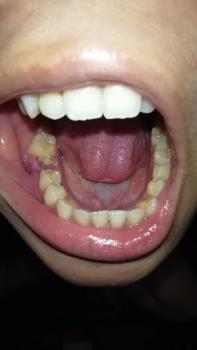
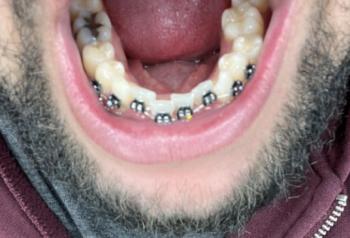
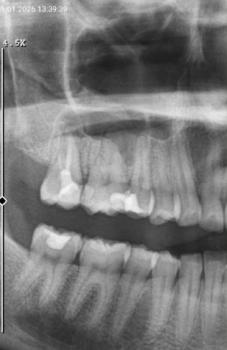
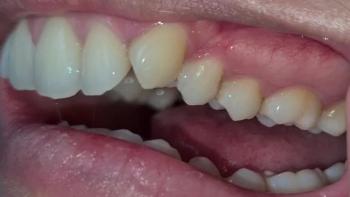
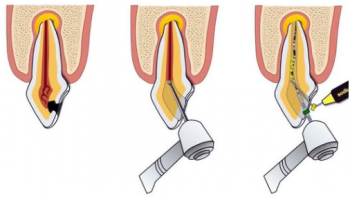
Patients with lower front gum inflammation may also experience tartar buildup, periodontal disease, gum abscesses, or tooth decay. Explore these related clinical case studies.
Other topics:
Other Dental Clinic