Your Smile, Our Passion.

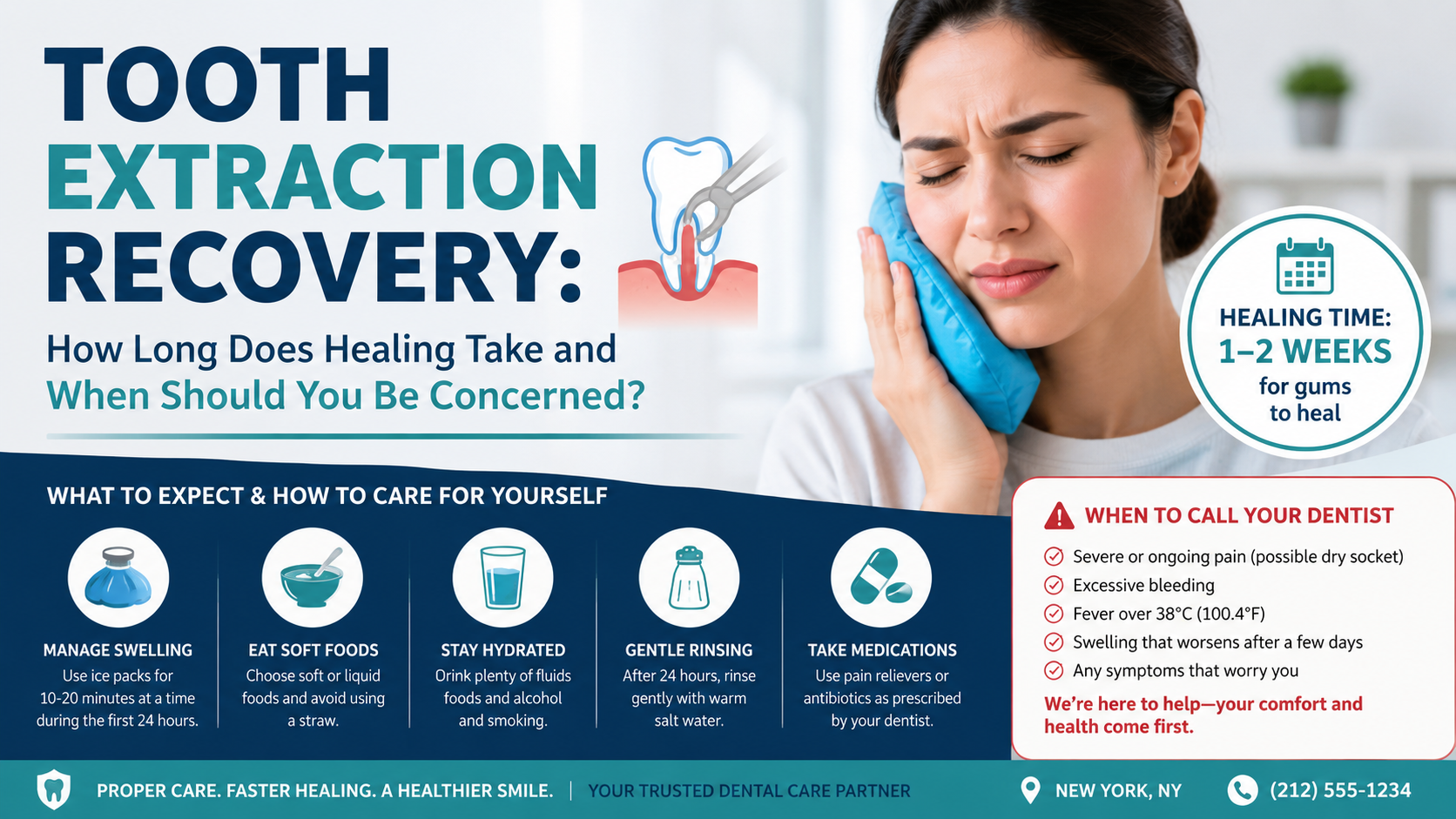
Tooth Extraction Recovery: How Long Does Healing Take and When Should You Be Concerned?
Language :
Topics:
Understanding the Tooth Extraction Healing Process takes time
Having a tooth removed can feel intimidating and feel boring waiting too long and watching in the mirror several times it feels uneasy sever pain, whether it's a severely damaged tooth, a wisdom tooth, or a tooth that must be extracted before dental implant treatment. One of the most common questions patients ask is:
"How long will it take to recover after a tooth extraction?"
The good news is that most tooth extractions heal predictably and successfully when proper aftercare instructions are followed. While everyone heals at a slightly different pace, most patients notice significant improvement within a few days and experience complete gum healing within one to two weeks.
However, understanding what is normal—and what is not—is essential. Knowing the difference between expected healing symptoms and warning signs of complications can help you recover more comfortably and protect your oral health.
Across New York and throughout the United States, dentists and oral surgeons perform millions of tooth extractions every year. Whether your extraction was simple or surgical, understanding the recovery process can help reduce anxiety and ensure the best possible outcome.
Why Tooth Extractions Are Sometimes Necessary
Although modern dentistry focuses on saving natural teeth whenever possible, extraction may be recommended when a tooth cannot be predictably restored.
Common reasons for tooth extraction include:
- Severe tooth decay
- Advanced gum disease
- Cracked or fractured teeth
- Impacted wisdom teeth
- Orthodontic treatment requirements
- Dental infections
- Failed root canal treatment
- Preparation for dental implants
While losing a tooth may seem concerning, modern dentistry offers many replacement options, including bridges, dentures, and dental implants.
The first step, however, is allowing the extraction site to heal properly.
As a dental expert, I know that tooth extractions can feel overwhelming. To make it simple, an extraction is often the best way to stop pain and protect your overall health when a tooth can no longer be saved.
Here is an easy-to-understand breakdown of the common reasons why an extraction might be necessary:
-
Severe Tooth Decay: When a cavity is so deep it has destroyed too much of the tooth structure to support a filling or a crown, removing it prevents the spread of infection.
-
Advanced Gum Disease: When severe infection (periodontitis) destroys the bone and tissues holding your tooth in place, the tooth may become loose and require removal.
-
Cracked or Fractured Teeth: If a crack extends deep below the gum line into the root, the tooth can no longer be repaired and must be removed to prevent chronic pain and infection.
-
Impacted Wisdom Teeth: When there isn't enough room in your mouth for wisdom teeth to grow in properly, they can become "impacted" (stuck), leading to pain, swelling, and damage to neighboring teeth.
-
Orthodontic Treatment Requirements: Sometimes, a dentist needs to create space in a crowded mouth so that other teeth can be straightened effectively with braces or aligners.
-
Dental Infections: If an abscess or severe infection is present that cannot be cleared by antibiotics or a root canal, the tooth must be removed to stop the infection from spreading to your jaw or bloodstream.
-
Failed Root Canal Treatment: If a tooth that previously had a root canal becomes reinfected and cannot be saved again due to cracks or complex anatomy, extraction is often the only remaining option to restore oral health.
-
Preparation for Dental Implants: Sometimes, a damaged or non-restorable tooth must be carefully extracted so that the area can be cleaned and prepared to receive a healthy, long-term dental implant.
A Note on Recovery: Many patience feel tired of waiting due to pain and sudden changes of eating life style. Regardless of why your extraction was needed, remember that your body is designed to heal. For the first 24 hours, the most important rule is to protect the blood clot that forms in the socket—this is the "scab" for your mouth. Avoid rinsing, spitting, or using a straw during this time. If you ever feel your symptoms are getting worse instead of better, do not wait—reach out to your dental professional immediately.
What Happens Immediately After a Tooth Extraction?
The healing process begins the moment your dentist removes the tooth.
After extraction, your body immediately starts repairing the area through a complex series of biological events.
The most important event is the formation of a blood clot inside the socket.
This clot acts as a protective barrier that:
- Stops bleeding
- Protects exposed bone
- Shields nerves
- Creates the foundation for new tissue growth
- Supports future bone healing
Think of the blood clot as nature's bandage.
Protecting this clot is one of the most important things you can do during recovery.
The Stages of Tooth Extraction Healing
First 24 Hours: Blood Clot Formation
The first day is the most critical period.
Immediately after the extraction:
- Mild bleeding is normal
- The extraction site begins clotting
- Swelling may begin developing
- Numbness gradually wears off
- Mild discomfort is expected
Your dentist will typically ask you to bite gently on gauze to help control bleeding.
During this stage, avoid anything that could dislodge the clot.
This includes:
- Smoking
- Drinking through a straw
- Forceful spitting
- Vigorous mouth rinsing
- Intense physical activity
Disrupting the clot can lead to one of the most painful extraction complications known as dry socket.
Days 2–3: Inflammation and Early Repair
During the second and third days, many patients experience:
- Mild swelling
- Jaw stiffness
- Tenderness
- Bruising
- Minor discomfort
These symptoms are usually normal.
In fact, swelling often peaks around 48 to 72 hours after extraction.
This temporary inflammation is part of the body's natural healing response.
Many patients become concerned when swelling increases slightly during this period, but this often represents normal healing rather than infection.
Days 4–7: Tissue Repair Accelerates
By the fourth day, most patients begin noticing improvement.
Typical signs include:
- Reduced swelling
- Less pain
- Improved ability to chew
- Better comfort when speaking
The gums begin closing over the extraction site.
Many patients can gradually resume more normal daily activities during this period.
Weeks 1–2: Gum Healing
Most soft tissue healing occurs during the first one to two weeks.
By this stage:
- The extraction site becomes smaller
- Pain is usually minimal
- Swelling largely disappears
- The gums continue closing
Many patients feel almost completely normal.
However, deeper healing is still occurring beneath the surface.
Several Months: Bone Regeneration
Although the gums heal relatively quickly, the jawbone requires significantly more time.
Bone remodeling may continue for:
- Three months
- Six months
- Sometimes longer
This is especially important for patients planning future dental implants.
Healthy bone regeneration helps ensure long-term implant success.
Managing Pain and Swelling After Tooth Extraction
Some discomfort is expected following extraction.
Fortunately, several strategies can significantly improve comfort during recovery.
Using Ice Packs Correctly
Ice therapy is one of the most effective ways to control swelling.
Apply an ice pack:
- 10 to 20 minutes on
- 10 to 20 minutes off
- During the first 24 hours
The cold temperature helps:
- Reduce inflammation
- Minimize swelling
- Numb discomfort
- Improve overall comfort
Wrap ice in a towel rather than applying it directly to the skin.
Keep Your Head Elevated
Many patients notice increased swelling when lying flat.
Keeping your head elevated:
- Improves circulation
- Reduces fluid buildup
- Minimizes facial swelling
Using an extra pillow while sleeping can make a noticeable difference during the first few nights.
Take Medications as Directed
Your dentist may recommend:
- Ibuprofen
- Acetaminophen
- Prescription pain medication
- Antibiotics
Always follow instructions carefully.
Do not stop prescribed antibiotics early unless instructed by your dentist.
Completing the full course helps reduce the risk of persistent infection.
Oral Hygiene After Tooth Extraction
Maintaining cleanliness is essential, but the extraction site must be treated gently.
First 24 Hours
Avoid:
- Mouth rinsing
- Vigorous brushing near the site
- Forceful spitting
The goal is protecting the blood clot.
After 24 Hours
Gentle saltwater rinses may begin.
Mix:
- Half a teaspoon of salt
- One glass of lukewarm water
Rinse gently after meals and before bed.
Saltwater helps:
- Reduce bacteria
- Soothe tissues
- Promote healing
Avoid aggressive swishing.
Brushing and Flossing
Continue brushing and flossing other areas of your mouth.
However:
- Avoid direct brushing over the extraction site
- Be gentle around nearby teeth
- Follow your dentist's recommendations
Most patients can gradually resume normal brushing near the area after several days.
Best Foods to Eat After Tooth Extraction
Diet plays an important role in recovery.
Soft foods help minimize irritation and reduce stress on healing tissues.
Good options include:
- Mashed potatoes
- Yogurt
- Applesauce
- Scrambled eggs
- Smooth soups
- Oatmeal
- Cottage cheese
- Protein shakes without a straw
- Soft pasta
Drink plenty of water to stay hydrated.
Foods to Avoid During Recovery
Certain foods can interfere with healing.
Avoid:
- Crunchy chips
- Popcorn
- Nuts
- Hard candy
- Sticky foods
- Spicy foods
- Extremely hot foods
- Seeds
Small food particles can become trapped in the extraction socket and increase irritation.
Understanding Dry Socket
One of the most discussed extraction complications is dry socket.
Dry socket occurs when:
- The blood clot becomes dislodged
- The clot dissolves prematurely
- Bone becomes exposed
This condition is not usually dangerous, but it can be extremely painful.
Symptoms include:
- Severe throbbing pain
- Pain radiating toward the ear
- Bad taste in the mouth
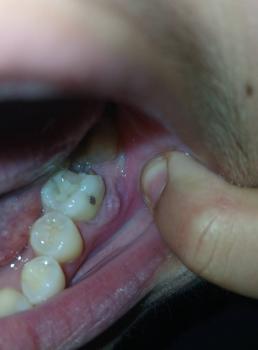
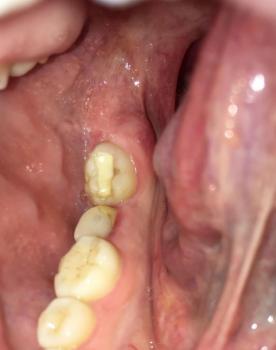
- Visible empty socket
- Persistent discomfort several days after extraction
Dry socket most commonly develops between days 3 and 5 after extraction.
Prompt treatment from your dentist can provide significant relief.
Signs of Infection After Tooth Extraction
While infections are uncommon, they can occur.
Potential warning signs include:
- Fever above 38°C (100.4°F)
- Increasing swelling
- Pus drainage
- Persistent bad taste
- Severe pain
- Swollen lymph nodes
- Difficulty swallowing
If you experience these symptoms, contact your dentist immediately.
Early intervention can prevent more serious complications.
Case Study: Sarah's Recovery After a Difficult Extraction
Sarah, a 42-year-old marketing executive from New York, required extraction of a severely fractured molar.
Following the procedure, she experienced swelling and moderate discomfort during the first two days.
By day three, she became concerned because her cheek appeared larger than expected.
After contacting her dentist, she learned that her swelling pattern was consistent with normal healing.
She continued:
- Ice therapy
- Saltwater rinses
- Soft-food diet
- Prescribed medications
By the end of the first week, the swelling had nearly disappeared.
Two weeks later, her gums had healed beautifully and she began planning for a dental implant.
Sarah's experience illustrates an important lesson:
Not every symptom indicates a complication. Understanding the normal healing timeline often helps patients avoid unnecessary worry.
When Should You Contact Your Dentist?
While mild discomfort is expected, certain symptoms require professional evaluation.
Contact your dentist if you experience:
- Severe ongoing pain
- Excessive bleeding
- Fever
- Pus drainage
- Worsening swelling
- Difficulty swallowing
- Difficulty breathing
- Signs of dry socket
- Symptoms that worsen rather than improve
Prompt care can prevent complications and support a smoother recovery.
Looking Ahead: Replacing a Missing Tooth
After healing, many patients choose to replace the extracted tooth.
Options may include:
- Dental implants
- Dental bridges
- Partial dentures
Among these choices, dental implants are often considered the most natural and long-lasting solution because they replace both the tooth root and crown.
Your dentist can help determine the most appropriate treatment based on your oral health, bone condition, and long-term goals.
Final Thoughts
Recovering from a tooth extraction is usually straightforward when proper aftercare instructions are followed. Most patients experience gum healing within one to two weeks, although complete bone healing may take several months.
During recovery, mild pain, swelling, and slight bleeding are normal. Protecting the blood clot, maintaining good oral hygiene, eating soft foods, and following your dentist's instructions are the keys to successful healing.
If symptoms improve steadily, your recovery is likely progressing normally. However, severe pain, fever, excessive bleeding, worsening swelling, or signs of infection should never be ignored.
If you recently had a tooth extraction and have concerns about your healing progress, schedule an evaluation with an experienced dentist or oral surgeon. Early assessment can provide peace of mind, identify potential complications, and help ensure a healthy recovery and long-term oral health.
Can tooth extraction cause infection? Mild inflammation is normal, but increasing swelling, fever, or severe pain may indicate infection. Learn more about post-extraction infection warning signs in this detailed guide.
Book a consultation with our Cebu dental specialists for proper evaluation and care.
Ready to get expert guidance?
If you’re experiencing severe pain or delayed healing, book a consultation with our Cebu dental specialists to get proper evaluation and care.
Consultation or contact page .
Book a Consultation
For severe discomfort or delayed healing, book a consultation with our Cebu dental specialists today.
Looking for a dentist? Browse our Cebu dental directory to find trusted clinics near you.
Medical Review and Clinical Basis
This article is based on clinical dental guidelines and real patient recovery patterns observed after tooth extraction procedures. The information reflects common post-extraction healing stages, including normal clot formation, gum tissue repair, and signs of possible complications such as dry socket or infection.
While mild discomfort is expected after a dental extraction, worsening pain after Day 3, bad odor, exposed bone, or spreading pain may require professional evaluation. These symptoms are consistent with known post-extraction complications described in standard dental practice.
About Cebu Dental Implants
Cebu Dental Implants provides comprehensive tooth extraction, surgical procedures, and dental implant services in the Philippines. Our team evaluates post-extraction healing, manages complications such as dry socket, and advises patients on proper aftercare to prevent infection and delayed healing.
If you experience severe pain or unusual symptoms after extraction, early professional assessment is recommended to prevent further complications.
Important Medical Disclaimer
This content is for educational purposes only and does not replace professional dental diagnosis. Every patient heals differently. If symptoms worsen or do not improve within a few days, consult a licensed dentist for proper evaluation and treatment.
Author
This article was prepared by the Cebu Dental Implants content team in consultation with licensed dental professionals experienced in tooth extraction and implant procedures.
Video:
Related Clinical Cases
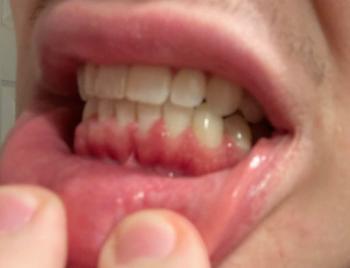
Patients with lower front gum inflammation may also experience tartar buildup, periodontal disease, gum abscesses, or tooth decay. Explore these related clinical case studies.