Your Smile, Our Passion.

Severe Yellow Teeth: Causes, Treatments, and When to See a Dentist
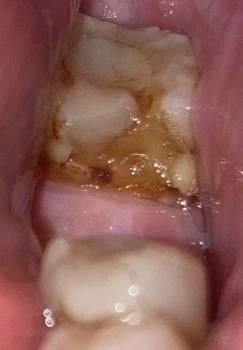
Image:
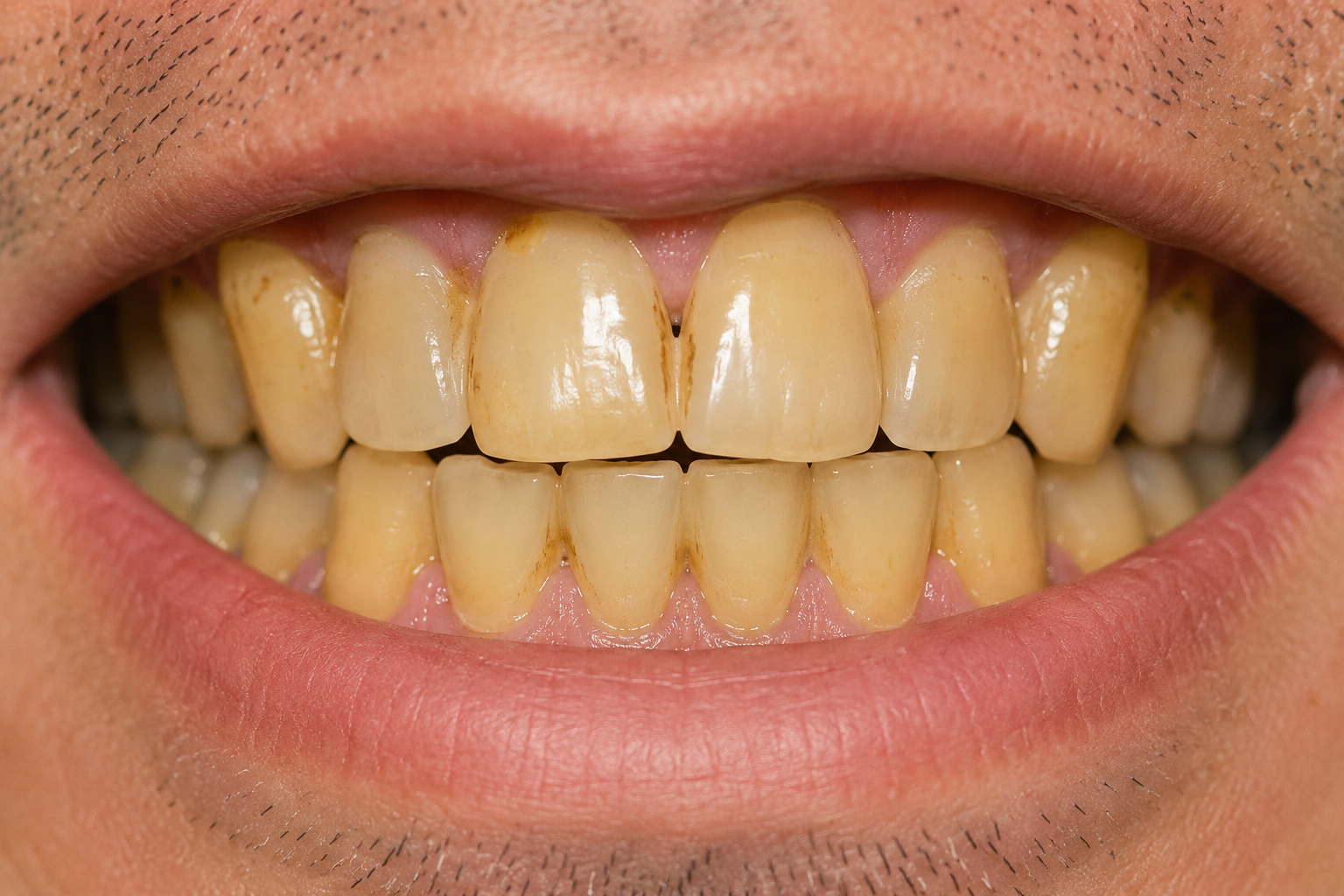
Severity:
Teeth Problems:
The True Culprits Behind Yellow Teeth: A USA Dentist Explains the Real Causes, Best Treatments, and When Tooth Discoloration Is a Medical Warning Sign
Reviewed from the perspective of U.S. cosmetic and restorative dentistry practices
A bright smile is often associated with confidence and good oral health, yet millions of Americans are concerned about yellow or stained teeth. According to national surveys, tooth discoloration is one of the leading reasons patients seek cosmetic dental treatment in the United States. While many assume yellow teeth simply mean poor brushing habits, the reality is far more complex.
Some discoloration develops from years of coffee, tea, tobacco, or red wine consumption. Other cases occur because the protective enamel gradually becomes thinner with age, exposing the naturally yellow dentin underneath. In certain situations, discoloration may even be the first visible sign of an injured or infected tooth that requires immediate dental attention.
This clinical case illustrates why identifying the true cause of yellow teeth is the first step toward choosing the right treatment.
Case Study: Marcus's Smile Transformation
Patient: Marcus, 34 years old
Location: New York City
Marcus worked as a sales executive and frequently met clients throughout the day. Although he brushed twice daily, he noticed his smile becoming increasingly yellow over several years.
Concerned about his appearance, he purchased multiple over-the-counter whitening products, including whitening strips, charcoal toothpaste, whitening pens, and LED blue-light kits. Despite spending several hundred dollars, the improvement was minimal.
Even worse, his teeth became extremely sensitive whenever he drank cold water or hot coffee.
Eventually, Marcus scheduled an appointment with a cosmetic dentist.
Clinical Examination
A comprehensive examination included:
-
Professional digital photographs
-
Tooth shade analysis
-
Bite evaluation
-
Enamel thickness assessment
-
Examination for tooth wear
-
Oral cancer screening
-
Gum health evaluation
The examination revealed that Marcus actually had two separate causes of tooth discoloration.
Diagnosis 1: Extrinsic Staining
Surface stains caused by:
-
Daily espresso
-
Red wine
-
Tea
-
Plaque accumulation
These stains were located primarily on the enamel surface.
Diagnosis 2: Intrinsic Yellowing
Marcus also showed significant enamel wear.
Years of aggressive brushing with abrasive charcoal toothpaste combined with nighttime teeth grinding (bruxism) had gradually worn away portions of his enamel.
As enamel became thinner, the naturally yellow dentin underneath became increasingly visible.
This explained why whitening strips produced disappointing results.
Understanding the Two Types of Yellow Teeth
Extrinsic Stains
Extrinsic stains affect the outer enamel surface.
Common causes include:
-
Coffee
-
Espresso
-
Tea
-
Red wine
-
Cola beverages
-
Soy sauce
-
Curry
-
Tobacco
-
Cigarettes
-
Vaping products containing nicotine
-
Poor oral hygiene
-
Plaque buildup
-
Tartar (calculus)
Fortunately, these stains usually respond well to professional cleaning and whitening.
Intrinsic Discoloration
Intrinsic discoloration develops inside the tooth.
Because the discoloration lies beneath the enamel, ordinary whitening toothpaste cannot remove it.
Common causes include:
Natural Aging
As people age, enamel gradually becomes thinner.
The yellow dentin underneath becomes more visible.
Genetics
Some individuals naturally have:
-
Thinner enamel
-
Darker dentin
-
More translucent enamel
These inherited characteristics influence tooth color.
Childhood Medications
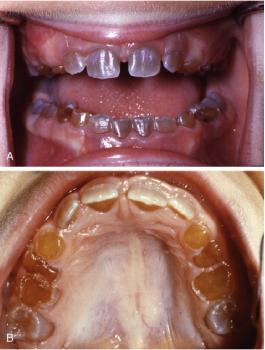
Certain antibiotics, especially tetracycline taken during tooth development, may permanently discolor developing teeth.
Dental Fluorosis
Excess fluoride during childhood tooth formation can produce white, yellow, or brown enamel changes.
Dental Trauma
A blow to the tooth may damage the internal pulp.
Months later, the tooth may slowly darken or become yellow because the nerve is no longer healthy.
Why Charcoal Toothpaste Can Sometimes Make Teeth Look More Yellow
Many patients assume charcoal toothpaste whitens teeth because it removes surface stains.
However, many charcoal products are more abrasive than standard fluoride toothpaste.
Repeated aggressive brushing may gradually wear away enamel.
As enamel becomes thinner, more yellow dentin becomes visible.
For patients with enamel erosion or tooth sensitivity, a dentist may recommend using a low-abrasion fluoride toothpaste instead.
Professional Cosmetic Treatment Options
Treatment depends entirely on the underlying diagnosis.
Professional Dental Cleaning
If plaque and tartar are causing discoloration, a professional cleaning is often the first step.
Many patients notice immediate improvement after calculus and stain removal.
In-Office Professional Whitening
Professional whitening systems use high-concentration hydrogen peroxide gels under careful supervision.
Many patients experience noticeable whitening after a single visit, although results vary depending on the type and severity of discoloration.
This option works best for extrinsic staining.
Custom Take-Home Whitening Trays
Many cosmetic dentists recommend professionally fabricated whitening trays because they:
-
Fit precisely
-
Distribute whitening gel evenly
-
Reduce gum irritation
-
Allow gradual whitening over several weeks
For many patients, this approach provides excellent long-term results with less sensitivity than repeated use of over-the-counter products.
Porcelain Veneers
When discoloration is caused by severe intrinsic staining, fluorosis, tetracycline discoloration, or extensive enamel loss, whitening alone may not produce the desired result.
Porcelain veneers can restore both color and shape while maintaining a natural appearance.
Modern veneers are designed to mimic real teeth by reproducing subtle translucency, color variation, and surface texture rather than an unnaturally bright, uniform white.
Why Natural-Looking Smiles Are the New Standard
Today's cosmetic dentistry focuses on creating smiles that look healthy rather than artificially white.
High-quality restorations often include:
-
Gradual color transitions
-
Natural translucency near the biting edges
-
Fine surface texture that reflects light realistically
-
Individualized shading that complements the patient's facial features and skin tone
The goal is a smile that blends naturally with the surrounding teeth.
Can Yellow Teeth Be Prevented?
Many cases can be minimized by:
-
Brushing twice daily with fluoride toothpaste
-
Flossing every day
-
Limiting coffee, tea, red wine, and tobacco
-
Drinking water after consuming staining beverages
-
Scheduling routine professional dental cleanings
-
Wearing a night guard if you grind your teeth
-
Visiting your dentist regularly for preventive care
Warning Signs That Require Immediate Dental Evaluation
Most yellow teeth are cosmetic concerns.
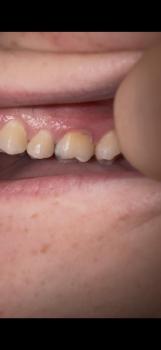
However, a single tooth that suddenly turns yellow, gray, or dark may indicate internal pulp damage or infection.
Seek prompt dental care if you notice:
-
One tooth becoming significantly darker than neighboring teeth
-
Persistent tooth pain
-
Swelling around the gums
-
A pimple-like bump on the gum
-
Sensitivity that continues after the source is removed
Early treatment may allow the tooth to be preserved with root canal therapy or other restorative procedures.
Medical Emergency Warning Signs
A dental infection can occasionally spread beyond the tooth into the soft tissues of the face and neck.
Go to the nearest hospital emergency department immediately if tooth discoloration or a dental infection is accompanied by:
-
Difficulty breathing
-
Difficulty swallowing
-
Rapidly spreading facial or neck swelling
-
Fever with chills
-
Severe fatigue
-
Confusion or altered mental status
-
Swelling extending toward the eye or down the neck
These symptoms may indicate a serious infection that requires urgent medical treatment.
Final Thoughts
Yellow teeth are not always the result of poor oral hygiene. They may reflect years of everyday habits, natural aging, inherited enamel characteristics, or underlying dental conditions that require professional diagnosis.
The most effective treatment begins with identifying whether the discoloration is extrinsic, intrinsic, or associated with disease. While professional whitening can dramatically improve many smiles, other patients may benefit from preventive care, restorative treatment, or cosmetic procedures such as veneers.
If your teeth have become progressively yellow—or if a single tooth changes color unexpectedly—schedule an examination with your dentist. Early diagnosis not only improves cosmetic outcomes but can also help prevent more serious oral health complications.
Youtube:
Related Clinical Cases
Patients with lower front gum inflammation may also experience tartar buildup, periodontal disease, gum abscesses, or tooth decay. Explore these related clinical case studies.



Other topics:
Other Dental Clinic