Modern Dentistry, Timeless Smiles.

Swelling After Tooth Removal: When Is It Dangerous?
Language :
Topics:
Swelling after a tooth extraction is completely normal, especially within the first few days. However, many patients worry when swelling increases or lasts longer than expected. Knowing what is normal—and what could signal a problem—helps you recover safely and avoid complications.
Why Swelling Happens After Tooth Extraction
Swelling is part of your body’s natural healing response. When a tooth is removed, the surrounding tissues become inflamed as blood flow increases to repair the area.
Common causes include:
- Tissue trauma during extraction
- Body’s immune response
- Minor bleeding under the gums
This type of swelling is expected and usually temporary.
Normal Swelling Timeline
Here’s what most patients experience:
If your swelling follows this pattern, your healing is likely on track.
When Swelling Becomes Dangerous
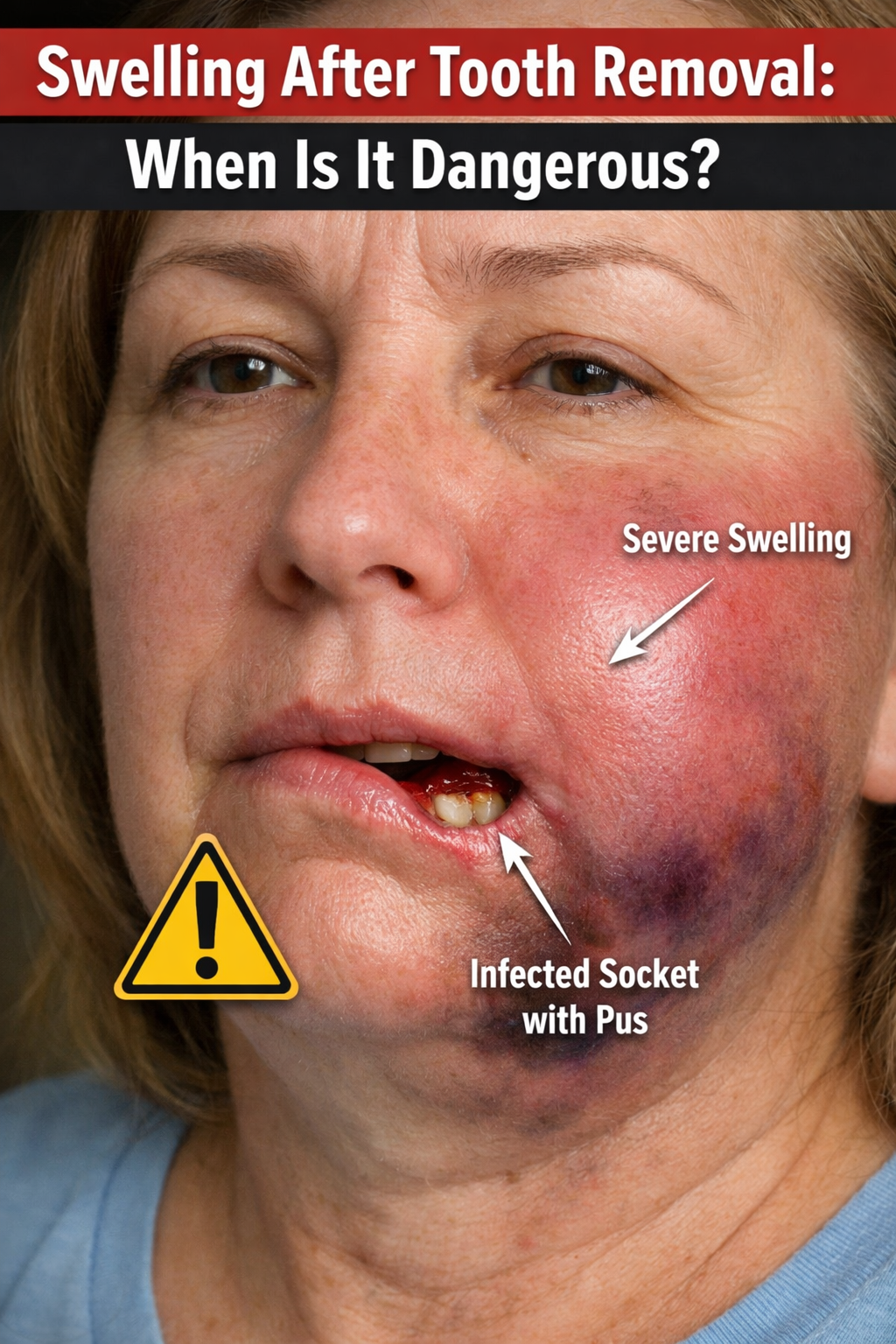
Swelling may be a warning sign if it worsens instead of improving.
Watch out for these symptoms:
- Severe or increasing swelling after Day 3
- Fever or chills
- Difficulty opening your mouth
- Trouble swallowing or breathing
- Pus or bad taste in the mouth
These signs may indicate infection or complications such as Dental Abscess or Dry Socket.
How to Reduce Swelling Faster
If you want faster healing, follow these proven tips:
- Apply ice packs (first 24 hours only)
- Switch to warm compress after Day 2
- Keep your head elevated when resting
- Avoid hard or hot foods
- Stay hydrated
Proper care can significantly reduce swelling and speed recovery.
Common Mistakes That Make Swelling Worse
Avoid these common errors:
- Smoking too soon after extraction
- Using a straw (can dislodge clot)
- Touching the wound with fingers or tongue
- Skipping prescribed medications
These can delay healing and increase the risk of Dry Socket.
When to See a Dentist Immediately
Contact your dentist right away if:
- Swelling spreads to the eye or neck
- Pain becomes severe and constant
- You develop fever or pus
- Swelling does not improve after 5–7 days
Early treatment can prevent serious complications.
Conclusion
Swelling after tooth removal is normal and part of the healing process. It typically peaks around Day 2–3 and improves within a week. However, if swelling worsens, spreads, or comes with fever or severe pain, it may signal infection.
Understanding the difference between normal and dangerous swelling helps you take action early and recover safely.
FAQ
Is swelling normal after tooth extraction?
Yes, swelling is normal and usually peaks within 2–3 days.
How long does swelling last?
Most swelling goes down within 3–5 days and resolves within a week.
Can swelling be a sign of infection?
Yes, especially if it worsens after Day 3 or comes with fever or pus.
What helps reduce swelling fast?
Ice packs, proper rest, hydration, and following aftercare instructions.
Related Topics
- Tooth Extraction Healing Stages Day by Day
- Severe Pain 3 Days After Tooth Extraction – Is It Normal?
- Dry Socket Symptoms: 7 Warning Signs You Should Not Ignore
Can tooth extraction cause infection? Mild inflammation is normal, but increasing swelling, fever, or severe pain may indicate infection. Learn more about post-extraction infection warning signs in this detailed guide.
Is Your Face Swelling After Tooth Removal?
Are you noticing your cheek getting bigger each day?
Does the swelling feel tight, painful, or warm?
Mild swelling is normal after tooth removal — but not all swelling is safe.
Ask yourself:
- Is the swelling getting worse instead of better?
- Is there throbbing pain or pus?
- Do you feel fever or difficulty opening your mouth?
If yes, your body may be signaling infection or complication.
How Many Days Should You Endure the Swelling?
Here’s what you need to know:
- Day 1–2: Swelling begins (normal)
- Day 2–3: Peak swelling (still normal)
- Day 4+: Should start going down
Danger sign:
If swelling lasts more than 4–5 days or worsens, this is NOT normal anymore.
Waiting too long can lead to:
- Infection spreading
- Abscess formation
- Severe pain and delayed healing
Why Are You Delaying Your Visit to the Clinic?
Be honest — what’s stopping you?
- “It might go away on its own…”
- “I’m too busy…”
- “I’m afraid of the dentist…”
Here’s the reality:
Delaying treatment often makes it worse — and more expensive.
What starts as simple swelling can turn into:
- Serious infection
- Emergency dental surgery
- Hospital-level complications
When Should You Visit Immediately?
Do NOT wait if you experience:
- Swelling spreading to the eye or neck
- Fever or chills
- Difficulty swallowing or breathing
- Severe, worsening pain
These are urgent warning signs.
Expert Advice
Early treatment is always:
- Less painful
- Faster healing
- More affordable
A quick dental check can prevent major complications.
Take Action Now
If your swelling feels unusual or lasts longer than expected,
don’t gamble with your health.
Visit a trusted dental clinic and get professional evaluation.
Book a consultation with our Cebu dental specialists for proper evaluation and care.
Ready to get expert guidance?
If you’re experiencing severe pain or delayed healing, book a consultation with our Cebu dental specialists to get proper evaluation and care.
Consultation or contact page .
Book a Consultation
For severe discomfort or delayed healing, book a consultation with our Cebu dental specialists today.
Looking for a dentist? Browse our Cebu dental directory to find trusted clinics near you.
Medical Review and Clinical Basis
This article is based on clinical dental guidelines and real patient recovery patterns observed after tooth extraction procedures. The information reflects common post-extraction healing stages, including normal clot formation, gum tissue repair, and signs of possible complications such as dry socket or infection.
While mild discomfort is expected after a dental extraction, worsening pain after Day 3, bad odor, exposed bone, or spreading pain may require professional evaluation. These symptoms are consistent with known post-extraction complications described in standard dental practice.
About Cebu Dental Implants
Cebu Dental Implants provides comprehensive tooth extraction, surgical procedures, and dental implant services in the Philippines. Our team evaluates post-extraction healing, manages complications such as dry socket, and advises patients on proper aftercare to prevent infection and delayed healing.
If you experience severe pain or unusual symptoms after extraction, early professional assessment is recommended to prevent further complications.
Important Medical Disclaimer
This content is for educational purposes only and does not replace professional dental diagnosis. Every patient heals differently. If symptoms worsen or do not improve within a few days, consult a licensed dentist for proper evaluation and treatment.
Author
This article was prepared by the Cebu Dental Implants content team in consultation with licensed dental professionals experienced in tooth extraction and implant procedures.
Video:
Related Clinical Cases
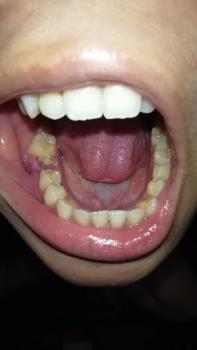
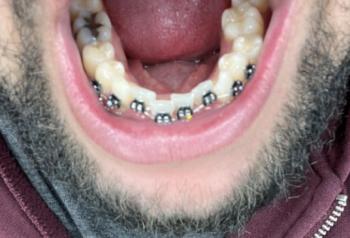
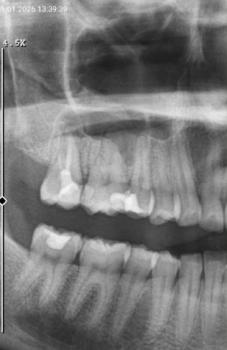
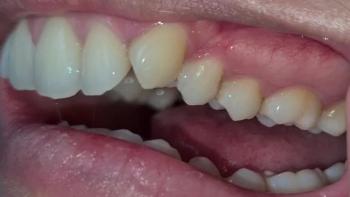
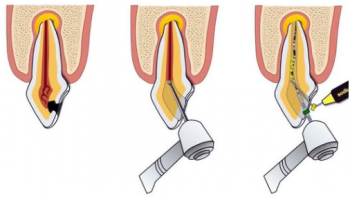
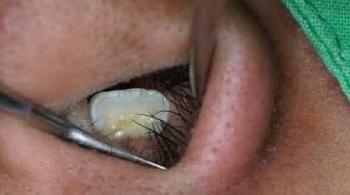
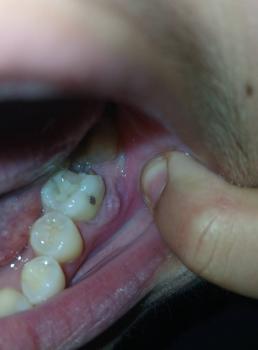
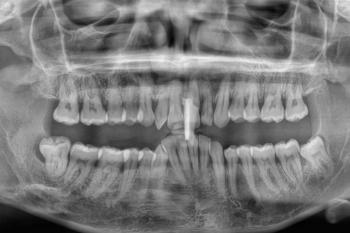
Patients with lower front gum inflammation may also experience tartar buildup, periodontal disease, gum abscesses, or tooth decay. Explore these related clinical case studies.
Other topics:
Other Dental Clinic