Abscess

Periodontal Abscess (Gum Abscess): Symptoms, Pictures, Causes, Treatment, Recovery, and When to Seek Emergency Care

Topics: 

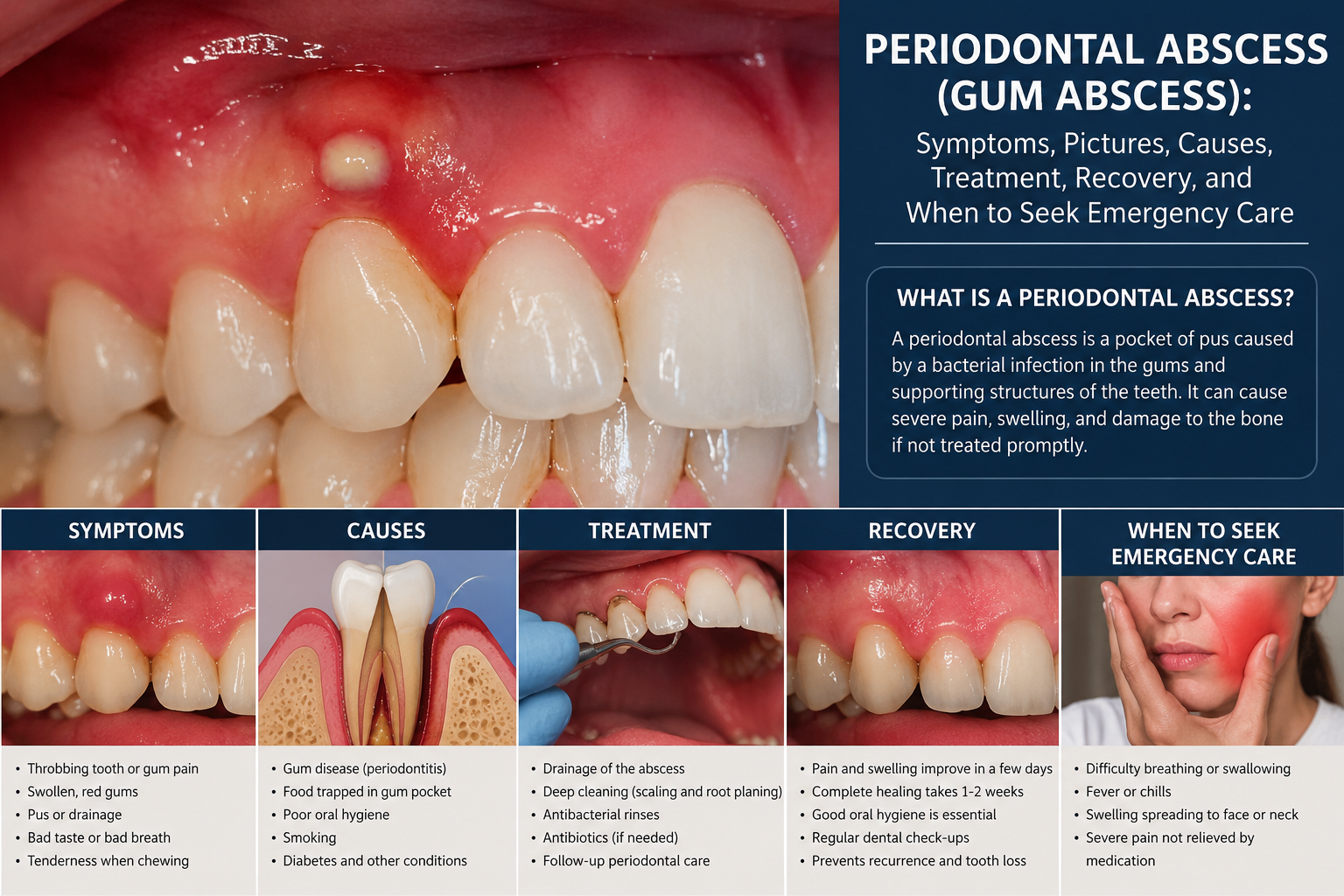
Periodontal abscesses are among the most common dental emergencies seen in the United States. They often develop suddenly, causing severe pain, facial swelling, difficulty chewing, and significant anxiety. Although many patients assume the problem is "just a swollen gum," a periodontal abscess represents an active bacterial infection that is destroying the supporting tissues of the tooth. Without prompt professional treatment, the infection may lead to irreversible bone loss, tooth loss, or, in rare but serious cases, spread into the facial spaces, neck, or bloodstream.

Dental Abscess Still Swollen After Antibiotics? Expert Dentist Explains When Drainage Is Needed

Real Dental Abscess Case: Swollen Gum With Minimal Improvement After 3 Days

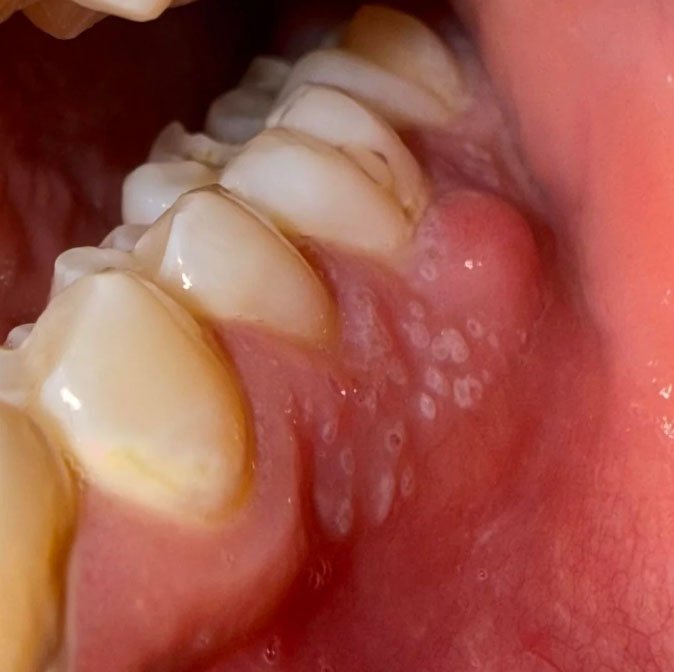
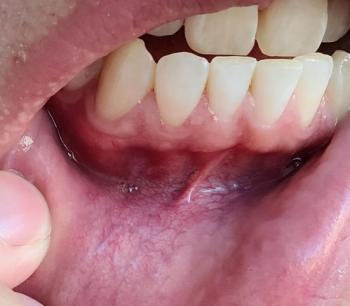
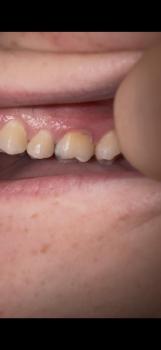
Karl noticed something unusual developing in his lower gum area. The swelling became red, enlarged, and painful. The gum looked like it was “swallowing” part of the tooth area, a common description patients use when pressure builds from a dental abscess.

He immediately visited a dental clinic.

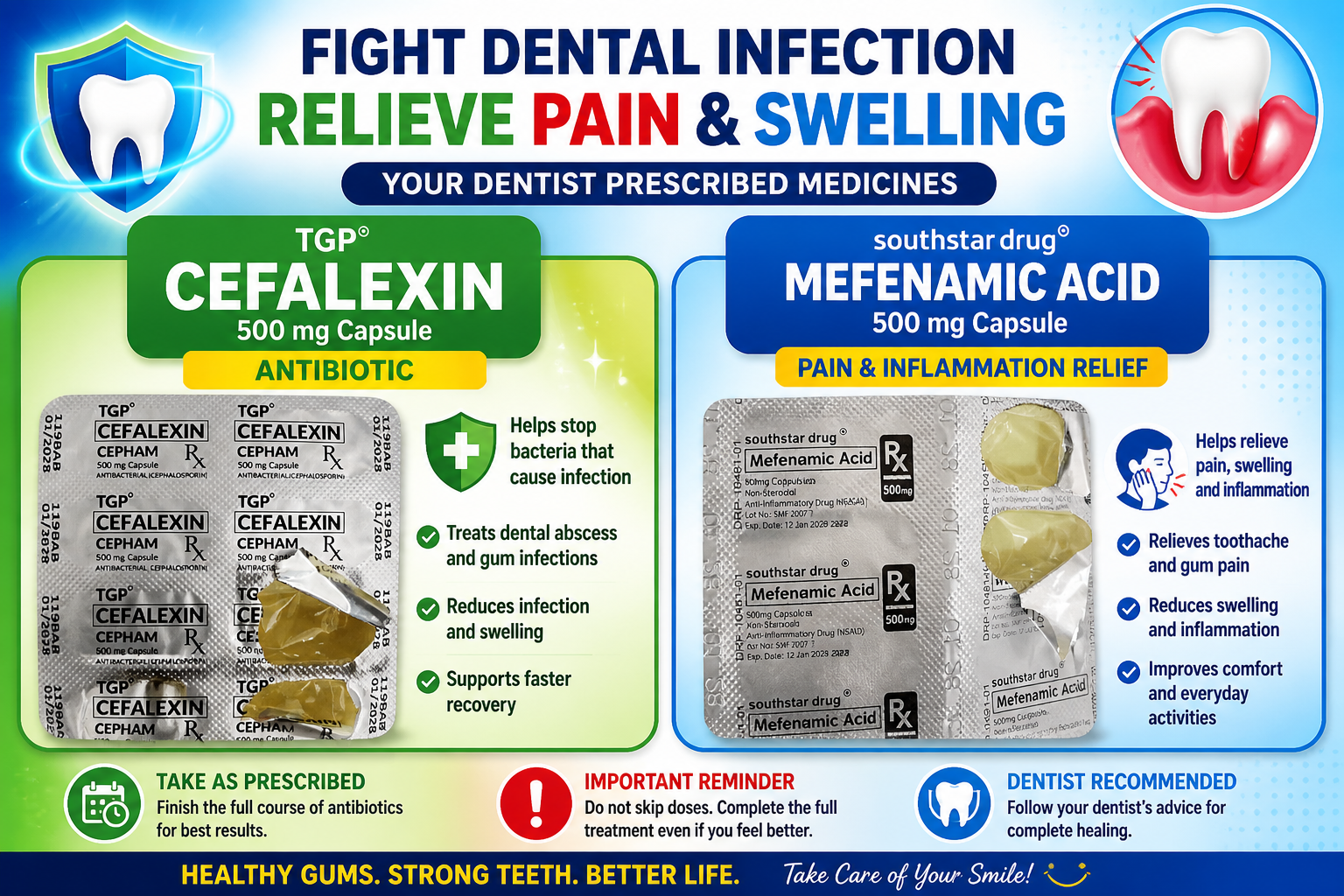
The dental assistant advised him to take:

Dental Abscess Treatment: Symptoms, Swelling, Antibiotics, and Recovery Guide

Severity: 

The case of the teeth with red area on the lower gum that is consistent with a dental abscess or localized gum infection. The medications shown are:

  • Cefalexin 500 mg — antibiotic
  • Mefenamic Acid 500 mg — pain and inflammation relief

These are commonly prescribed for dental infections and swelling.

What Usually Causes a Dental Abscess

A dental abscess is commonly caused by:

Full Mouth Dental Infection Seen on Panoramic X-Ray - Case Analysis

Severity: 
Teeth Problems: 

Dental Case Analysis – Full Mouth Panoramic X-Ray With Multiple Infection Sites

Case Overview

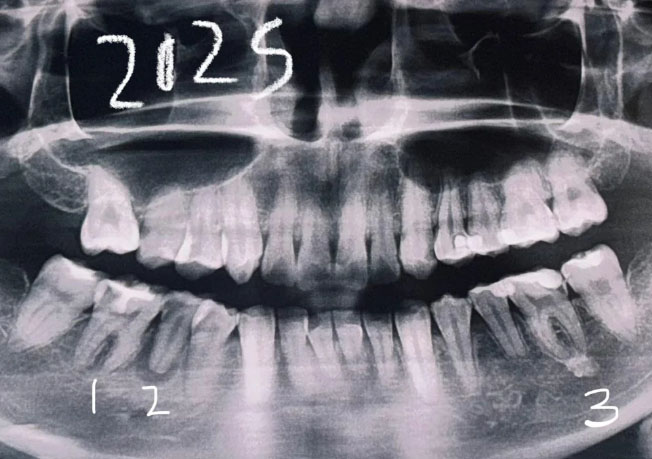
This panoramic dental X-ray shows a full-mouth view of the maxilla and mandible. Several teeth demonstrate radiographic signs of infection, bone loss, and previous dental treatment. The findings suggest chronic, multi-site dental pathology rather than a single isolated issue.

Multiple Decayed Lower Molars With Abscess Risk

Severity: 

Multiple Decayed Lower Molars With High Risk of Abscess Case Analysis

What Is Seen in This Case

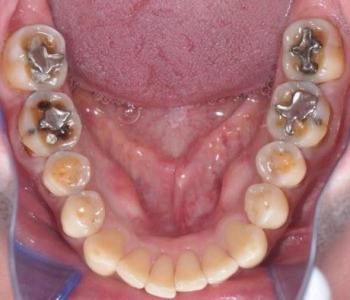
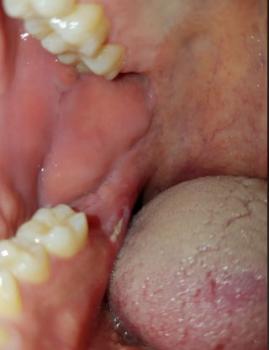
The image shows the lower jaw (mandible) with multiple back molars affected by visible decay. On both the left and right sides, at least one molar shows brown cavitated lesions, indicating advanced tooth decay. The surrounding gum tissue appears slightly irritated, and the floor of the mouth is clearly visible.

This pattern suggests bilateral molar decay, which increases the overall infection risk.

Pages