Strong Teeth, Fresh Breath, Brighter You.

White Stuff in Your Tooth Extraction Socket After 2 Days? Here's What It Usually Means
Language :
Topics:
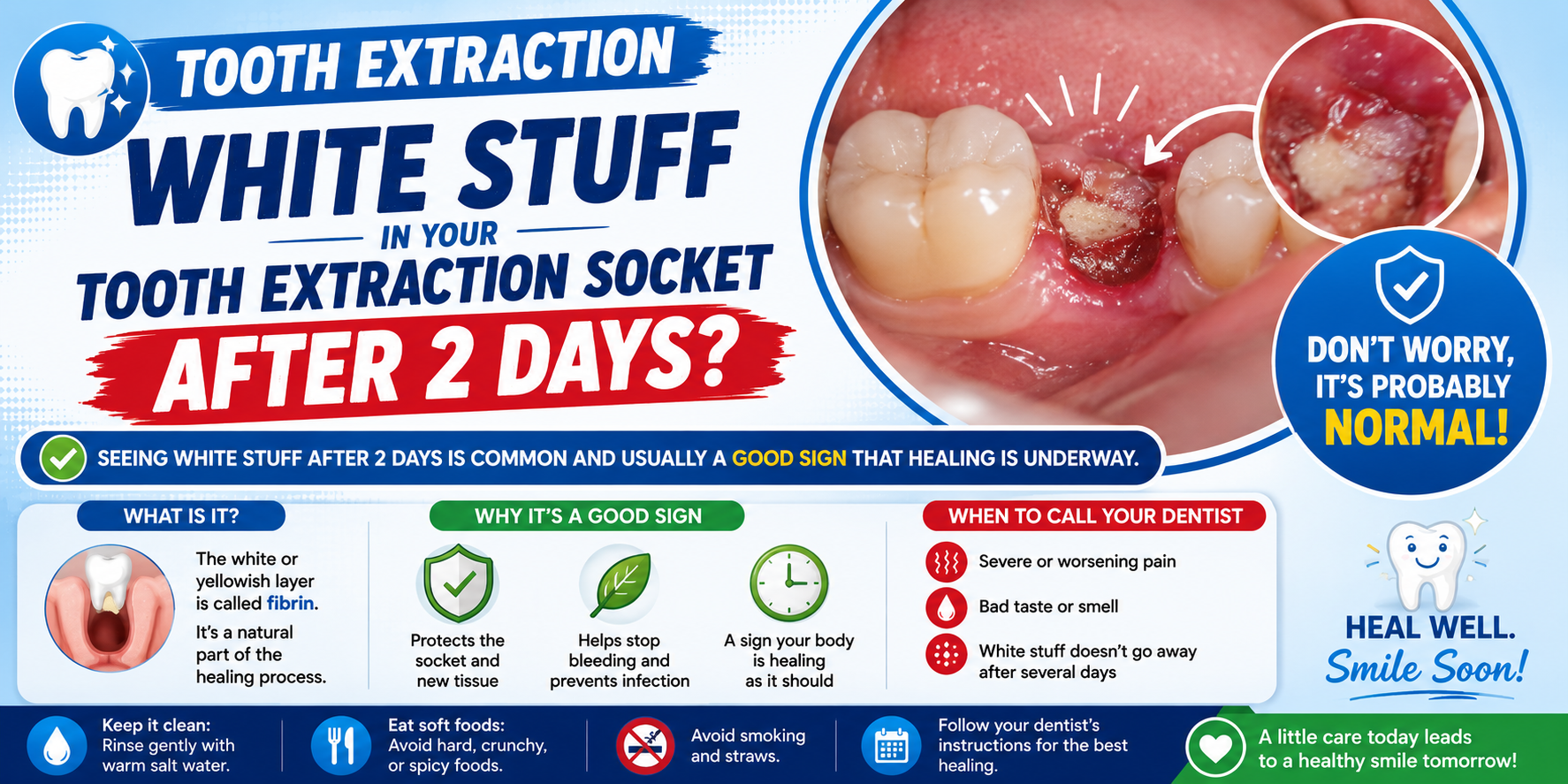
Seeing white or cream-colored tissue in your extraction site two days after having a tooth removed can be alarming. One of the most common questions patients ask is, "Is this an infection?" Fortunately, in most cases, the answer is no.
As dentists, we see this concern almost every day after extractions. In fact, patients often mistake normal healing tissue for something gone wrong. Most of the time, the white material is actually a healthy sign that your body is repairing the extraction site exactly as it should.
What Is the White Stuff?
The most common cause is granulation tissue—a fragile healing tissue made up of new blood vessels, collagen, and immune cells. It acts as a natural scaffold for new gum tissue and bone formation.
Patients frequently describe it as:
- White
- Cream-colored
- Pale yellow
- Soft or slightly fibrous-looking
Another possibility is fibrin, a protein involved in blood clotting and wound healing. Fibrin often creates a white or grayish layer over the socket and is completely normal during the early stages of recovery.
Occasionally, food particles can become trapped in the extraction site and resemble white tissue. This is especially common after eating rice, bread, pasta, or dairy products.
What Dentists Commonly Observe During Healing
In daily practice, we often see patients return worried because they expected the extraction site to look like healthy pink gum immediately. Instead, the socket usually goes through several color changes during healing.
A typical healthy healing socket may appear:
- Dark red on Day 1 due to the blood clot
- White, cream, or yellowish between Days 2–7
- Pinker over the following weeks as gum tissue closes
Many patients assume white tissue means infection, but true infections usually involve additional symptoms such as increasing pain, swelling, foul drainage, or fever.
Common Mistakes Patients Make
Some of the most frequent problems dentists encounter after extractions include:
Poking the Socket
Patients often use their tongue, fingers, toothpicks, or cotton swabs to investigate the area. This can disrupt fragile healing tissue and delay recovery.
Over-Rinsing
Many people rinse aggressively because they believe they need to "clean out" the socket. Forceful swishing can dislodge the clot and increase the risk of dry socket.
Mistaking Normal Healing for Infection
Patients sometimes start self-diagnosing based on online photos. Healthy granulation tissue and fibrin can look surprisingly unusual but are often signs of normal healing.
Ignoring Worsening Symptoms
While mild discomfort is expected, worsening pain after the third day deserves attention and should not be dismissed.
When Should You Call Your Dentist?
Contact your dental office if you experience:
- Severe or increasing pain after Day 3
- Pain radiating to the ear, jaw, or temple
- Thick white or yellow pus
- Bad taste or foul odor coming from the socket
- Fever above 38°C (100.4°F)
- Swelling that continues to worsen after the first few days
- Persistent bleeding that does not stop with gentle pressure
These symptoms may indicate dry socket or infection and should be evaluated promptly.
Practical Healing Tips
To support normal recovery:
✓ Leave the healing tissue alone
✓ Follow your dentist's post-operative instructions
✓ Use gentle saltwater rinses if recommended
✓ Stay hydrated
✓ Eat soft foods during the first few days
✓ Avoid smoking, vaping, and drinking through straws
The Bottom Line
From a dentist's perspective, seeing white tissue in an extraction socket two days after surgery is usually a positive sign of healing rather than a reason for concern. Granulation tissue and fibrin are normal parts of the recovery process and are commonly mistaken for infection.
If the area is becoming less painful each day and you are not experiencing fever, worsening swelling, or foul-smelling discharge, your extraction site is likely healing normally. When in doubt, however, a quick call to your dentist can provide reassurance and help identify any potential complications early.
Can tooth extraction cause infection? Mild inflammation is normal, but increasing swelling, fever, or severe pain may indicate infection. Learn more about post-extraction infection warning signs in this detailed guide.
Book a consultation with our Cebu dental specialists for proper evaluation and care.
Ready to get expert guidance?
If you’re experiencing severe pain or delayed healing, book a consultation with our Cebu dental specialists to get proper evaluation and care.
Consultation or contact page .
Book a Consultation
For severe discomfort or delayed healing, book a consultation with our Cebu dental specialists today.
Looking for a dentist? Browse our Cebu dental directory to find trusted clinics near you.
Medical Review and Clinical Basis
This article is based on clinical dental guidelines and real patient recovery patterns observed after tooth extraction procedures. The information reflects common post-extraction healing stages, including normal clot formation, gum tissue repair, and signs of possible complications such as dry socket or infection.
While mild discomfort is expected after a dental extraction, worsening pain after Day 3, bad odor, exposed bone, or spreading pain may require professional evaluation. These symptoms are consistent with known post-extraction complications described in standard dental practice.
About Cebu Dental Implants
Cebu Dental Implants provides comprehensive tooth extraction, surgical procedures, and dental implant services in the Philippines. Our team evaluates post-extraction healing, manages complications such as dry socket, and advises patients on proper aftercare to prevent infection and delayed healing.
If you experience severe pain or unusual symptoms after extraction, early professional assessment is recommended to prevent further complications.
Important Medical Disclaimer
This content is for educational purposes only and does not replace professional dental diagnosis. Every patient heals differently. If symptoms worsen or do not improve within a few days, consult a licensed dentist for proper evaluation and treatment.
Author
This article was prepared by the Cebu Dental Implants content team in consultation with licensed dental professionals experienced in tooth extraction and implant procedures.
Related Clinical Cases
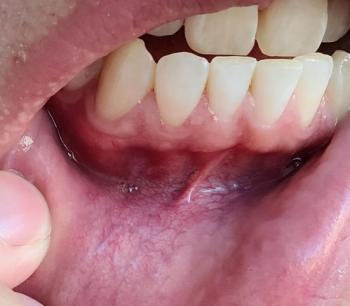
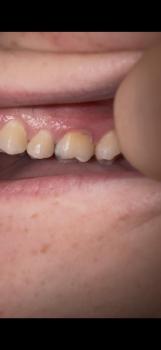
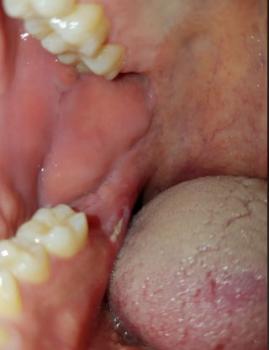
Patients with lower front gum inflammation may also experience tartar buildup, periodontal disease, gum abscesses, or tooth decay. Explore these related clinical case studies.

Other topics:
Other Dental Clinic