Where Bright Smiles Begin.

Affordable Dental Insurance for Implants in the USA (2026 Expert Guide)
Language :
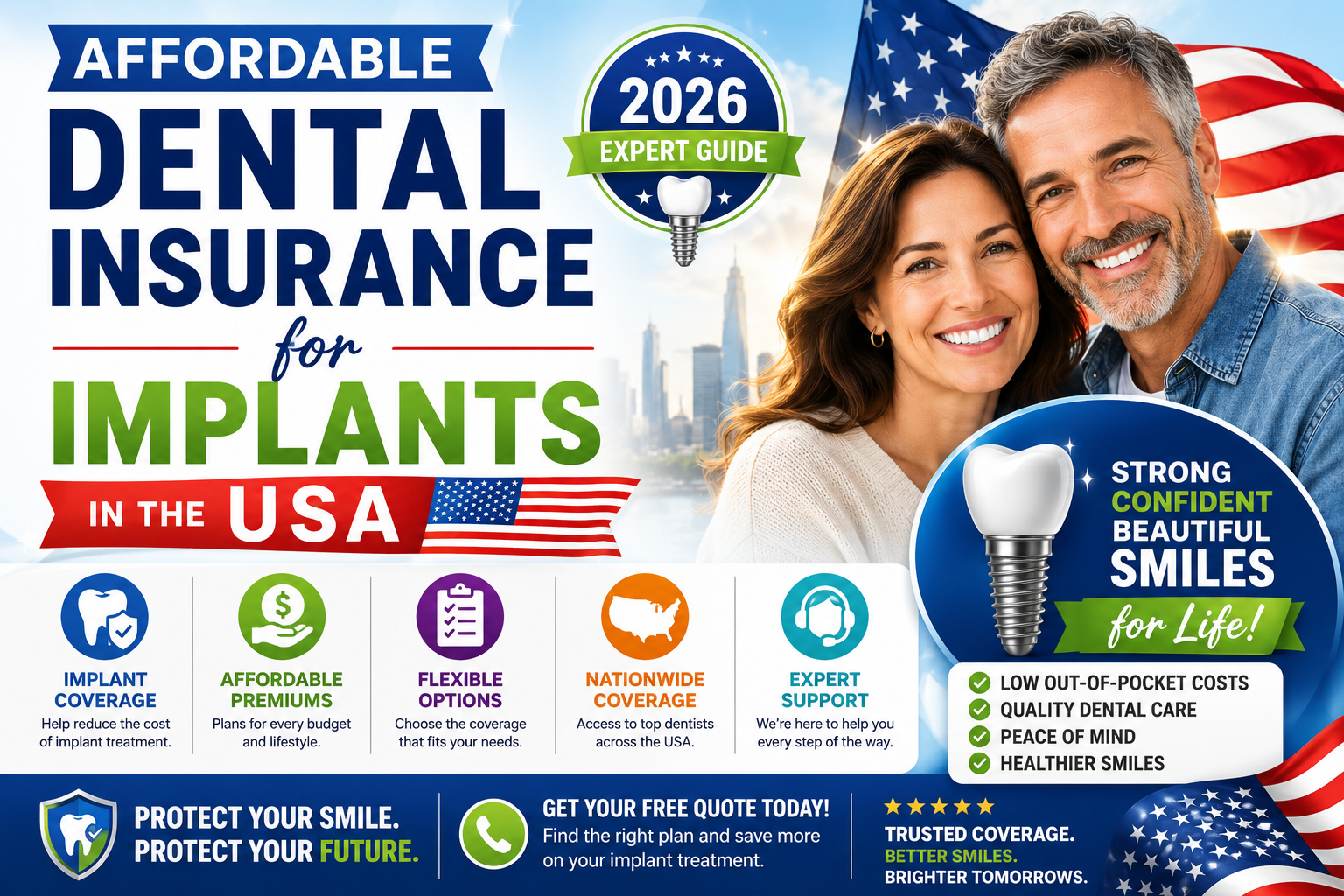
Dental implants are one of the best long-term solutions for missing teeth, but they are also among the most expensive dental procedures in the United States which hunt down your wallet rapidly. For many Americans, the biggest question is not whether implants are worth it — it is:
“How can I find affordable dental insurance that covers implants?”
As a dental professional in the United States, I see this concern daily. Patients want high-quality treatment without overwhelming out-of-pocket expenses most will not go to process rather spend money for daily needs. The challenge is that implant coverage varies dramatically between insurance companies, employer plans, annual limits, waiting periods, and policy exclusions.
The good news is that implant insurance has improved significantly over the last several years. More insurance companies now recognize implants as restorative treatment rather than elective cosmetic dentistry. Some modern PPO plans offer meaningful implant benefits that can help patients save thousands of dollars.
However, affordable coverage does not always mean “cheap” coverage. Many low-cost dental plans provide very limited implant benefits or exclude implants completely.
This guide explains:
- How dental implant insurance works in the USA
- Which plans may help reduce costs
- What affordable coverage really means
- Common exclusions and waiting periods
- How to maximize benefits
- Smart strategies patients use to save money
If you are considering implants and searching for affordable dental insurance in America, this expert guide will help you make informed decisions before starting treatment.
Why Dental Implants Are Expensive
To understand insurance coverage rea vividly and carefully, patients first need to understand why implants cost more than other dental treatments.
A dental implant is not simply a replacement tooth.
It is a complete tooth root replacement involving:
- Surgery
- Bone integration
- Restorative dentistry
- Advanced imaging
- Custom laboratory work
Treatment may include:
- Consultation
- Digital X-rays
- CBCT scans
- Tooth extraction
- Bone grafting
- Implant surgery
- Healing
- Abutment placement
- Crown fabrication
Average Dental Implant Costs in the USA
In most American cities, implant costs range from:
| Procedure | Average Cost |
|---|---|
| Consultation & imaging | $100–$500 |
| Extraction | $150–$700 |
| Bone graft | $400–$3,000 |
| Implant placement | $1,500–$3,500 |
| Abutment & crown | $1,000–$3,000 |
Total average:
$3,000–$7,000 per tooth
Full-mouth implants may cost:
$20,000–$60,000+
This is why insurance becomes extremely important for many patients.
Does Dental Insurance Cover Implants?
Sometimes — but not always.
Some plans:
- Cover implants partially
- Cover only implant crowns
- Cover medically necessary implants
- Exclude implants entirely
Coverage depends on:
- Insurance provider
- PPO vs HMO plan
- Employer-sponsored benefits
- Individual policy upgrades
- Waiting periods
- Annual maximums
What Makes Dental Insurance “Affordable”?
Affordable insurance does not simply mean:
“Lowest monthly premium.”
A low-cost plan may:
- Exclude implants
- Have low annual maximums
- Include long waiting periods
- Restrict dentists heavily
True affordability means balancing:
- Monthly premium
- Implant coverage percentage
- Annual benefit limits
- Out-of-pocket costs
- Network flexibility
Best Types of Dental Insurance for Implants
PPO Dental Plans
PPO plans are usually best for implant coverage.
Advantages:
- Better implant benefits
- Wider dentist selection
- Specialist flexibility
- Partial out-of-network reimbursement
Disadvantages:
- Higher premiums
- Deductibles
- Annual limits
HMO Dental Plans
HMO plans usually have:
- Lower premiums
- Restricted networks
But implant coverage is often limited or unavailable.
These plans may work better for preventive care than major restorative treatment.
What Implant Procedures Insurance May Cover
Many policies separate implant treatment into categories.
Coverage may include:
| Procedure | Typical Coverage |
|---|---|
| Exam & X-rays | 80–100% |
| Extraction | 70–80% |
| Bone grafting | Sometimes excluded |
| Implant surgery | 30–50% |
| Implant crown | 40–60% |
Policies vary significantly.
Popular Dental Insurance Providers That May Cover Implants
Several major U.S. insurers now offer implant-friendly PPO plans.
Examples include:
- Delta Dental PPO
- Cigna Dental
- Guardian Direct
- MetLife
- Aetna Dental
- Humana
- Anthem Blue Cross
- UnitedHealthcare Dental
However, benefits differ between:
- Individual plans
- Employer plans
- State regulations
Two people with the same insurer may have completely different implant coverage.
Understanding Waiting Periods
This is one of the biggest frustrations for implant patients.
Many plans require:
- 6 months
- 12 months
- Sometimes 24 months
before major services become active.
If you buy insurance after already needing implants, immediate coverage may not apply.
Annual Maximums Explained
Most dental plans have yearly benefit caps.
Typical annual maximums:
- $1,000
- $1,500
- $2,000
- $3,000
Unfortunately, implants often exceed these limits quickly.
Example:
| Treatment | Cost |
|---|---|
| Implant surgery | $2,500 |
| Crown | $1,800 |
| Bone graft | $1,200 |
Even with 50% coverage, yearly limits may reduce reimbursement significantly.
Missing Tooth Clauses
Some plans deny coverage if:
- The tooth was already missing before enrollment
This is called a:
Missing Tooth Clause
Patients often overlook this critical detail.
Always ask:
“Does this plan include a missing tooth exclusion?”
before purchasing insurance.
Affordable Insurance Does Not Mean Full Coverage
This is important.
Very few plans fully cover implants.
Most insurance is designed to:
- Reduce costs
not - Eliminate costs entirely
Even strong PPO plans usually leave patients with:
- Deductibles
- Co-insurance
- Balance payments
How Patients Save Money on Implants
Experienced dental offices often help patients maximize insurance strategically.
1. Split Treatment Across Calendar Years
Example:
- Implant placed in December
- Crown completed in January
This may allow use of:
- Two annual maximums
saving thousands.
2. Use In-Network Specialists
In-network providers negotiate lower fees with insurers.
This can reduce:
- Surgery costs
- Crown fees
- Diagnostic expenses
3. Coordinate Medical and Dental Insurance
In trauma or medically necessary cases:
- Medical insurance may contribute
especially for:
- Facial injuries
- Cancer reconstruction
- Severe infections
4. Use HSA or FSA Funds
Health Savings Accounts and Flexible Spending Accounts may help pay:
- Deductibles
- Co-pays
- Non-covered portions
with pre-tax dollars.
Dental Discount Plans vs Insurance
Some Americans confuse:
- Dental insurance
with - Dental discount plans
They are not the same.
Dental Insurance
Includes:
- Monthly premium
- Deductible
- Annual maximum
- Percentage reimbursement
Discount Plans
Members receive:
- Negotiated reduced fees
but no direct reimbursement.
Discount plans may help patients without traditional insurance.
Are Implant Insurance Plans Worth It?
Often yes — especially for patients already planning major treatment.
A strong PPO plan may save:
- $1,000–$3,000+
depending on treatment complexity.
However, patients should calculate:
- Premium costs
- Waiting periods
- Benefit limits
- Expected treatment timing
Implant Coverage Through Employers
Employer-sponsored PPO plans often provide better implant benefits than individual marketplace plans.
Large employers may negotiate:
- Higher annual maximums
- Better major restorative coverage
- Lower deductibles
If changing jobs, review dental benefits carefully.
Medicare and Implant Insurance
Traditional Medicare usually does NOT cover implants.
However:
- Medicare Advantage plans
may include limited implant benefits.
Coverage varies widely.
Medicaid and Implant Coverage
Most Medicaid programs provide very limited implant coverage.
Some states allow implants only for:
- Severe medical necessity
- Trauma
- Reconstruction cases
Routine implant replacement is often excluded.
Why More Americans Choose Implants Anyway
Despite costs, implants remain one of the fastest-growing dental procedures in the USA because they offer:
- Long-term durability
- Better chewing function
- Bone preservation
- Natural appearance
- Improved confidence
With proper care, implants may last:
15–30 years or longer
That long-term value matters to many patients.
Alternatives Insurance May Prefer
Insurance companies often prefer cheaper alternatives.
Dental Bridges
Pros:
- Lower upfront cost
- Faster treatment
Cons:
- Requires grinding healthy teeth
- Bone loss continues
Partial Dentures
Pros:
- Lowest cost
- Often covered better
Cons:
- Less stable
- May loosen over time
- Reduced comfort
Questions to Ask Before Buying Implant Insurance
Before enrolling in any plan, ask:
- Are implants covered?
- What percentage is covered?
- Is there a waiting period?
- What is the annual maximum?
- Is bone grafting covered?
- Are implant crowns covered separately?
- Is there a missing tooth clause?
- Are specialists in-network?
- Is pre-authorization required?
- Can treatment be split across benefit years?
These questions can prevent expensive surprises later.
Expert Advice From a U.S. Dental Perspective
As dental professionals, we frequently meet patients who bought “cheap” dental insurance only to discover:
- Implants were excluded
- Waiting periods were too long
- Annual limits were too low
The best implant insurance plans are usually:
- Mid-range PPO plans
with - Strong major restorative coverage
Patients should focus less on:
“lowest monthly premium”
and more on:
“overall treatment savings.”
The right plan can substantially reduce costs when combined with:
- Proper treatment timing
- In-network providers
- Financing strategies
- Benefit coordination
Financing Options When Insurance Is Limited
Even with insurance, patients often finance portions of treatment.
Common options include:
- CareCredit
- Sunbit
- In-house payment plans
- HSA/FSA accounts
- Dental savings memberships
Some offices also offer:
- Cash discounts
- Bundled implant pricing
- Promotional financing
Final Thoughts
Affordable dental insurance for implants in the USA does exist, but patients must understand the limitations and details hidden within many policies.
The best plans typically include:
- PPO flexibility
- Implant coverage
- Higher annual maximums
- Manageable waiting periods
- Broad specialist networks
No insurance plan completely eliminates implant costs, but the right coverage can significantly reduce financial burden.
Dental implants are not simply cosmetic procedures. They restore:
- Oral function
- Jawbone health
- Confidence
- Nutrition
- Long-term quality of life
Patients who carefully compare plans, ask detailed questions, and work with experienced implant offices usually achieve the best balance between affordability and treatment quality.
FAQ: Affordable Dental Insurance for Implants
What is the best dental insurance for implants in the USA?
PPO plans from major providers like Delta Dental, Guardian, Cigna, and MetLife often provide stronger implant benefits than basic HMO plans.
Does affordable insurance fully cover implants?
Usually no. Most plans partially cover implant-related procedures but still leave some out-of-pocket expenses.
Are there waiting periods for implant coverage?
Yes. Many plans require 6–24 months before major restorative benefits become active.
What is a missing tooth clause?
It is a policy exclusion that denies coverage for teeth lost before insurance enrollment.
Can dental discount plans help with implants?
Yes. Discount plans may reduce treatment fees through participating providers, although they are not traditional insurance.
Related Topics
- Dental Implant Cost in the USA (2026 Guide)
- Medicare Advantage Dental Implant Coverage Explained
- Dental Bridges vs Implants – Long-Term Cost Comparison
Can tooth extraction cause infection? Mild inflammation is normal, but increasing swelling, fever, or severe pain may indicate infection. Learn more about post-extraction infection warning signs in this detailed guide.
Book a consultation with our Cebu dental specialists for proper evaluation and care.
Ready to get expert guidance?
If you’re experiencing severe pain or delayed healing, book a consultation with our Cebu dental specialists to get proper evaluation and care.
Consultation or contact page .
Book a Consultation
For severe discomfort or delayed healing, book a consultation with our Cebu dental specialists today.
Looking for a dentist? Browse our Cebu dental directory to find trusted clinics near you.
Medical Review and Clinical Basis
This article is based on clinical dental guidelines and real patient recovery patterns observed after tooth extraction procedures. The information reflects common post-extraction healing stages, including normal clot formation, gum tissue repair, and signs of possible complications such as dry socket or infection.
While mild discomfort is expected after a dental extraction, worsening pain after Day 3, bad odor, exposed bone, or spreading pain may require professional evaluation. These symptoms are consistent with known post-extraction complications described in standard dental practice.
About Cebu Dental Implants
Cebu Dental Implants provides comprehensive tooth extraction, surgical procedures, and dental implant services in the Philippines. Our team evaluates post-extraction healing, manages complications such as dry socket, and advises patients on proper aftercare to prevent infection and delayed healing.
If you experience severe pain or unusual symptoms after extraction, early professional assessment is recommended to prevent further complications.
Important Medical Disclaimer
This content is for educational purposes only and does not replace professional dental diagnosis. Every patient heals differently. If symptoms worsen or do not improve within a few days, consult a licensed dentist for proper evaluation and treatment.
Author
This article was prepared by the Cebu Dental Implants content team in consultation with licensed dental professionals experienced in tooth extraction and implant procedures.
Related Clinical Cases
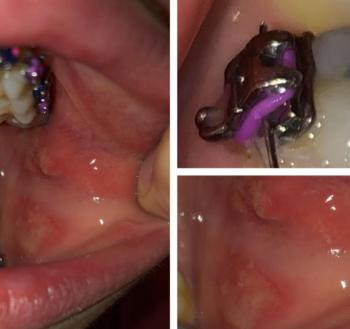
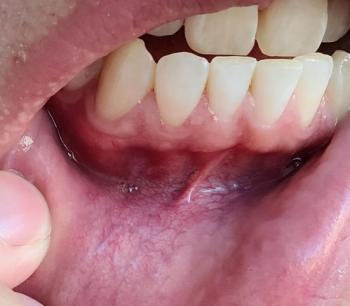
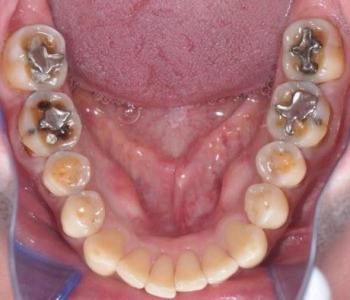
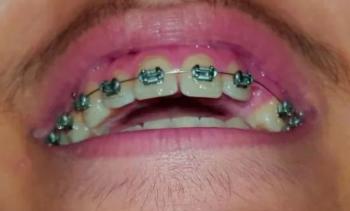
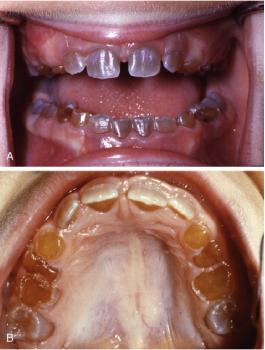
Patients with lower front gum inflammation may also experience tartar buildup, periodontal disease, gum abscesses, or tooth decay. Explore these related clinical case studies.
Other topics:
Other Dental Clinic