Building Confidence One Smile at a Time.

The Hidden Heat Wave: How Scorching Summers are Accelerating Health Problems in Metro Manila
Language :

Topics:
Aida’s Story: Waking Up to a New Pain
Aida, a 42-year-old construction worker in Quezon City, wiped her brow with the back of her gloved hand. It wasn't even 10 a.m., but the heat was already stifling, shimmering off the asphalt and steel around her. Lately, her body didn't bounce back as it used to. Yesterday, a sudden wave of dizziness almost sent her off her feet. The persistent, dull ache in her lower back, which she'd always brushed off as part of the job, felt sharper. She took a quick sip of tepid water from her bottle, a small act of defiance against the oppressive sun. "Kailangan kong magtrabaho," she muttered to herself. I have to work. If she doesn't, her family would have nothing.
Across Metro Manila, this silent struggle plays out daily for thousands of workers like Aida. But the danger of the Philippines' intensifying heat is more insidious than just heatstroke or dehydration. New scientific research reveals a startling reality: the extreme heat that saps their energy and drenches their clothes is quietly aging their bodies from the inside out.The Science of a Rapidly Aging Body.The rising temperatures are not just a climate statistic; they represent a direct assault on human biology. A landmark study tracking thousands of people, including those in Taiwan, has linked repeated exposure to heatwaves with measurable accelerated biological aging.
This means a worker's cells, tissues, and organs can begin to function like those of an older person, regardless of their chronological age. Another major study from USC found that living in areas with many heat days could add over a year to a person's biological age compared to those in cooler climates.
This accelerated aging process has profound health implications:
-
Increased Disease Risk: It raises the long-term risk of heart disease, diabetes, cognitive decline, and respiratory problems—conditions that public health systems are not yet prepared to address at scale
-
Immediate Organ Strain: The heat places immense strain on vital organs. It forces the heart to work harder, raising the risk of heart attacks. Dehydration from heavy sweating can lead to acute kidney injury and, over time, chronic kidney disease
-
The "Double Risk" for Laborers: Construction workers face the "double risk" of high physical exertion in extreme conditions. This combination dramatically increases their susceptibility to heat-related illnesses, from heat exhaustion to fatal heat strokeIn communities in Metro Manila, nearly a quarter of informal workers like vendors, drivers, and construction laborers reported feeling unprotected during extreme heat events.
The Stark Reality on the Ground in Manila
For many, the choice is brutal: endure the heat or lose the income that feeds their families. More than 20% of households in a recent study said they can only earn their regular income by choosing to work outside despite high heat warnings
. A construction worker stated plainly: "Kung hindi ko titiisin, pamilya ko naman ang maghihirap." If I do not endure this, it's my family who will suffer.
This points to a critical gap: extreme heat is not yet officially recognized as a natural hazard in the same way typhoons or floods are, which means formal disaster response plans, early warning systems, and emergency funds are not fully activated for heatwaves. Workers and their employers are often left with little more than personal "diskarte," or resourcefulness, to cope.
The Department of Labor and Employment (DOLE) has issued guidelines recommending flexible work hours, access to water, and work stoppages, but labor groups stress that without strict implementation, these remain ineffective.
The lack of legally binding protections that treat extreme heat as an occupational hazard leaves workers exposed to life-threatening conditions. As climate change pushes the heat index to dangerous levels—between 42°C to 51°C, where heat cramps and exhaustion are likely—the need for systemic action becomes urgent.
A Call for a Healthier, Cooler Future
Addressing this crisis requires moving beyond individual endurance to systemic solutions. It is not just about preventing heatstroke, but about protecting the long-term health and vitality of our workforce. The science is clear: we can no longer afford to see extreme heat as just an inconvenience.
What Can Be Done:
| Level | Action | How It Helps |
|---|---|---|
| Policy & Workplace | Enact and enforce legally binding heat safety standards |
| . | Recognizes heat as an occupational hazard, mandating breaks, water, and shade. |
| Classify extreme heat as a "force majeure" event in contracts |
| . | Protects workers and contractors from penalties for heat-induced work delays. |
| Invest in heat-resilient urban infrastructure: green spaces, shaded walkways |
| . | Cools entire communities and provides refuge. |
| For Workers | Advocate for cooling interventions on sites: air-conditioned rest areas, cooling vests |
| . | Provides direct relief and reduces core body temperature. |
| Practice "pre-cooling" by hydrating before shifts and using cooling gear |
| . | Prepares the body to better handle heat stress. |
| For All | Educate on the full spectrum of heat risks, from heatstroke to long-term organ damage |
| . | Empowers people to protect their long-term health. |
| Hydrate with water, not sugary or caffeinated drinks, and seek shade during peak hours |
| . | Simple, life-saving practices. |
The conversation must change. "Hindi lang ito usapin ng pawis at pagod," as one labor leader might say. This is not just about sweat and fatigue. It is about ensuring that the people who build our cities are not, in turn, broken down by them. The story of Aida and thousands like her is a call to action. By treating extreme heat with the seriousness it demands—as a public health and labor rights emergency—we can build a Metro Manila that is not only more resilient to climate change but also fairer and healthier for those who call it home.
I hope this expanded blog post provides the analysis you were looking for. If you would like to focus on a specific aspect, such as practical heat safety tips for workers or the policy recommendations in more detail, I can provide further information.
Looking for dentist : Visit directory list
Related Clinical Cases
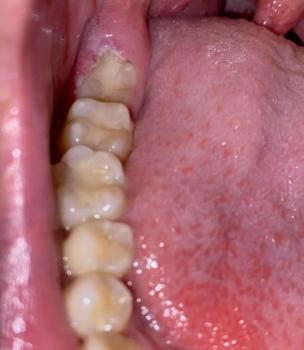
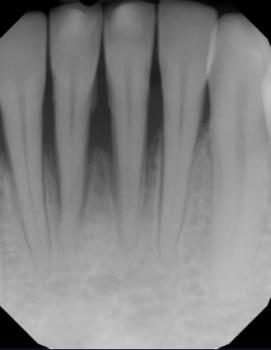
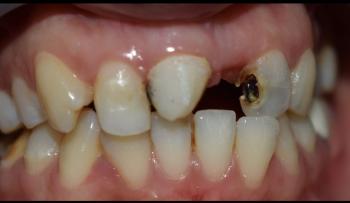
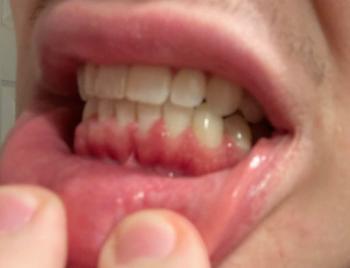
Patients with lower front gum inflammation may also experience tartar buildup, periodontal disease, gum abscesses, or tooth decay. Explore these related clinical case studies.
Other topics:
Other Dental Clinic
 |
 |
 |
 |