We Bring Back the Sparkle in Your Smile.

Tiny Worm Teeth: When Early America Believed Cavities Were Living Creatures
Language :

Topics:
Tiny Worm Teeth: When America Believed Cavities Were Alive
Long before electricity lit homes or science explained disease, early Americans inherited an old belief that tooth pain came from tiny worms living inside the teeth. This idea, carried across oceans from Europe and the ancient world, shaped how people in the United States understood dental suffering for generations.
In colonial towns and frontier settlements, a throbbing tooth was not just decay—it was invasion.
The Ancient Belief That Followed America West
For more than 2,000 years, civilizations from Ancient Sumeria to medieval Europe blamed cavities on mythical “tooth worms.” These creatures were said to burrow into teeth, gnawing from the inside and causing unbearable pain. When European settlers arrived in America, they brought this belief with them.
Early American farmers, tradesmen, and pioneers spoke of worms nesting in aching molars, especially when pain flared at night. Some even claimed to see them—thin white threads—after tooth extractions, reinforcing the myth.
Without modern science, the explanation felt logical. If worms could destroy crops, why not teeth?
Early Treatments Rooted in Fear and Folklore
Because tooth worms were thought to be living creatures, treatments aimed to drive them out or kill them. In early U.S. households, remedies included:
-
Burning herbs or tobacco near the mouth to “smoke out” the worm
-
Applying heated needles or metal tools to the tooth
-
Using vinegar, whiskey, or turpentine as mouth rinses
-
Pressing garlic, cloves, or even gunpowder into cavities
Pain relief was brutal and uncertain. Tooth extraction—often done by barbers or blacksmiths—became the final solution when the “worm” refused to leave.
The Turning Point: Science Replaces Superstition
By the 18th and 19th centuries, America began to change. The rise of microscopes and the spread of scientific thinking challenged long-held myths. Researchers discovered that bacteria, not worms, were responsible for tooth decay.
Scientists learned that certain microbes feed on sugars left on teeth and produce acid, which slowly erodes enamel. Cavities were no longer mysterious creatures—but a chemical and biological process.
This understanding marked a revolution in dentistry.
From Worms to Wisdom: A New Dental Era
As germ theory gained acceptance, dentistry in the United States transformed:
-
Preventive care replaced folklore
-
Tooth brushing became encouraged
-
Diet and sugar intake were recognized as risk factors
-
Dental schools and professional standards emerged
The fear of invisible worms faded, replaced by knowledge and evidence.
Why the Tooth Worm Story Still Matters Today
The myth of tiny worm teeth reminds us how easily humans explain pain when knowledge is limited. It also shows how education and research can replace fear with understanding.
Even today, misinformation about oral health still exists—just in different forms.
The journey from tooth worms to bacteria is more than history. It’s a lesson:
Science doesn’t just change treatments—it changes lives.
Looking for dentist : Visit directory list
Related Clinical Cases
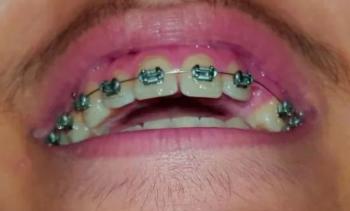
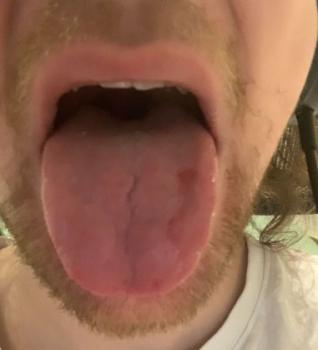
Patients with lower front gum inflammation may also experience tartar buildup, periodontal disease, gum abscesses, or tooth decay. Explore these related clinical case studies.

Other topics:
Other Dental Clinic