Building Confidence One Smile at a Time.

Why Bone Grafts Fail Before Dental Implants – Patient Safety Guide
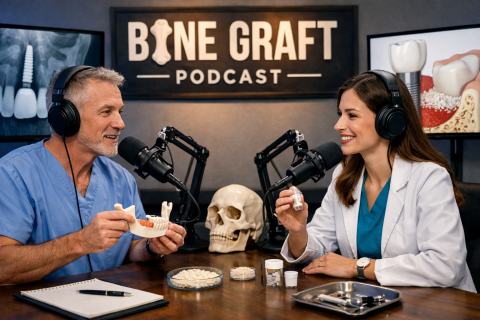
Podcast :
Podcastselector:
Have you ever trusted a procedure, only to discover later that something was done too fast… or without proper planning?
Today, I want to share a story about bone graft failure — and why patients must be informed before dental implants.
Mark, a 52-year-old overseas worker, returned home excited to finally fix his missing tooth. He wanted dental implants. The clinic told him he needed a bone graft first because his jawbone was too thin.
Everything sounded professional. Surgery was scheduled quickly.
But here’s what happened.
No detailed CBCT scan was done.
No proper explanation about bone quality.
No discussion about healing time.
The graft was placed.
Two months later, swelling developed. Pain followed. The implant site felt unstable.
When Mark sought a second opinion, the new dentist discovered something serious — the bone graft had failed.
Why?
The original site still had mild infection.
The bone quality was not properly evaluated.
And the graft material used was not ideal for his condition.
Bone grafting is not just “adding bone.”
It requires:
• Proper diagnosis
• Infection control
• Correct material selection
• Adequate healing time
• Precise surgical technique
If one step is rushed, the entire foundation can collapse.
In Mark’s case, the failed graft meant:
• Additional surgery
• More cost
• Longer healing
• Emotional stress
And most painful of all — loss of trust.
Here is the truth:
Bone graft failure is often preventable.
Patients should always ask:
-
Was a 3D scan performed?
-
Is there any active infection?
-
What type of graft material is being used?
-
How long is the healing period before implants?
-
What are the risks in my specific case?
Dentistry is not just about placing implants quickly.
It’s about building a stable foundation.
If your bone is not properly prepared, the implant may fail later — and that cost is much higher than doing things correctly the first time.
Advice to patients:
Never rush surgical procedures.
Get proper imaging.
Ask questions.
And if something feels unclear — get a second opinion.
A successful implant starts with successful planning.
Because in dentistry, foundation is everything.
Related Clinical Cases
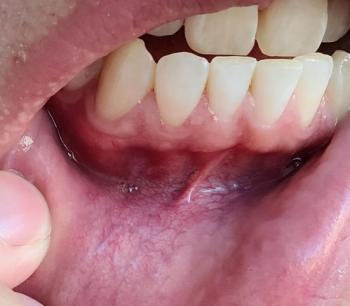
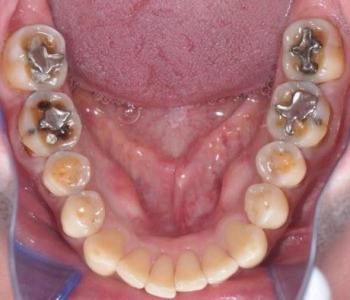
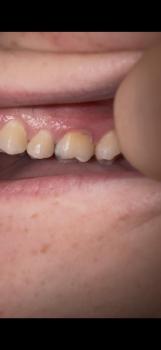
Patients with lower front gum inflammation may also experience tartar buildup, periodontal disease, gum abscesses, or tooth decay. Explore these related clinical case studies.

Other topics:
Other Dental Clinic