Strong Teeth, Fresh Breath, Brighter You.

Gum Healing After Tooth Removal: Complete USA Expert Guide for Faster Recovery
Language :
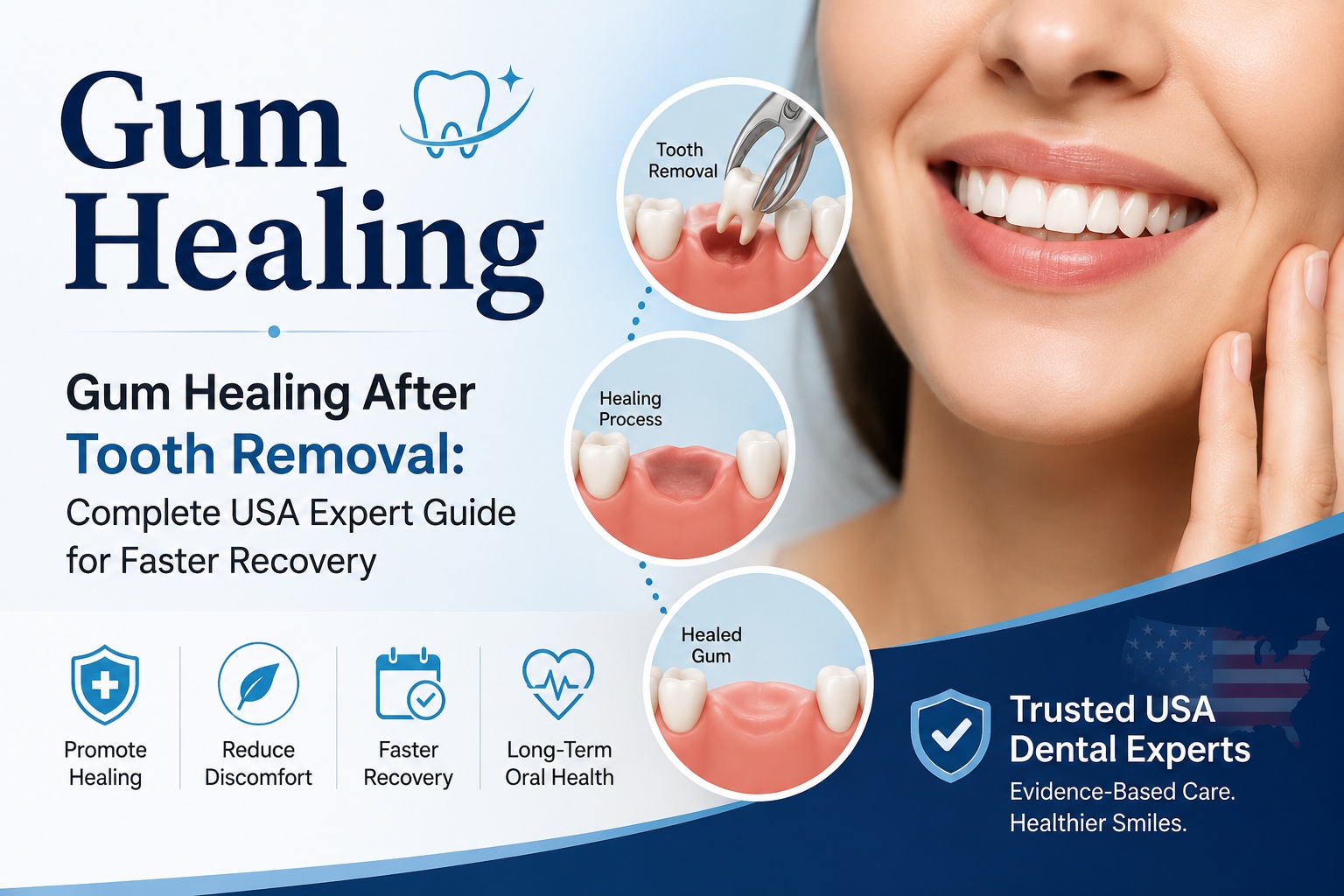
Having a tooth removed can feel stressful, especially if it is your first extraction. Many patients worry about pain, bleeding, infection, and how long the gums will take to heal. The good news is that gum healing after tooth removal is usually smooth when proper aftercare is followed.
As a dental professional in the USA would explain, healing is a natural biological process where your body repairs the extraction site step by step. Most people recover without complications, but understanding what happens during healing can reduce anxiety and help you avoid mistakes that slow recovery.
This complete guide explains everything beginners need to know about gum healing after tooth removal, including recovery timelines, healing stages, warning signs, foods to eat, oral hygiene tips, and practical advice for faster healing.
What Happens After a Tooth Is Removed?
When a dentist removes a tooth, your body immediately starts repairing the area. The empty socket left behind begins forming a blood clot, which protects the bone and nerves underneath.
The healing process includes:
- Blood clot formation
- Gum tissue repair
- Bone regeneration
- Complete tissue remodeling
The first few days are the most important because disturbing the clot can lead to complications such as dry socket.
Why Gum Healing Matters
Healthy gum healing is important because it:
- Protects the jawbone
- Prevents infection
- Reduces pain
- Supports future dental work
- Improves oral health
- Restores chewing function
Poor healing may delay dental implants, bridges, or dentures later on.
Stages of Gum Healing After Tooth Removal
First 24 Hours
The body focuses on forming a stable blood clot.
Common symptoms include:
- Mild bleeding
- Swelling
- Tenderness
- Minor discomfort
- Slight jaw stiffness
Helpful advice:
- Bite gently on gauze
- Rest
- Avoid rinsing aggressively
- Avoid smoking
- Drink water carefully
Things to avoid:
- Straws
- Spitting
- Smoking
- Alcohol
- Hard foods
These actions can dislodge the blood clot and cause dry socket.
Days 2–3
Swelling may peak during this stage. This is normal and does not automatically mean infection.
Healing signs:
- Less bleeding
- White or yellow healing tissue
- Reduced pain
- Beginning gum closure
Helpful tips:
- Use cold compresses
- Eat soft foods
- Take medications as prescribed
- Begin gentle saltwater rinses
Days 4–7
The gums begin repairing more rapidly.
Normal healing signs:
- Reduced swelling
- Mild itching sensation
- Pink tissue development
- Better jaw movement
Many patients return to normal daily activities during this phase.
Weeks 2–4
The gum tissue closes significantly.
You may notice:
- Minimal pain
- Smaller socket opening
- Better chewing ability
- Improved comfort
Simple extractions usually heal faster than surgical extractions.
Months 1–6
Bone healing continues under the gums.
Even when the gums look healed externally, the jawbone still remodels internally for several months. This stage is especially important for patients planning dental implants.
Simple Extraction vs Surgical Extraction
Simple Extraction
A simple extraction involves removing a visible tooth without surgery.
Recovery characteristics:
- Faster healing
- Less swelling
- Less discomfort
- Lower complication risk
Typical healing time:
7–14 days for gum closure.
Surgical Extraction
Surgical extraction is more complex and may involve:
- Impacted wisdom teeth
- Broken teeth
- Bone removal
- Gum incisions
Recovery characteristics:
- More swelling
- Longer healing
- Greater tenderness
- Higher dry socket risk
Healing may take several weeks.
Signs of Normal Gum Healing
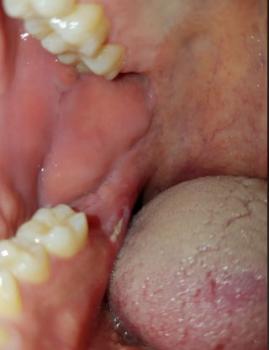
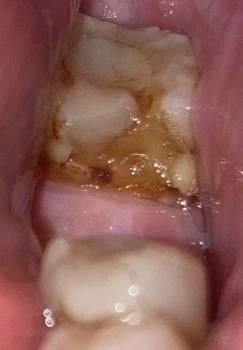
Many patients worry because healing tissue can look unusual. Some white or yellow material is completely normal.
Healthy healing signs include:
- Pink gums
- White fibrin layer
- Mild soreness
- Gradual socket closure
- Reduced swelling daily
A white appearance does not always mean infection.
Warning Signs of Infection
Contact a dentist if you experience:
- Severe throbbing pain
- Fever
- Bad taste in mouth
- Pus discharge
- Persistent swelling
- Difficulty swallowing
- Excessive bleeding
These may indicate infection or dry socket.
What Is Dry Socket?
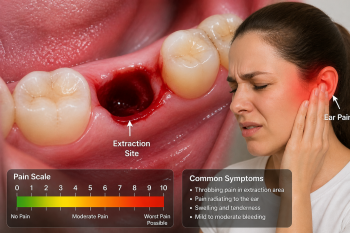
Dry socket occurs when the blood clot becomes dislodged too early. This exposes the bone and nerves underneath, causing severe pain.
Common dry socket symptoms:
- Intense pain 2–5 days after extraction
- Bad odor
- Empty-looking socket
- Ear or jaw pain
- Severe sensitivity
Dry socket is one of the most common complications after tooth removal.
Causes of Delayed Gum Healing
Several factors can slow recovery.
Smoking
Smoking reduces blood flow and interferes with clot formation.
Smokers have a much higher risk of:
- Infection
- Dry socket
- Delayed healing
Avoid smoking for at least 72 hours, although longer is better.
Poor Oral Hygiene
Bacteria buildup increases infection risk. Gentle cleaning is essential during recovery.
Diabetes
Uncontrolled diabetes slows healing because blood circulation and immune function may be affected.
Patients with diabetes should carefully follow dental instructions.
Poor Nutrition
Your body needs nutrients to repair tissue. Low vitamin intake may slow recovery.
Stress and Lack of Sleep
The immune system functions better when the body is rested. Sleep supports tissue repair and inflammation control.
Best Foods for Gum Healing
Soft foods are ideal after tooth removal.
Recommended foods during the first 24–48 hours:
- Yogurt
- Applesauce
- Smooth soup
- Mashed potatoes
- Protein shakes
- Scrambled eggs
After several days:
- Soft pasta
- Rice
- Fish
- Oatmeal
- Soft vegetables
Foods to Avoid
Certain foods can irritate the extraction site.
Avoid:
- Chips
- Nuts
- Popcorn
- Crunchy bread
- Spicy foods
- Sticky candy
- Hot beverages
Small particles may become trapped in the socket.
Saltwater Rinses Explained
Warm saltwater rinses help reduce bacteria and soothe tissues.
How to make a saltwater rinse:
- 1 cup warm water
- 1/2 teaspoon salt
Rinse gently after meals starting 24 hours after extraction.
Do not rinse aggressively.
How Long Does Gum Healing Take?
Healing varies depending on:
- Age
- Health condition
- Smoking habits
- Extraction difficulty
- Oral hygiene
Average healing timeline:
| Healing Stage | Typical Time |
|---|---|
| Blood clot formation | 24 hours |
| Initial gum healing | 1 week |
| Significant gum closure | 2–3 weeks |
| Bone healing | 3–6 months |
Healthy Healing vs Problem Healing
| Healthy Healing | Problem Healing |
|---|---|
| Mild discomfort | Severe pain |
| Gradual improvement | Worsening symptoms |
| Pink gums | Dark swelling |
| Reduced swelling | Persistent swelling |
| No foul odor | Bad smell or taste |
Practical Tips for Faster Gum Healing
Follow Dentist Instructions
Your dentist understands your specific procedure and medical history. Always follow post-operative instructions carefully.
Stay Hydrated
Water helps circulation and tissue repair. Avoid dehydration during recovery.
Avoid Intense Exercise
Heavy workouts may increase bleeding during the first few days. Light walking is usually acceptable.
Sleep With Your Head Elevated
Elevating your head can help reduce swelling. Use extra pillows during the first two nights.
Take Medications Properly
If antibiotics or pain medications are prescribed, take them exactly as directed.
Never stop antibiotics early unless instructed by your dentist.
Oral Hygiene After Tooth Extraction
Many patients fear brushing after extraction, but oral hygiene remains important.
Safe brushing tips:
- Brush gently
- Avoid direct pressure near the socket
- Use a soft-bristle toothbrush
- Keep the rest of the mouth clean
Poor hygiene increases bacterial growth.
Wisdom Tooth Healing vs Regular Tooth Healing
Wisdom teeth often require surgical extraction.
| Wisdom Tooth Removal | Regular Tooth Removal |
|---|---|
| More swelling | Less swelling |
| Longer recovery | Faster recovery |
| Jaw stiffness common | Less stiffness |
| Higher dry socket risk | Lower risk |
Can Gums Fully Grow Back?
The gum tissue closes over the socket, but the original gum structure may not fully regenerate exactly as before.
Bone shrinkage can also occur after extraction.
This is why dentists sometimes recommend:
- Bone grafts
- Dental implants
- Socket preservation
Tooth Extraction and Future Dental Implants
Many patients plan implants after tooth removal.
Healthy gum and bone healing are essential for successful implant placement.
Strong healing supports:
- Implant stability
- Bone integration
- Long-term success
- Better appearance
Poor healing may delay implant treatment.
Emotional Side of Tooth Removal Recovery
Some patients feel emotional after losing a tooth, especially front teeth.
This is normal.
Modern dentistry offers many replacement options including:
- Dental implants
- Bridges
- Dentures
Temporary appearance changes are often manageable during healing.
Common Mistakes That Slow Healing
Avoid these common mistakes:
Smoking Too Soon
This is one of the biggest causes of complications.
Using Straws
The suction may remove the blood clot.
Touching the Socket
Avoid using fingers or tongue excessively.
Eating Crunchy Foods Early
Hard foods can irritate the healing tissue.
Skipping Follow-Up Visits
Your dentist may detect problems early.
Frequently Asked Questions
How long do gums take to heal after tooth removal?
Most gums heal significantly within 2–3 weeks, although deeper bone healing may continue for several months.
Is white tissue after extraction normal?
Yes. White or yellow tissue is often part of normal healing and fibrin formation.
When can I eat normally again?
Many patients return to normal foods after about one week, depending on the extraction type.
How do I know if I have dry socket?
Severe throbbing pain several days after extraction is a common sign. Contact your dentist promptly.
Can I brush my teeth after extraction?
Yes, but brush gently and avoid disturbing the extraction site.
Is swelling normal after tooth removal?
Yes. Mild to moderate swelling is common, especially after surgical extractions.
When should I call the dentist?
Call your dentist if you experience:
- Severe pain
- Fever
- Pus
- Excessive swelling
- Persistent bleeding
Final Thoughts
Gum healing after tooth removal is a gradual process that requires patience and proper care. Most patients recover successfully when they follow good oral hygiene habits and avoid common mistakes like smoking, using straws, or eating hard foods too early.
The key to faster healing is protecting the blood clot, maintaining cleanliness, staying hydrated, and following your dentist’s instructions carefully. While mild discomfort and swelling are normal, severe pain or worsening symptoms should never be ignored.
Modern dentistry in the USA provides excellent techniques and aftercare guidance to make recovery safer and more comfortable than ever before. Whether you had a simple extraction or surgical wisdom tooth removal, understanding the healing process helps you recover with confidence and reduce complications.
Taking recovery seriously today can also protect your long-term oral health, especially if you plan to receive dental implants or other restorative treatments in the future.
Can tooth extraction cause infection? Mild inflammation is normal, but increasing swelling, fever, or severe pain may indicate infection. Learn more about post-extraction infection warning signs in this detailed guide.
Book a consultation with our Cebu dental specialists for proper evaluation and care.
Ready to get expert guidance?
If you’re experiencing severe pain or delayed healing, book a consultation with our Cebu dental specialists to get proper evaluation and care.
Consultation or contact page .
Book a Consultation
For severe discomfort or delayed healing, book a consultation with our Cebu dental specialists today.
Looking for a dentist? Browse our Cebu dental directory to find trusted clinics near you.
Medical Review and Clinical Basis
This article is based on clinical dental guidelines and real patient recovery patterns observed after tooth extraction procedures. The information reflects common post-extraction healing stages, including normal clot formation, gum tissue repair, and signs of possible complications such as dry socket or infection.
While mild discomfort is expected after a dental extraction, worsening pain after Day 3, bad odor, exposed bone, or spreading pain may require professional evaluation. These symptoms are consistent with known post-extraction complications described in standard dental practice.
About Cebu Dental Implants
Cebu Dental Implants provides comprehensive tooth extraction, surgical procedures, and dental implant services in the Philippines. Our team evaluates post-extraction healing, manages complications such as dry socket, and advises patients on proper aftercare to prevent infection and delayed healing.
If you experience severe pain or unusual symptoms after extraction, early professional assessment is recommended to prevent further complications.
Important Medical Disclaimer
This content is for educational purposes only and does not replace professional dental diagnosis. Every patient heals differently. If symptoms worsen or do not improve within a few days, consult a licensed dentist for proper evaluation and treatment.
Author
This article was prepared by the Cebu Dental Implants content team in consultation with licensed dental professionals experienced in tooth extraction and implant procedures.
Related Clinical Cases
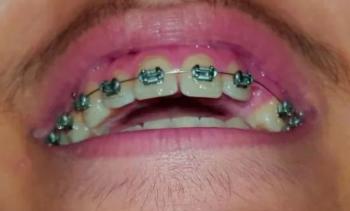
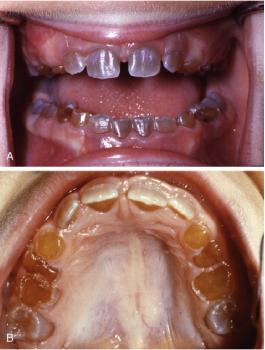
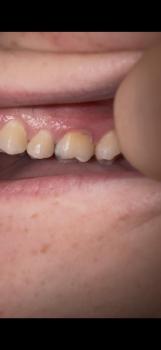
Patients with lower front gum inflammation may also experience tartar buildup, periodontal disease, gum abscesses, or tooth decay. Explore these related clinical case studies.

Other topics:
Other Dental Clinic