Smile Again with Comfort and Confidence.

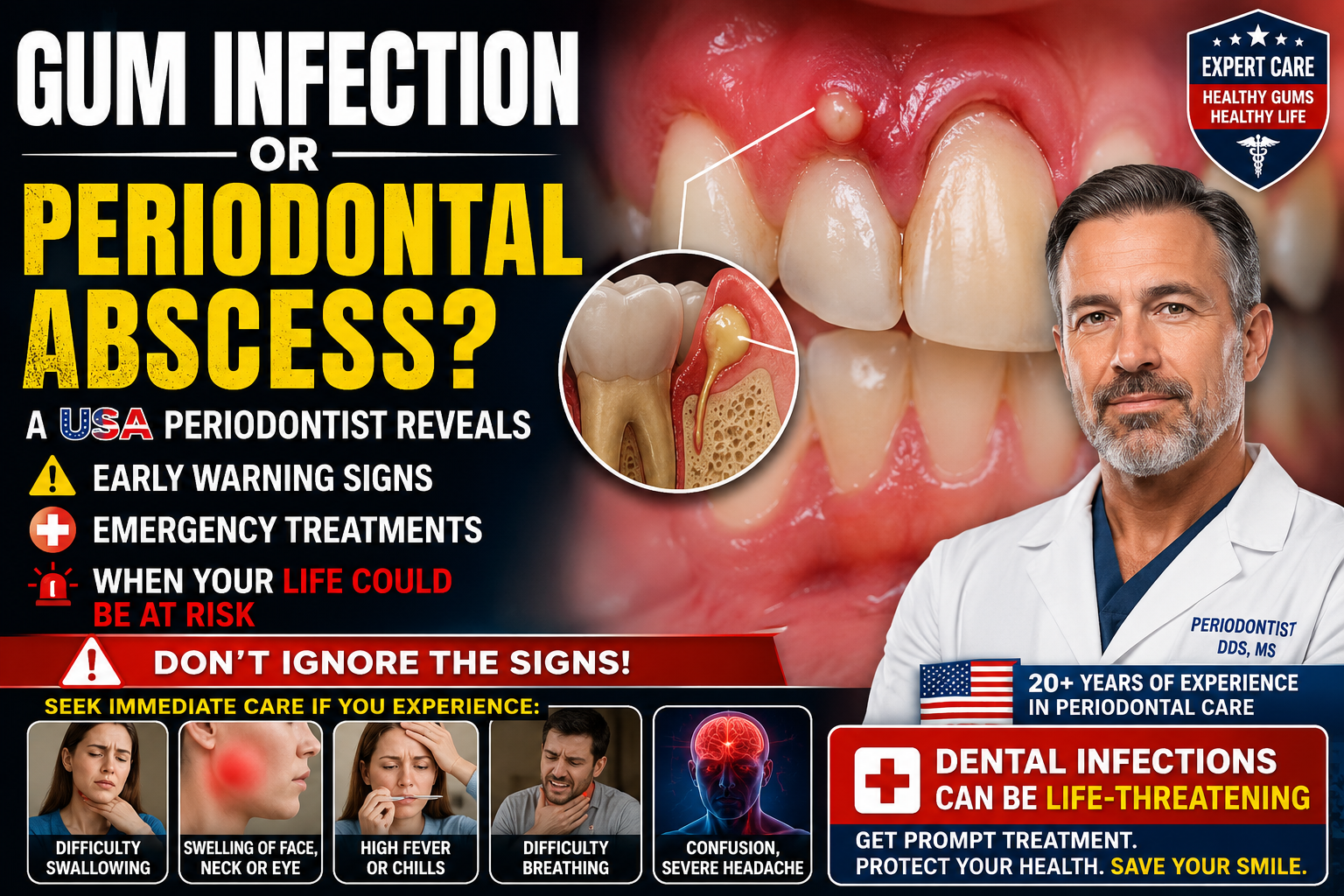
Gum Infection or Periodontal Abscess? A USA Periodontist Reveals the Early Warning Signs, Emergency Treatments, and When Your Life Could Be at Risk
Language :
Topics:
Gum Infection or Periodontal Abscess? A USA Periodontist Explains the Emergency Warning Signs, Treatment Options, and When a Dental Infection Can Become Life-Threatening
An infection involving the gums and the supporting structures of your teeth is never something to ignore. While many people assume that gum swelling or pain will eventually disappear on its own, the reality is quite different. Once bacteria invade the deeper tissues surrounding a tooth, the infection can rapidly destroy the supporting bone, loosen the tooth, and in severe cases spread beyond the mouth into the face, neck, or bloodstream.
As a practicing periodontist, one of the most common emergencies I treat is the periodontal abscess—a localized pocket of pus that develops within the gum tissue due to bacterial infection. Although many periodontal abscesses can be successfully treated when addressed early, delaying treatment dramatically increases the risk of permanent tooth loss and potentially dangerous complications.
Understanding the symptoms, knowing when to seek emergency care, and receiving prompt professional treatment can make the difference between saving a tooth and facing a medical emergency.
This guide explains everything you should know about periodontal abscesses, facial cellulitis, treatment options, home care, and long-term prevention.
What Is a Periodontal Abscess?
A periodontal abscess is a localized bacterial infection that develops inside the gum tissues surrounding a tooth. Unlike a cavity that begins inside the tooth, this infection begins within the supporting structures, including:
-
The gums
-
Periodontal ligament
-
Supporting bone
-
Deep periodontal pockets
As bacteria multiply, the body's immune system sends white blood cells to fight the infection. This battle produces pus, which becomes trapped inside the gum tissue.
Pressure continues to build, causing:
-
Severe throbbing pain
-
Gum swelling
-
Tenderness
-
Bad taste in the mouth
-
Pus drainage
Without drainage or treatment, the infection often continues to spread.
Why Does a Periodontal Abscess Develop?
The overwhelming majority are caused by bacteria accumulating below the gumline.
Common causes include:
Advanced Gum Disease
Untreated periodontal disease creates deep pockets between the gums and teeth where bacteria thrive.
Food Trapped Under the Gums
Seeds, popcorn hulls, or meat fibers may become lodged beneath the gumline, triggering infection.
Poor Oral Hygiene
Plaque and tartar accumulation provide an ideal environment for harmful bacteria.
Smoking
Smoking weakens the immune response and greatly increases periodontal infection risk.
Diabetes
Poorly controlled diabetes reduces the body's ability to fight infection.
Weakened Immune System
Cancer therapy, autoimmune disease, organ transplantation, and certain medications increase susceptibility.
Incomplete Dental Treatment
Occasionally, incomplete removal of tartar or foreign material during dental procedures may contribute.
Common Symptoms
Patients often notice symptoms that worsen over hours or days.
Typical symptoms include:
-
Localized gum swelling
-
Severe toothache
-
Pain while chewing
-
Red, swollen gums
-
Tooth feels "high"
-
Bad breath
-
Bad taste from pus drainage
-
Tender lymph nodes
-
Tooth mobility
-
Sensitivity to pressure
Sometimes pain suddenly decreases because the abscess ruptures and drains. Unfortunately, this does not mean the infection has resolved.
Emergency Warning: When a Gum Infection Becomes Dangerous
Most periodontal abscesses remain localized initially. However, bacteria can spread into the deeper soft tissues of the face, jaw, and neck.
This condition is known as dental-origin facial cellulitis, and it is a true medical emergency.
Once bacteria spread beyond the gums, they may involve facial spaces that communicate directly with the neck and airway.
Without immediate treatment, these infections may cause:
-
Airway obstruction
-
Bloodstream infection (sepsis)
-
Brain infection (rare)
-
Hospitalization
-
Permanent disability
-
Death
Never ignore rapidly progressing facial swelling.
Go to the Emergency Room Immediately If You Experience:
Difficulty breathing
This is the most urgent warning sign.
Swelling around the throat can narrow the airway within hours.
Difficulty swallowing
Painful swallowing, inability to swallow saliva, or excessive drooling suggest the infection is spreading into deeper tissues.
Swelling Around the Eye
Infections involving the upper jaw may spread toward the eye socket.
This requires immediate emergency evaluation.
Neck Swelling
Swelling extending beneath the jaw or into the neck may threaten the airway.
Chest Swelling
Although uncommon, infection can spread downward into the chest, becoming life-threatening.
Fever
High fever suggests your body is fighting a significant bacterial infection.
Chills
Shaking chills may indicate bacteria have entered the bloodstream.
Extreme Fatigue
Profound weakness may signal systemic infection.
Confusion or Disorientation
Mental status changes require emergency medical care immediately.
Severe Headache or Stiff Neck
These symptoms could indicate spread beyond the original infection and should never be ignored.
Why Dental Infections Can Become Life-Threatening
The mouth contains hundreds of bacterial species.
Normally, these bacteria remain confined to the teeth and gums.
Once bacteria gain access to deeper tissues, they travel through natural facial spaces.
Unlike skin infections, dental infections can spread rapidly because these spaces have little resistance.
The infection may progress from:
Gum → Bone → Face → Neck → Airway → Bloodstream
This progression can occur surprisingly quickly in susceptible individuals.
What You Should Do Right Now
Contact an Emergency Dentist Immediately
Dental infections do not heal on their own.
Professional treatment is necessary.
Your dentist will determine:
-
Where the infection originated
-
Whether drainage is necessary
-
If antibiotics are indicated
-
Whether the tooth can be saved
If You Cannot Reach a Dentist
Go directly to the nearest emergency department if:
-
Swelling is worsening rapidly
-
Fever develops
-
Swallowing becomes difficult
-
Breathing changes
-
Facial swelling becomes extensive
Hospitals can begin emergency treatment and consult oral surgeons when necessary.
What Will the Dentist Do?
Treatment depends on the source of infection.
A complete examination usually includes:
-
Medical history
-
Dental examination
-
Periodontal measurements
-
Digital X-rays
-
Sometimes 3D CBCT imaging
These tests determine whether the infection originated from the gums or the tooth itself.
Draining the Abscess
One of the most important treatments is drainage.
Removing the pus reduces:
-
Pressure
-
Pain
-
Bacterial load
-
Swelling
Drainage may occur through:
-
The periodontal pocket
-
A small incision
-
Root canal access if tooth-related
Relief often begins soon afterward.
Deep Cleaning
If gum disease caused the infection, deep cleaning is usually necessary.
This includes:
-
Scaling
-
Root planing
-
Removal of infected deposits below the gumline
This eliminates the bacterial source responsible for the abscess.
Root Canal Treatment
Sometimes infection begins inside the tooth rather than the gums.
If the dental pulp has died, root canal therapy removes infected tissue while preserving the tooth.
Tooth Extraction
Unfortunately, some teeth cannot be saved.
Extraction becomes necessary if:
-
Bone loss is severe
-
Tooth is fractured
-
Infection cannot be controlled
-
Structural damage is extensive
Removing the infected tooth often eliminates the source permanently.
Do You Always Need Antibiotics?
Not always.
Many localized periodontal abscesses respond well to drainage and removal of the infection source.
Antibiotics are generally reserved for patients with:
-
Fever
-
Facial swelling
-
Cellulitis
-
Weakened immune systems
-
Extensive infection
-
Systemic symptoms
Your dentist will determine whether antibiotics are appropriate.
Complete Every Antibiotic Exactly as Prescribed
If antibiotics are prescribed:
-
Never skip doses.
-
Finish the entire course.
-
Do not stop because the pain improved.
-
Do not save leftover medication.
-
Never share antibiotics.
Stopping treatment early allows surviving bacteria to multiply again, increasing the risk of recurrence and antibiotic resistance.
Managing Pain Before Your Appointment
Professional treatment remains essential.
Until your appointment:
Apply Cold Compresses
Place an ice pack wrapped in a towel against the cheek.
Apply for:
10–20 minutes
Remove for:
20 minutes
Repeat as needed.
Cold helps reduce inflammation and temporarily decreases discomfort.
Never Apply Heat
Heat should never be placed over an infected area.
Heat increases blood flow and may encourage infection to spread deeper into facial tissues.
Avoid:
-
Heating pads
-
Warm compresses
-
Hot water bottles
This recommendation is especially important if swelling is already present.
What Not to Do
Avoid these common mistakes:
-
Ignore the infection
-
Pop the swelling yourself
-
Take leftover antibiotics
-
Place aspirin directly on the gums
-
Smoke
-
Drink excessive alcohol
-
Delay treatment because pain improved
-
Apply heat
These actions often worsen the condition.
Can a Periodontal Abscess Go Away by Itself?
No.
The pressure may temporarily decrease if the abscess ruptures.
However, bacteria remain.
Without eliminating the underlying cause, the infection usually returns.
Repeated infections cause:
-
Bone destruction
-
Gum recession
-
Tooth mobility
-
Tooth loss
Possible Complications
Untreated infections may lead to:
-
Chronic drainage
-
Severe periodontal disease
-
Permanent bone loss
-
Loose teeth
-
Tooth loss
-
Facial cellulitis
-
Osteomyelitis
-
Sepsis
-
Hospital admission
Early intervention greatly reduces these risks.
Recovery After Treatment
Most patients improve within:
24 to 72 hours
Swelling gradually subsides.
Pain decreases significantly after drainage.
Healing continues over several weeks while the surrounding tissues repair themselves.
Regular follow-up appointments ensure complete resolution.
Preventing Future Gum Infections
Good oral hygiene remains your best defense.
Brush twice daily using fluoride toothpaste.
Clean between teeth every day with floss or interdental brushes.
Visit your dentist regularly for professional cleanings.
Control diabetes if applicable.
Quit smoking.
Eat a balanced diet rich in vitamins and minerals.
Replace your toothbrush after recovering from an active infection.
Follow all periodontal maintenance appointments if you have gum disease.
Patients at Higher Risk
Some individuals require closer monitoring.
Higher-risk groups include:
-
Smokers
-
People with diabetes
-
Older adults
-
Individuals with advanced gum disease
-
Patients receiving chemotherapy
-
Organ transplant recipients
-
People taking immunosuppressive medications
These patients should seek treatment even sooner if swelling develops.
Frequently Asked Questions
Can I wait until tomorrow?
Only if symptoms remain mild and there are no emergency warning signs. Otherwise, seek immediate care.
Will antibiotics alone cure the infection?
Usually not. The source of infection must also be removed through drainage, cleaning, root canal treatment, or extraction.
Is pus always visible?
No. An abscess can remain trapped beneath the gums without visible drainage.
Can I save the tooth?
Many teeth can be saved when treatment is provided promptly. Delayed care increases the likelihood of extraction.
Final Thoughts
A periodontal abscess is far more than a painful gum infection—it is a warning that harmful bacteria have overwhelmed the tissues supporting your tooth. While many cases can be successfully treated with prompt professional care, delaying evaluation allows the infection to destroy bone, loosen teeth, and potentially spread into the face, neck, or bloodstream.
Never assume that disappearing pain means the problem has resolved. If swelling, pus, or persistent gum pain develops, contact an emergency dentist as soon as possible. If you experience difficulty breathing, trouble swallowing, rapidly spreading facial swelling, high fever, chills, confusion, or neck stiffness, seek emergency medical care immediately.
Early diagnosis, proper drainage, appropriate treatment, and completing any prescribed medications offer the best chance to preserve your oral health while preventing potentially life-threatening complications. Protecting your gums protects far more than your smile—it helps safeguard your overall health.
Can tooth extraction cause infection? Mild inflammation is normal, but increasing swelling, fever, or severe pain may indicate infection. Learn more about post-extraction infection warning signs in this detailed guide.
Book a consultation with our Cebu dental specialists for proper evaluation and care.
Ready to get expert guidance?
If you’re experiencing severe pain or delayed healing, book a consultation with our Cebu dental specialists to get proper evaluation and care.
Consultation or contact page .
Book a Consultation
For severe discomfort or delayed healing, book a consultation with our Cebu dental specialists today.
Looking for a dentist? Browse our Cebu dental directory to find trusted clinics near you.
Medical Review and Clinical Basis
This article is based on clinical dental guidelines and real patient recovery patterns observed after tooth extraction procedures. The information reflects common post-extraction healing stages, including normal clot formation, gum tissue repair, and signs of possible complications such as dry socket or infection.
While mild discomfort is expected after a dental extraction, worsening pain after Day 3, bad odor, exposed bone, or spreading pain may require professional evaluation. These symptoms are consistent with known post-extraction complications described in standard dental practice.
About Cebu Dental Implants
Cebu Dental Implants provides comprehensive tooth extraction, surgical procedures, and dental implant services in the Philippines. Our team evaluates post-extraction healing, manages complications such as dry socket, and advises patients on proper aftercare to prevent infection and delayed healing.
If you experience severe pain or unusual symptoms after extraction, early professional assessment is recommended to prevent further complications.
Important Medical Disclaimer
This content is for educational purposes only and does not replace professional dental diagnosis. Every patient heals differently. If symptoms worsen or do not improve within a few days, consult a licensed dentist for proper evaluation and treatment.
Author
This article was prepared by the Cebu Dental Implants content team in consultation with licensed dental professionals experienced in tooth extraction and implant procedures.
Related Clinical Cases
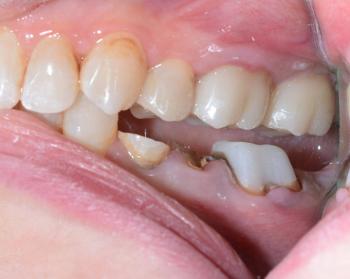
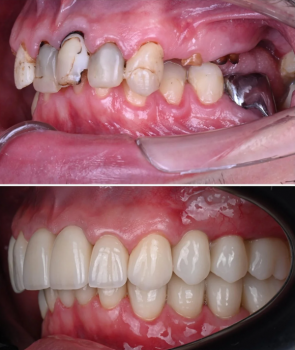
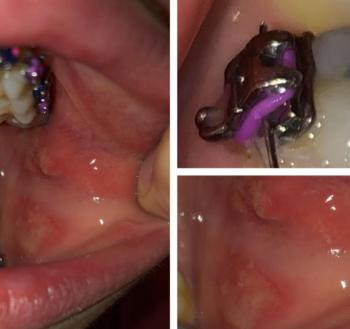
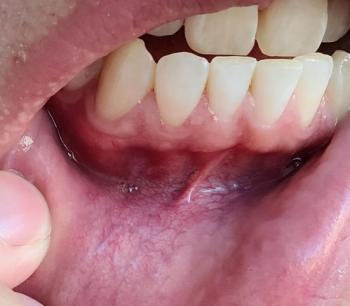
Patients with lower front gum inflammation may also experience tartar buildup, periodontal disease, gum abscesses, or tooth decay. Explore these related clinical case studies.


Other topics:
Other Dental Clinic
 |
 |
 |
 |