Dentures That Feel Natural, Look Beautiful.

Medical Science May Have Found a Way to Regrow Tooth Enamel Naturally
Language :
A Discovery That Could Change Dentistry Forever.
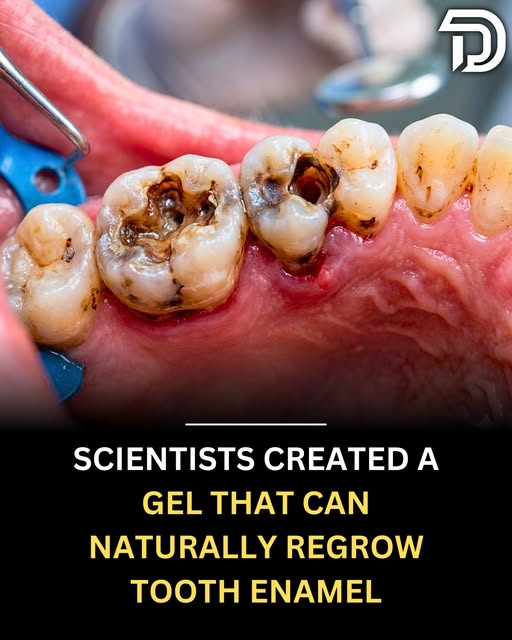
I was search enamel growth and found discovery are already enable when will this come to the mass production. For decades, dentists around the world have worked with one painful limitation: human tooth enamel cannot heal itself. Once enamel breaks down from cavities, acid erosion, grinding, or aging, the damage is permanent. Traditional dentistry has relied on fillings, crowns, veneers, and implants to restore what nature could no longer repair.
Now, researchers from MedicalXpress and multiple university laboratories are exploring a revolutionary breakthrough — a biomimetic dental gel capable of helping teeth regrow a protective enamel-like layer naturallyi.
If this technology continues to succeed in clinical development, the future of dentistry may shift from “repairing damage” toward “regenerating teeth.”
As a dental visionary looking toward the next 20 years of oral healthcare, this discovery represents something larger than a new material. It could completely redefine preventive dentistry, cosmetic dentistry, and even emergency dental treatment worldwide.
Why Tooth Enamel Matters So Much
To understand why this discovery is so important, we first need to understand enamel itself.
Tooth enamel is the outer shell of the tooth. It is the hardest substance in the human body — even stronger than bone. Enamel protects teeth against:
- Acid attacks from food and drinks
- Bacteria that cause cavities
- Mechanical wear from chewing
- Temperature sensitivity
- Tooth fracturez
Yet enamel has one major weakness:
It cannot regenerate naturally once lost.
Unlike skin or bone, enamel contains no living cells capable of repair. When enamel erodes, the body has no built-in system to grow it back.
This is why modern dentistry has depended heavily on artificial restorations:
- Composite fillings
- Porcelain veneers
- Crowns
- Bridges
- Dental implants
These treatments are highly effective, but they are still replacements — not true biological healing.
That may soon change.
The Revolutionary Gel That Mimics Natural Tooth Growth
Researchers developed a special gel designed to imitate the natural process of enamel formation during tooth development.
Instead of simply covering damage, the gel acts as a microscopic scaffold or framework.
When applied to a damaged tooth surface, the gel attracts minerals already present inside human saliva, especially:
- Calcium
- Phosphate
- Other enamel-building ions
These minerals begin organizing themselves into a highly structured crystal layer similar to natural enamel.
What makes the discovery extraordinary is this:
The new layer does not merely stick to the tooth surface like a coating.
It chemically integrates with the original enamel structure to form a unified, durable surface.
This creates something much closer to biological repair than cosmetic patchwork.
Laboratory Results Shocked Researchers
In laboratory trials, scientists observed remarkable progress within only ten days.
The regenerated layer demonstrated several promising characteristics:
Strong Hardness
The new enamel-like coating reached hardness levels approaching natural tooth enamel.
Acid Resistance
The material survived exposure to acidic conditions, one of the biggest threats to teeth worldwide.
Abrasion Resistance
The layer tolerated scrubbing and mechanical wear tests, suggesting potential durability during chewing and brushing.
Structural Integration
Microscopic imaging showed the new mineral layer blending with the original enamel instead of separating from it.
Although the regenerated layer remains relatively thin at this stage, researchers believe this is only the beginning.
Like many medical breakthroughs, early versions often evolve rapidly once real-world clinical investment accelerates.
Why This Could Be Bigger Than Fillings
The implications of this technology are enormous.
Today, dentists remove damaged tooth material and replace it with synthetic materials.
But regenerative enamel therapy could allow dentists to preserve more natural tooth structure.
That changes everything.
Imagine a future where:
- Early cavities heal naturally
- Tooth sensitivity disappears biologicallye
- Acid erosion reverses itself
- Small cracks repair without drilling
- Children avoid many fillings entirely
- Cosmetic whitening becomes less necessary because healthy enamel returns naturally
This is not science fiction anymore.
It is emerging regenerative dentistry.
Visualizing Global Adoption
If this technology becomes commercially successful, the impact could spread across every continent rapidly.
The world performs billions of dental restorations annually.
A successful enamel regeneration system would instantly become one of the most important dental innovations of the century.
Let us visualize how adoption could unfold globally.
Europe: The First Major Regenerative Dentistry Market
Europe has historically embraced advanced preventive healthcare faster than many regions.
Countries such as:
- Germany
- Sweden
- Netherlands
- Denmark
- Switzerland
already invest heavily in minimally invasive dentistry.
European healthcare systems strongly support preventive treatment because it lowers long-term medical costs.
If enamel-regrowth gel proves clinically reliable, Europe could become the first large-scale adoption zone.
Possible European Changes
Reduced Drilling Procedures
Patients may experience fewer invasive treatments during routine visits.
Insurance Support
European public healthcare systems may eventually subsidize enamel regeneration for early-stage decay.
Eco-Friendly Dentistry
Reduced use of metal fillings and synthetic materials may align with Europe’s sustainability goals.
Pediatric Revolution
Children could potentially receive regenerative treatments before cavities become severe.
This would dramatically reduce dental anxiety among younger generations.
Asia: The Largest Future Market
Asia could become the biggest long-term market for regenerative enamel technology due to its massive population and rising middle class.
Countries including:
- Japan
- South Korea
- China
- Singapore
- Philippines
- Thailand
- India
already show explosive growth in modern dental care.
Japan and South Korea
These nations are likely to become leaders in biomaterial integration and cosmetic regenerative dentistry.
Patients in these countries strongly value aesthetics and advanced healthcare technologies.
China
China’s massive dental manufacturing sector could rapidly scale production if patents and licensing expand globally.
Southeast Asia
Countries like the Philippines and Thailand may adopt the technology through dental tourism markets.
International patients already travel to Asia for:
- Dental implanto
- Veneers
- Full-mouth rehabilitation
- Cosmetic dentistry
Future patients may travel specifically for regenerative enamel procedures.
The United States: Commercial Acceleration at Massive Scale
United States could become the world’s fastest commercialization market once the technology receives regulatory approval.
The American dental industry thrives on innovation and patient demand for premium treatment options.
If successful, major U.S. dental companies would likely invest billions into:
- Enamel regeneration products
- Home-care versions
- Clinical treatment systems
- Cosmetic enhancement applications
- AI-guided remineralization monitoring
How American Dentistry Could Change
Luxury Preventive Dentistry
High-end clinics may market “biological smile restoration” rather than conventional fillings.
Subscription Dental Care
Patients may receive periodic enamel maintenance treatments similar to cosmetic skincare.
Reduced Long-Term Costs
Although initial treatments could be expensive, preventing major decay may reduce future restorative costs dramatically.
Integration With Digital Dentistry
AI scanners could detect microscopic enamel damage early and recommend immediate regenerative treatment.
What Happens to Traditional Fillings?
This question concerns many dentists and dental manufacturers.
The answer is likely balance, not replacement.
Even if enamel-regrowth technology becomes highly successful, traditional dentistry will still remain necessary for:
- Deep cavities
- Large fractures
- Severe infections
- Root canal-treated teeth
- Missing teeth
However, the number of early-stage fillings may decline substantially.
This shift resembles how medicine evolved from treating advanced disease toward prevention.
Dentistry may soon follow the same path.
A Future With Fewer Dental Drills
One of the most exciting possibilities is reducing the need for drilling.
Dental fear remains one of the most common anxieties worldwide.
Many patients delay treatment because they fear:
- Pain
- Needles
- Noise
- Drilling vibrations
- Tooth removal
Regenerative enamel therapy may help transform the patient experience into something far less traumatic.
Imagine a dental appointment where:
- A scanner detects microscopic enamel weakness
- The dentist applies regenerative gel
- Natural minerals rebuild the surface
- The tooth strengthens itself over time
No drilling.
No filling.
No major reconstruction.
This would represent one of the largest psychological shifts in dental history.
The Impact on Dental Tourism
Dental tourism may evolve dramatically if regenerative treatments become mainstream.
Currently, patients travel internationally mainly for lower-cost restorative work.
But future dental tourism could focus on advanced biological therapies.
Countries with strong dental innovation ecosystems may become global hubs for regenerative smile treatment.
This could reshape international healthcare economics.
Could This Reduce Tooth Loss Worldwide?
Potentially, yes.
Tooth decay remains one of the most widespread diseases on Earth.
Millions lose teeth every year due to untreated cavities and enamel destruction.
If enamel regeneration becomes accessible and affordable, the world may see:
- Lower cavity rates
- Reduced tooth extraction
- Better oral health in aging populations
- Longer-lasting natural teeth
- Lower infection risk
For developing countries, this technology could become especially transformative if costs eventually decrease.
Challenges Before Worldwide Adoption
Despite the excitement, major challenges still remain.
Clinical Trials
Human trials must confirm long-term safety and effectiveness.
Thickness Limitations
Current regenerated layers remain thin compared to full natural enamel.
Cost
Early versions may initially be expensive.
Regulatory Approval
Different countries require extensive testing before medical approval.
Long-Term Durability
Scientists still need years of data regarding chewing pressure, aging, and wear resistance.
These are significant hurdles, but they are normal for breakthrough medical technologies.
The Bigger Vision: Regenerative Dentistry
This discovery belongs to a much larger movement called regenerative medicine.
Instead of replacing damaged body parts artificially, regenerative medicine seeks to help the body heal itself biologically.
Dentistry is rapidly entering this era.
Future developments may eventually include:
- Regrown dentin
- Regenerated gums
- Bioengineered tooth roots
- Stem-cell tooth replacement
- Self-healing dental materials
What once sounded impossible is slowly entering scientific reality.
A Visionary Dental Perspective
As dental professionals look toward the future, one truth becomes increasingly clear:
Patients no longer want temporary repairs alone.
They want biological healing.
The future patient may ask:
“Can my tooth regrow naturally?”
Instead of:
“When do I need a filling?”
This is a profound shift in healthcare philosophy.
Dentistry may move from mechanical restoration toward biological regeneration.
And this new enamel-regrowth gel may become one of the first major milestones leading us there.
Final Thoughts
Human enamel has long been considered permanently irreplaceable.
That belief may soon change.
The development of regenerative dental gel represents far more than a laboratory experiment. It symbolizes a new direction for global oral healthcare — one focused on preservation, regeneration, and natural healing.
Europe may refine the preventive systems.
Asia may scale adoption to billions of people.
The United States may commercialize the technology rapidly.
Together, the world may witness the birth of a new dental era where protecting natural teeth becomes more powerful than replacing them.
While traditional fillings and restorative dentistry will still play critical roles, regenerative enamel science opens the door to something humanity has wanted for generations:
The possibility that teeth may finally learn how to heal themselves again.
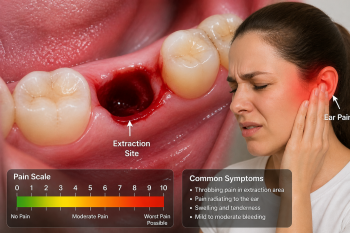
Can tooth extraction cause infection? Mild inflammation is normal, but increasing swelling, fever, or severe pain may indicate infection. Learn more about post-extraction infection warning signs in this detailed guide.
Book a consultation with our Cebu dental specialists for proper evaluation and care.
Ready to get expert guidance?
If you’re experiencing severe pain or delayed healing, book a consultation with our Cebu dental specialists to get proper evaluation and care.
Consultation or contact page .
Book a Consultation
For severe discomfort or delayed healing, book a consultation with our Cebu dental specialists today.
Looking for a dentist? Browse our Cebu dental directory to find trusted clinics near you.
Medical Review and Clinical Basis
This article is based on clinical dental guidelines and real patient recovery patterns observed after tooth extraction procedures. The information reflects common post-extraction healing stages, including normal clot formation, gum tissue repair, and signs of possible complications such as dry socket or infection.
While mild discomfort is expected after a dental extraction, worsening pain after Day 3, bad odor, exposed bone, or spreading pain may require professional evaluation. These symptoms are consistent with known post-extraction complications described in standard dental practice.
About Cebu Dental Implants
Cebu Dental Implants provides comprehensive tooth extraction, surgical procedures, and dental implant services in the Philippines. Our team evaluates post-extraction healing, manages complications such as dry socket, and advises patients on proper aftercare to prevent infection and delayed healing.
If you experience severe pain or unusual symptoms after extraction, early professional assessment is recommended to prevent further complications.
Important Medical Disclaimer
This content is for educational purposes only and does not replace professional dental diagnosis. Every patient heals differently. If symptoms worsen or do not improve within a few days, consult a licensed dentist for proper evaluation and treatment.
Author
This article was prepared by the Cebu Dental Implants content team in consultation with licensed dental professionals experienced in tooth extraction and implant procedures.
Related Clinical Cases
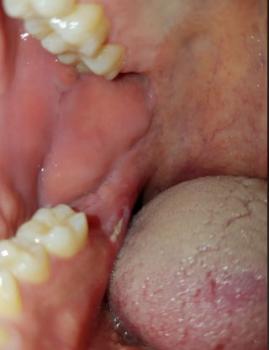
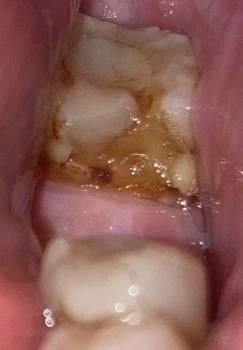
Patients with lower front gum inflammation may also experience tartar buildup, periodontal disease, gum abscesses, or tooth decay. Explore these related clinical case studies.

Other topics:
Other Dental Clinic