Smile Again with Comfort and Confidence.

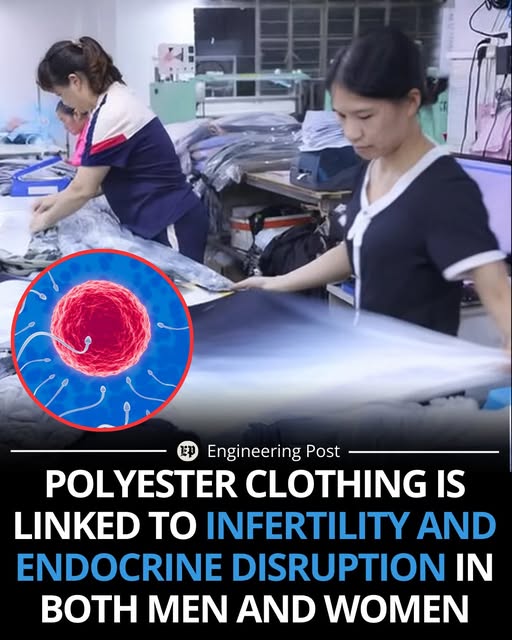
Your Gym Clothes and Infertility: The Synthetic Fabric Link to Declining Populations
Language :
Topics:
Beyond Infertility: The Unseen Link Between Your Gym Clothes and Declining FertilityHow Synthetic Fabrics and Lifestyle Choices in Developed Nations Are Contributing to a Silent Population Crisis
A silent and troubling trend is unfolding in developed nations worldwide: a persistent and rapid decline in population growth. While complex social and economic factors are at play, scientists are now turning their attention to a surprising and everyday contributor hiding in plain sight—our clothing.
The modern lifestyle, especially in first-world countries, champions convenience, performance, and comfort. We live in activewear, from high-performance gym leggings to moisture-wicking shirts, often made from synthetic materials like polyester. However, emerging research suggests that the very fabrics we wear for hours each day in the name of health may be silently undermining a fundamental aspect of it: our reproductive health and fertility.
The Fabric of a Modern Problem: Polyester and Your Hormones
Polyester is not just a fabric; it's a synthetic plastic polymer derived from petroleum. Worn in constant, intimate contact with the skin, it becomes a direct delivery system for potential disruptors.
-
Chemical Additives: To achieve stretch, moisture-wicking, or stain resistance, synthetic fabrics are treated with a cocktail of chemical additives. Among the most concerning are phthalates and per- and polyfluoroalkyl substances (PFAS), often called "forever chemicals." These substances are known Endocrine Disrupting Chemicals (EDCs). They can mimic, block, or interfere with the body's natural hormones, particularly estrogen and testosterone, which are critical for ovulation, sperm production, and healthy pregnancy.
-
Microplastic Shedding: Every time you wear, move, or wash polyester clothing, it sheds microscopic plastic fibers. These microplastics can cling to the skin, be inhaled, or even enter the body. Once inside, they can act as carriers for other toxins and may cause low-grade inflammation, creating an inhospitable environment for conception.
-
The Static Electricity Factor: A less discussed but intriguing mechanism is static electricity. Polyester is highly electrostatic. Some early-stage research posits that these constant, low-level electrical fields generated against the skin could subtly interfere with cellular processes and biochemical pathways over years of prolonged exposure.
From Animal Studies to Human Concerns
While direct, long-term human trials are ethically complex, animal studies provide a compelling warning. Research, including studies on dogs, has shown measurable reductions in fertility following extended periods wearing polyester garments. Notably, fertility rates often returned to normal once the synthetic material was removed. This reversible effect strongly points to the material itself as a causative agent, not a permanent biological change.
For humans, the evidence is growing circumstantially but is no less significant. The widespread adoption of synthetic athletic and casual wear coincides with documented declines in sperm counts and rising rates of infertility in industrialized nations. It forms a piece of a larger puzzle that includes diet, stress, environmental pollutants, and delayed childbearing.
What You Can Do: Practical Steps to Mitigate Risk
The goal is not to incite panic but to promote informed choice. You don't need to discard your entire wardrobe, but you can make smarter swaps and adopt protective habits.
-
Choose Natural Fibers for Intimate and Prolonged Wear: Opt for underwear, sleepwear, and loungewear made from organic cotton, linen, bamboo (mechanically processed), silk, or merino wool. These materials are breathable and free from synthetic chemicals.
-
Be a Label Detective: Look for certifications like GOTS (Global Organic Textile Standard) or OEKO-TEX® Standard 100, which limit harmful substances in textiles.
-
Wash Before You Wear: Always wash new synthetic clothing at least once before wearing it. This can remove a significant portion of surface-level chemical residues and finishes.
-
Limit Prolonged Skin Contact: If you wear synthetic activewear for a workout, change out of it as soon as possible afterward. Don't make it your all-day outfit.
-
Support Your Body Holistically: Reducing exposure is one pillar. Support your reproductive health with a nutrient-rich diet, regular exercise (in appropriate gear), stress management, and avoiding other known toxins like smoking and excessive alcohol.
The decline in global fertility is multifaceted, but ignoring the potential impact of our daily environmental exposures is a mistake. The clothes we wear are a part of our "exposome"—the sum of all environmental influences on our health.
By choosing natural fibers for the garments closest to our skin and being mindful of how long we wear synthetics, we take a proactive step in safeguarding our hormonal health. It's a small change with potentially profound implications, not just for individual fertility, but for the future well-being of populations worldwide. The fabric of our future may well depend on the fabrics we choose today.
Looking for dentist : Visit directory list
Teeth Case
 |
 |
 |
 |
 |
 |