Building Confidence One Smile at a Time.

The Philippine Dental Implant Trap: When Profit Overrides Patient Safety
Language :
Topics:
The Cost of Compromise: When Profit Overrides Bone Health in Philippine Dental Implants
The promise of a "perfect smile at a fraction of the cost" lures many, including medical tourists who travel to the Philippines for dental work. But beneath the surface of these attractive offers lies a dangerous reality: the systematic overlooking of biological fundamentals for financial gain. This is a story of a perfect storm—a patient desperate to save money and a dentist desperate to make it—that led to catastrophic failure.
The Case of Peter: A Tale of Two Desperations
Peter, an overseas Filipino worker, returned home for vacation, seeing it as a chance to finally fix his smile. He'd saved up, and the implant prices in the Philippines were a fraction of those in his host country. He visited a clinic in a major city and insisted on getting implants, driven by a long-held desire and a tight budget.
The dentist, facing a slow month and pressure to generate income, saw a willing patient. A panoramic X-ray was taken, but it was insufficient. A critical 3D CBCT scan—the only tool that can accurately assess bone density and volume—was skipped. The dentist saw "enough" bone, but not qualified bone. The bone marrow, the vital, living core responsible for healing and osseointegration, was functionally disqualified; it lacked the density and blood supply needed to anchor an implant.
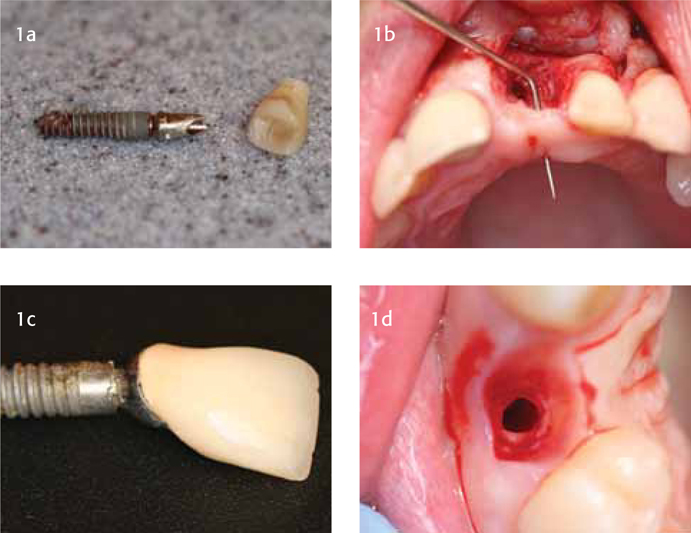
The surgery proceeded. For three months, Peter lived in hope. But then, the implants failed. They became loose, caused persistent pain and swelling, and had to be removed. Peter was left with less bone than he started with, more pain, and a much lighter wallet. His attempt to save money resulted in a costly, painful, and emotionally devastating failure.
The Analysis: Why This Failure Was Predictable
As outlined in resources like Dental Nursing on implant failures and complications, success hinges on strict criteria. Placing an implant in disqualified bone is one of the most direct paths to early failure (within the first 3-6 months). Here’s a breakdown:
-
The Primacy of Bone Quality: An implant is not a screw in a wall; it's a transplant that the body must accept. The bone marrow's primary role is to produce osteoblasts—the cells that build new bone. If the marrow is compromised (due to low density, poor health, or anatomy), these cells cannot form a strong bond with the implant surface, a process called osseointegration. Without it, the implant remains a loose foreign body.
-
The Ethical Breach: A qualified dentist knows that patient demand does not override biological reality. The principle of "informed consent" is not just about getting a signature; it's about ensuring the patient understands the risks. Pushing forward when the foundation is known to be weak is a breach of this ethical duty, prioritizing income over outcome.
-
The Aftermath is Worse: A failed implant does more than just waste money. It causes bone loss, making any future attempt at an implant more complex, more expensive, and often requiring extensive bone grafting first. The patient is left in a worse position than when they started.
The Critical Advice: For Patients and Dentists
To Patients in the Philippines and Abroad:
-
Your Bone is the Foundation: Insist on a 3D CBCT Scan before any implant is placed. This is non-negotiable. If a dentist proposes implants without one, see it as a major red flag and walk away.
-
"No" is a Protective Answer: If a dentist tells you that you are not a good candidate for implants due to bone quality, listen. A dentist who says "no" is often the one who cares more about your long-term health than a quick payment.
-
Value Expertise Over Price: The cheapest implant is the most expensive one when it fails. Research your dentist's credentials, experience, and reviews meticulously. Look for before-and-after cases and ask about their success rates.
To Dentists in the Philippines:
-
Uphold the Standard of Care: Your duty is to the patient's health, not their wallet. The standard of care for implantology mandates a proper 3D diagnosis. Cutting corners erodes public trust and tarnishes the reputation of the entire profession.
-
Manage Patient Expectations: It is your job to educate, not just acquiesce. Explain why bone quality is crucial. Offer alternative solutions, such as bone grafting first, or other prosthetic options like bridges.
-
Remember the Oath: "First, do no harm." Placing an implant in a doomed site causes physical, financial, and psychological harm. Uphold the integrity of your profession by knowing when to say, "I cannot do this in good conscience."
Peter's story is a painful lesson. In dentistry, as in construction, there are no shortcuts on the foundation. The pursuit of profit must never eclipse the imperative of patient care.
Looking for dentist : Visit directory list
Related Clinical Cases
Patients with lower front gum inflammation may also experience tartar buildup, periodontal disease, gum abscesses, or tooth decay. Explore these related clinical case studies.
Other topics:
Other Dental Clinic