Smile Again with Comfort and Confidence.

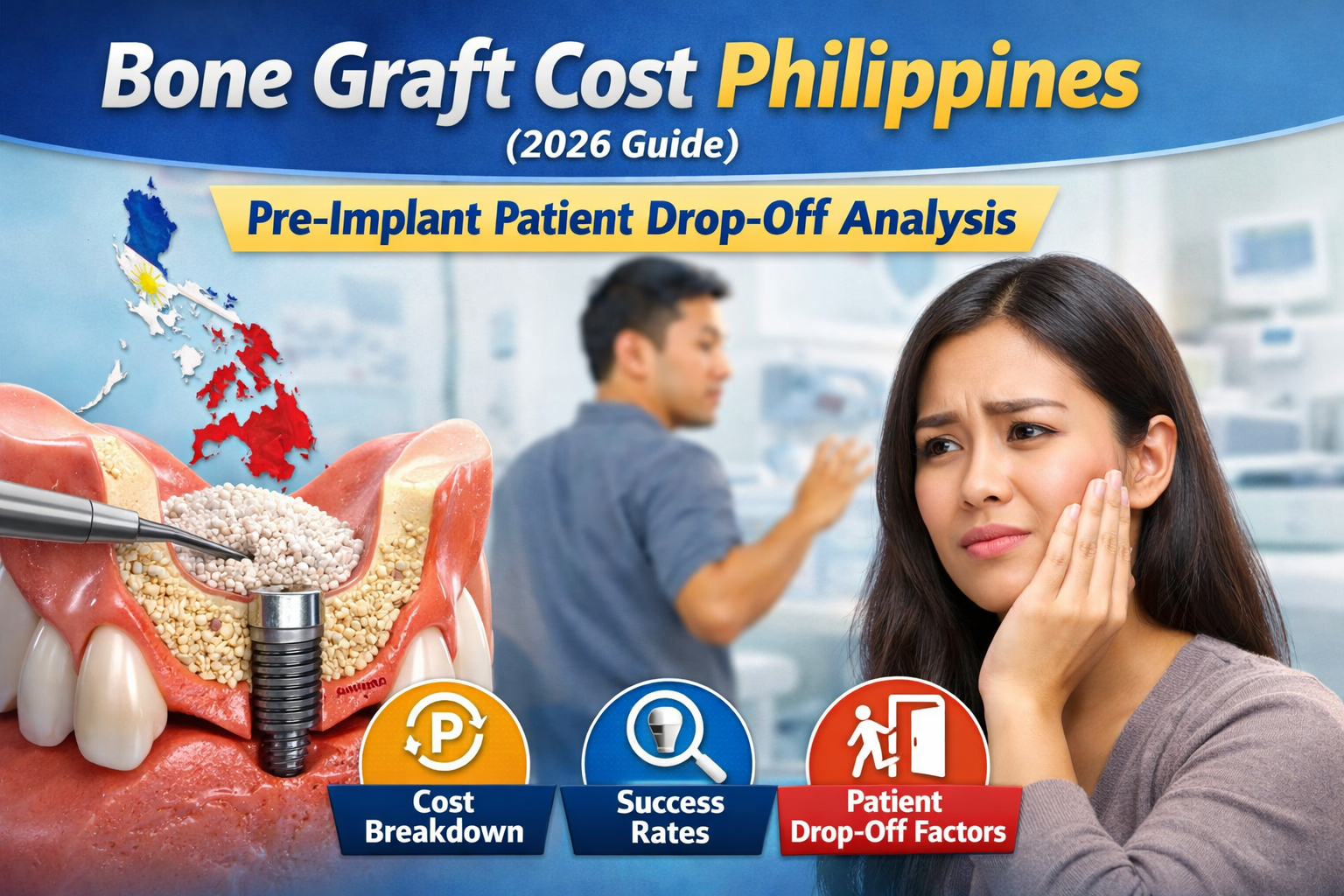
Bone Graft Cost Philippines (2026 Guide) – Pre-Implant Patient Drop-Off Analysis
Language :
Topics:
As a dental practitioner or clinic manager in the Philippines, one of the most common challenges is helping patients understand why bone grafting is sometimes necessary before placing a dental implant. Many patients are surprised to learn that implant placement is not always a “one-step” procedure.
This guide is designed to educate patients clearly and transparently.
PART A: Cost Breakdown – Bone Grafting in the Philippines
Bone grafting is required when there is insufficient jawbone to support a dental implant. Bone loss usually occurs after tooth extraction, long-term missing teeth, infection, or gum disease.
Below is a general cost guide in Philippine clinics (2026 estimate).
Bone Graft Cost Table (Philippines)
| Type of Bone Graft | Description | Estimated Price Range (PHP) | Notes / Use Case |
|---|---|---|---|
| Autograft | Bone taken from the patient’s own body (usually chin or jaw area). | ₱35,000 – ₱80,000 | Considered the "gold standard" because it uses your own living bone. Requires a second surgical site. |
| Allograft | Bone sourced from a human donor (processed and sterilized). | ₱25,000 – ₱60,000 | No second surgery site needed. Commonly used for moderate bone defects. |
| Xenograft | Bone derived from animal source (usually bovine/cow). | ₱20,000 – ₱50,000 | Very common in Philippine clinics. Acts as a scaffold for new bone growth. |
| Alloplast (Synthetic) | Man-made bone substitute material. | ₱15,000 – ₱40,000 | Used for minor defects or socket preservation after extraction. |
Important Note:
Prices vary depending on:
-
Size of bone defect
-
Location (front vs. back teeth)
-
Number of graft sites
-
Clinic equipment (CBCT-guided surgery)
-
Dentist’s training and specialization
Additional Possible Costs
Patients should also be informed about the following possible additional expenses:
-
CBCT Scan (3D X-ray): ₱5,000 – ₱10,000
-
Panoramic X-ray: ₱800 – ₱1,500
-
Collagen Membrane Fee: ₱5,000 – ₱15,000
-
Surgical Professional Fee: May be included or separate
-
Medications (Antibiotics & Pain Relievers): ₱1,000 – ₱3,000
-
Follow-up Appointments
Transparency reduces misunderstandings.
PART B: The “Failed Process” Analysis – Why Many Patients Do Not Proceed
Many Filipino patients attend consultation but do not proceed with bone grafting or implants. This is not about irresponsibility — it is about understanding human behavior, culture, and financial realities.
1. Financial Shock (Sticker Shock)
Many patients come in expecting the cost of a dental implant only (₱70,000 – ₱150,000 per tooth in many clinics).
When they discover that a bone graft is an additional procedure, costing ₱15,000 – ₱80,000 on top of the implant, they experience:
-
Surprise
-
Anxiety
-
Sudden budget conflict
For middle-income Filipino families, this is a major financial decision. Without prior education, patients may feel overwhelmed and delay treatment.
2. The “Matagal” (Long Waiting) Factor
Filipino culture often values quick results. Patients commonly ask:
“Doc, pwede ba isang kabit lang?”
However, bone grafting requires healing time:
-
3–6 months for bone integration
-
Additional waiting before implant placement
-
Another healing period after implant surgery
This long timeline discourages patients who prefer immediate solutions such as dentures or bridges.
The psychological barrier of waiting is real.
3. Fear & Misinformation
Many patients are afraid of:
-
“Pagtatahi” (stitches)
-
Swelling
-
Surgical pain
-
Bone harvesting from their own jaw (Autograft)
Some patients misunderstand autograft procedures and think:
“Kukuhaan ako ng buto? Baka masira ang panga ko.”
In reality, modern surgical techniques are controlled and safe when performed properly. But fear spreads faster than facts, especially through social media stories and hearsay.
4. The “Tingin Lang” Mentality
It is common in the Philippines for patients to:
-
Get 3–5 quotations
-
Compare prices heavily
-
Look for the cheapest option
-
Delay commitment
While comparing clinics is normal, sometimes this becomes “window shopping” instead of recognizing medical necessity.
Bone grafting is not an “upgrade.”
It is a biological requirement when bone volume is insufficient.
When patients view it as optional, they often postpone indefinitely — resulting in further bone loss.
PART C: Educational Advice for Patients
If you are considering dental implants, here are practical steps:
1. Financial Preparation
-
Ask for a full treatment plan breakdown during consultation.
-
Request a staged payment schedule if available.
-
Consider setting aside savings before starting.
-
Ask if your clinic offers installment plans.
2. Ask These Questions:
-
Why do I need a bone graft?
-
What type of graft is recommended for my case?
-
How long is the healing period?
-
What happens if I delay treatment?
-
Are there alternative options?
Clear communication prevents confusion.
Final Message to Patients
Bone grafting is not an unnecessary add-on. It is often the foundation of a successful, long-lasting dental implant. Skipping this step when medically required increases the risk of implant failure.
Education reduces fear.
Transparency reduces financial shock.
Planning reduces drop-off.
A well-informed patient makes better decisions — and achieves better long-term oral health.
Looking for dentist : Visit directory list
Related Clinical Cases
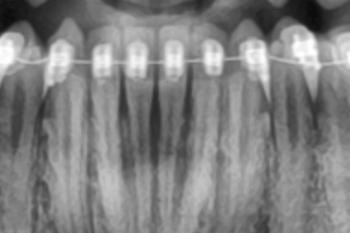
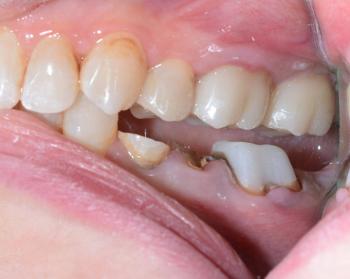
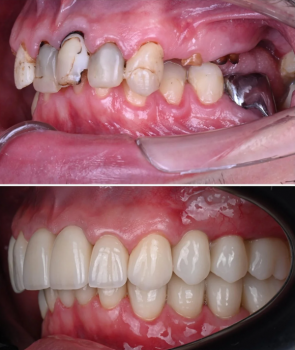
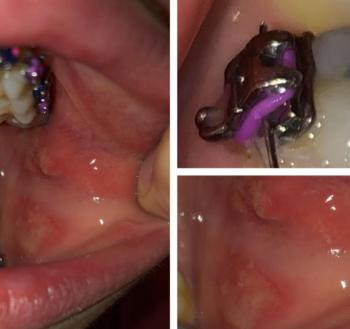
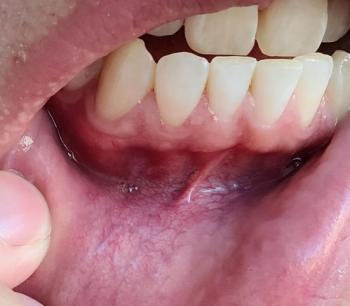
Patients with lower front gum inflammation may also experience tartar buildup, periodontal disease, gum abscesses, or tooth decay. Explore these related clinical case studies.


Other topics:
Other Dental Clinic