From Pain to Perfect — We Care for Your Smile.

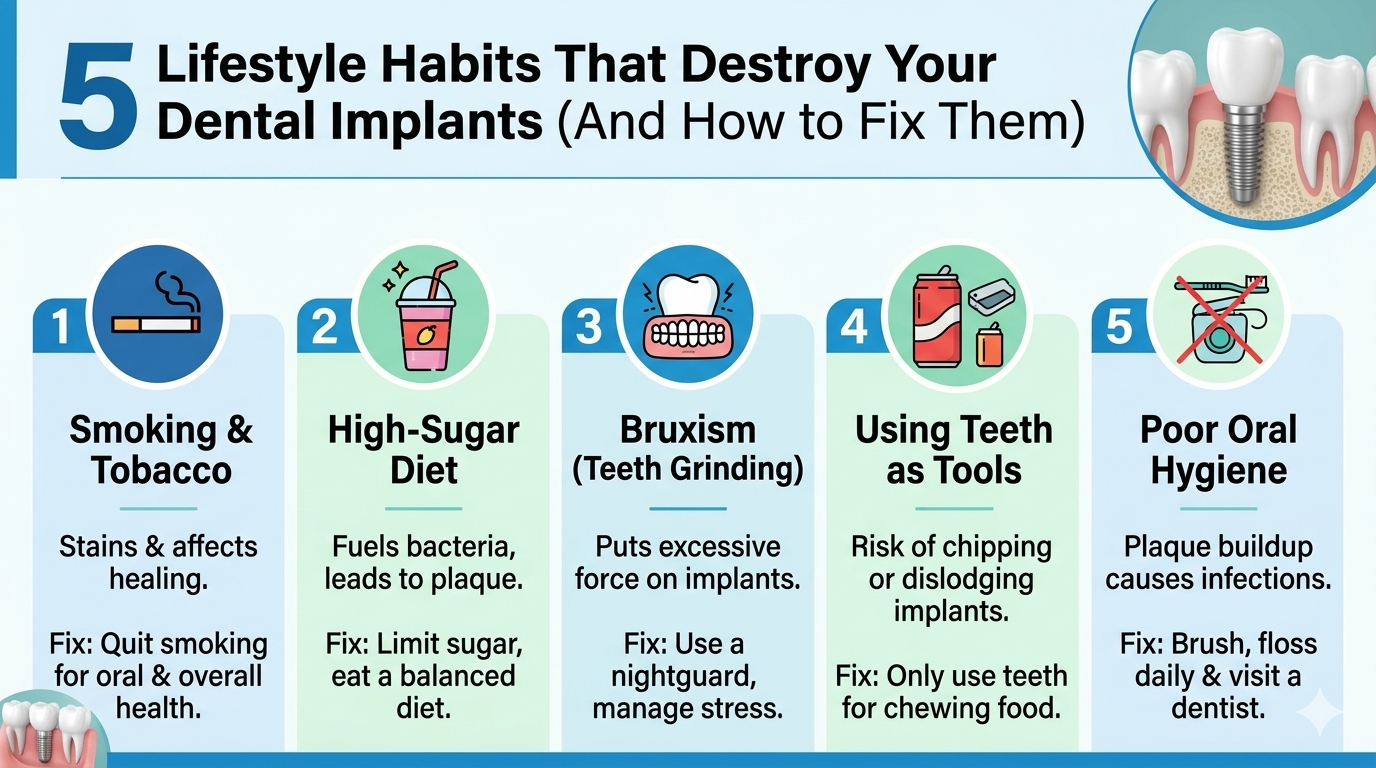
5 Lifestyle Habits That Destroy Your Dental Implants (And How to Fix Them)
Language :
Getting a dental implant is a significant investment in your health, confidence, and future. You’ve gone through the procedure, the healing process, and finally, you have a tooth that looks, feels, and functions just like the real thing.
But here is the truth that many clinics don't emphasize enough: Your long-term success depends almost entirely on what you do after you leave the chair.
While implants cannot get cavities, they are absolutely vulnerable to the lifestyle choices you make every day. In fact, the leading causes of implant failure are often not surgical errors, but patient habits.
If you are considering dental implants in Cebu or have recently received them, understanding these five risk factors is the single most important thing you can do to protect your smile and your investment.
1. Poor Nutrition: Are You Starving Your Implant?
When we think of diet and teeth, we usually think of sugar and cavities. But implants are different. They integrate directly with your bone in a process called osseointegration. This means your diet needs to support bone health, not just gum health.
The Danger:
A diet high in processed foods and low in calcium, vitamin D, and protein can lead to slower healing after surgery and, years later, to bone loss around the implant (peri-implantitis). If the bone deteriorates, the implant loses its foundation and can fail.
The Fix:
Focus on a "bone-building" diet:
-
Calcium: Dairy products, leafy greens (like malunggay), and fortified foods.
-
Vitamin D: Crucial for calcium absorption. Get safe sun exposure or eat fatty fish like salmon.
-
Protein: Essential for tissue repair. Include eggs, chicken, fish, and legumes in your meals.
2. Excess Alcohol Consumption: The Slow Healer
A glass of wine with dinner is unlikely to cause problems. However, heavy or binge drinking is a significant risk factor for implant failure, especially in the early stages.
The Danger:
Alcohol acts as a vasodilator (widens blood vessels) and can interfere with blood clotting immediately after surgery. More importantly, chronic heavy use impairs the body's immune response and slows down bone healing. Studies have shown that patients with high alcohol consumption have a significantly higher rate of implant failure than non-drinkers.
The Fix:
-
Post-Surgery: Avoid alcohol completely for at least the first 7-10 days after your implant surgery to allow the initial clot to stabilize and healing to begin.
-
Long-Term: If you drink, do so in moderation. For dental health, this means being mindful that heavy use can compromise your body's ability to maintain strong bone.
3. Chronic Stress: The Silent Jaw Clencher
Stress is a modern epidemic, and your mouth is often the first place it shows up. Do you grind your teeth at night? Do you clench your jaw during a difficult workday? This is called bruxism, and it is an implant's worst enemy.
The Danger:
Natural teeth have a ligament that acts as a shock absorber. Implants do not. They are fused directly to the bone. When you clench or grind with excessive force, that pressure transfers directly to the implant and the surrounding bone. Over time, this can lead to mechanical complications (like fractured screws or crowns) or even bone loss.
The Fix:
-
Awareness: If you wake up with a sore jaw or headaches, you may be grinding at night.
-
Night Guard: The most effective solution is a custom-fitted night guard (occlusal splint). This device absorbs the force of grinding, protecting your implants and natural teeth.
-
Stress Management: Incorporate stress-reduction techniques like exercise, meditation, or simply taking breaks during the day to unclench your jaw.
4. Poor Oral Hygiene: The Number One Preventable Cause
This is the most critical factor. Just because an implant can't decay doesn't mean it can't get diseased. The tissues around the implant—the gums and bone—are very much alive and vulnerable to bacteria.
The Danger:
Plaque buildup around an implant leads to a condition called peri-implant mucositis (inflammation of the gums), which can progress to peri-implantitis (infection and loss of the bone supporting the implant). Peri-implantitis is aggressive, difficult to treat, and a leading cause of late-stage implant failure. Unlike a natural tooth where you might feel a cavity, implant disease can progress silently until the implant becomes loose.
The Fix:
You must treat your implant with the same, if not more, diligence as a natural tooth.
-
Brush Twice Daily: Use a soft-bristled toothbrush. Pay special attention to the gum line around the implant crown.
-
Floss Daily: Standard floss can work, but many find "super floss" (which has a stiffened end and a spongy section) or interdental brushes easier for cleaning around the implant post and under the crown.
-
Water Flosser: A water flosser (Waterpik) is excellent for flushing out food particles and bacteria from hard-to-reach areas around the implant.
5. Smoking: The Implant Killer
While you asked specifically about nutrition, alcohol, stress, and hygiene, I would be remiss not to mention the biggest lifestyle risk factor of all: smoking. It is often intertwined with these other factors.
The Danger:
Nicotine constricts blood vessels, severely reducing blood flow to the gums and jawbone. This means less oxygen and fewer nutrients reach the healing site. Smokers have a significantly higher rate of early implant failure (failure to integrate with the bone) and late-stage complications.
The Fix:
-
Quit Before Surgery: Ideally, patients should stop smoking or at least significantly reduce intake weeks before and after the procedure.
-
Long-Term Commitment: Continuing to smoke puts your implant at continuous, elevated risk.
Your Implant is a Partnership
Think of your dental implant as a partnership between your surgeon's skill and your daily habits. The surgeon provides the foundation, but you maintain the structure.
If you are planning to travel to Cebu for dental implants, it is the perfect time to assess these lifestyle factors. Use your recovery period (often spent relaxing in a hotel or resort) as an opportunity to establish healthy habits: eat nutritious local foods, avoid alcohol while healing, and commit to a meticulous oral hygiene routine.
Protect your investment. Your smile will thank you for it.
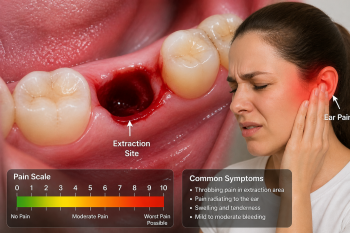
Can tooth extraction cause infection? Mild inflammation is normal, but increasing swelling, fever, or severe pain may indicate infection. Learn more about post-extraction infection warning signs in this detailed guide.
Book a consultation with our Cebu dental specialists for proper evaluation and care.
Ready to get expert guidance?
If you’re experiencing severe pain or delayed healing, book a consultation with our Cebu dental specialists to get proper evaluation and care.
Consultation or contact page .
Book a Consultation
For severe discomfort or delayed healing, book a consultation with our Cebu dental specialists today.
Looking for a dentist? Browse our Cebu dental directory to find trusted clinics near you.
Medical Review and Clinical Basis
This article is based on clinical dental guidelines and real patient recovery patterns observed after tooth extraction procedures. The information reflects common post-extraction healing stages, including normal clot formation, gum tissue repair, and signs of possible complications such as dry socket or infection.
While mild discomfort is expected after a dental extraction, worsening pain after Day 3, bad odor, exposed bone, or spreading pain may require professional evaluation. These symptoms are consistent with known post-extraction complications described in standard dental practice.
About Cebu Dental Implants
Cebu Dental Implants provides comprehensive tooth extraction, surgical procedures, and dental implant services in the Philippines. Our team evaluates post-extraction healing, manages complications such as dry socket, and advises patients on proper aftercare to prevent infection and delayed healing.
If you experience severe pain or unusual symptoms after extraction, early professional assessment is recommended to prevent further complications.
Important Medical Disclaimer
This content is for educational purposes only and does not replace professional dental diagnosis. Every patient heals differently. If symptoms worsen or do not improve within a few days, consult a licensed dentist for proper evaluation and treatment.
Author
This article was prepared by the Cebu Dental Implants content team in consultation with licensed dental professionals experienced in tooth extraction and implant procedures.
Related Clinical Cases
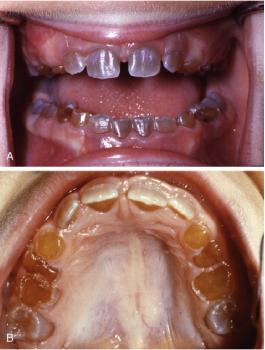
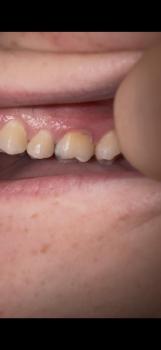
Patients with lower front gum inflammation may also experience tartar buildup, periodontal disease, gum abscesses, or tooth decay. Explore these related clinical case studies.



Other topics:
Other Dental Clinic