Strong Teeth, Fresh Breath, Brighter You.

Aetna Dental Implant Coverage (2026 Complete Guide USA)
Language :
Dental implants are widely recognized as the most effective long-term solution for missing teeth, but cost remains a major concern for many patients. If you are insured through Aetna, one of the largest health and dental insurance providers in the United States, you may be wondering whether your plan helps cover implant procedures.
The answer depends on your specific policy, coverage level, and how your treatment is categorized. This guide provides a clear, professional breakdown of how Aetna dental insurance works for implants, what expenses you can expect, and how to maximize your benefits.
Does Aetna Cover Dental Implants?
The Short Answer
Aetna may provide partial coverage for dental implants under certain plans, but full coverage is uncommon.
Why Coverage Varies
Aetna offers several dental plan types, including:
- PPO dental plans
- DMO (Dental Maintenance Organization) plans
- Employer-sponsored group plans
- Individual and family plans
Each plan defines its own:
- Covered procedures
- Reimbursement levels
- Waiting periods
- Annual maximums
Because dental implants are categorized as major procedures, coverage is often limited.
What Parts of the Implant Procedure Are Covered?
Dental implant treatment involves multiple stages, and coverage may differ for each.
Implant Placement (Surgical Component)
This includes the titanium post inserted into the jawbone.
- Often classified as a major service
- May be partially covered or excluded depending on your plan
Abutment and Crown (Restorative Phase)
These components restore the tooth’s function and appearance.
- More likely to receive partial coverage
- Typically reimbursed at 40% to 50%
Diagnostic and Preparatory Procedures
These include:
- X-rays
- CT scans
- Consultations
Often covered under preventive or basic services, depending on the plan.
Aetna Coverage Levels Explained
Preventive Services
- Routine exams
- Cleanings
- Basic imaging
Coverage typically ranges from 80% to 100%.
Basic Services
- Fillings
- Simple extractions
Usually covered at 50% to 80%.
Major Services (Implants Included)
- Crowns
- Bridges
- Dental implants
Coverage generally ranges from 40% to 50%, if included in your policy.
Annual Maximums and Financial Limits
Most Aetna dental plans include an annual benefit cap.
Typical limits:
- $1,000 to $2,000 per year
Since implant procedures can exceed these limits, patients should plan for out-of-pocket expenses.
Waiting Periods for Implant Coverage
Aetna plans often require waiting periods before covering major procedures.
Common timelines:
- Preventive services: immediate coverage
- Basic services: 3 to 6 months
- Major services: 6 to 12 months
Patients should confirm eligibility before starting treatment.
Average Cost of Dental Implants with Aetna
Without Insurance
- Single implant: $3,000 to $6,000
- Full mouth implants: $20,000 to $50,000 or more
With Aetna Insurance
Example:
- Implant cost: $4,500
- Coverage: 50%
- Annual maximum: $1,500
Estimated outcome:
- Insurance pays: $1,500
- Patient pays: $3,000
Key Limitations to Consider
Missing Tooth Clause
Some Aetna plans may not cover implants if the tooth was missing before the policy started.
Frequency and Replacement Limits
Restrictions may apply to how often implants or restorations are covered.
Network Restrictions
Higher costs may apply if treatment is performed by out-of-network providers.
How to Maximize Aetna Dental Benefits
From an insurance planning perspective, strategy is essential.
Choose In-Network Providers
Using Aetna-approved providers helps reduce treatment costs and increases reimbursement.
Request a Pre-Treatment Estimate
Submit a detailed treatment plan to Aetna before starting procedures to understand coverage and costs.
Phase Treatment Across Benefit Years
Spreading procedures across two calendar years allows patients to use multiple annual maximums.
Combine Coverage Options
Patients often combine Aetna dental insurance with:
- Health Savings Accounts (HSA)
- Flexible Spending Accounts (FSA)
- Secondary dental insurance plans
Short Story: A Successful Aetna Coverage Case
Daniel, a 45-year-old engineer from California, required two dental implants after a sports-related injury. His total treatment estimate was $8,800.
Initially, Daniel assumed that insurance would only cover a small portion. However, after reviewing his Aetna PPO plan, a strategic approach was implemented:
- Pre-treatment estimate submitted for approval
- Treatment scheduled across two benefit periods
- Selection of an in-network implant specialist
- Use of HSA funds to cover remaining expenses
Outcome:
- Aetna covered $3,000 across two years
- Negotiated provider rates reduced overall cost
- Daniel completed treatment with manageable out-of-pocket expenses
His experience demonstrates that careful planning can significantly improve financial outcomes.
When Aetna Coverage Is Not Enough
Even with insurance, patients often explore additional cost-saving options.
Supplemental Dental Insurance
Provides additional support for major procedures.
Health Savings and Financing Options
Tax-advantaged accounts and payment plans help manage remaining costs.
Dental Tourism
Some patients choose to receive treatment abroad to reduce costs while maintaining quality care standards.
Risks and Considerations
Before proceeding, patients should understand potential challenges.
Coverage Caps
Annual limits may not fully cover implant procedures.
Plan Exclusions
Not all Aetna plans include implant benefits.
Claim Approval Process
Incomplete documentation or lack of pre-authorization may result in denied claims.
Frequently Asked Questions
Does Aetna fully cover dental implants?
No. Coverage is typically partial, and patients are responsible for remaining costs.
What percentage does Aetna cover?
Most plans cover 40% to 50% of major procedures, subject to annual limits.
Are implants covered better than dentures?
Coverage varies, but implants are generally categorized as major procedures with limited reimbursement.
Can I upgrade my Aetna plan for better coverage?
Yes, but waiting periods and eligibility conditions may apply.
Is pre-authorization required?
Yes. Submitting a treatment plan in advance is recommended to avoid unexpected expenses.
Related Topics
Medicare Dental Implant Coverage USA
Compare Aetna dental insurance with Medicare limitations and coverage rules.
Delta Dental Implant Coverage Guide
Understand how Aetna differs from Delta Dental in implant coverage and benefits.
Dental Implants Cost USA vs Philippines
Explore cost differences and alternative options for affordable treatment.
Final Thoughts
Aetna dental insurance can significantly reduce the cost of dental implants, but it does not eliminate out-of-pocket expenses. Understanding your plan details, coverage limits, and reimbursement structure is essential.
Patients who take a proactive approach by verifying benefits, planning treatment phases, and combining financial resources are best positioned to achieve successful outcomes.
The most effective strategy is informed decision-making supported by professional guidance.
Can tooth extraction cause infection? Mild inflammation is normal, but increasing swelling, fever, or severe pain may indicate infection. Learn more about post-extraction infection warning signs in this detailed guide.
Book a consultation with our Cebu dental specialists for proper evaluation and care.
Ready to get expert guidance?
If you’re experiencing severe pain or delayed healing, book a consultation with our Cebu dental specialists to get proper evaluation and care.
Consultation or contact page .
Book a Consultation
For severe discomfort or delayed healing, book a consultation with our Cebu dental specialists today.
Looking for a dentist? Browse our Cebu dental directory to find trusted clinics near you.
Medical Review and Clinical Basis
This article is based on clinical dental guidelines and real patient recovery patterns observed after tooth extraction procedures. The information reflects common post-extraction healing stages, including normal clot formation, gum tissue repair, and signs of possible complications such as dry socket or infection.
While mild discomfort is expected after a dental extraction, worsening pain after Day 3, bad odor, exposed bone, or spreading pain may require professional evaluation. These symptoms are consistent with known post-extraction complications described in standard dental practice.
About Cebu Dental Implants
Cebu Dental Implants provides comprehensive tooth extraction, surgical procedures, and dental implant services in the Philippines. Our team evaluates post-extraction healing, manages complications such as dry socket, and advises patients on proper aftercare to prevent infection and delayed healing.
If you experience severe pain or unusual symptoms after extraction, early professional assessment is recommended to prevent further complications.
Important Medical Disclaimer
This content is for educational purposes only and does not replace professional dental diagnosis. Every patient heals differently. If symptoms worsen or do not improve within a few days, consult a licensed dentist for proper evaluation and treatment.
Author
This article was prepared by the Cebu Dental Implants content team in consultation with licensed dental professionals experienced in tooth extraction and implant procedures.
Related Clinical Cases
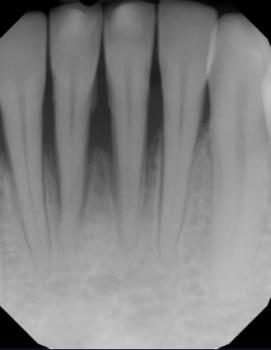
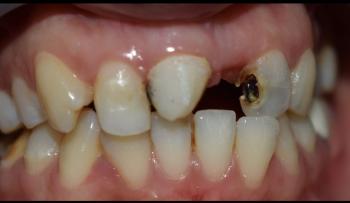
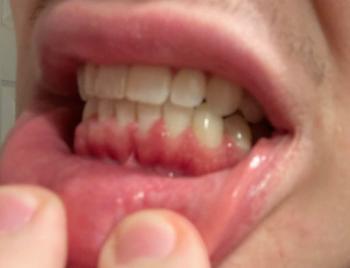
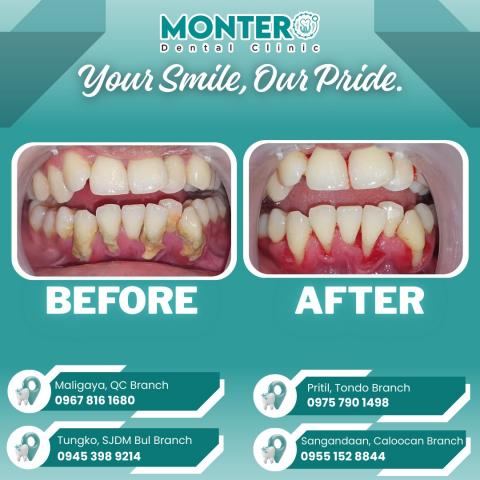
Patients with lower front gum inflammation may also experience tartar buildup, periodontal disease, gum abscesses, or tooth decay. Explore these related clinical case studies.