Transforming Smiles, Restoring Confidence.

Difficulty Breathing and Root Canal Infections in Oxnard, California: A USA Dentist Explains the Warning Signs, Diagnosis, Treatment, and When It Becomes a Medical Emergency
Language :
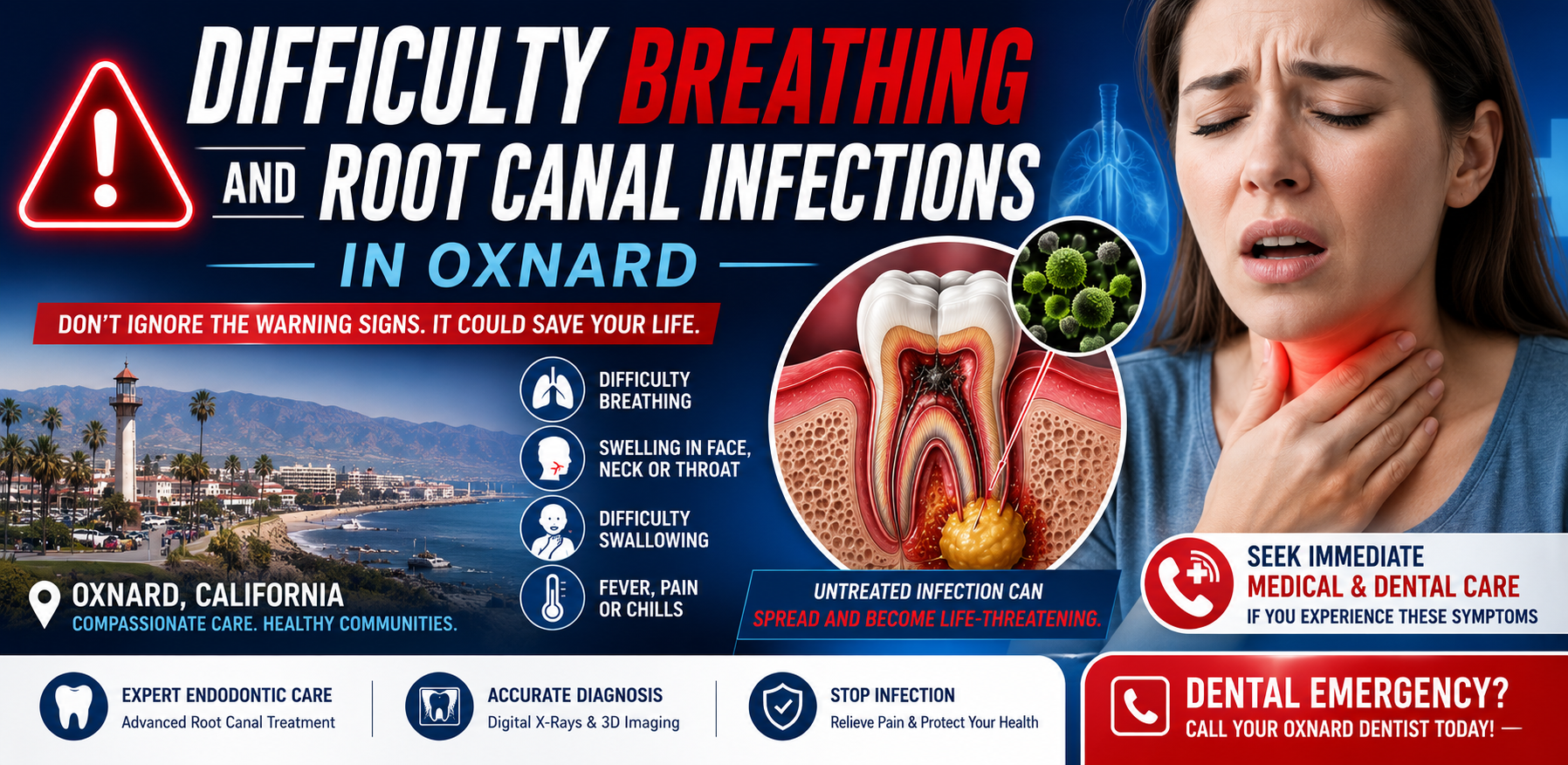
As a practicing USA dentist, one of the most concerning situations I encounter is a patient who reports difficulty breathing along with severe dental pain, facial swelling, or a suspected root canal infection. While many dental infections begin as a simple cavity or toothache, some can spread into the deeper tissues of the face, jaw, throat, and neck. When this happens, breathing can become compromised, turning a dental problem into a potentially life-threatening medical emergency.
For residents of Oxnard, California, understanding the connection between dental infections and breathing difficulties can literally save lives. Most root canal infections are successfully treated when diagnosed early. However, delayed treatment can allow bacteria to spread beyond the tooth and into critical anatomical spaces surrounding the airway.
This comprehensive guide explains:
- Why difficulty breathing can occur from a dental infection
- How root canal infections are diagnosed
- Warning signs that require emergency treatment
- The relationship between facial swelling and airway obstruction
- Treatment options available in Oxnard
- Worst-case scenarios if treatment is delayed
- A real-world patient success story
Understanding Root Canal Infections
A root canal infection develops when bacteria invade the pulp chamber of a tooth. The pulp contains nerves, blood vessels, and connective tissues. Once bacteria reach this area, the body responds with inflammation and infection.
Common causes include:
- Deep cavities
- Cracked teeth
- Dental trauma
- Failed fillings
- Previous dental work
- Untreated tooth decay
Initially, symptoms may appear mild:
- Tooth sensitivity
- Mild pain
- Occasional discomfort while chewing
Over time, however, bacteria multiply and create an abscess around the tooth root. This abscess can spread beyond the tooth and into surrounding tissues.
Why Can a Dental Infection Cause Difficulty Breathing?
Many patients are surprised to learn that a tooth infection can affect breathing.
The answer lies in anatomy.
The roots of teeth are connected to surrounding bone, soft tissues, muscles, and fascial spaces within the head and neck. When infection escapes the tooth, it can spread into these areas.
Dangerous locations include:
- Under the tongue
- Floor of the mouth
- Neck spaces
- Throat tissues
- Jaw muscles
As infection progresses, swelling develops. This swelling may narrow the airway and make breathing difficult. Medical professionals consider difficulty breathing associated with a dental infection an emergency because it may indicate that the infection is spreading into the neck or throat.
The Progression of Infection
Stage 1: Tooth Decay
A cavity develops and reaches the nerve.
Symptoms:
- Sensitivity to cold
- Mild tooth pain
- Occasional discomfort
Stage 2: Pulp Infection
Bacteria invade the pulp.
Symptoms:
- Constant pain
- Sensitivity to heat
- Throbbing sensation
Stage 3: Abscess Formation
An abscess develops around the root tip.
Symptoms:
- Severe pain
- Swelling
- Pus drainage
- Bad taste
Stage 4: Facial Infection
The infection spreads into facial tissues.
Symptoms:
- Facial swelling
- Fever
- Enlarged lymph nodes
- Difficulty opening the mouth
Stage 5: Airway Involvement
The infection spreads deeper into the neck.
Symptoms:
- Difficulty swallowing
- Difficulty breathing
- Neck swelling
- Medical emergency
At this stage, immediate hospital treatment is required.
Common Symptoms Patients Experience
Patients with root canal infections may experience:
Dental Symptoms
- Severe toothache
- Pain while chewing
- Sensitivity to temperature
- Gum swelling
- Tooth discoloration
Infection Symptoms
- Facial swelling
- Bad taste in the mouth
- Drainage of pus
- Fever
- Fatigue
Airway Symptoms
- Difficulty swallowing
- Difficulty breathing
- Neck swelling
- Changes in voice
- Inability to lie flat comfortably
These symptoms indicate the infection may be spreading beyond the tooth.
Warning Signs That Require Immediate Emergency Care
Seek emergency treatment immediately if you experience:
Trouble Breathing
Any breathing difficulty associated with facial swelling is considered an emergency.
Difficulty Swallowing
Trouble swallowing may indicate throat involvement.
Rapidly Increasing Swelling
Swelling that worsens within hours requires urgent evaluation.
Fever Over 101°F
A high fever suggests systemic infection.
Neck Swelling
Neck swelling can indicate spread into deeper tissue spaces.
Difficulty Opening the Mouth
This can signal extensive tissue involvement.
Diagnosing a Root Canal Infection
Proper diagnosis begins with a comprehensive examination.
Medical History
Your dentist will ask:
- When symptoms started
- Whether swelling is increasing
- Presence of fever
- Difficulty swallowing
- Difficulty breathing
Clinical Examination
The dentist evaluates:
- Tooth sensitivity
- Gum swelling
- Facial asymmetry
- Presence of drainage
- Lymph node enlargement
Digital X-Rays
Dental radiographs reveal:
- Root infections
- Bone destruction
- Abscess formation
CBCT Imaging
Cone Beam CT scans provide a three-dimensional evaluation of:
- Root anatomy
- Bone loss
- Infection spread
Hospital Imaging
When airway compromise is suspected, CT scans of the neck may be necessary to determine how far the infection has spread.
Conditions That Can Mimic a Root Canal Infection
Not every breathing problem is caused by a tooth infection.
Other conditions include:
- Sinus infections
- Allergic reactions
- Asthma
- Pneumonia
- Anxiety attacks
- Salivary gland infections
- Tonsillar infections
A thorough evaluation helps identify the true cause.
How Dentists Determine Whether the Tooth Can Be Saved
Several factors influence treatment decisions.
Tooth Structure
If enough healthy tooth remains, a root canal may save the tooth.
Bone Support
Severe bone loss may reduce the chance of long-term success.
Fractures
Vertical root fractures often require extraction.
Infection Extent
Localized infections are easier to treat than widespread infections.
Root Canal Treatment Process
When the tooth is salvageable, root canal therapy remains the preferred treatment.
The procedure involves:
- Local anesthesia
- Access opening
- Removal of infected tissue
- Cleaning of canals
- Disinfection
- Filling the canals
- Final restoration
Root canal treatment eliminates the source of infection while preserving the natural tooth.
When Antibiotics Are Needed
Antibiotics are not always required.
They are generally indicated when:
- Facial swelling exists
- Fever is present
- Infection is spreading
- Lymph nodes are enlarged
- Immune function is compromised
However, antibiotics alone do not eliminate the source of infection. Definitive dental treatment remains necessary.
Hospital Treatment for Severe Cases
Patients with breathing difficulty may require hospitalization.
Treatment may include:
IV Antibiotics
Delivered directly into the bloodstream.
Airway Monitoring
Doctors ensure swelling does not block breathing.
Surgical Drainage
Large abscesses may require incision and drainage.
Emergency Tooth Removal
Sometimes extraction becomes necessary.
Intensive Care Monitoring
Severe infections may require ICU observation.
The Dangerous Condition Called Ludwig's Angina
One of the most feared complications is Ludwig's angina.
This condition occurs when infection spreads beneath the tongue and floor of the mouth.
Symptoms include:
- Tongue elevation
- Difficulty swallowing
- Neck swelling
- Speech changes
- Difficulty breathing
Without immediate treatment, airway obstruction may occur.
Worst-Case Scenarios
Untreated root canal infections can become life-threatening.
Potential complications include:
Airway Obstruction
Swelling blocks airflow.
Deep Neck Infection
Bacteria invade critical neck tissues.
Sepsis
The infection enters the bloodstream.
Brain Infection
Rare but possible spread into cranial structures.
Bone Destruction
Chronic infection damages jawbone.
Tooth Loss
The tooth becomes unsalvageable.
These complications emphasize the importance of early treatment.
Why Some Patients Delay Treatment
Common reasons include:
- Fear of dental procedures
- Cost concerns
- Temporary pain relief
- Busy schedules
- Lack of awareness
Unfortunately, infections do not resolve on their own. They often worsen over time.
Prevention Strategies
Residents of Oxnard can significantly reduce risk by:
Regular Dental Checkups
Detecting decay early prevents infection.
Good Oral Hygiene
Brush twice daily and floss regularly.
Limiting Sugar
Reduce bacterial growth.
Treating Cavities Early
Small cavities are easier to manage.
Wearing Mouthguards
Protect teeth during sports.
Addressing Cracks Promptly
Prevent bacterial entry.
Special Considerations for Older Adults
Patients over 40 often face additional risks.
These may include:
- Gum recession
- Existing restorations
- Dry mouth
- Chronic medical conditions
Regular dental monitoring becomes increasingly important with age.
Recovery After Treatment
Most patients improve rapidly after infection removal.
Typical recovery timeline:
First 24 Hours
- Reduced pressure
- Less severe pain
48–72 Hours
- Swelling begins decreasing
One Week
- Significant improvement
Several Weeks
- Complete healing of surrounding tissues
A Real Oxnard Success Story
A 47-year-old Oxnard resident arrived with severe pain in a lower molar.
Initially, he assumed the problem would disappear on its own.
Over several days he developed:
- Facial swelling
- Fever
- Difficulty swallowing
The morning of his appointment, he noticed mild difficulty breathing while lying down.
Emergency imaging revealed a large abscess extending into the lower jaw spaces.
Treatment included:
- Immediate drainage
- IV antibiotics
- Root canal therapy
- Follow-up monitoring
Within one week, swelling dramatically improved.
Within one month, he returned to normal activities with his natural tooth preserved.
His outcome was successful because treatment occurred before airway obstruction developed.
Frequently Asked Questions
Can a root canal cause breathing problems?
The root canal procedure itself rarely causes breathing problems. However, the underlying infection requiring treatment may spread and affect the airway.
Should I go to the emergency room?
Yes. If you have facial swelling and difficulty breathing or swallowing, seek emergency medical care immediately.
Can antibiotics alone cure the infection?
No. Antibiotics help control bacterial spread but do not remove the source inside the tooth. Definitive dental treatment remains necessary.
Is tooth extraction always necessary?
Not necessarily. Many infected teeth can be successfully treated with root canal therapy.
How quickly can an infection spread?
Some infections progress slowly, while others spread rapidly over hours or days depending on bacterial activity and patient health.
Final Thoughts From a USA Dentist
Difficulty breathing associated with a dental infection is never something to ignore. What begins as a routine cavity or root canal infection can, in rare cases, spread into the tissues surrounding the airway and become a true medical emergency. Fortunately, modern dentistry offers highly effective diagnostic tools and treatments that can eliminate infection, preserve natural teeth, and prevent life-threatening complications.
If you live in Oxnard, California, and experience severe tooth pain, facial swelling, fever, difficulty swallowing, or breathing problems, seek immediate professional evaluation. Early intervention is the key to protecting both your oral health and your overall well-being.
Can tooth extraction cause infection? Mild inflammation is normal, but increasing swelling, fever, or severe pain may indicate infection. Learn more about post-extraction infection warning signs in this detailed guide.
Book a consultation with our Cebu dental specialists for proper evaluation and care.
Ready to get expert guidance?
If you’re experiencing severe pain or delayed healing, book a consultation with our Cebu dental specialists to get proper evaluation and care.
Consultation or contact page .
Book a Consultation
For severe discomfort or delayed healing, book a consultation with our Cebu dental specialists today.
Looking for a dentist? Browse our Cebu dental directory to find trusted clinics near you.
Medical Review and Clinical Basis
This article is based on clinical dental guidelines and real patient recovery patterns observed after tooth extraction procedures. The information reflects common post-extraction healing stages, including normal clot formation, gum tissue repair, and signs of possible complications such as dry socket or infection.
While mild discomfort is expected after a dental extraction, worsening pain after Day 3, bad odor, exposed bone, or spreading pain may require professional evaluation. These symptoms are consistent with known post-extraction complications described in standard dental practice.
About Cebu Dental Implants
Cebu Dental Implants provides comprehensive tooth extraction, surgical procedures, and dental implant services in the Philippines. Our team evaluates post-extraction healing, manages complications such as dry socket, and advises patients on proper aftercare to prevent infection and delayed healing.
If you experience severe pain or unusual symptoms after extraction, early professional assessment is recommended to prevent further complications.
Important Medical Disclaimer
This content is for educational purposes only and does not replace professional dental diagnosis. Every patient heals differently. If symptoms worsen or do not improve within a few days, consult a licensed dentist for proper evaluation and treatment.
Author
This article was prepared by the Cebu Dental Implants content team in consultation with licensed dental professionals experienced in tooth extraction and implant procedures.
Related Clinical Cases
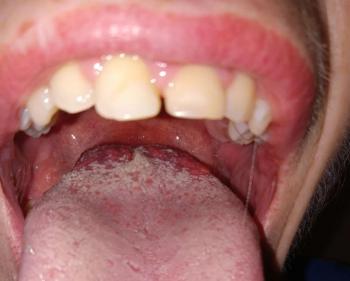
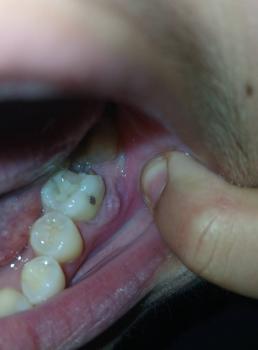
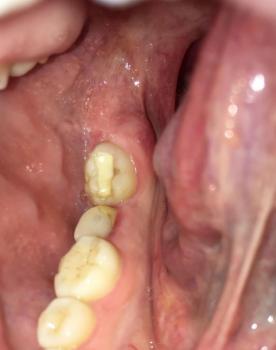
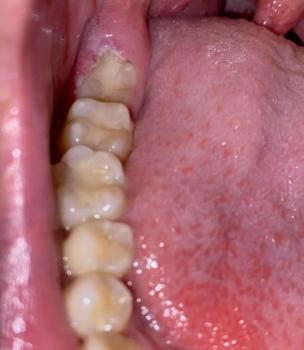
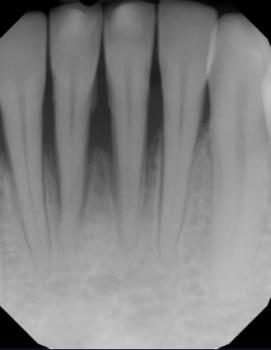
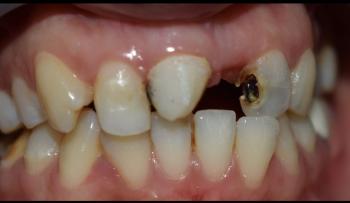
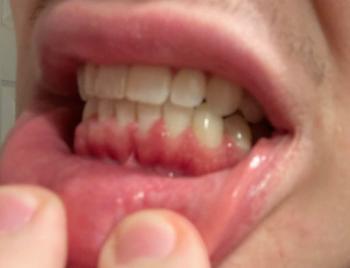
Patients with lower front gum inflammation may also experience tartar buildup, periodontal disease, gum abscesses, or tooth decay. Explore these related clinical case studies.

Other topics:
Other Dental Clinic