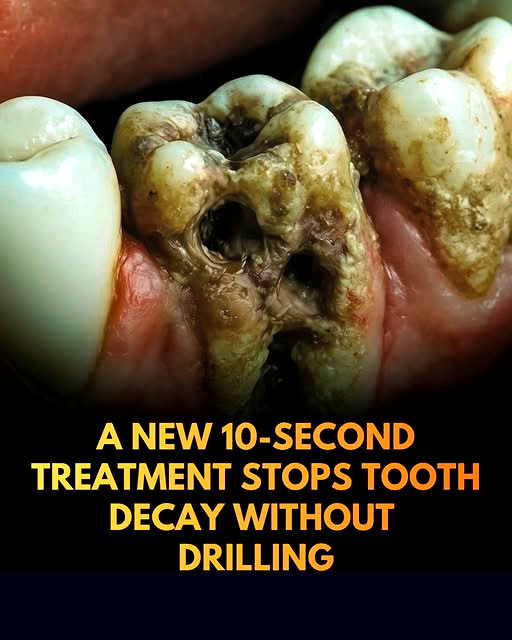

Can a Tooth Infection Kill You? A USA Case Study on How Untreated Tooth Decay Became a Life-Threatening Brain Infection

Severity: 

Can a Tooth Infection Kill You? A USA Case Study on How Untreated Tooth Decay Became a Life-Threatening Brain Infection

Reviewed from the perspective of a USA dental case analysis. This article is for educational purposes only and is not a substitute for professional medical care.

Tooth Hurts When Drinking After a Filling and Makes a Squeaking Noise When Chewing? A USA Dentist Explains the Most Common Causes

By a USA Dental Clinical Review Team

Receiving a new dental filling should relieve pain—not create new symptoms. However, some patients in the United States notice that shortly after a filling, their tooth becomes sensitive when drinking cold or hot beverages and may even produce a squeaking, grating, or rubbing sensation while chewing.

Although these symptoms can be concerning, they are usually explainable and, in many cases, easily corrected by your dentist.

Scientific Evidence: Stone Tools Were Used to Remove Tooth Decay 59,000 Years Ago

Topics: 

A landmark study published in PLOS ONE provides the earliest known evidence of invasive dental treatment in human history. Researchers led by Dr. Alisa Zubova examined a 59,000-year-old Neanderthal molar discovered in Chagyrskaya Cave in the Altai Mountains of Siberia.

Uncontrolled Bleeding After a Tooth Extraction: What to Do, When to Call 911, and How to Stop Bleeding Safely

Having a tooth removed is one of the most common dental procedures in the United States. Most extractions heal without problems, and a small amount of bleeding or blood-tinged saliva during the first 24 hours is completely normal. However, continuous or heavy bleeding is not normal and should never be ignored.

Pages