Cavity

The London Wake-Up Call: How a "Small" Cavity Led to Bigger Problems

The London Wake-Up Call: How a "Small" Cavity Led to Bigger Problems

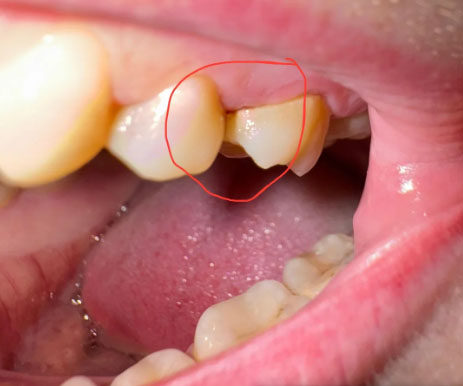
Peter’s story starts like many in London. Between rent, bills, and the general cost of living, he was careful with his budget. A checkup at the dentist? That could wait, especially since the last time he went, he was told he just had a "small cavity" that didn't seem urgent. He brushed twice a day, so how bad could it be?

Vaping & Teen Health: The Hidden Dental Crisis in Dublin's Next Generation

Topics: 

The Invisible Epidemic: How Vaping is Undermining Dublin’s Teenage Smiles

In the misty streets of Dublin, a new cloud is forming — one that has nothing to do with the Irish weather. Walk past any secondary school, any city-centre hangout, and you’ll see them: teenagers drawing from sleek USB-like devices, exhaling sweet-scented plumes. Vaping has been marketed as a “cleaner” alternative to smoking, but for Ireland’s youth, it’s becoming a dangerous habit with consequences far beyond their lungs—especially for their dental health.

The Hidden Truth: What Really Happens Inside an Untreated Cavity (Even With Good Dental Care)

Even With Good Care, Cavities Can Still Attack: The Hidden Truth

You brush, you floss, you see your dentist regularly — yet you still get cavities. If you live in an advanced country like the United States or Ireland, this can feel surprising, even unfair. Despite access to clean water, fluoridation, and modern dentistry, tooth decay remains one of the most common chronic diseases worldwide. Why? Because cavities are a complex interplay of diet, genetics, saliva, oral bacteria, and often, subtle habits we overlook.

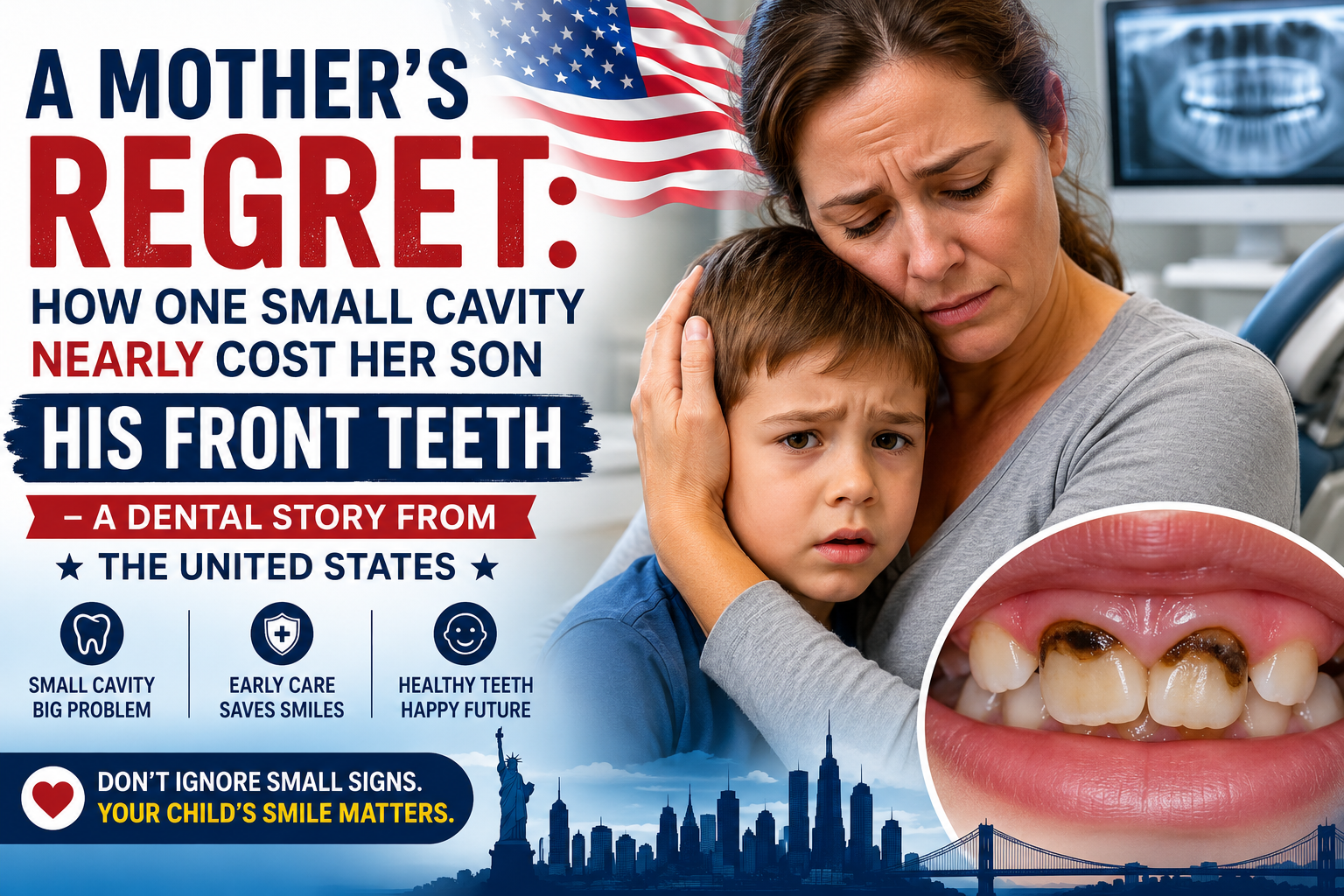
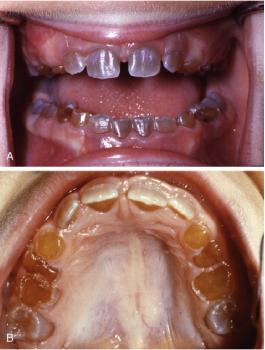
Severe Front Teeth Cavities Caused by Advanced Dental Caries

Severity: 

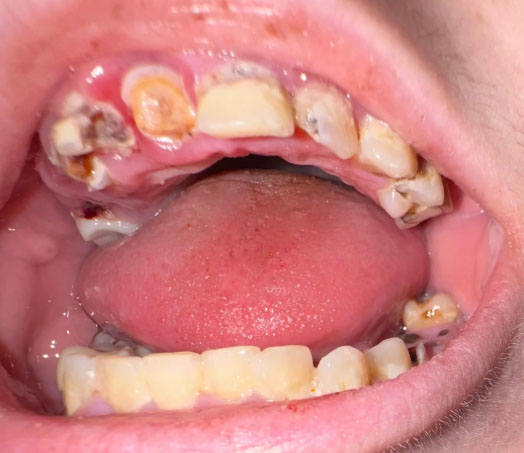
Severe Rampant Dental Caries & Enamel Breakdown – Advanced Decay Case


Teeth Case (Zoom 100% – Visual-Based Assessment)

Image findings:
The image shows multiple anterior teeth with extensive brown–black cavitations, fractured enamel, exposed dentin, and visible plaque retention zones along the gumline. The decay appears active and progressive, not arrested.

Pages