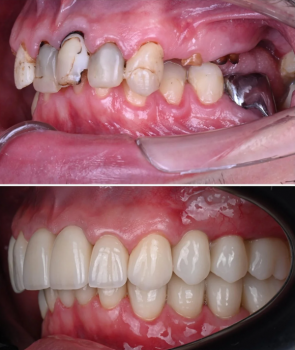
Why Children's Teeth Break So Easily: Dentinogenesis Imperfecta Case Analysis, Diagnosis, Treatment & Recovery

Severity: 

Clinical Disclaimer

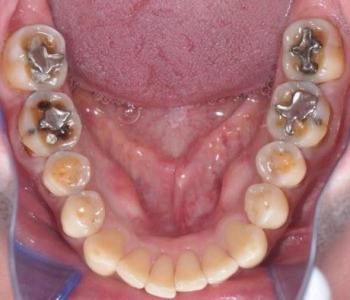
This assessment is based only on the provided clinical image. A definitive diagnosis requires an in-person examination, dental history, X-rays, and, when appropriate, genetic evaluation.

Clinical Image Analysis

Overall Appearance

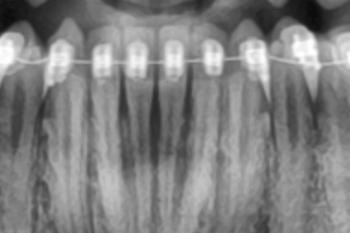
The teeth demonstrate findings highly suggestive of Dentinogenesis Imperfecta (DI), including:

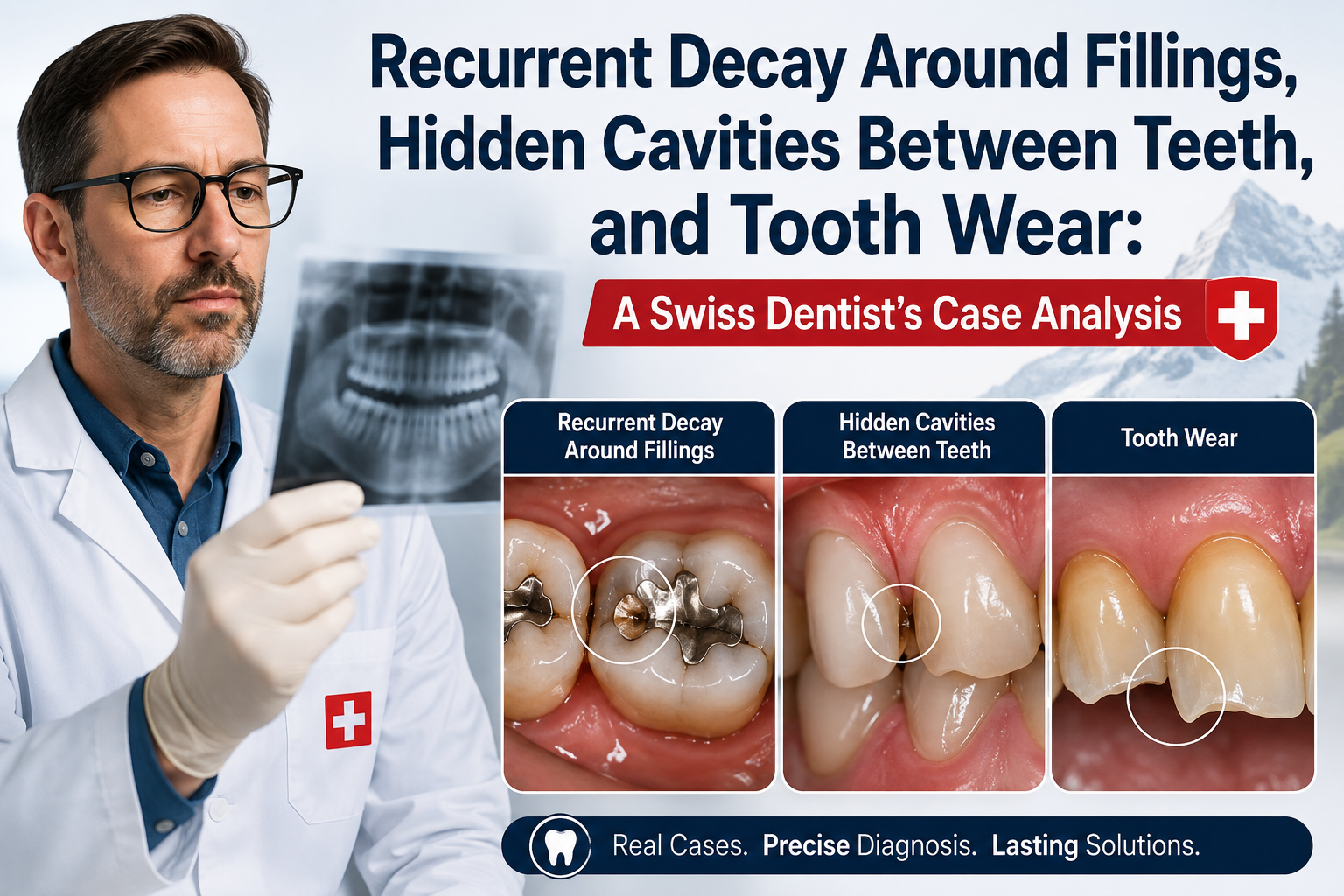
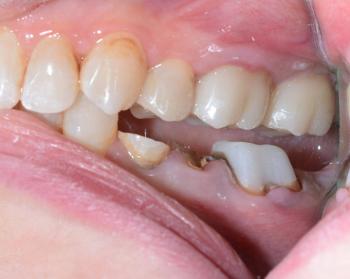
Painful Tooth Misalignment With a Fractured Lower Molar: Expert Clinical Case Analysis, Diagnosis, Treatment Options, and 30-Day Progression

Severity: 

A middle-aged patient presented to our dental office complaining of persistent pain while chewing on the lower right side of the mouth. The patient explained that the discomfort had gradually increased over several weeks and was now affecting everyday activities such as eating meat, chewing bread, and drinking cold beverages.

The patient also noticed that the teeth no longer fit together properly. Every time the mouth closed, one lower tooth seemed to contact first, creating pressure and pain.

Painful Tooth Misalignment With a Fractured Lower Tooth: Causes, Symptoms, Treatment, and When to Seek Emergency Dental Care

Severity: 
Teeth Problems: 

A fractured lower tooth combined with tooth misalignment can cause severe pain, difficulty biting, and ongoing damage to surrounding teeth and gums. In this real clinical case, the broken lower molar created bite interference, inflammation, and increased sensitivity during chewing. Without prompt treatment, the fracture may worsen, leading to infection, abscess formation, or tooth loss.

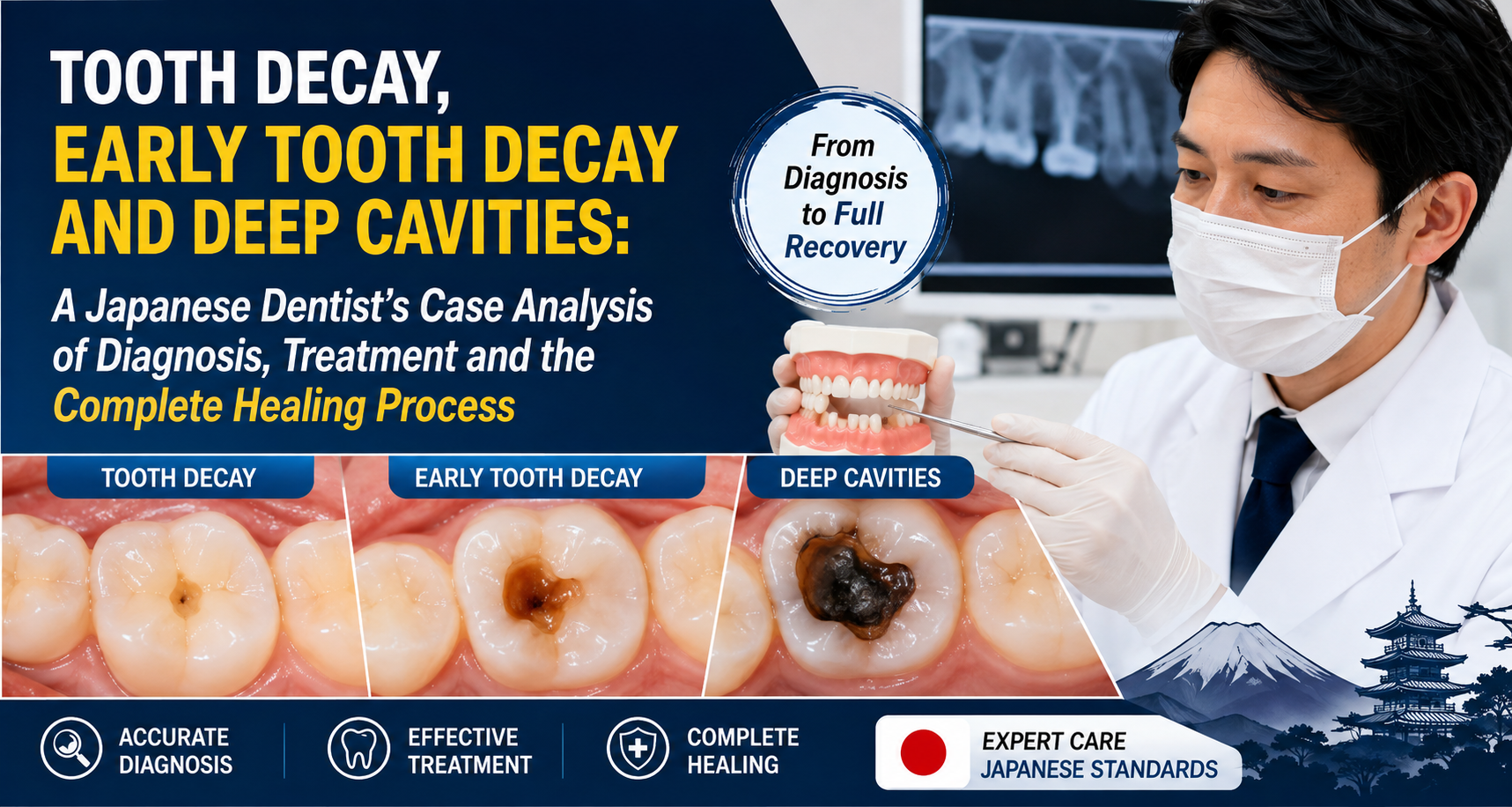
The Clinical Cascade of Untreated Tooth Decay: A USA Dentist Explains How a Small Cavity Can Become a Life-Threatening Dental Emergency

Topics: 

Many patients assume a small cavity is simply a minor inconvenience that can wait until the next dental visit. Unfortunately, tooth decay rarely remains small. Once bacteria penetrate the protective enamel layer, the disease accelerates through the tooth's internal structures, often leading to severe pain, infection, facial swelling, tooth loss, and in rare cases, hospitalization for life-threatening complications.

Understanding how tooth decay progresses helps explain why dentists recommend treating cavities early instead of waiting until symptoms become unbearable.

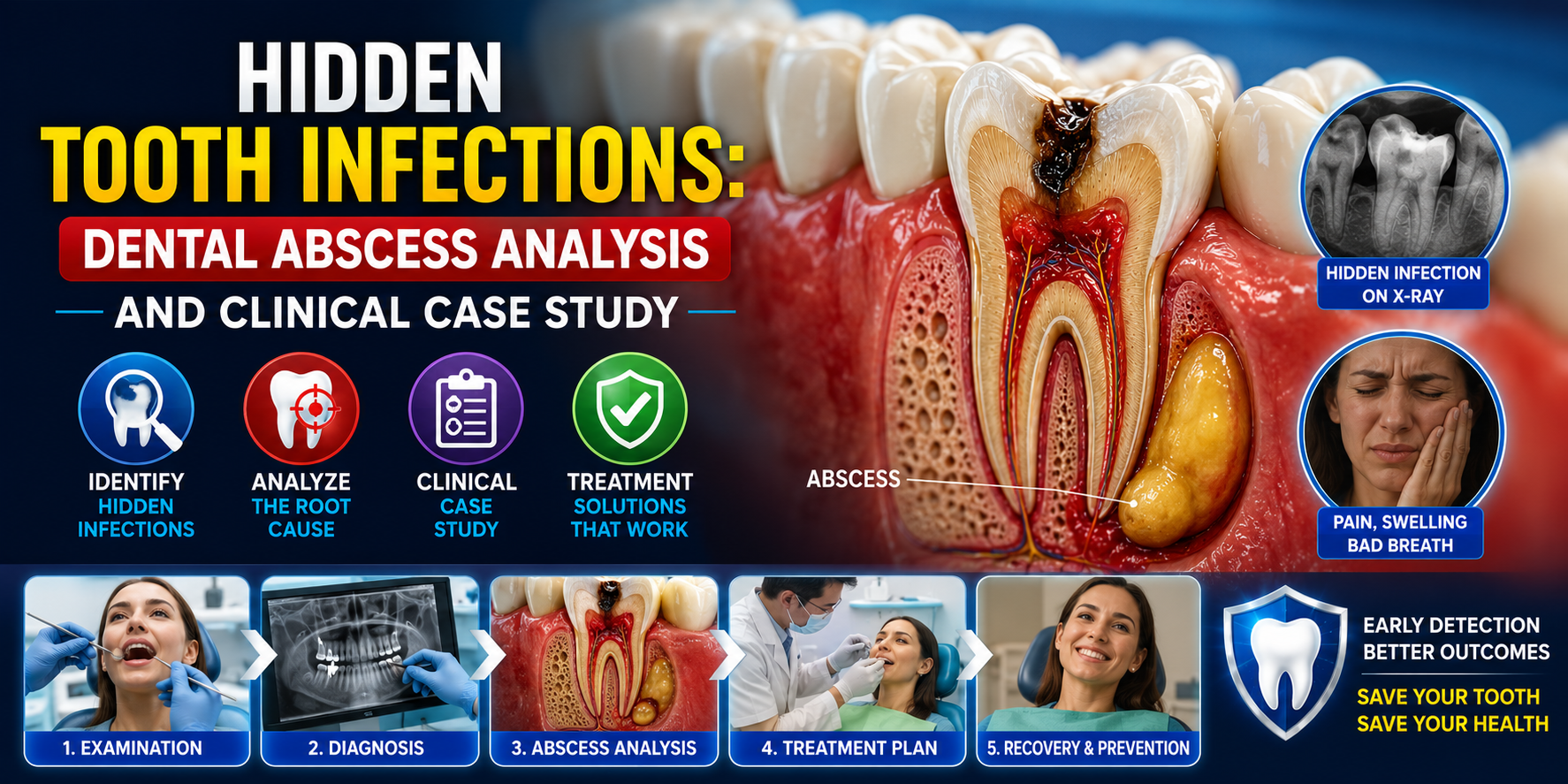
Can a Tooth Infection Kill You? A USA Case Study on How Untreated Tooth Decay Became a Life-Threatening Brain Infection

Severity: 

Can a Tooth Infection Kill You? A USA Case Study on How Untreated Tooth Decay Became a Life-Threatening Brain Infection

Reviewed from the perspective of a USA dental case analysis. This article is for educational purposes only and is not a substitute for professional medical care.

Pages