Your Smile, Perfected with Precision.

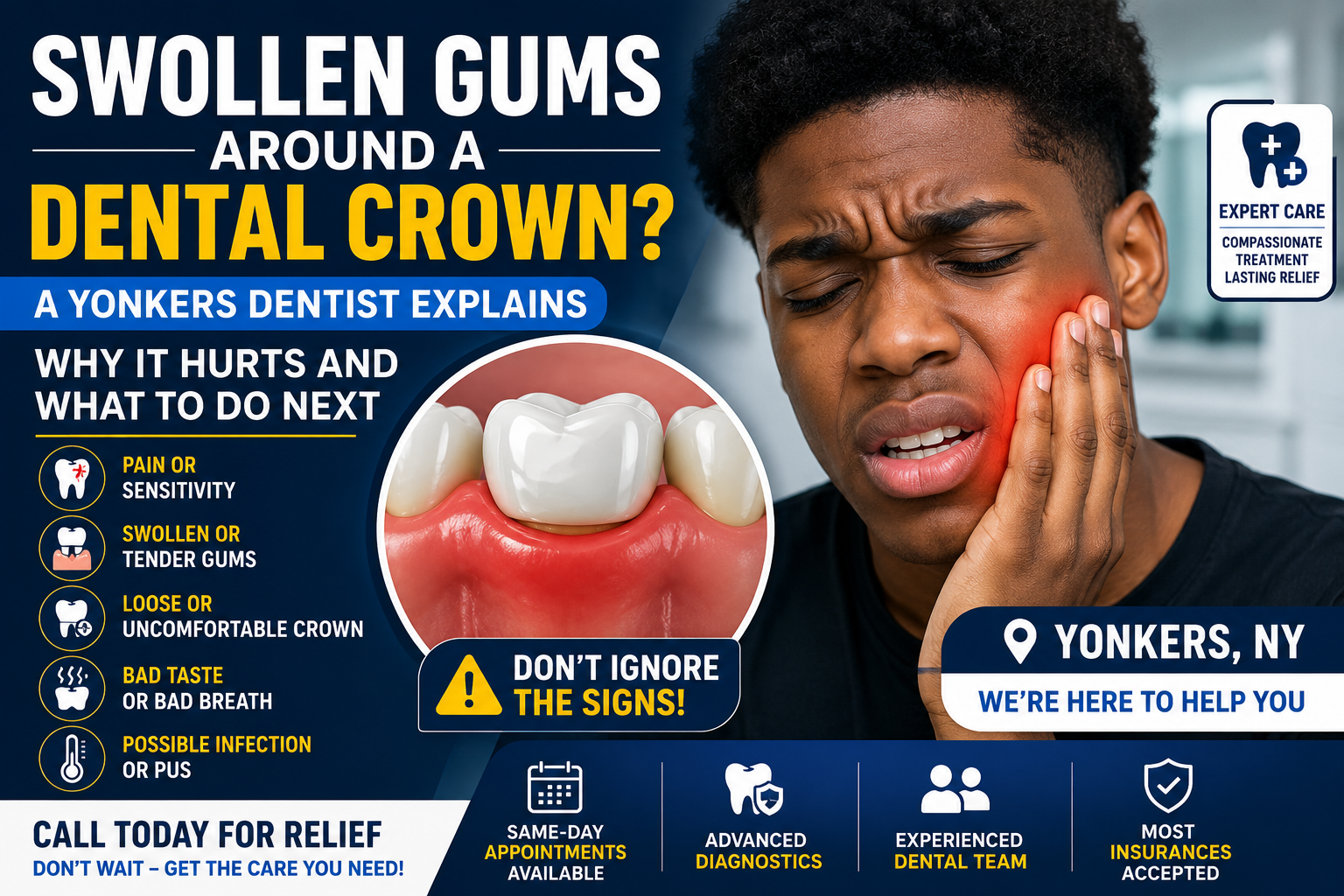
Swollen Gums Around a Dental Crown? A Yonkers Dentist Explains Why It Hurts and What to Do Next
Language :
Topics:
"I Can't Sleep, My Head Is Spinning, and My Crown Tooth Hurts"
"I've been worrying all night. My gums are swollen around my crown, the pain keeps getting worse, my head feels like it's spinning, and I can't sleep. I've tried brushing, rinsing, and taking pain medication, but nothing seems to help."
If this sounds familiar, you're not alone.
Many patients become alarmed when they notice swollen gums around a dental crown. What starts as mild tenderness can quickly become a source of constant discomfort, anxiety, and sleepless nights. The uncertainty often makes things worse. You may find yourself asking:
-
Is my crown infected?
-
Is something trapped underneath it?
-
Did my crown fail?
-
Do I need a root canal?
-
Should I go to an emergency dentist?
The truth is that swollen gums around a dental crown can occur for several reasons. Some causes are relatively minor and temporary, while others require prompt dental treatment to prevent infection, bone loss, or damage to the underlying tooth.
If you live in Yonkers, New York, and are experiencing pain, swelling, or discomfort around a crown, understanding the possible causes can help you know when to seek care and what treatment options may be available.
Why Do Gums Become Swollen Around a Crown?
Dental crowns are designed to restore damaged teeth, protect weakened tooth structure, and improve function and appearance. While crowns can last many years, problems may occasionally develop around the restoration.
The gum tissue surrounding a crown is sensitive and can react to irritation, bacteria, poor fit, or mechanical stress.
When inflammation develops, the gums may become:
-
Red
-
Tender
-
Puffy
-
Painful
-
Sensitive to touch
In some cases, the swelling may be accompanied by bleeding, bad breath, or even signs of infection.
Common Cause #1: Plaque and Bacteria Around the Crown
One of the most common causes of swollen gums is plaque accumulation.
Even when a crown is properly placed, plaque can collect around the crown margins where the restoration meets the natural tooth.
Over time, bacteria may irritate the gum tissue and cause:
-
Gingivitis
-
Bleeding gums
-
Tenderness
-
Swelling
-
Persistent bad breath
Many patients are surprised to learn that crowns still require daily brushing and flossing.
A crown itself cannot decay, but the tooth underneath can still develop problems.
Common Cause #2: Poor Crown Fit
A crown should fit precisely against the tooth.
When a crown does not fit correctly, small spaces may develop where bacteria and food particles accumulate.
A poorly fitting crown may:
-
Trap food
-
Irritate gums
-
Cause inflammation
-
Promote bacterial growth
Patients often describe the sensation as:
"Something feels stuck around the crown all the time."
This feeling should not be ignored.
Common Cause #3: Crown Margin Too Deep Below the Gums
Some crowns extend slightly beneath the gumline for cosmetic or structural reasons.
However, when the margin sits too deeply beneath the gums, it may create challenges for cleaning.
This can lead to:
-
Chronic inflammation
-
Gum swelling
-
Plaque retention
-
Periodontal irritation
Professional evaluation is often necessary to determine whether the crown design is contributing to the problem.
Common Cause #4: Residual Dental Cement
After a crown is cemented into place, excess bonding material should be removed.
Occasionally, small amounts of cement may remain trapped beneath the gums.
This foreign material can irritate the tissue and trigger inflammation.
Symptoms may include:
-
Localized swelling
-
Tenderness
-
Bleeding
-
Persistent irritation
Fortunately, removal of the excess cement often resolves the problem.
Common Cause #5: Infection Under the Crown
One of the more serious possibilities is infection beneath the crown.
This can occur if:
-
The underlying tooth develops decay
-
Previous root canal treatment fails
-
Bacteria enter through microscopic gaps
-
A crack develops in the tooth
Infection may produce:
-
Throbbing pain
-
Swelling
-
Pus
-
Bad taste
-
Facial tenderness
Prompt treatment is important because dental infections rarely improve without professional care.
Common Cause #6: A Crown That Is Too High
A crown should fit comfortably within your bite.
If the crown sits slightly higher than surrounding teeth, excessive pressure may occur during chewing.
This can create:
-
Tooth soreness
-
Gum inflammation
-
Jaw discomfort
-
Headaches
-
Sensitivity when biting
Many patients report:
"The tooth feels different when I bite."
A simple bite adjustment may sometimes solve the problem.
Common Cause #7: Teeth Grinding and Clenching
Stress often causes people to clench or grind their teeth unconsciously.
Excessive pressure may irritate both the crown and surrounding tissues.
Signs of grinding include:
-
Morning jaw pain
-
Headaches
-
Worn teeth
-
Muscle fatigue
-
Crown sensitivity
A custom night guard may help protect the restoration and reduce inflammation.
Common Cause #8: Allergic Reaction to Crown Materials
Although uncommon, some patients may react to metals used in certain dental restorations.
Symptoms may include:
-
Gum irritation
-
Burning sensations
-
Persistent redness
-
Swelling
Modern ceramic and zirconia crowns have reduced the frequency of these reactions.
Is Swelling Normal After a New Crown?
If your crown was recently placed, some temporary irritation may be expected.
The gums may need several days to adjust after:
-
Tooth preparation
-
Impression procedures
-
Crown placement
Mild symptoms often improve within a few days.
However, worsening pain or increasing swelling should be evaluated promptly.
Warning Signs You Should Not Ignore
Contact a dentist immediately if you experience:
Persistent Pain
Pain lasting more than a few days may indicate an underlying problem.
Increasing Swelling
Progressive swelling often signals infection or significant inflammation.
Pus Around the Crown
Pus is a common sign of infection.
Fever
Fever combined with dental symptoms requires prompt attention.
Bad Taste or Odor
Persistent unpleasant taste may indicate drainage from an infected area.
Loose Crown
A crown that moves should be examined as soon as possible.
Pain When Biting
Sharp pain during chewing may indicate infection, a crack, or bite problems.
Why Anxiety and Lack of Sleep Make Dental Pain Feel Worse
Many patients describe feeling overwhelmed when dental pain interrupts sleep.
Poor sleep can increase:
-
Pain sensitivity
-
Anxiety
-
Stress hormones
-
Muscle tension
This often creates a cycle:
Pain → Anxiety → Poor Sleep → More Pain
If your head feels like it is spinning from worry, know that this reaction is common among people experiencing unresolved dental problems.
The most important step is obtaining a professional diagnosis so you understand exactly what is causing the symptoms.
What You Can Do at Home While Waiting for an Appointment
Although home remedies cannot cure the underlying cause, they may provide temporary relief.
Gentle Brushing
Use a soft-bristled toothbrush.
Avoid aggressive scrubbing.
Careful Flossing
Remove food particles around the crown.
Warm Saltwater Rinses
Saltwater may help soothe irritated tissues.
Cold Compress
Apply to the outside of the cheek for 15–20 minutes at a time.
Stay Hydrated
Drinking water helps keep the mouth cleaner and more comfortable.
Avoid Hard Foods
Chew on the opposite side if possible.
How Dentists Diagnose Crown Problems
Your dentist may perform:
-
Clinical examination
-
Bite analysis
-
Digital X-rays
-
Crown stability testing
-
Gum measurements
These evaluations help identify the true cause of the swelling.
Treatment Options
Treatment depends entirely on the diagnosis.
Possible solutions include:
-
Professional cleaning
-
Crown adjustment
-
Removal of excess cement
-
Antibiotic therapy
-
Root canal treatment
-
Crown replacement
-
Periodontal therapy
Early treatment generally produces the best outcomes.
Emergency Dental Care in Yonkers, NY
If swelling persists or becomes painful, seek professional evaluation promptly.
Several dental providers throughout Yonkers offer emergency appointments and restorative care.
When calling, explain:
-
How long the swelling has been present
-
Whether pain is worsening
-
If you have fever
-
If pus is present
-
Whether the crown feels loose
Providing detailed information helps offices prioritize urgent cases.
Final Thoughts
Swollen gums around a dental crown can range from a minor irritation to a serious infection requiring immediate attention. If you are losing sleep, experiencing persistent pain, or feeling overwhelmed by worry, don't ignore the symptoms.
While home care measures may provide temporary comfort, only a dental examination can determine whether the problem involves plaque buildup, crown fit issues, infection, bite problems, or damage beneath the crown.
If your symptoms are worsening, especially if swelling, fever, pus, or severe pain are present, contact a dentist in Yonkers immediately. Prompt treatment can relieve discomfort, prevent complications, and help protect your long-term oral health.
Can tooth extraction cause infection? Mild inflammation is normal, but increasing swelling, fever, or severe pain may indicate infection. Learn more about post-extraction infection warning signs in this detailed guide.
Book a consultation with our Cebu dental specialists for proper evaluation and care.
Ready to get expert guidance?
If you’re experiencing severe pain or delayed healing, book a consultation with our Cebu dental specialists to get proper evaluation and care.
Consultation or contact page .
Book a Consultation
For severe discomfort or delayed healing, book a consultation with our Cebu dental specialists today.
Looking for a dentist? Browse our Cebu dental directory to find trusted clinics near you.
Medical Review and Clinical Basis
This article is based on clinical dental guidelines and real patient recovery patterns observed after tooth extraction procedures. The information reflects common post-extraction healing stages, including normal clot formation, gum tissue repair, and signs of possible complications such as dry socket or infection.
While mild discomfort is expected after a dental extraction, worsening pain after Day 3, bad odor, exposed bone, or spreading pain may require professional evaluation. These symptoms are consistent with known post-extraction complications described in standard dental practice.
About Cebu Dental Implants
Cebu Dental Implants provides comprehensive tooth extraction, surgical procedures, and dental implant services in the Philippines. Our team evaluates post-extraction healing, manages complications such as dry socket, and advises patients on proper aftercare to prevent infection and delayed healing.
If you experience severe pain or unusual symptoms after extraction, early professional assessment is recommended to prevent further complications.
Important Medical Disclaimer
This content is for educational purposes only and does not replace professional dental diagnosis. Every patient heals differently. If symptoms worsen or do not improve within a few days, consult a licensed dentist for proper evaluation and treatment.
Author
This article was prepared by the Cebu Dental Implants content team in consultation with licensed dental professionals experienced in tooth extraction and implant procedures.
Video:
Related Clinical Cases
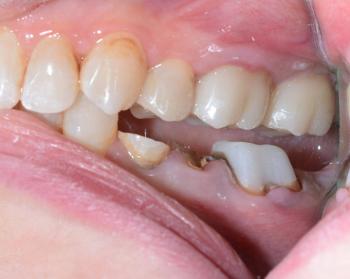
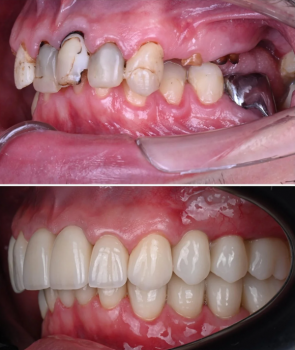
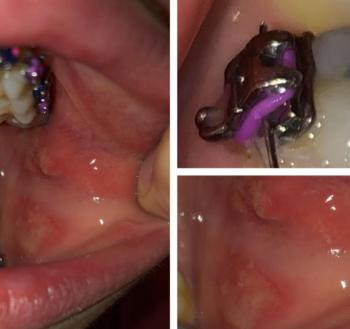
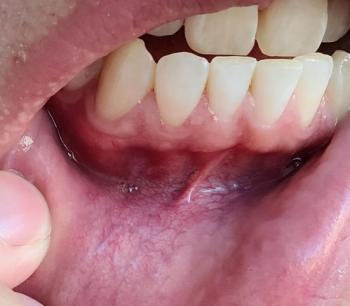
Patients with lower front gum inflammation may also experience tartar buildup, periodontal disease, gum abscesses, or tooth decay. Explore these related clinical case studies.


Other topics:
Other Dental Clinic
 |
 |
 |
 |