Where Bright Smiles Begin.

Why Dental Abscess Antibiotics in the Philippines Require a Dentist’s Prescription
Language :
Topics:
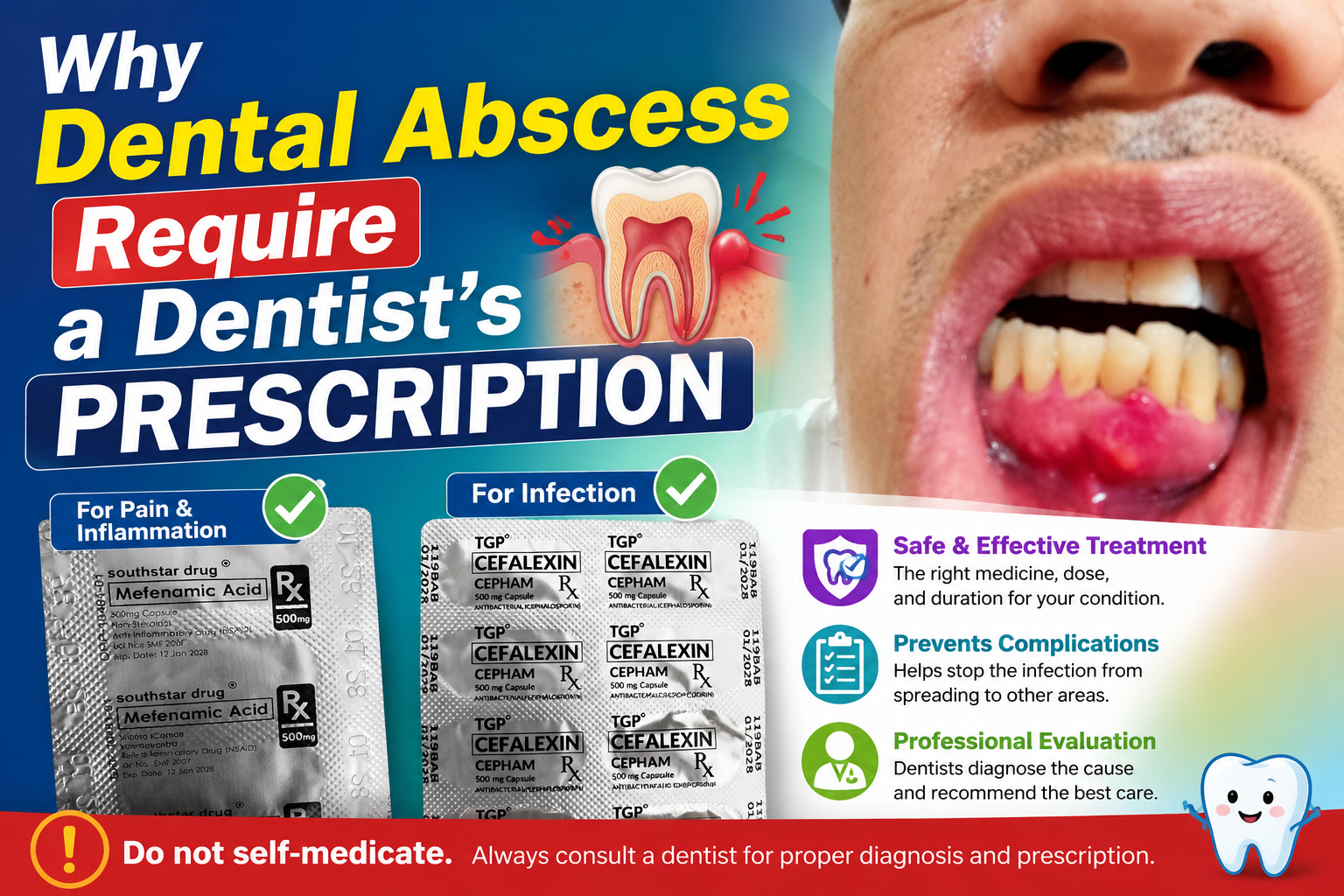
A dental abscess is not something patients should self-medicate. In the Philippines, many of the antibiotics commonly used for dental infections require a valid prescription from a licensed dentist or physician before a pharmacy can legally release the medication.
This is an important safety rule designed to protect patients from complications, antibiotic resistance, allergic reactions, and worsening infections.
Why Pharmacies Ask for a Prescription
When patients experience severe tooth pain, gum swelling, facial swelling, or pus from the gums, many immediately look for antibiotics at the nearest pharmacy. However, Philippine pharmacies are regulated by the government and cannot legally dispense most dental antibiotics without professional approval.
This includes medications commonly prescribed for dental abscesses such as:
- Amoxicillin
- Co-Amoxiclav
- Clindamycin
- Metronidazole
- Azithromycin
These medicines are considered prescription drugs because they must be used correctly based on:
- Type of dental infection
- Severity of swelling
- Patient allergies
- Existing medical conditions
- Proper dosage and duration
A dentist evaluates whether antibiotics are truly necessary or whether the abscess already requires drainage, root canal treatment, or tooth extraction.
Antibiotics Alone May Not Cure a Dental Abscess
One of the biggest misconceptions is believing antibiotics permanently solve a dental abscess.
In reality, antibiotics only help reduce bacterial spread and inflammation. The infection source inside the tooth or gums usually remains unless treated directly.
This is why some patients say:
“The swelling improved but came back again after stopping antibiotics.”
That commonly happens when:
- Pus remains trapped inside the gums
- The infected tooth nerve is still dead
- There is deep gum infection
- The abscess already formed a pocket requiring drainage
Why Self-Medicating Is Dangerous
Taking antibiotics without proper dental diagnosis can create serious problems.
1. Wrong Antibiotic Choice
Not all dental infections respond to the same medication. Some bacteria resist certain antibiotics.
2. Incomplete Dosage
Patients often stop medication once swelling improves. This allows surviving bacteria to become stronger.
3. Hidden Severe Infection
Some abscesses spread toward:
- The jawbone
- Face
- Neck
- Sinus area
Severe untreated infections can become medical emergencies.
4. Allergic Reactions
Some patients are allergic to penicillin-based antibiotics. Without professional supervision, dangerous allergic reactions may occur.
Philippine Dental Practice Standards
In the Philippines, licensed dentists follow professional standards before prescribing antibiotics.
The dentist usually:
- Performs oral examination
- Checks swelling severity
- Determines if drainage is needed
- Evaluates X-rays if necessary
- Prescribes the proper antibiotic
- Provides treatment plan for the infected tooth
Ethical dental practice avoids unnecessary antibiotic use because overprescribing contributes to antibiotic resistance worldwide.
When Immediate Dental Care Is Needed
Seek urgent dental evaluation if you experience:
- Facial swelling
- Fever
- Difficulty swallowing
- Difficulty breathing
- Pus discharge
- Severe throbbing pain
- Swelling spreading to the cheek or jaw
- Persistent swelling despite antibiotics
These symptoms may indicate the infection is progressing beyond simple gum inflammation.
Drainage Is Sometimes More Important Than Antibiotics
For many large abscesses, draining the infection is the key treatment.
A dentist may:
- Open the abscess to release pus
- Perform root canal treatment
- Extract the infected tooth
- Clean deep gum infection areas
Once pressure and bacteria are removed physically, healing often improves much faster.
Can You Buy Dental Antibiotics Over the Counter in the Philippines?
Some small pharmacies may occasionally bend regulations, but legitimate licensed pharmacies generally require:
- A dentist prescription
- Physician prescription
- Proper dosage instructions
This protects both patients and pharmacists legally and medically.
Final Expert Advice
If your dental abscess remains swollen even after antibiotics, do not simply continue self-medicating repeatedly.
Persistent swelling usually means:
- The infection source remains
- Drainage may be required
- The tooth itself needs treatment
In the Philippines, prescription requirements for dental antibiotics exist for patient safety. A proper dental examination is always the safest and most effective approach before taking infection medications.
Can tooth extraction cause infection? Mild inflammation is normal, but increasing swelling, fever, or severe pain may indicate infection. Learn more about post-extraction infection warning signs in this detailed guide.
Book a consultation with our Cebu dental specialists for proper evaluation and care.
Ready to get expert guidance?
If you’re experiencing severe pain or delayed healing, book a consultation with our Cebu dental specialists to get proper evaluation and care.
Consultation or contact page .
Book a Consultation
For severe discomfort or delayed healing, book a consultation with our Cebu dental specialists today.
Looking for a dentist? Browse our Cebu dental directory to find trusted clinics near you.
Medical Review and Clinical Basis
This article is based on clinical dental guidelines and real patient recovery patterns observed after tooth extraction procedures. The information reflects common post-extraction healing stages, including normal clot formation, gum tissue repair, and signs of possible complications such as dry socket or infection.
While mild discomfort is expected after a dental extraction, worsening pain after Day 3, bad odor, exposed bone, or spreading pain may require professional evaluation. These symptoms are consistent with known post-extraction complications described in standard dental practice.
About Cebu Dental Implants
Cebu Dental Implants provides comprehensive tooth extraction, surgical procedures, and dental implant services in the Philippines. Our team evaluates post-extraction healing, manages complications such as dry socket, and advises patients on proper aftercare to prevent infection and delayed healing.
If you experience severe pain or unusual symptoms after extraction, early professional assessment is recommended to prevent further complications.
Important Medical Disclaimer
This content is for educational purposes only and does not replace professional dental diagnosis. Every patient heals differently. If symptoms worsen or do not improve within a few days, consult a licensed dentist for proper evaluation and treatment.
Author
This article was prepared by the Cebu Dental Implants content team in consultation with licensed dental professionals experienced in tooth extraction and implant procedures.
Related Clinical Cases
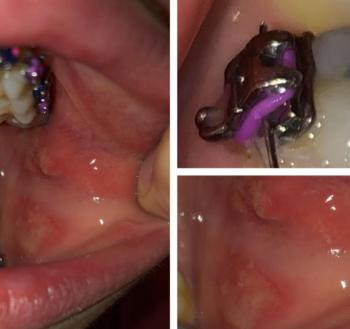
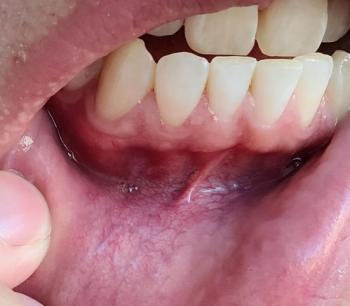
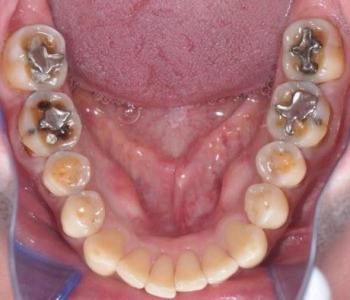
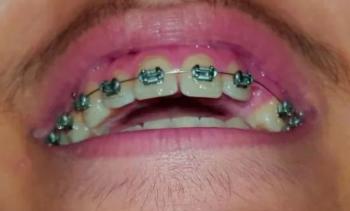
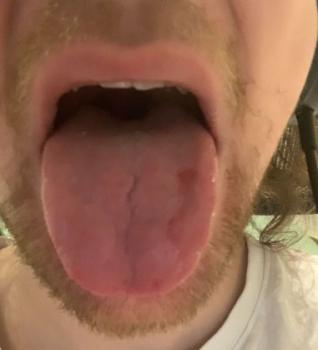
Patients with lower front gum inflammation may also experience tartar buildup, periodontal disease, gum abscesses, or tooth decay. Explore these related clinical case studies.
Other topics:
Other Dental Clinic