Transforming Smiles, Restoring Confidence.

The London Wake-Up Call: How a "Small" Cavity Led to Bigger Problems
Language :
The London Wake-Up Call: How a "Small" Cavity Led to Bigger Problems
Peter’s story starts like many in London. Between rent, bills, and the general cost of living, he was careful with his budget. A checkup at the dentist? That could wait, especially since the last time he went, he was told he just had a "small cavity" that didn't seem urgent. He brushed twice a day, so how bad could it be?
Then came the persistent bad breath. No matter how much he brushed, used mouthwash, or chewed gum, it was always there—a constant, unwelcome companion. It was affecting his confidence at work and in his social life. What Peter couldn't see was the silent progression happening inside his mouth. That "small cavity" he'd been ignoring was the start of a much larger issue.
The Hidden Truth: A Cavity is an Active Infection
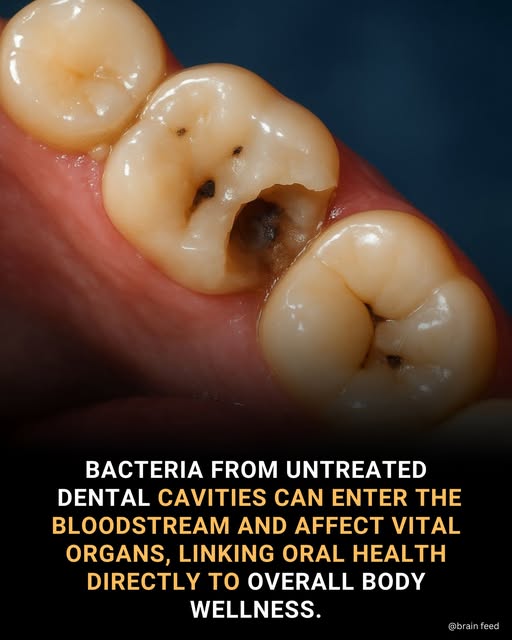
What many people see as a minor hole is, in fact, an active zone of bacterial infection. Tooth decay isn't a static stain; it's a dynamic process. Here’s what was likely happening in Peter’s case:
-
The Unchecked Invasion: The bacteria in the cavity weren't just sitting still. They were producing acid, breaking down more enamel and dentin, tunneling deeper toward the tooth's core.
-
Reaching the Pulp: Once decay breaches the inner pulp chamber—home to nerves and blood vessels—it causes more than a toothache. It creates a bacterial highway. The microbes can move through the tooth’s roots and into the surrounding jawbone.
-
Beyond the Mouth: This localized infection doesn't always stay local. Bacteria and the inflammatory molecules they produce can enter the bloodstream, a condition sometimes called bacteremia. From there, they can travel to distant parts of the body.
This is why Peter’s bad breath was so stubborn. It wasn't from food; it was the smell of active infection and decaying tooth structure—a symptom no amount of brushing could wash away.
The Mouth-Body Connection: It's Not Just a Theory
Peter’s story highlights a critical medical reality: your oral health is a window to your overall health. Chronic inflammation from a dental infection like an abscessed tooth places a sustained burden on the body's immune system.
Medical research has established strong links between poor oral health and systemic conditions:
-
Cardiovascular System: The chronic inflammation from gum disease (periodontitis) and tooth infections is associated with an increased risk of heart disease, clogged arteries, and stroke.
-
Immune System: A body constantly fighting a low-grade oral infection is a stressed body. This can complicate the management of other conditions, like diabetes, where inflammation is already a key concern.
-
Overall Wellbeing: The constant immune response can contribute to fatigue and a general feeling of being unwell.
In a bustling, demanding city like London, where stress levels can be high, adding this kind of biological stress is the last thing anyone needs.
The Cost of Waiting: Penny Wise, Pound Foolish
Peter’s initial goal was to save money. However, the economics of dental care almost always favor early intervention. Let's break down the potential financial (and physical) trajectory:
-
Stage 1: Small Cavity - Treatment: A simple filling. Quick, affordable, preserves the tooth.
-
Stage 2: Deep Decay/Infection (Peter's likely stage) - Treatment: Requires a root canal treatment and a crown, or possibly an extraction. More time-consuming, significantly more expensive.
-
Stage 3: Tooth Loss & Bone Damage - Treatment: Requires a dental implant, bridge, or denture to restore function and appearance. A major multi-step procedure with the highest cost.
By postponing care, Peter risked transforming a simple, low-cost treatment into a complex, expensive one. The cost isn't just financial—it's also the cost of his time, comfort, and long-term health.
Your Actionable Advice: A Londoner's Guide to Proactive Dental Health
Peter’s story is a powerful lesson for all of us. Here’s how to avoid finding yourself in a similar situation:
-
Reframe "Saving Money": See your regular dental checkup as a crucial investment, not an expense. It’s the most cost-effective way to catch problems like cavities and gum disease when they are small and simple to treat.
-
Understand the Symptoms: Persistent bad breath, bleeding gums when brushing, tooth sensitivity, or any visible holes or dark spots on your teeth are not minor issues. They are your body’s warning lights. Book a dental appointment when they first appear.
-
Prioritise Prevention:
-
Use a fluoride toothpaste and don’t rinse with water after brushing—just spit. This leaves a protective fluoride layer on your teeth.
-
Clean between your teeth daily with floss or interdental brushes.
-
Consider reducing the frequency of sugary snacks and drinks, which fuel the bacteria that cause decay.
-
-
Find an NHS Dentist or Explore Plans: If cost is a barrier, actively search for an NHS dental practice accepting new patients. While waiting lists exist, it’s worth the effort. Alternatively, many private clinics offer affordable dental payment plans or membership schemes that spread the cost of checkups and hygiene visits over the year.
The Takeaway for Peter (And You)
For Peter, the path forward is clear. The first step is to book a dental appointment for a thorough examination and X-rays. What he needs is not just a solution for the bad breath, but professional treatment to eliminate the source of the infection. From there, he can get a treatment plan and restore his health.
Good dental care is fundamental self-care. In a city like London, where first impressions and personal well-being are key, maintaining a healthy smile is one of the smartest investments you can make—for your wallet, your confidence, and your long-term health.
Your smile is worth it. Don’t wait until a small symptom becomes a big problem.
Looking for dentist : Visit directory list
Related Clinical Cases
Patients with lower front gum inflammation may also experience tartar buildup, periodontal disease, gum abscesses, or tooth decay. Explore these related clinical case studies.

Other topics:
Other Dental Clinic