Modern Dentistry, Timeless Smiles.

Is Dry Socket Dentist’s Fault? (Expert Insight from Osaka, Japan)
Language :

Topics:
Dry socket is one of the most painful complications after a tooth extraction. Many patients immediately wonder: “Did my dentist do something wrong?”
The answer is not always straightforward.
As a dental specialist practicing in Osaka, I can confidently say that dry socket is rarely caused by dentist error alone. It is typically the result of multiple factors—many of which are beyond clinical control.
What Is Dry Socket?
Dry socket (alveolar osteitis) occurs when the blood clot at the extraction site fails to form properly or becomes dislodged too early.
This clot is essential because it:
- Protects the bone and nerves
- Supports healing
- Prevents infection
Without it, the underlying bone is exposed, leading to intense pain and delayed recovery.
Is Dry Socket the Dentist’s Fault?
The Short Answer: Usually No
In most cases, dry socket is not due to negligence. Even with perfect technique, some patients are simply at higher risk.
When It Could Be the Dentist’s Responsibility
Although rare, clinical factors may contribute:
- Traumatic or overly aggressive extraction
- Poor irrigation or cleaning of the socket
- Failure to provide clear aftercare instructions
A skilled dentist minimizes these risks, but cannot eliminate them entirely.
The Real Causes of Dry Socket
From clinical experience in Japan, the most common causes are patient-related:
1. Smoking
Nicotine reduces blood flow and can dislodge the clot.
2. Using Straws
The suction effect can pull out the clot.
3. Poor Aftercare
Ignoring instructions such as rinsing too early or touching the site.
4. Infection Before Extraction
Pre-existing infection increases complication risk.
5. Hormonal Factors
Some studies show higher risk in patients using oral contraceptives.
Signs That Indicate Dry Socket
Patients typically experience:
- Severe pain 2–4 days after extraction
- Pain radiating to ear or jaw
- Bad taste or odor
- Visible bone in the socket
If these symptoms appear, immediate dental care is required.
Can Dry Socket Be Prevented?
Yes—while not 100% preventable, the risk can be significantly reduced.
Dentist’s Role
- Gentle extraction technique
- Proper cleaning of the socket
- Use of medicated dressings when needed
Patient’s Role
- Avoid smoking for at least 72 hours
- Do not rinse aggressively for 24 hours
- Avoid straws and spitting
- Follow all prescribed medications
Key Insight:
Prevention is a shared responsibility between dentist and patient.
Does Dry Socket Affect Future Dental Implants?
This is a common concern.
Dry socket does not permanently prevent dental implants, but it may:
- Delay healing time
- Require additional treatment
- Affect bone quality temporarily
Once the site heals properly, implant placement can proceed successfully.
Common FAQ
Is dry socket a sign of a bad dentist?
Not usually. It is a known complication even in well-performed procedures.
How common is dry socket?
It occurs in about 2–5% of extractions, but higher (up to 30%) in wisdom teeth cases.
How long does dry socket last?
With treatment, pain improves within a few days, but full healing may take 1–2 weeks.
Should I blame my dentist for dry socket?
Blame is rarely appropriate. It is more productive to focus on treatment and prevention.
Can I still get a dental implant after dry socket?
Yes. Once healing is complete, implants can be placed safely.
Final Expert Advice
From my clinical practice in Osaka, the most important message is this:
Dry socket is not about fault—it’s about risk management.
Even the most experienced dentist cannot fully prevent it. However, proper technique and strict aftercare significantly reduce the chances.
If you experience unusual pain after extraction, do not wait. Early treatment leads to faster recovery and protects your future dental procedures.
Related Topics
- When Can I Get a Dental Implant After Tooth Extraction?
- Tooth Extraction Healing Stages Day by Day
- Immediate vs Delayed Dental Implants – Which Is Safer?
Can tooth extraction cause infection? Mild inflammation is normal, but increasing swelling, fever, or severe pain may indicate infection. Learn more about post-extraction infection warning signs in this detailed guide.
Book a consultation with our Cebu dental specialists for proper evaluation and care.
Ready to get expert guidance?
If you’re experiencing severe pain or delayed healing, book a consultation with our Cebu dental specialists to get proper evaluation and care.
Consultation or contact page .
Book a Consultation
For severe discomfort or delayed healing, book a consultation with our Cebu dental specialists today.
Looking for a dentist? Browse our Cebu dental directory to find trusted clinics near you.
Medical Review and Clinical Basis
This article is based on clinical dental guidelines and real patient recovery patterns observed after tooth extraction procedures. The information reflects common post-extraction healing stages, including normal clot formation, gum tissue repair, and signs of possible complications such as dry socket or infection.
While mild discomfort is expected after a dental extraction, worsening pain after Day 3, bad odor, exposed bone, or spreading pain may require professional evaluation. These symptoms are consistent with known post-extraction complications described in standard dental practice.
About Cebu Dental Implants
Cebu Dental Implants provides comprehensive tooth extraction, surgical procedures, and dental implant services in the Philippines. Our team evaluates post-extraction healing, manages complications such as dry socket, and advises patients on proper aftercare to prevent infection and delayed healing.
If you experience severe pain or unusual symptoms after extraction, early professional assessment is recommended to prevent further complications.
Important Medical Disclaimer
This content is for educational purposes only and does not replace professional dental diagnosis. Every patient heals differently. If symptoms worsen or do not improve within a few days, consult a licensed dentist for proper evaluation and treatment.
Author
This article was prepared by the Cebu Dental Implants content team in consultation with licensed dental professionals experienced in tooth extraction and implant procedures.
Related Clinical Cases
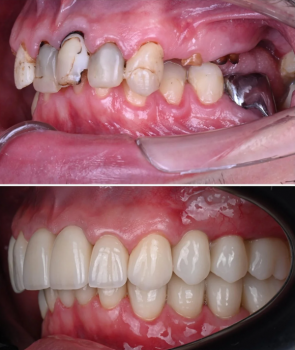
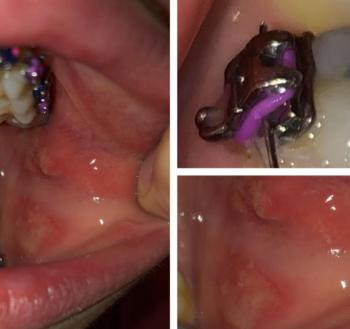
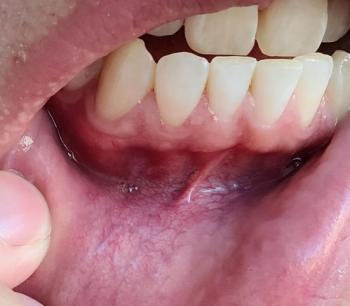
Patients with lower front gum inflammation may also experience tartar buildup, periodontal disease, gum abscesses, or tooth decay. Explore these related clinical case studies.


Other topics:
Other Dental Clinic
 |
 |
 |
 |