Because Every Tooth Deserves Care.

Healthy Gums: Signs, Prevention, and What People in the USA Should Know
Language :
Topics:
Healthy gums are the foundation of a strong, lasting smile. While many people focus on their teeth, the condition of your gums is just as important. Gum health affects not only your oral condition but also your overall health, including your heart, immune system, and blood sugar levels.
If you are living in the United States, understanding the signs of healthy gums and recognizing early warning signals of disease can help you prevent serious dental problems like tooth loss and advanced periodontal disease.
What Do Healthy Gums Look Like?
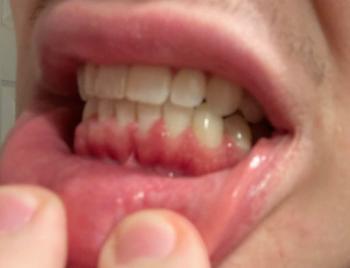
Healthy gums are easy to recognize once you know what to look for. They should:
- Be light pink or slightly darker depending on natural pigmentation
- Fit snugly around your teeth
- Feel firm, not soft or swollen
- Not bleed when brushing or flossing
- Have no pain or tenderness
Healthy gums act as a protective seal, keeping bacteria from entering deeper tissues and bone.
Signs Your Gums Are Healthy
Maintaining healthy gums means your mouth is functioning properly. Here are clear signs of good gum health:
1. No Bleeding During Brushing or Flossing
If your gums bleed regularly, it is often an early sign of inflammation. Healthy gums should not bleed during normal oral care.
2. Firm and Tight Gum Tissue
Gums should feel firm and hug your teeth closely. Loose or receding gums may indicate underlying problems.
3. Fresh Breath
Persistent bad breath can be caused by bacteria buildup and gum infection. Healthy gums help maintain a clean oral environment.
4. No Swelling or Redness
Inflamed gums are often a sign of early gum disease.
5. Stable Teeth
Healthy gums support your teeth. If your teeth feel loose, it may indicate advanced periodontal issues.
When Gums Are Not Healthy
Unhealthy gums may show the following warning signs:
- Red, swollen, or tender gums
- Bleeding during brushing
- Gum recession (teeth appear longer)
- Persistent bad breath
- Pus between teeth and gumz
- Loose teeth
These symptoms may indicate conditions such as Gingivitis or Periodontitis.
Understanding Periodontal Disease
Periodontal disease is a serious infection of the gums and bone supporting your teeth. It develops in stages:
Stage 1: Gingivitis
- Mild inflammation
- Reversible with proper care
- No bone loss
Stage 2: Early Periodontitis
- Gum pockets begin to form
- Bone loss starts
Stage 3: Moderate to Advanced Periodontitis
- Significant bone loss
- Teeth may loosen or fall out
- Requires professional treatment
Early detection is critical to prevent permanent damage.
New Research: Why Gum Health Matters More Than Ever
Recent studies from organizations like the American Dental Association and the Centers for Disease Control and Prevention highlight strong links between gum health and overall systemic health.
Key Findings from Researche
- Gum disease is linked to heart disease
Bacteria from infected gums can enter the bloodstream and contribute to cardiovascular conditions. - Connection with diabetes
People with diabetes are more prone to gum disease, and infections can make blood sugar harder to control. - Impact on pregnancy
Poor gum health has been associated with premature birth and low birth weight. - Link to respiratory conditions
Oral bacteria can be inhaled into the lungs, potentially causing infections. - Chronic inflammation
Gum disease contributes to inflammation throughout the body.
These findings show that healthy gums are essential for overall wellness—not just oral health.
Common Causes of Gum Problems in the USA
People living in the United States may face several lifestyle factors that increase the risk of gum disease:
Poor Diet
High sugar and processed foods promote plaque buildup.
Smoking and Tobacco Use
Smoking weakens the immune system and reduces blood flow to the gums.
Stress
Stress affects immune function, making it harder to fight infection.
Inconsistent Oral Care
Busy schedules often lead to skipped brushing, flossing, or dental visits.
Medical Conditions
Conditions like diabetes increase the risk of gum disease.
Daily Habits for Healthy Gums
Maintaining healthy gums requires consistent effort.
Proper Brushing
Brush at least twicee daily using a soft-bristled toothbrush.
Flossing
Floss daily to remove plaque between teeth.
Mouthwash
Use antibacterial mouthwash to reduce bacteria.
Balanced Diet
Include:
- Vitamin C-rich foods
- Calcium-rich foods
- Omega-3 fatty acids
Hydration
Drink water regularly to help cleanse the mouth.
Professional Dental Caree
Even with good home care, professional dental visits are essential.
Regular Checkups
Visit your dentist every 6 months.
Deep Cleaning
Scaling and root planing remove bacteria below the gum line when needed.
Early Treatment
Addressing issues early prevents serious complications.
Warning Signs You Should Not Ignore
Seek dental care if you notice:
Delaying treatment can lead to irreversible damage.
Gum Health Across Different Ages
Children and Teens
Early habits prevent future problems.
Adults
Lifestyle and stress increase risk.
Seniors
Aging and medical conditions can slow healing and increase vulnerability.
How Lifestyle in the USA Affects Gum Health
In the United States, lifestyle plays a major role:
- High consumption of processed foods
- Fast-paced routines
- Increased stress levels
These factors can negatively affect oral health if not managed properly.
Preventing Advanced Periodontal Disease
To keep your gums free from infection or advanced periodontal disease:
- Maintain strong oral hygiene
- Visit your dentist regularly
- Avoid smoking
- Eat a balanced diet
- Manage stress
- Treat early symptoms immediately
Healthy gums should always remain free from infection, swelling, and deep pockets.
Frequently Asked Questions (FAQ)
What color should healthy gums be?
Healthy gums are usually light pink but can vary depending on natural pigmentation.
Why do my gums bleed when I brush?
Bleeding is often a sign of inflammation or early gum diesease.
Can gum disease be reversed?
Gingivitis can be reversed, but advanced periodontitis cannot be fully reversed.
How often should I visit a dentist?
At least twice a year or as recommended.
Does smoking affect gum health?
Yes. Smoking increases the risk of gum disease and delays healing.
Are electric toothbrushes better?
They can improve plaque removal when used properly.
Can diet improve gum health?
Yes. Proper nutrition supports immune function and healing.
Is bad breath always related to gum disease?
Not always, but it can be a warning sign.
What is the fastest way to improve gum health?
Consistent brushing, flossing, and professional cleaning.
Can stress affect gums?
Yes. Stress weakens the immune system and increases inflammation.
Final Thoughts
Healthy gums are essential for maintaining strong teeth and overall health. They should be firm, pink, and free from infection or advanced periodontal disease. Ignoring early signs can lead to serious complications, including tooth loss and systemic health issues.
For people living in the United States, maintaining gum health requires discipline, awareness, and regular dental care.
Taking care of your gums today is an investment in your long-term health. A healthy smile starts with healthy gumse.
Can tooth extraction cause infection? Mild inflammation is normal, but increasing swelling, fever, or severe pain may indicate infection. Learn more about post-extraction infection warning signs in this detailed guide.
Book a consultation with our Cebu dental specialists for proper evaluation and care.
Ready to get expert guidance?
If you’re experiencing severe pain or delayed healing, book a consultation with our Cebu dental specialists to get proper evaluation and care.
Consultation or contact page .
Book a Consultation
For severe discomfort or delayed healing, book a consultation with our Cebu dental specialists today.
Looking for a dentist? Browse our Cebu dental directory to find trusted clinics near you.
Medical Review and Clinical Basis
This article is based on clinical dental guidelines and real patient recovery patterns observed after tooth extraction procedures. The information reflects common post-extraction healing stages, including normal clot formation, gum tissue repair, and signs of possible complications such as dry socket or infection.
While mild discomfort is expected after a dental extraction, worsening pain after Day 3, bad odor, exposed bone, or spreading pain may require professional evaluation. These symptoms are consistent with known post-extraction complications described in standard dental practice.
About Cebu Dental Implants
Cebu Dental Implants provides comprehensive tooth extraction, surgical procedures, and dental implant services in the Philippines. Our team evaluates post-extraction healing, manages complications such as dry socket, and advises patients on proper aftercare to prevent infection and delayed healing.
If you experience severe pain or unusual symptoms after extraction, early professional assessment is recommended to prevent further complications.
Important Medical Disclaimer
This content is for educational purposes only and does not replace professional dental diagnosis. Every patient heals differently. If symptoms worsen or do not improve within a few days, consult a licensed dentist for proper evaluation and treatment.
Author
This article was prepared by the Cebu Dental Implants content team in consultation with licensed dental professionals experienced in tooth extraction and implant procedures.
Related Clinical Cases
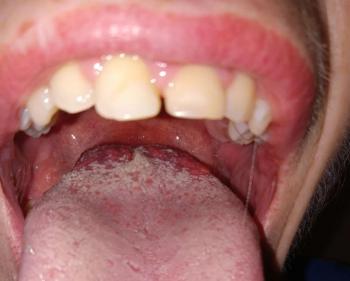
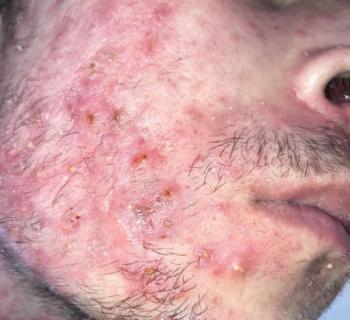
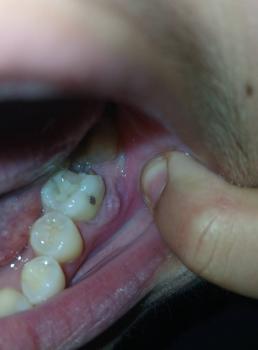
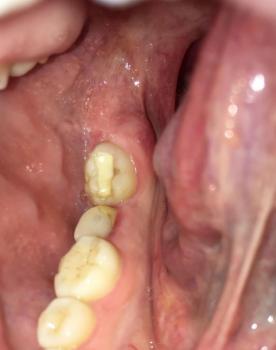
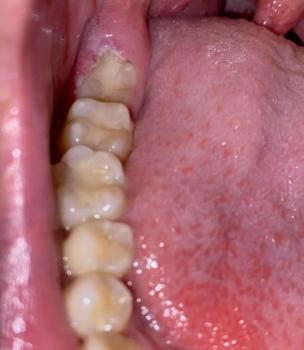
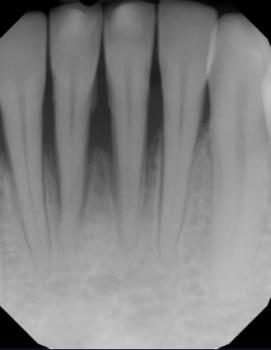
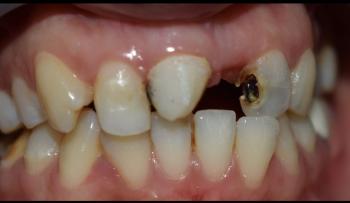
Patients with lower front gum inflammation may also experience tartar buildup, periodontal disease, gum abscesses, or tooth decay. Explore these related clinical case studies.
Other topics:
Other Dental Clinic