Your Smile, Perfected with Precision.

Lola's Love, Nanay's Worry: The Truth About Breastfeeding and Toddler Tooth Decay in the Philippines
Language :
Topics:
Maria looked down at her two-year-old son, Mateo, sleeping peacefully. His long eyelashes rested on his cheeks, and his mouth was slightly open. As he stirred, he let out a soft whimper, and Maria did what she had done a thousand times before—she offered him her breast. He latched on instantly, his body relaxing back into sleep. It was the only way he would sleep through the night.
But during the day, Maria’s worry grew. She had noticed brown spots on Mateo’s front teeth, and lately, he would wince when he drank cold water. Her mother, Lola Perlita, assured her, "Hayan lang 'yan. Ngipin ng gatas lang 'yan, papalitan din 'yan." (It's nothing. Those are just baby teeth, they'll be replaced.) But Maria’s gut told her something was wrong.
At Mateo’s check-up at the local health center, the young dentist, Dr. Anj, confirmed her fears. "Mateo has early childhood caries," she said gently. Maria’s heart sank. She had heard that breastfeeding was best. How could something so natural be hurting her son?
Dr. Anj saw the confusion and guilt on Maria's face. "Maria," she began, "your breastfeeding has given Mateo a wonderful start in life. It has protected him from sickness and helped his brain grow strong. The problem is not the breast milk itself."
She pulled out a model of teeth. "The problem is the timing. When Mateo's teeth came in, and he continues to feed on demand at night, the milk sugar sits on his teeth for hours. At night, our mouths get very dry, so there's no saliva to wash the sugar away. It's like soaking his teeth in a sweet bath all night long. This is what causes the cavities."
Maria understood immediately. The prolonged, nocturnal breastfeeding that was their comfort was silently damaging Mateo's teeth.
The Complicated Truth: Nurture vs. Nature
Dr. Anj’s explanation mirrors what dental experts worldwide are clarifying:
-
The First Year is Golden: Exclusive breastfeeding for the first 6 months, and continuing up to 12 months, is fantastic for oral health. It supports jaw development and provides immunity.
-
The Shift After 12 Months: Once babies have teeth and continue to breastfeed frequently at night, the risk of cavities increases. The lactose in breast milk, while a natural sugar, can be used by bacteria in the mouth to produce acid that erodes enamel.
The crucial point: Breastfeeding itself is not the villain. The risk comes from the combination of:
-
Prolued Nocturnal Feeding (beyond 12-24 months)
-
Lack of proper cleaning before bed
-
The natural drop in saliva flow during sleep
Dr. Anj's Action Plan for Maria (And For You)
Maria left the clinic not with guilt, but with a plan. Dr. Anj advised her on how to protect Mateo's smile while still offering comfort.
-
The "Brush Before Bed" Rule: This is non-negotiable. The very last thing to touch Mateo's teeth before sleep should be a soft-bristled toothbrush with a tiny smear of fluoride toothpaste. No milk or food after brushing.
-
Manage the Night Feeds: Dr. Anj didn't demand she wean immediately. Instead, she suggested gradually reducing the duration and frequency of night feeds. After Mateo falls asleep, she could gently detach him.
-
The "Sip of Water" Trick: After a night feed, offering a sip of plain water can help rinse away some of the milk residue.
-
Daytime Weaning: Encourage more solid foods and drinks from a cup during the day to reduce reliance on breastfeeding for nutrition and comfort.
-
First Dental Visit: Dr. Anj scheduled a follow-up to monitor Mateo's teeth and apply a fluoride varnish to strengthen the enamel.
Maria’s story is not about stopping breastfeeding. It’s about adapting it as your child grows to protect their oral health. It’s about balancing the immense love and comfort of breastfeeding with the practical steps needed to ensure a healthy, pain-free smile for your child.
You are not a bad parent for not knowing this. You become an empowered one by learning and taking small, consistent steps forward.
Looking for dentist : Visit directory list
Related Clinical Cases
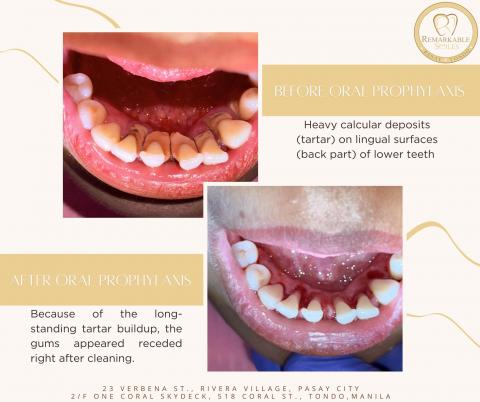
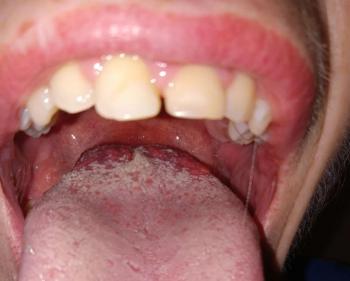
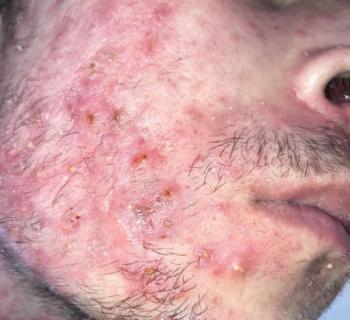
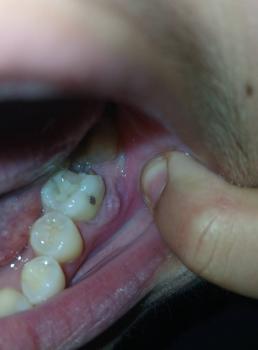
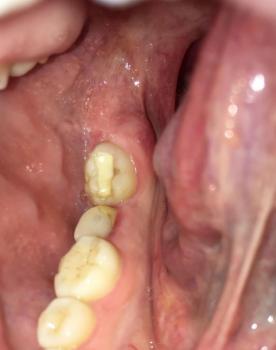
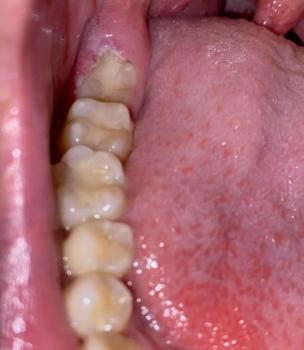
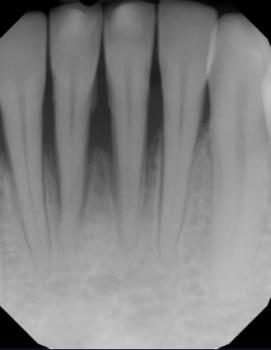
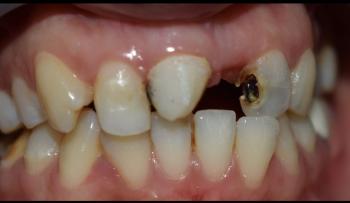
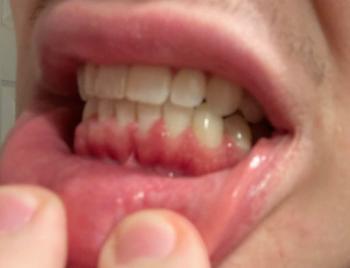
Patients with lower front gum inflammation may also experience tartar buildup, periodontal disease, gum abscesses, or tooth decay. Explore these related clinical case studies.
Other topics:
Other Dental Clinic