Healthy Teeth, Happy Life.

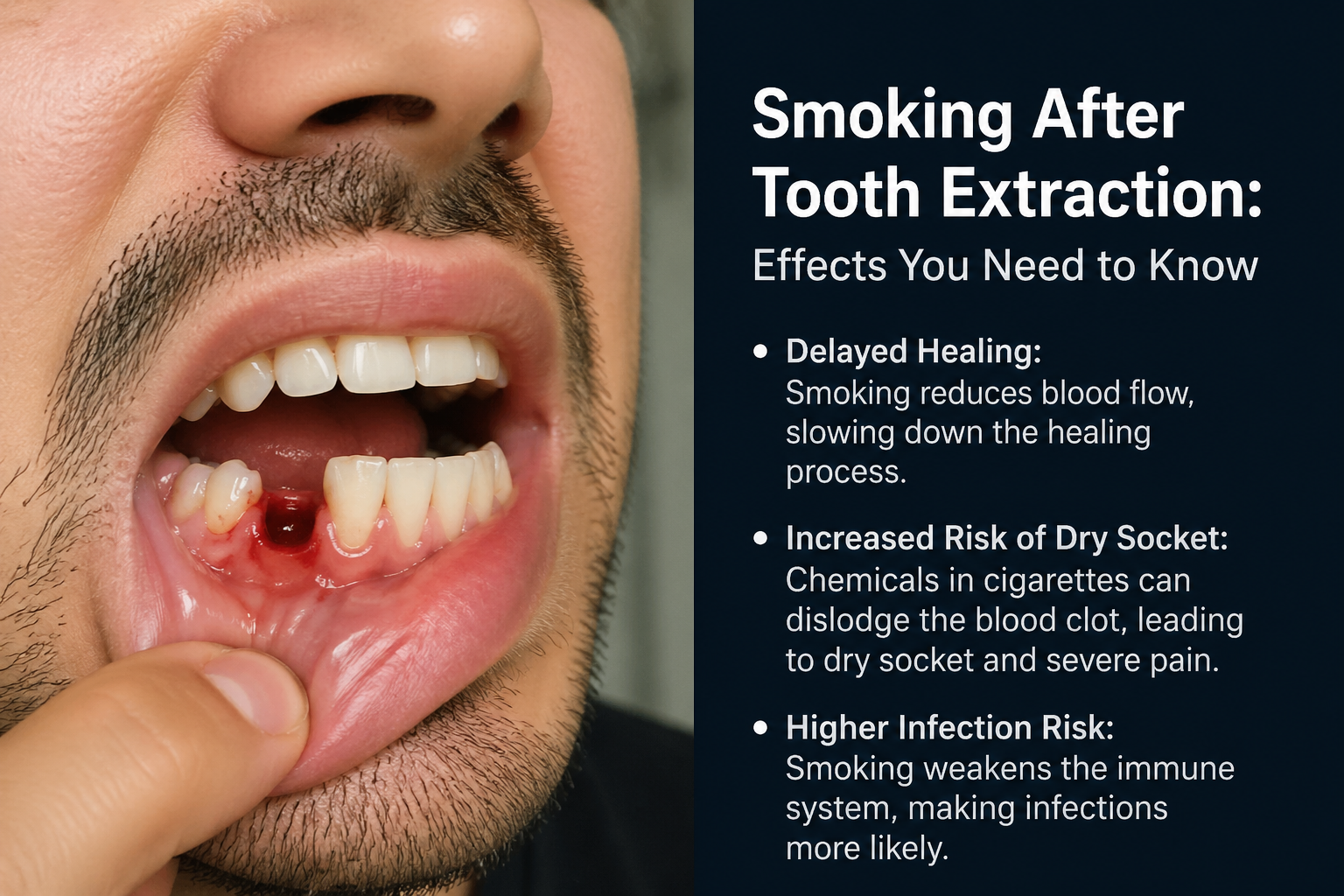
Smoking After Tooth Extraction: Effects You Need to Know
Language :
Topics:
A Clinical Recovery Guide from a Missouri Dental Bone Graft Expert (10 Years Experience)
If you smoke and you’ve just had a tooth removed, you’re likely wonderinge:
“How bad is it if I smoke after an extraction?”
In my Missouri practice, this is one of the most important conversations I have with patients. After 10 years working with extractions, bone grafting, and implant preparation, I’ve seen a clear pattern:
Smoking is one of the strongest predictors of complications after tooth extraction.
This guide explains exactly what smoking does to your healing process, why it increases risks like dry socket and infection, and what you can do to protect your recovery.
Why Smoking Is Dangerous After Tooth Extraction
After extraction, your body forms a blood clot in the socket.
This clot is essential because it:
- Protects bone and nerves
- Supports tissue regeneration
- Prevents dry socket
Smoking interferes with this process in multiple ways.
1. Smoking Can Dislodge the Blood Clotte
When you inhale smoke, you create suction inside your mouth.
Result
- The clot can be pulled out
- The socket becomes exposed
Clinical Outcome
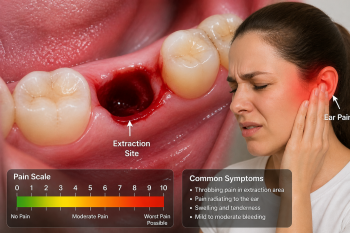
This often leads to dry socket, one of the most painful post-extraction complications.
2. Smoking Reduces Blood Flow
Nicotine causes blood vessels to constrict.
Effect
- Reduced oxygen supply
- Slower tissue repair
- Increased healing time
3. Smoking Increases Infection Risk
Smoking:
- Weakens immune response
- Introduces harmful chemicals
Result
- Higher risk of infection
- Delayed recovery
4. Smoking Delays Bone Healing
For patients planning implants or bone grafting:
Impact
- Slower bone regeneration
- Reduced implant success
Expert Insight
Bone healing is critical—and smoking directly interferes with it.
5. Heat and Chemicals Irritate the Wound
Cigarette smoke contains:
- Heat
- Toxins
Result
- Tissue irritation
- Increased inflammation
Timeline: Smoking Risk After Extraction
First 24–72 Hours: Highest Risk
What’s Happening
- Blood clot forming
- Healing beginning
Risk Level
Extremely high
Expert Advice
Do not smoke at all during this period.
Days 3–7: Still High Risk
What’s Happening
- Clot stabilizing
- Tissue healing progressing
Risk Level
Still significant
Recommendation
Avoid smoking for at least one week.
Week 2: Moderate Risk
What’s Happening
- Healing more stable
Risk Level
Reduced—but still present
After 2 Weeks: Lower Risk
Most patients can resume normal habits—but healing quality may still be affected.
Real Case from My Missouri Practice
Patient: Mark, 53 years old
Situation:
- Smoker
- Underwent tooth extraction
Day 2:
- Smoked despite instructions
Day 3:
- Developed severe pain
- Diagnosed with dry socket
Treatment:
- Cleaning and medicated dressing
Outcome:
- Delayed recovery
- Increased discomfort
Expert Insight
Smoking was the primary cause of his complication.
How Long Should You Avoid Smoking?
Minimum Recommendation
- 5–7 days
Ideal Recommendation
- 10–14 days
Best Outcome
- Quit completely (if possible)
If You Can’t Quit: Harm Reduction Tips
While quitting is best, some patients struggle.
If You Must Smoke:
- Wait at least 72 hours
- Smoke less frequently
- Avoid deep inhalation
Important Note
These steps reduce risk—but do not eliminate it.
Signs Smoking Is Causing Problems
Contact your dentist if you notice:
- Increased pain after smoking
- Bleeding
- Bad taste or odor
- Swelling worsening
Smoking and Dental Implants
If you plan implants:
Smoking can:
- Reduce success rate
- Increase failure risk
- Delay integration
Expert Advice
Implant success depends heavily on healing quality—avoid smoking during this period.
Alternatives to Smoking During Recovery
Consider:
- Nicotine patches (consult your doctor)
- Distraction techniques
- Hydration
Goal
Reduce dependence during the critical healing phase.
Common Mistakes Smokers Make
- Smoking within 24 hours
- Assuming “one cigarette is fine”
- Ignoring symptoms
- Not following instructions
Psychological Challenge
Nicotine cravings are real.
Expert Advice
Focus on short-term goal:
Protect healing for just one week.
FAQ: Smoking After Tooth Extraction
1. Can I smoke after extraction?
It is strongly discouraged, especially in the first week.
2. What happens if I smoke too soon?
You increase the risk of dry socket and infection.
3. How long should I wait before smoking?
At least 5–7 days; ideally longer.
4. Does smoking always cause complications?
Not always—but risk is significantly higher.
5. Can vaping cause the same problems?
Yes—suction and chemicals still affect healing.
6. Will smoking affect implants later?
Yes—it can reduce implant success.
Related Topics
1. How to Prevent Dry Socket
Learn how to protect the blood clot.
2. Tooth Extraction Healing Stages
Understand the full recovery process.
3. Alcohol After Tooth Extraction Risk
Learn about other habits that affect healing.
Final Thoughts from a Missouri Bone Graft Expert
After a decade in practice, I can say this with certainty:
Smoking is one of the most preventable causes of post-extraction complications.
The key principles are simple:
- Avoid smoking early
- Protect the blood clot
- Give your body time to heal
Even a short break from smoking can make a significant difference in your recovery.
And remember:
Your healing window is temporary—but the results can last a lifetime.
Can tooth extraction cause infection? Mild inflammation is normal, but increasing swelling, fever, or severe pain may indicate infection. Learn more about post-extraction infection warning signs in this detailed guide.
Book a consultation with our Cebu dental specialists for proper evaluation and care.
Ready to get expert guidance?
If you’re experiencing severe pain or delayed healing, book a consultation with our Cebu dental specialists to get proper evaluation and care.
Consultation or contact page .
Book a Consultation
For severe discomfort or delayed healing, book a consultation with our Cebu dental specialists today.
Looking for a dentist? Browse our Cebu dental directory to find trusted clinics near you.
Medical Review and Clinical Basis
This article is based on clinical dental guidelines and real patient recovery patterns observed after tooth extraction procedures. The information reflects common post-extraction healing stages, including normal clot formation, gum tissue repair, and signs of possible complications such as dry socket or infection.
While mild discomfort is expected after a dental extraction, worsening pain after Day 3, bad odor, exposed bone, or spreading pain may require professional evaluation. These symptoms are consistent with known post-extraction complications described in standard dental practice.
About Cebu Dental Implants
Cebu Dental Implants provides comprehensive tooth extraction, surgical procedures, and dental implant services in the Philippines. Our team evaluates post-extraction healing, manages complications such as dry socket, and advises patients on proper aftercare to prevent infection and delayed healing.
If you experience severe pain or unusual symptoms after extraction, early professional assessment is recommended to prevent further complications.
Important Medical Disclaimer
This content is for educational purposes only and does not replace professional dental diagnosis. Every patient heals differently. If symptoms worsen or do not improve within a few days, consult a licensed dentist for proper evaluation and treatment.
Author
This article was prepared by the Cebu Dental Implants content team in consultation with licensed dental professionals experienced in tooth extraction and implant procedures.
Related Clinical Cases
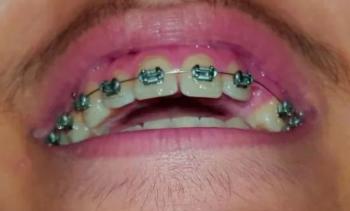
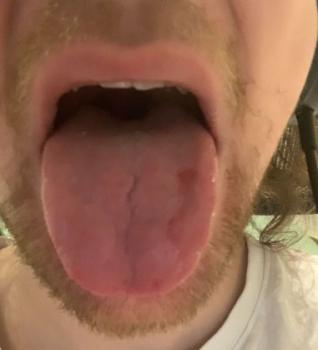
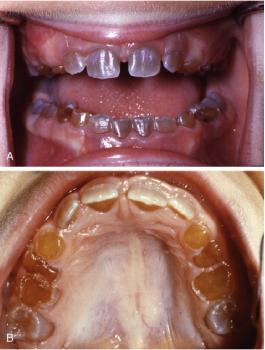
Patients with lower front gum inflammation may also experience tartar buildup, periodontal disease, gum abscesses, or tooth decay. Explore these related clinical case studies.

Other topics:
Other Dental Clinic