Strong Teeth, Fresh Breath, Brighter You.

Root Canal Cost in San Francisco, California (2026 Expert Guide)
Language :

Topics:
If you have been told that you need a root canal, one of the first questions that probably comes to mind is, “How much will a root canal cost in San Francisco, California?”
The answer depends on several factors, including the tooth being treated, the complexity of the infection, whether you need a specialist, and whether additional procedures such as a dental crown are required.
As a dental professional, I often remind patients that delaying root canal treatment can lead to severe pain, abscess formation, bone loss, and ultimately tooth extraction. While many people worry about the cost, saving a natural tooth is often more affordable and healthier in the long run than replacing it with a dental implant or bridge.
In this comprehensive 2026 guide, we'll discuss:
- Average root canal costs in San Francisco
- Cost differences by tooth type
- Insurance coverage
- Additional treatment expenses
- Root canal vs extraction costs
- How to save money on treatment
- Expert advice from dental professionals
- Frequently asked questions
What Is a Root Canal?
A root canal is a dental procedure designed to remove infected or damaged pulp from inside a tooth.
The pulp contains:
- Blood vessels
- Nerves
- Connective tissues
When bacteria enter the pulp chamber due to deep decay, cracks, trauma, or large fillings, infection can develop.
Root canal treatment removes:
- Infected tissue
- Bacteria
- Inflamed nerves
The dentist then disinfects and seals the tooth to prevent future infection.
The goal is simple:
Save your natural tooth whenever possible.
Why Patients in San Francisco Need Root Canals
Several common dental problems lead to root canal treatment.
Deep Tooth Decay
Untreated cavities can penetrate through enamel and dentin into the pulp.
Symptoms include:
- Sensitivity to hot foods
- Cold sensitivity
- Tooth pain while chewing
Cracked Teeth
A crack can allow bacteria to enter the pulp.
Common causes include:
- Teeth grinding
- Sports injuries
- Chewing hard foods
- Accidents
Dental Trauma
A tooth can suffer nerve damage even if there is no visible crack.
Examples include:
- Falls
- Sports impacts
- Car accidents
Dental Abscess
A dental abscess occurs when infection reaches the root tip.
Symptoms include:
- Severe throbbing pain
- Facial swelling
- Gum swelling
- Fever
- Bad taste in the mouth
An abscess is considered a dental emergency.
Average Root Canal Cost in San Francisco (2026)
The cost of root canal treatment varies depending on which tooth requires treatment.
Typical Cost Range
| Tooth Type | Average Cost |
|---|---|
| Front Tooth | $800 – $1,500 |
| Premolar | $900 – $1,700 |
| Molar | $1,200 – $2,500 |
| Specialist Endodontist | $1,500 – $3,000+ |
San Francisco tends to have higher dental fees than many other parts of the United States due to:
- High operating costs
- Advanced dental technology
- Higher wages
- Specialist demand
Root Canal Cost by Tooth Type
Front Teeth
Front teeth generally have one root canal.
Because treatment is less complex, costs are lower.
Average Cost
$800 to $1,500
Common teeth include:
- Central incisors
- Lateral incisors
- Canines
Premolars
Premolars typically contain one or two canals.
Treatment requires more time and expertise.
Average Cost
$900 to $1,700
Molars
Molars are the most difficult teeth to treat.
Many molars contain:
- Three canals
- Four canals
- Occasionally five or more canals
Average Cost
$1,200 to $2,500
Molars often require treatment by an endodontic specialist.
Why Root Canal Costs Vary
Not all root canal procedures are identical.
Several factors influence the final price.
Severity of Infection
A small infection is easier to treat than a large abscess.
Advanced infections often require:
- Additional imaging
- Longer treatment sessions
- Medication
Number of Canals
More canals increase:
- Procedure time
- Equipment use
- Difficulty level
Molars generally cost more because they contain more canals.
Specialist vs General Dentist
Many general dentists perform routine root canals.
However, difficult cases are referred to endodontists.
An endodontist specializes in:
- Root canal therapy
- Complex infections
- Retreatment procedures
Specialist fees are generally higher.
Dental Technology Used
Modern San Francisco dental offices often use advanced equipment.
Examples include:
Digital X-Rays
Provide detailed imaging with less radiation.
CBCT Scans
Three-dimensional imaging for complex cases.
Dental Microscopes
Help locate hidden canals.
Rotary Instruments
Improve precision and treatment efficiency.
These technologies improve success rates but can increase treatment costs.
Additional Costs Beyond the Root Canal
Many patients are surprised that the root canal itself is not always the final expense.
Dental Crown
Most back teeth require crowns after treatment.
A crown protects the tooth from fracture.
Crown Cost
$1,200 to $2,500
Factors affecting crown cost include:
- Material
- Laboratory fees
- Complexity
Core Build-Up
A build-up restores lost tooth structure before placing a crown.
Cost
$200 to $600
Emergency Examination
Emergency dental visits may include:
- Examination
- X-rays
- Consultation
Cost
$100 to $400
CBCT Scan
Complex root canal cases may require 3D imaging.
Cost
$150 to $500
Total Root Canal Treatment Cost
Many patients should budget for both the root canal and crown.
Typical Total Cost
| Treatment | Cost Range |
|---|---|
| Root Canal | $800 – $2,500 |
| Crown | $1,200 – $2,500 |
| Total | $2,000 – $5,000+ |
Does Dental Insurance Cover Root Canals?
In many cases, yes.
Most dental insurance plans classify root canal treatment as a major procedure.
Coverage typically ranges from:
- 50%
- 70%
- 80%
depending on the plan.
Patients should verify:
- Annual maximums
- Waiting periods
- Deductibles
- Network restrictions
Root Canal vs Tooth Extraction
Some patients consider extraction because it initially costs less.
However, this can become more expensive over time.
Root Canal
Advantages
- Saves natural tooth
- Maintains chewing ability
- Prevents shifting teeth
- Preserves bone
Cost
$800 – $2,500
Extraction
Initial Cost
$250 – $1,000
However, replacing the missing tooth may require:
- Dental implant
- Bridge
- Partial denture
Replacement costs can exceed several thousand dollars.
Root Canal vs Dental Implant
A common question is whether a root canal or implant is better.
Root Canal Benefits
- Keeps natural tooth
- Faster healing
- Lower cost
- Less surgery
Implant Benefits
- Useful when tooth cannot be saved
- Excellent long-term success
Expert Recommendation
Whenever possible, preserving a healthy natural tooth remains the preferred option.
Most dental professionals recommend saving the tooth before considering extraction and implant replacement.
Signs You May Need a Root Canal
Patients often ignore early warning signs.
Seek dental evaluation if you experience:
Persistent Tooth Pain
Pain that lasts for days or weeks may indicate pulp damage.
Sensitivity to Hot or Cold
Especially if discomfort lingers after the stimulus is removed.
Swollen Gums
Localized swelling may indicate infection.
Tooth Discoloration
A darkened tooth can indicate nerve damage.
Pimple on the Gum
This may be a draining abscess.
Do not ignore this symptom.
What Happens During a Root Canal?
Understanding the procedure helps reduce anxiety.
Step 1: Examination
The dentist evaluates:
- Symptoms
- X-rays
- Infection severity
Step 2: Local Anesthesia
The area is completely numbed.
Modern root canals are generally no more uncomfortable than receiving a filling.
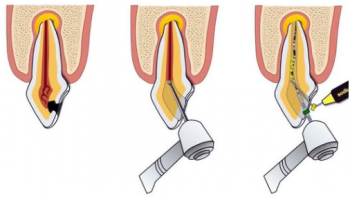
Step 3: Access Opening
A small opening is made in the tooth.
Step 4: Cleaning the Canals
Special instruments remove:
- Infected pulp
- Bacteria
- Debris
Step 5: Disinfection
The canals are thoroughly disinfected.
Step 6: Filling and Sealing
The cleaned canals are sealed using biocompatible materials.
Step 7: Crown Placement
Most molars require a crown after healing.
How Long Does a Root Canal Take?
Treatment time depends on complexity.
Front Teeth
Approximately 30–60 minutes.
Premolars
Approximately 60–90 minutes.
Molars
Approximately 90–120 minutes.
Complex cases may require multiple visits.
Root Canal Recovery
Most patients recover quickly.
Common temporary symptoms include:
- Mild soreness
- Pressure sensitivity
- Jaw tenderness
Recovery tips:
- Take prescribed medication
- Avoid chewing hard foods
- Maintain oral hygiene
- Attend follow-up appointments
Most patients return to normal activities the next day.
How Long Do Root Canals Last?
A properly treated and restored tooth can last decades.
Studies show success rates often exceed 90%.
Factors affecting longevity include:
- Quality of treatment
- Crown placement
- Oral hygiene
- Regular dental visits
Many root canal-treated teeth last a lifetime.
How to Save Money on Root Canal Treatment in San Francisco
Dental care in San Francisco can be expensive, but several options may help.
Use Dental Insurance
Always verify benefits before treatment.
Seek In-Network Providers
In-network dentists often provide reduced fees.
Ask About Payment Plans
Many offices offer monthly financing.
Consider Dental Membership Plans
Some clinics offer discounts through membership programs.
Dental Schools
Teaching institutions sometimes provide reduced-cost treatment under faculty supervision.
Choosing the Right Root Canal Specialist
Not all providers offer the same experience and technology.
Consider:
Experience
Ask how many root canal procedures are performed annually.
Advanced Technology
Look for offices using:
- Digital imaging
- CBCT scanning
- Dental microscopes
Reviews and Reputation
Patient reviews can provide insight into quality of care.
Emergency Availability
Tooth infections often require prompt treatment.
Expert Advice for San Francisco Patients
As dental professionals, our advice is simple:
Do not wait.
The earlier a root canal is performed, the:
- Lower the risk of complications
- Better the success rate
- Lower the overall treatment cost
Many patients delay treatment hoping pain will disappear. Unfortunately, dental infections usually worsen over time.
A small cavity may eventually become:
- Severe infection
- Dental abscess
- Facial swelling
- Tooth loss
Prompt treatment protects both your oral health and your budget.
Frequently Asked Questions
Is a root canal painful?
Modern root canals are typically performed under local anesthesia and are usually no more uncomfortable than a filling.
How much does a root canal cost in San Francisco?
Most procedures range from $800 to $2,500 depending on tooth type and complexity.
Do I need a crown after a root canal?
Most molars and premolars require crowns to prevent fractures.
Can I delay treatment?
Delaying treatment increases the risk of infection, abscess formation, and tooth loss.
Is extraction cheaper?
Initially yes, but replacing the tooth often costs more than saving it.
How long does recovery take?
Most patients recover within a few days.
Can a root canal fail?
While success rates are very high, retreatment or endodontic surgery may occasionally be required.
The average root canal cost in San Francisco, California in 2026 ranges from approximately $800 to $2,500, with total treatment costs often reaching $2,000 to $5,000 or more when a crown is included. While the investment may seem significant, root canal therapy remains one of the most effective ways to preserve your natural tooth, eliminate infection, and avoid more costly restorative procedures in the future.
If you are experiencing severe tooth pain, prolonged sensitivity, swelling, or signs of infection, schedule a dental evaluation as soon as possible. Early diagnosis and treatment can dramatically improve outcomes, reduce discomfort, and help you maintain a healthy smile for years to come.
A natural tooth is usually the best tooth to keep—and a timely root canal can make that possible.
Can tooth extraction cause infection? Mild inflammation is normal, but increasing swelling, fever, or severe pain may indicate infection. Learn more about post-extraction infection warning signs in this detailed guide.
Book a consultation with our Cebu dental specialists for proper evaluation and care.
Ready to get expert guidance?
If you’re experiencing severe pain or delayed healing, book a consultation with our Cebu dental specialists to get proper evaluation and care.
Consultation or contact page .
Book a Consultation
For severe discomfort or delayed healing, book a consultation with our Cebu dental specialists today.
Looking for a dentist? Browse our Cebu dental directory to find trusted clinics near you.
Medical Review and Clinical Basis
This article is based on clinical dental guidelines and real patient recovery patterns observed after tooth extraction procedures. The information reflects common post-extraction healing stages, including normal clot formation, gum tissue repair, and signs of possible complications such as dry socket or infection.
While mild discomfort is expected after a dental extraction, worsening pain after Day 3, bad odor, exposed bone, or spreading pain may require professional evaluation. These symptoms are consistent with known post-extraction complications described in standard dental practice.
About Cebu Dental Implants
Cebu Dental Implants provides comprehensive tooth extraction, surgical procedures, and dental implant services in the Philippines. Our team evaluates post-extraction healing, manages complications such as dry socket, and advises patients on proper aftercare to prevent infection and delayed healing.
If you experience severe pain or unusual symptoms after extraction, early professional assessment is recommended to prevent further complications.
Important Medical Disclaimer
This content is for educational purposes only and does not replace professional dental diagnosis. Every patient heals differently. If symptoms worsen or do not improve within a few days, consult a licensed dentist for proper evaluation and treatment.
Author
This article was prepared by the Cebu Dental Implants content team in consultation with licensed dental professionals experienced in tooth extraction and implant procedures.
Related Clinical Cases
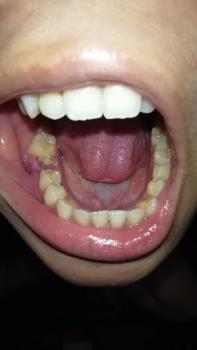
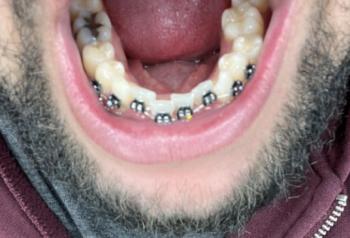
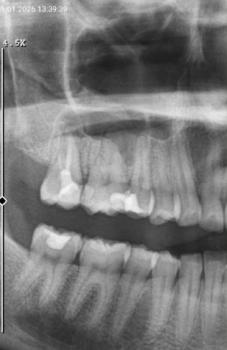
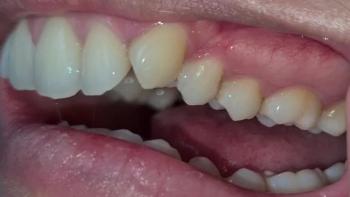
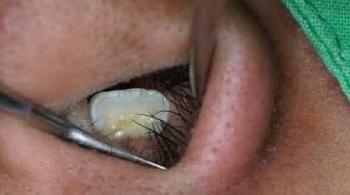
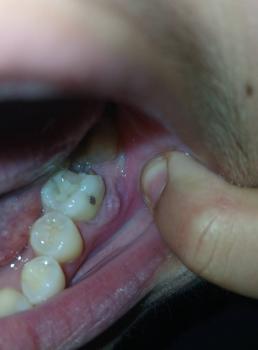
Patients with lower front gum inflammation may also experience tartar buildup, periodontal disease, gum abscesses, or tooth decay. Explore these related clinical case studies.
Other topics:
Other Dental Clinic