Tooth Extraction Dental

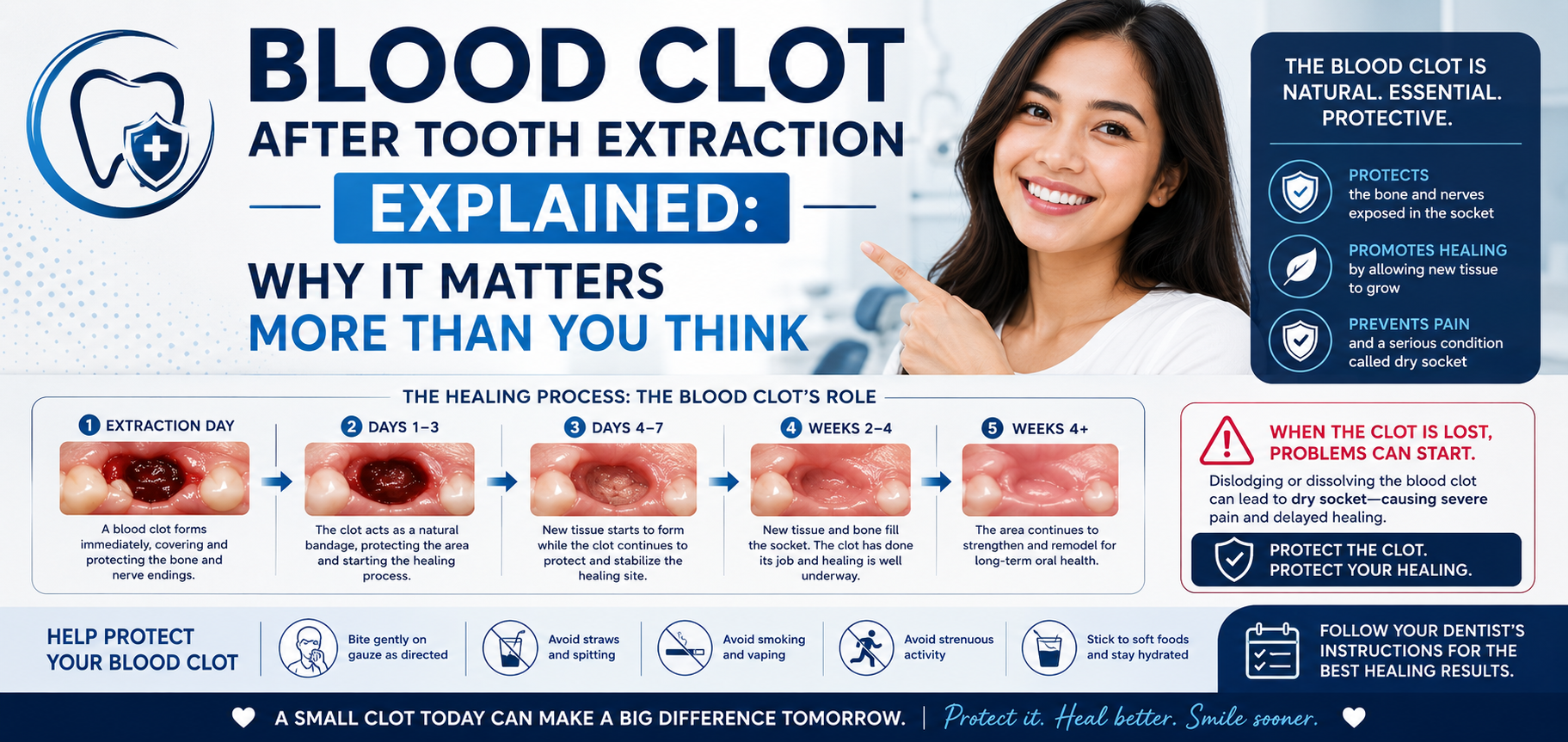
Blood Clot After Tooth Extraction Explained: Why It Matters More Than You Think
A clinical guide from a U.S. dental implant & bone graft specialist practicing in Colorado


The Most Important Part of Healing Isn’t What You See

In my Colorado practice, I’ve had countless patients focus on the extraction itself—how long it takes, whether it hurts, how quickly they can eat again.

But from a clinical standpoint, the most critical moment happens after the tooth is removed.

That moment is when your body forms a blood clot.
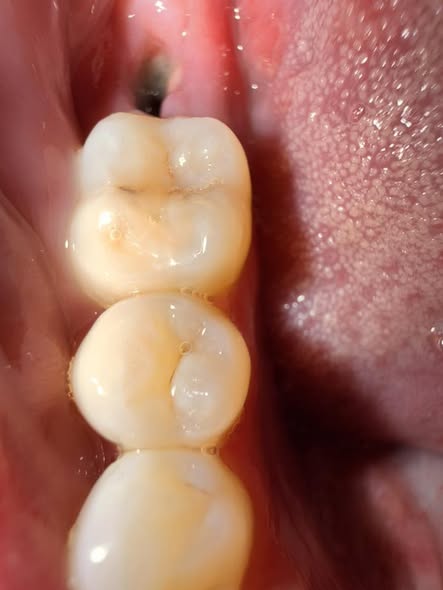
7-Day Post-Extraction Check: Deep Socket but No Pain - Normal Healing or Dental Risk?

Severity: 

Quick visual impression (100% / zoom)

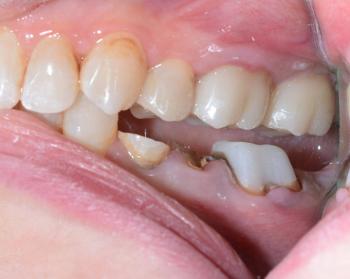
  • I see a dark, fairly deep socket behind the last visible molar (the extraction site).

  • No obvious pus or large swelling visible in the photo and you report no pain — both reassuring.

  • Surrounding teeth look intact. Photo lighting/angle limits how much I can see (I can’t check bleeding under the gum or feel for mobility).

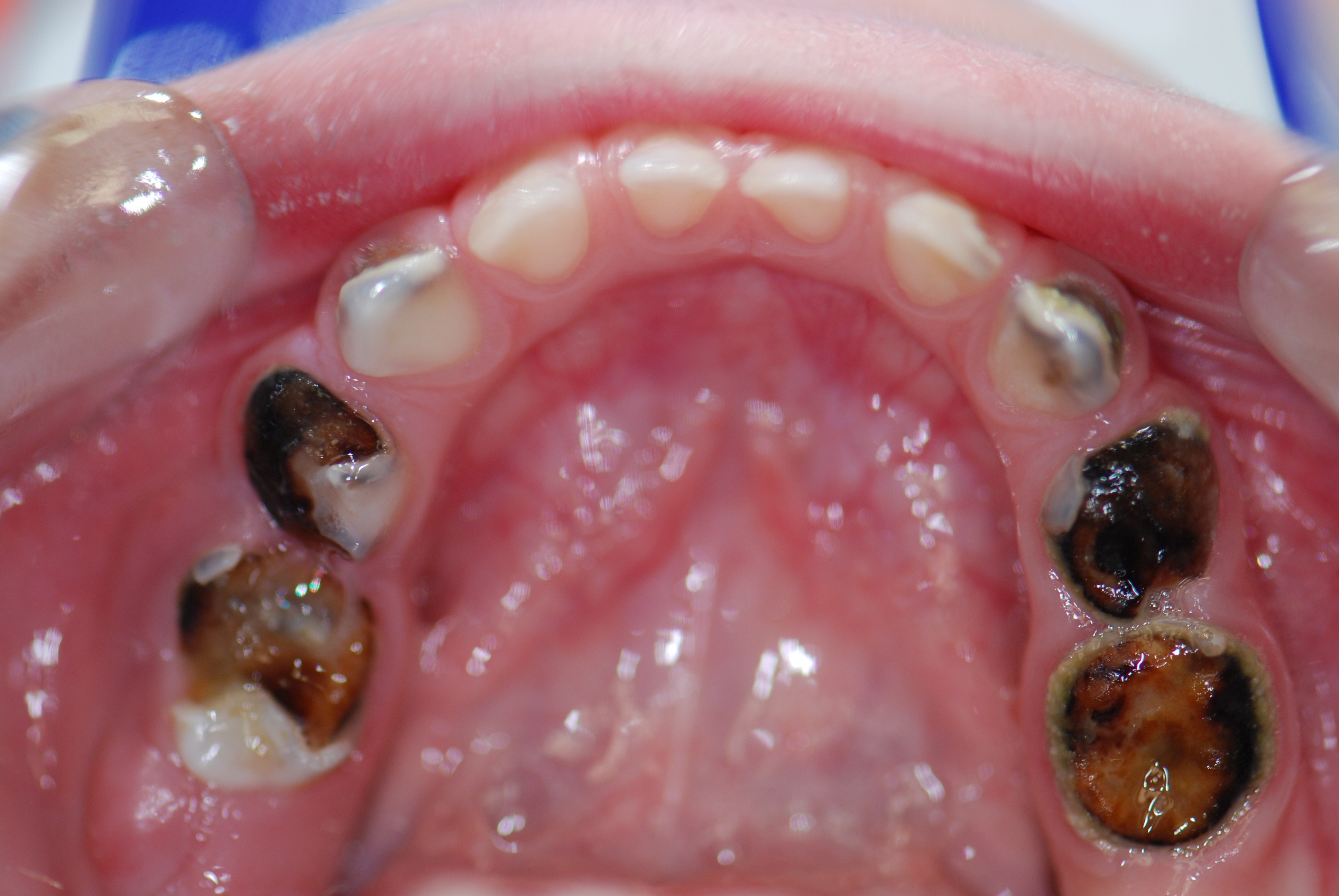
Rampant Early Childhood Caries: Diagnosis, Urgent Management & Definitive Treatment Options

Severity: 

Immediate visual diagnosis (short)

This image shows severe, rampant early childhood caries (S-ECC) of the maxillary primary teeth with extensive coronal destruction on both sides. Multiple primary molars appear non-restorable clinically (large cavitated lesions with dark necrotic dentine), and several teeth likely have pulpal involvement or necrosis. The upper anterior teeth look comparatively preserved, which is a typical pattern in bottle/formula/sugary-feed ECC.

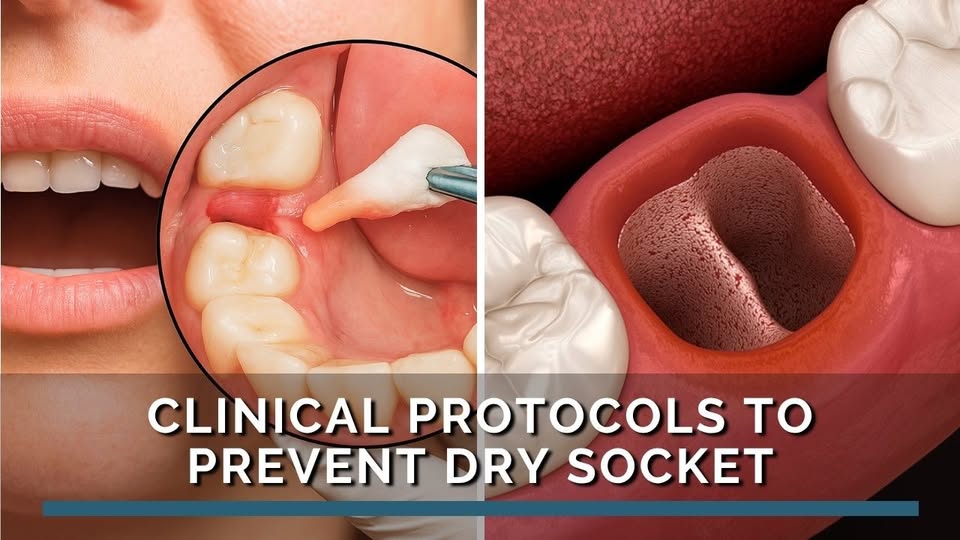
Clinical Protocols to Prevent Dry Socket: Evidence-Based Strategies for Dental Professionals

Understanding Dry Socket (Alveolar Osteitis)

Alveolar osteitis, commonly known as dry socket, remains one of the most painful postoperative complications following tooth extraction.
It occurs when the blood clot that normally protects the exposed bone dissolves or dislodges prematurely, leaving the socket exposed to air, food debris, and bacteria.

Incidence rates range from 2–5% in routine extractions and can reach up to 30% after impacted third molar removal.

Pages