Your Smile, Our Passion.

From Chair to Care: 7 Surprising Truths About Healing After Oral Surgery (Plus Fast-Healing Hacks)
Language :
Topics:
What every US patient needs to know about swelling, tenderness, and chewing—so you can get back to your life fasterz.
If you are reading this, you have likely just undergone oral surgery—whether that be a wisdom tooth extraction, dental implants, root canal, or a gum graft. First, take a deep breath. You have made it through the hard part. However, the recovery room is where the real journey begins.
Recovery can feel intimidating. Your body is suddenly sending you signals like swelling, tenderness, and fatigue, and it is hard to know what is "normal" versus what is a red flag. The good news is that most post-operative discomfort is perfectly manageable with the right knowledge.
In this guide, we will walk you through the three most common symptoms you will face: Mild Swelling, Tenderness, and Temporary Difficulty Chewing. More importantly, we will give you a concrete action plan for prevention, a "Do it now List" for speeding up healing, the best foods to eat, and an FAQ section to answer your burning questions.
Let’s turn your recovery anxiety into recovery confidence.
Part 1: Mild Swelling & Prevention Habits
What to Expect
Within the first 24 to 48 hours after your procedure, you will likely notice that your cheek or jaw area looks a bit puffy. This is not a sign of infection; it is a sign that your immune system is working. Swelling is the body’s natural response to trauma. Blood rushes to the area to deliver white blood cells and healing nutrients.
Timeline of Swelling:
-
Day 1: Minimal to no swelling immediately after surgery (due to numbing agents).
-
Day 2-3: Swelling peaks. This is the worst it will look.
-
Day 4-7: Swelling gradually subsides.
Prevention Habits to Do (The First 48 Hours)
You cannot stop swelling entirely, but you can drastically reduce its severity. The secret weapon is cryotherapy (ice therapy), combined with physics.
1. The 20-Minute Rule (Cruciael)
Do not just hold ice on your face randomly. Use a strict schedule: Apply an ice pack to the outside of your cheek for 20 minutes on, then 20 minutes off. Why? The 20 minutes on constricts the blood vessels to stop the spread of inflammation. The 20 minutes off allows the tissue to return to a normal temperature, preventing frostbite or skin damage. Repeat this cycle as much as possible during your waking hours for the first 24 hours.
2. Sleep Elevated (The Pillow Fort)
Gravity is your enemy regarding facial swelling. When you lie flat, fluid rushes to your head. For the first three nights, sleep with your head elevated. Use two or three pillows, or sleep in a recliner. Keeping your head higher than your heart allows the lymphatic system to drain the excess fluid away from your surgical site.
3. Skip the Heat
While a warm compress feels nice on sore muscles, heat increases blood flow, which will worsen swelling. No heat packs, hot showers on the face, or hot tubs for the first 48 hours. Heat is for after day three to dissolve bruising, not before.
4. Stay Hydrated (Cold fluids only)
Dehydration thickens your blood and lymphatic fluid, making swelling worse. Sip cold water constantly. The cold helps constrict vessels internally, and the hydration flushes out the metabolic waste from the injury.
Part 2: Tenderness & The "Do List" for Fast Healing
What to Expect
Once the local anesthetic wears off (usually 2 to 4 hours post-op), you will feel the ache. This tenderness is a dull, throbbing sensation that radiates to your ear, eye, or neck. This is caused by inflammation pressing on nerve endings.
Pain Timeline:
-
Hours 4–12: The most intense phase (but manageable with medication).
-
Day 2-3: Still tender, but shifting from sharp to dull.
-
Day 4+: Sensitivity to touch, but deep pain should be gone.
The "Do List" for Fast Healing
Healing isn't passive; it is active. Here is your checklist for the next 5 days.
Do #1: Take Medication Before the Numbness Wears Off
This is the number one mistake people make. They think, "I feel fine, I don't need the pill." Then, two hours later, they are in agony waiting for the pill to kick in. If your doctor prescribed ibuprofen (Advil/Motrin) or acetaminophen (Tylenol), take the first dose as soon as you get home, even if you feel zero pain. You are trying to stay ahead of the pain curve, not catch up to it.
Do #2: Salt Water Rinses (Starting Day 2)
On the day of surgery, do not rinse—you will dislodge the blood clot. But starting 24 hours later, rinse gently with warm salt water (1 teaspoon of salt in 8 oz of water) 4-5 times a day, especially after eating.
-
The benefit: Salt is a natural disinfectant that reduces the bacteria count in your mouth, preventing infection which is the primary cause of prolonged tenderness.
Do #3: Rest, but Not Flat
Your body heals fastest when you are sleeping. However, you must avoid strenuous activity. Do not go to the gym, do not lift heavy groceries, and do not bend over to tie your shoes aggressively. Raising your blood pressure via exercisee will cause the surgical site to throb and bleed. You are allowed to walk slowly to the bathroom; that is it for 72 hours.
Do #4: Apply Gentle Moist Heat (After Day 3)
Once the swelling has stopped increasing (around day 3 or 4), switch from ice to warm, moist heat. Dip a washcloth in warm water, wring it out, and hold it on your jaw for 15 minutes. This increases blood circulation to clear away the "debris" of healing (dead cells) and brings fresh oxygen to rebuild tissue.
Do #5: Practice "Lip Service"
If your lips are cracked or dry from the procedure (retractors stretch the mouth), apply Vaseline or lip balm constantly. Cracked lips are a breeding ground for bacteria that can travel into your bloodstream. Keep the tissue around the mouth healthy.
Part 3: Temporary Difficulty Chewing & The Best Foods for Fast Healing
What to Expect
You will likely experience jaw stiffness (trismus) and an inability to open your mouth wide. Chewing will feel awkward, painful, or impossible for the first 3 to 5 days. This is normal. The muscles in your jaw have been stretched open for a long time, and the chewing motion pulls on the stitches.
Chewing Timeline:
-
Days 1-3: Liquid only (almost no chewing).
-
Days 4-7: Soft foods (minimal chewing).
-
Week 2: Semi-soft foods (careful chewing).
Best Foods to Eat for Fast Healing
You need nutrients to heal, but you cannot chew a steak. Here is the definitive list of "Healing Foods" categorized by their benefit. Avoid hot foods (heat increases bleeding), spicy foods (irritation), and small grainy foods (rice, seeds, popcorn) that get stuck in the hole.
Category A: The Protein Powerhouses (For Tissue Repair)
Protein is the brick of your body's wall. Without it, you heal slowly.
-
Greek Yogurt: High in protein and probiotics (good gut bacteria help immune response).
-
Scrambled Eggs: So Soft, fluffy, and packed with amino acids. Eat them lukewarm, not hot.
-
Protein Shakes (Whey or Plant): Blend with milk or banana. Do not use a straw (suction dislodges clots).
Category B: Anti-Inflammatory Champions (For Swelling)
These foods naturally reduce the chemicals that cause pain.
-
Pineapple Smoothie: Pineapple contains bromelain, an enzyme clinically proven to reduce post-surgical swelling and bruising.
-
Cold Mashed Potatoes: Potatoes are rich in potassium and vitamin C. Serve them cold or room temp with butter (calories are needed for energy to heal).
Category C: Vitamin C & Zinc (For Collagen)
You need collagen to stitch your gums back together.
-
Avocado (mashed): Soft, full of healthy fats and Vitamin E.
-
Apple Sauce: Ensure it is sugar-free (sugar feeds bacteria). Apple sauce is high in Vitamin C.
-
Pureed Pumpkin or Carrot Soup (cold): Beta-carotene converts to Vitamin A, which is essential for skin and gum repair.
The "Do Not Eat" List:
-
Crunchy: Chips, nuts, toast.
-
Spicy: Curry, hot sauce (causes inflammation).
-
Alcoholic: Beer, wine, liquor (thins the blood and causes dry socket).
-
Straws: Absolutely no straws for 1 week. The suction will rip the clot out, causing a "dry socket" (exposed bone), which is excruciating.
Sample Day 2 Meal Plan
-
Breakfast: Scrambled eggs + a cold smoothie (spinach, banana, protein powder).
-
Lunch: Greek yogurt with honey (honey is a natural antibacterial).
-
Dinner: Pureed broccoli cheddar soup (cooled down) + mashed avocado.
-
Snack: Pudding or Jello (easy calories).
Part 4: 5-Topic FAQ (Frequently Asked Questions)
Here are the five questions dentists and oral surgeons hear most often. We have answered them in plain English.
FAQ 1: How long until I can brush my teeth normally?
Answer: You can brush your other teeth immediately. However, avoid the surgical site for the first 72 hours. Do not spit forcefully; let the toothpaste drool out of your mouth (spitting creates suction). After day 3, you can gently brush the teeth adjacent to the surgery, but avoid the stitches directly. You should be back to "normal" gentle brushing by day 7, though you may need a smaller toothbrush for the back of the mouth.
FAQ 2: Is bleeding on day 2 a sign of a problem?
Answer: Oozing (pink saliva) is normal for 24–48 hours. Active bleeding (bright red blood pooling in your mouth) is not. If you see active bleeding on day 2, bite down on a moist, black tea bag. The tannic acid in black tea helps constrict blood vessels and stop bleeding faster than gauze. If bleeding hasn't stopped after 30 minutes of pressure, call your doctor.
FAQ 3: Can I smoke or vape during recovery?
Answer: Absolutely not for at least 72 hours, but preferably 2 weeks. The physical action of sucking (even from a vape) creates negative pressure that will rip out the blood clot, leading to a dry socket. Furthermore, nicotine constricts your blood vessels, reducing oxygen flow to the wound. Less oxygen = slower healing + higher risk of infection. If you must smoke, switch to nicotine patches for the first week.
FAQ 4: When should I call the doctor instead of waiting?
Answer: Call immediately if you experience:
-
Fever over 101°F (38.3°C) – This suggests infection, not normal healing.
-
Difficulty breathing or swallowing – This is a rare allergic reaction.
-
Pus discharge (thick, yellow/green fluid) from the site.
-
Pain that gets WORSE after day 3 – Normally pain peaks on day 2 and declines. Increasing pain on day 4 or 5 is a classic sign of "dry socket" or infection.
-
Numbness that lasts beyond 8 hours – Sometimes the nerve is irritated; if your lip or tongue is still completely numb the next day, you need a check-up.
FAQ 5: When can I go back to work or the gym?
Answer:
-
Desk jobs (remote/office): You can usually return on Day 2 or 3, provided you don't have to speak much (talking moves the jaw muscles).
-
Physical labor / Gym: Wait at least 5 to 7 days. Lifting weights increases intracranial pressure, which can cause the surgical site to bleed. Specifically, avoid bending over (yoga downward dog, deadlifts) for 10 days. Listen to your body: if you feel throbbing in your jaw when you stand up, you are not ready.
Conclusion: You Will Get Through This
Recovery is rarely linear. You might wake up on day 3 feeling great, only to feel exhausted by 2:00 PM. That is okay. Your body is diverting all its energy to closing a wound, and that is metabolically expensive.
To summarize your action plan:
-
Swelling: Ice for 20 minutes on, 20 off. Sleep upright.
-
Tenderness: Stay ahead of the pain with medication and switch to warm heat after day 3.
-
Chewing: Stick to cold, soft, protein-rich foods. Avoid straws like the plague.
Be patient with yourself. Most people feel significantly better by Day 5 or 6, and by Day 14, you will likely forget you even had surgery. Follow these guidelines, keep your doctor's phone number handy, and prioritize rest.
Disclaimer: This blog is for informational purposes only and does not constitute medical advice. Every surgery and every body is different. Always follow the specific post-operative instructions provided by your oral surgeon or dentist.
Can tooth extraction cause infection? Mild inflammation is normal, but increasing swelling, fever, or severe pain may indicate infection. Learn more about post-extraction infection warning signs in this detailed guide.
Book a consultation with our Cebu dental specialists for proper evaluation and care.
Ready to get expert guidance?
If you’re experiencing severe pain or delayed healing, book a consultation with our Cebu dental specialists to get proper evaluation and care.
Consultation or contact page .
Book a Consultation
For severe discomfort or delayed healing, book a consultation with our Cebu dental specialists today.
Looking for a dentist? Browse our Cebu dental directory to find trusted clinics near you.
Medical Review and Clinical Basis
This article is based on clinical dental guidelines and real patient recovery patterns observed after tooth extraction procedures. The information reflects common post-extraction healing stages, including normal clot formation, gum tissue repair, and signs of possible complications such as dry socket or infection.
While mild discomfort is expected after a dental extraction, worsening pain after Day 3, bad odor, exposed bone, or spreading pain may require professional evaluation. These symptoms are consistent with known post-extraction complications described in standard dental practice.
About Cebu Dental Implants
Cebu Dental Implants provides comprehensive tooth extraction, surgical procedures, and dental implant services in the Philippines. Our team evaluates post-extraction healing, manages complications such as dry socket, and advises patients on proper aftercare to prevent infection and delayed healing.
If you experience severe pain or unusual symptoms after extraction, early professional assessment is recommended to prevent further complications.
Important Medical Disclaimer
This content is for educational purposes only and does not replace professional dental diagnosis. Every patient heals differently. If symptoms worsen or do not improve within a few days, consult a licensed dentist for proper evaluation and treatment.
Author
This article was prepared by the Cebu Dental Implants content team in consultation with licensed dental professionals experienced in tooth extraction and implant procedures.
Related Clinical Cases
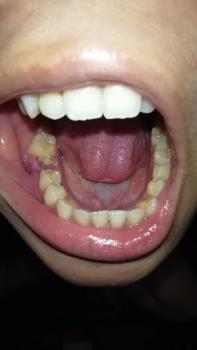
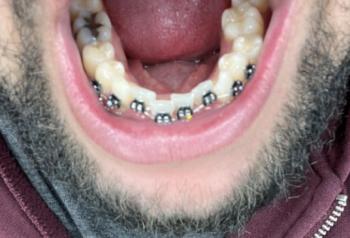
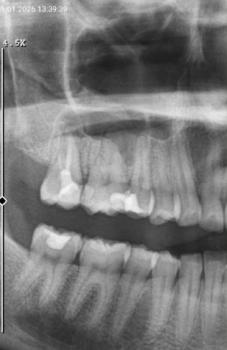
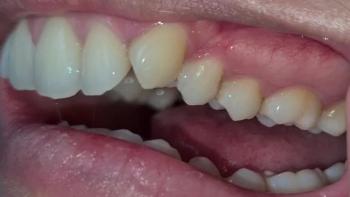
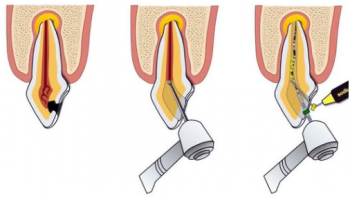
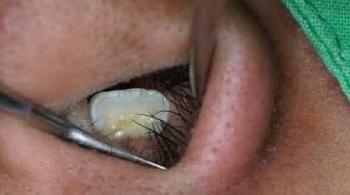
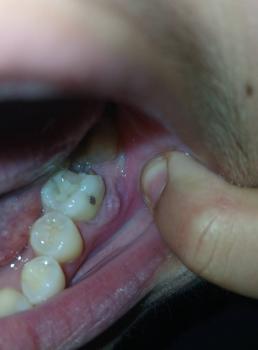
Patients with lower front gum inflammation may also experience tartar buildup, periodontal disease, gum abscesses, or tooth decay. Explore these related clinical case studies.
Other topics:
Other Dental Clinic