Healthy Teeth, Happy Life.

Shared Bed, Healthier Head? How Sleeping Next to Your Wife in California Improves Your Sleep and Protects Your Smile

The Best Thing for Your Sleep (And Your Teeth) Might Be Your Wife
For many men in California, the pursuit of perfect health involves biohacking, optimized diets, and cutting-edge tech. But what if one of the most powerful health upgrades is as simple as rolling over and giving your wife a goodnight kiss?
Emerging research confirms what many couples intuitively feel: men experience deeper, more restful sleep when sharing a bed with their partner. This isn't just about romance; it's a matter of biology and health, with benefits that extend all the way to your smile.
The Science of Shared Sleep: More Than Just a Cuddle
The magic lies in a powerful hormonal cocktail. The physical and emotional connection with your partner triggers the release of oxytocin, the "love hormone." This hormone is a powerhouse for relaxation—it lowers cortisol (the stress hormone), reduces blood pressure, and promotes a profound sense of safety and calm.
This translates directly to better sleep through:
-
Fewer nighttime awakenings
-
A more regulated heart rate and breathing
-
Improved sleep quality and a greater sense of emotional well-being upon waking
In the fast-paced environment of California, where work stress can follow you home, this natural de-stressing mechanism is invaluable.
The Unexpected Dental Benefit of Deeper Sleep
This is where your oral health enters the picture. The link between high-quality sleep and a healthier mouth is direct and powerful. The calm, restorative sleep you get beside your wife directly combats one of dentistry's most common stress-related issues: Bruxism, or teeth grinding and clenching.
Here’s how your partner is protecting your smile while you sleep:
-
Reduced Stress, Reduced Grinding: Stress and anxiety are primary drivers of nighttime bruxism. By lowering your cortisol levels and promoting relaxation, oxytocin helps quiet the nervous system that would otherwise tell your jaw muscles to clench all night.
-
A More Resilient Oral Environment: Grinding doesn't just wear down teeth; it causes micro-cracks, damages dental work, and leads to jaw pain (TMD). By fostering deeper sleep, you give your oral tissues a chance to rest and repair, much like the rest of your body.
-
Better Saliva Flow: Stress and poor sleep can contribute to dry mouth. Quality sleep supports a healthier saliva flow, which is your mouth's natural defense against cavity-causing bacteria.
Turning Connection into a Dental Health Strategy
While love is the foundation, you can build upon it with practical steps to protect the smile you share.
-
Create a Wind-Down Routine Together: Leave screens outside the bedroom. Spend 20 minutes talking, reading, or simply relaxing together to transition from "California hustle" mode to "deep rest" mode.
-
Stay Hydrated: The California climate can be dry. Keep water by the bed to ensure you both stay hydrated through the night, supporting healthy saliva production.
-
Listen to Your Body (and Your Partner): If you or your wife notices you are still grinding your teeth—a common sign is a sore jaw in the morning or a partner hearing the grinding—it’s time to see your dentist. A custom-fitted night guard is a simple solution that protects your teeth from any remaining subconscious clenching.
The simple act of sharing a bed does more than strengthen your emotional bond; it creates a biological environment for better health. The deeper sleep you get by your wife's side doesn't just make you feel more rested—it actively preserves your smile, ensuring you have plenty of reasons to use it for years to come.
So tonight, remember that the person sleeping next to you isn't just your partner; they're your natural, science-backed prescription for better rest and a healthier mouth.
healthy food:
Related Clinical Cases
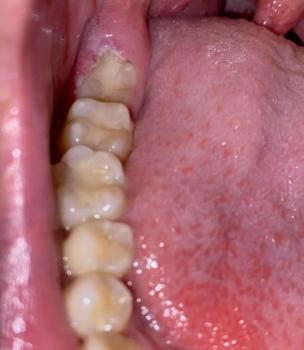
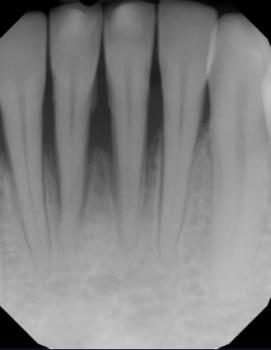
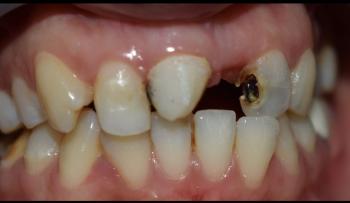
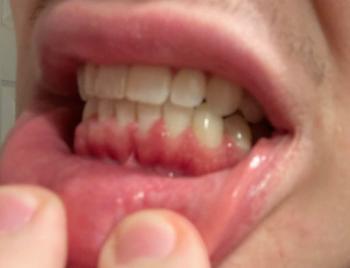
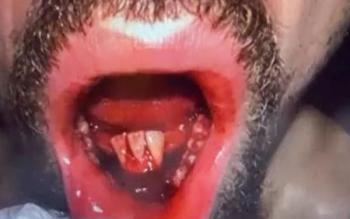
Patients with lower front gum inflammation may also experience tartar buildup, periodontal disease, gum abscesses, or tooth decay. Explore these related clinical case studies.



Other topics:
Other Dental Clinic
 |
 |
 |
 |