Your Smile, Perfected with Precision.

A Smile for Every Child: India's Race to Build a Future of Confident Smiles
Language :
Topics:
For generations, the story of children's dental health in India has been dominated by a single, persistent villain: Early Childhood Caries (ECC), or childhood tooth decay
. This isn't a rare condition; it's a widespread phenomenon, with an estimated 514 million children globally experiencing cavities in their baby teeth
. In India, a nation with one of the world's largest youth populations, this translates into a staggering number of preventable cases of pain, infection, and missed school days.
Yet, a profound shift is underway. The field of pediatric dentistry in India is exploding, driven not just by necessity but by a new vision. This vision is moving beyond merely fixing damaged teeth to building a foundation for lifelong confidence, health, and opportunity through a healthy smile
. This is the story of India's high-stakes effort to give its next generation the gift of a confident smile.
The Staggering Scale of the Challenge
The demand for specialized pediatric dental care in India is immense and growing, a direct reflection of the population's size and unmet needs
-
An Unprecedented Need: India is the world's leading contributor to the rising burden of oral disorders in South Asia
. 18% of the world's cases of tooth decay (dental caries) in both baby and permanent teeth come from India, a statistic that underscores the sheer scale of the challenge
-
A System Under Strain: Meeting this need is complicated by a significant shortage and misdistribution of dental professionals. While most of the population lives in rural areas, the majority of dentists are concentrated in cities
- . In some rural regions, there is only one dentist for every 50,000 to 250,000 people. This forces a reliance on self-treatment or unverified advice for many families
-
The High Cost of Neglect: The consequences of untreated childhood dental issues extend far beyond a toothache. They lead to school absenteeism, affect nutrition and growth, and can cause lasting self-esteem issues
- . The economic impact is also severe, with oral diseases leading to significant productivity losses
More Than Just a "Tooth Doctor": The Evolving Role of the Pediatric Dentist
Today's pediatric dentists are redefining their role. They are no longer just technicians who fill cavities. As Dr. Meenakshi S. Kher, a leading Indian pediatric dentist, observes, the scope of the profession has expanded dramatically
. A modern pediatric dentist is a multi-faceted specialist whose work includes:
Traditional Focus Modern, Expanded Role Impact on the Child Treating tooth decay (caries) Preventive Care & Education: Partnering with families to establish healthy habits from the first tooth. Prevents disease before it starts, reducing fear and need for complex treatment. Performing fillings and extractions Behavioral Guidance: Using techniques like visual pedagogy and a calming environment to manage anxiety . Creates positive dental experiences, building trust and cooperation. Isolated dental treatment Holistic Health Screening: Identifying risk factors for sleep-disordered breathing or collaborating with pediatricians on developmental issues . Connects oral health to overall child development and well-being. Restoring function Aesthetic & Functional Restoration: Using tooth-colored fillings and crowns to ensure teeth look natural and function properly . Preserves the child's appearance and ability to speak and chew with confidence. The goal is to treat the whole child, not just the tooth
. This requires mastering new skills in behavioral science, collaborating with other health professionals, and using minimally invasive techniques that preserve healthy tooth structure
.
The Confidence Connection: How a Healthy Smile Builds a Future
The ultimate goal of this modern approach is not merely the absence of disease but the presence of confidence. A child's smile is a powerful social tool. A healthy, pain-free smile allows a child to:
Conversely, dental pain or visible decay can lead to teasing, social withdrawal, and a reluctance to smile—affecting a child's emotional development during critical formative years
. By saving a tooth, pediatric dentists are often safeguarding a child's social confidence and emotional well-being.
Innovation on the Front Lines: New Tools for a New Generation
To meet this ambitious mandate, Indian pediatric dentistry is rapidly embracing innovation:
. Digital imaging and minimally invasive techniques enable earlier detection and gentler treatment of cavities
-
Engage freely in school, laughing and speaking without hesitation or embarrassment.
-
Develop social skills without the barrier of being self-conscious about their teeth.
-
Build self-esteem that forms a foundation for academic and personal success
-
Technology-Enabled Care: The adoption of digital tools is accelerating. 3D printing allows for the creation of precise, custom-made crowns and appliances faster and more affordably
-
-
Expanding Access through Tele-dentistry: To bridge the urban-rural divide, tele-dentistry is emerging as a critical tool. It allows for remote consultations, initial diagnoses, and follow-up care, bringing expert guidance to underserved communities
-
The Power of Digital Communication: Parents today are informed consumers who research online. Successful practices are using digital platforms not just for marketing, but for education—sharing reliable information on oral hygiene, diet, and the importance of early dental visits to combat widespread misinformation
The Path Forward: A Collective Responsibility
Transforming the oral health of India's children is a task too large for dentists alone. It requires a concerted effort from all sectors of society.
-
For Policymakers: There is an urgent need for stronger, preventive-oriented oral health policies and greater budget allocation
. Integrating basic oral health education and screening into existing primary healthcare and school systems is a cost-effective strategy with massive potential impact
-
.For Medical Professionals: Pediatricians and family doctors are trusted first points of contact. Equipping them to provide basic oral health advice and make timely referrals to dentists can catch problems early
-
For Families: The journey begins at home. Establishing a routine of brushing twice daily with fluoride toothpaste, limiting sugary snacks and drinks, and scheduling the first dental visit by the child's first birthday are the most powerful preventive steps a family can take
- . Parents leading by example is the most effective teaching tool of all
A Story of Hope: Little Anya's New Smile
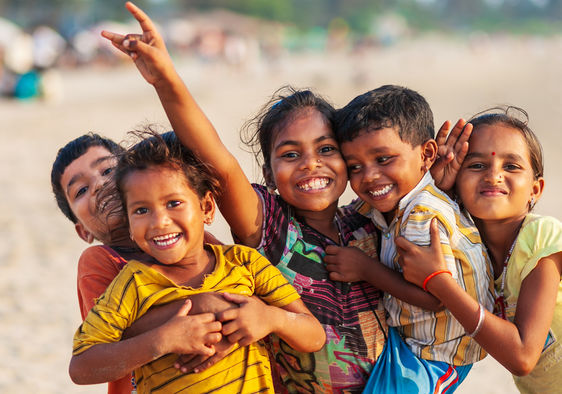
Consider Anya, a cheerful 5-year-old in Mumbai whose love for sweets led to multiple cavities. Previous dental visits ended in tears and fear. Her parents, desperate, found a pediatric dental practice renowned for its child-friendly approach. The dentist didn't just see decay; she saw a frightened little girl. Using a "tell-show-do" technique and a room designed like a play area, she gained Anya's trust. The required treatment was performed efficiently, and when Anya saw her restored, shiny teeth in the mirror, her face lit up with a proud, unselfconscious smile. Her mother later shared, "It's not just her teeth that are fixed. She's become more outgoing, more willing to raise her hand in class. Her smile is back, and so is her spark."
Conclusion
India stands at a pivotal moment. The "exploding" demand for pediatric dentistry is a clear signal of both a profound need and a growing recognition of oral health's true value. It is no longer a marginal concern but a critical component of a child's right to health, education, and a fair chance at a confident future.
By combining the dedication of a new generation of pediatric dentists with smart policy, technological innovation, and empowered families, India can turn the tide. The goal is within reach: to ensure that every child, in every corner of the country, can grow up with a healthy smile—and the boundless confidence that comes with it.
The future of India's children, quite literally, depends on it.
Looking for dentist : Visit directory list
Related Clinical Cases
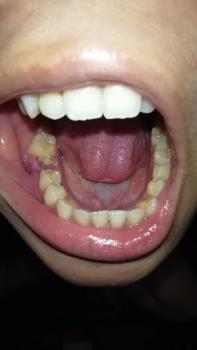
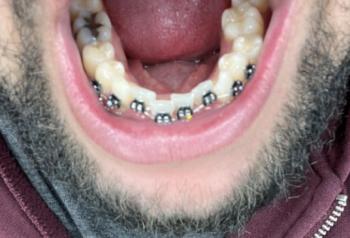
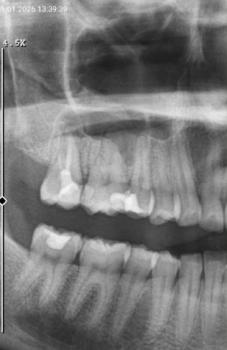
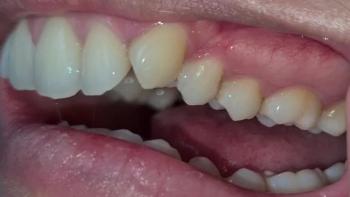
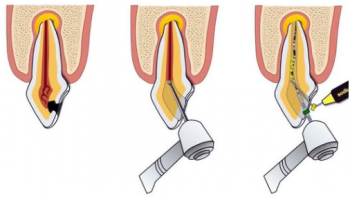
Patients with lower front gum inflammation may also experience tartar buildup, periodontal disease, gum abscesses, or tooth decay. Explore these related clinical case studies.
Other topics:
Other Dental Clinic