Healthy Teeth, Happy Life.

Infection Spreads Into Facial Spaces: Root Canal Emergency in Long Beach, California (2026 Expert Guide)
Language :
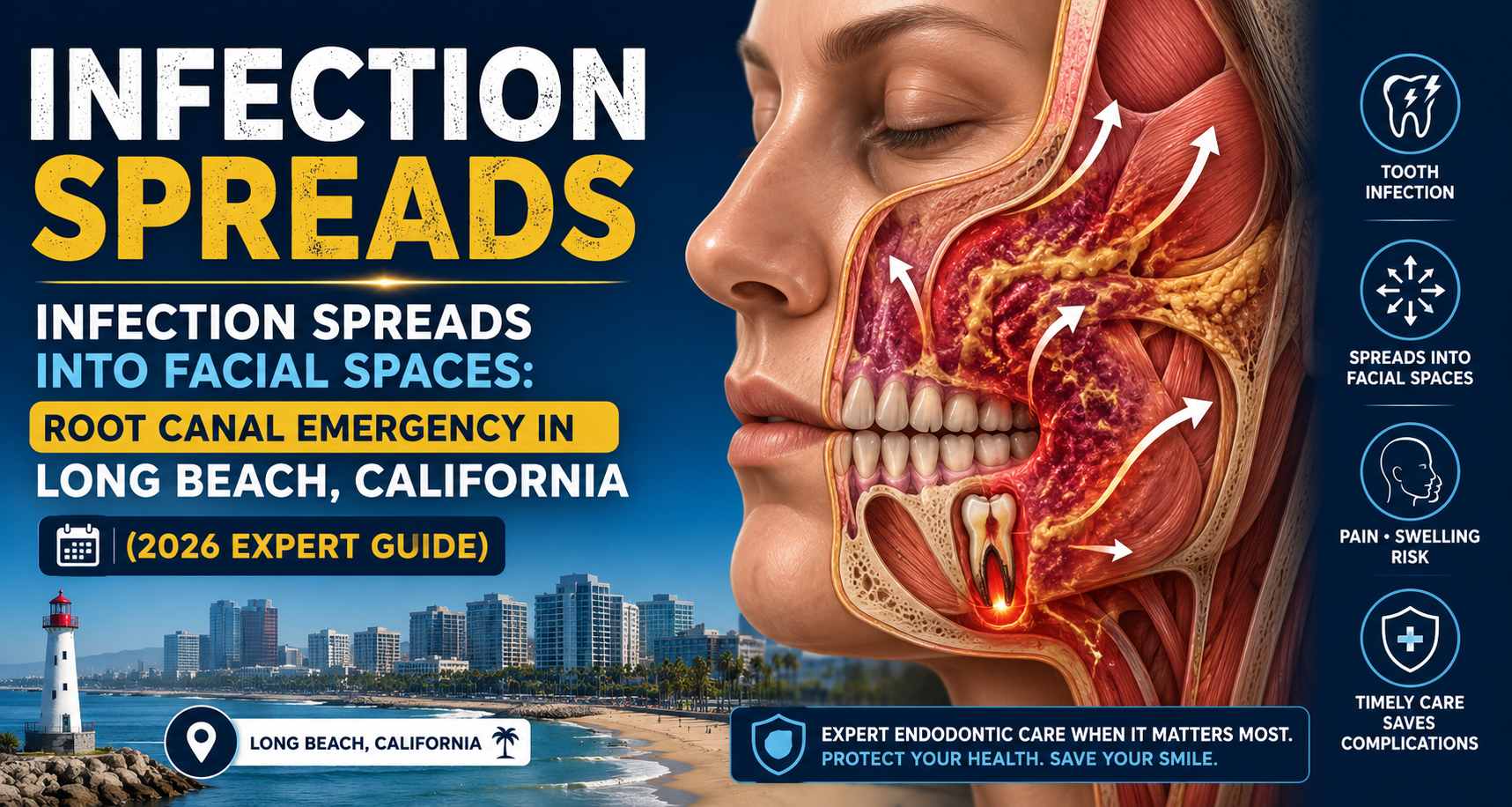
A tooth infection is never something to ignore. As a dentist who has treated thousands of patients over the past two decades, I have seen what happens when a small cavity or untreated toothache turns into a serious infection. One of the most dangerous situations occurs when a dental infection spreads beyond the tooth and enters the facial spaces of the head and neck.
For many patients in Long Beach, California, what starts as a simple toothache can quickly develop into facial swelling, severe pain, difficulty swallowing, fever, and even life-threatening complications. In these situations, root canal treatment often becomes a critical procedure that can save not only the tooth but also prevent the infection from spreading further.
This comprehensive guide explains how tooth infections spread into facial spaces, the warning signs to watch for, diagnosis procedures, treatment options, worst-case scenarios, costs, recovery expectations, and when emergency treatment is necessary.
Understanding a Root Canal Infection
Inside every tooth is a soft tissue called the pulp. This pulp contains nerves, blood vessels, and connective tissue.
When bacteria enter the pulp through:
- Deep cavities
- Cracked teeth
- Dental trauma
- Large failing fillings
- Advanced gum disease
the pulp becomes infected.
Once bacteria invade the pulp chamber, the infection can spread through the root canals and exit through the root tip into the surrounding bone.
At this stage, many patients develop:
- Persistent toothache
- Sensitivity to pressure
- Swelling of the gums
- Pus drainage
- Bad taste in the mouth
Without treatment, the infection may continue spreading beyond the tooth.
What Are Facial Spaces?
Facial spaces are natural compartments located between muscles, bones, and connective tissues in the head and neck.
When bacteria escape from an infected tooth, they often follow the path of least resistance into these spaces.
Common facial spaces include:
Buccal Space
Located in the cheek area.
Symptoms include:
- Puffy cheek
- Facial tenderness
- Difficulty chewing
Canine Space
Located near the upper front teeth and nose.
Symptoms include:
- Swelling beside the nose
- Swelling under the eye
- Facial distortion
Submandibular Space
Located beneath the jaw.
Symptoms include:
- Jaw swelling
- Neck discomfort
- Difficulty swallowing
Sublingual Space
Located beneath the tongue.
Symptoms include:
- Tongue elevation
- Speech difficulties
- Airway concerns
Masticator Space
Located around chewing muscles.
Symptoms include:
- Severe jaw pain
- Difficulty opening the mouth
- Facial stiffness
How a Tooth Infection Reaches Facial Spaces
The progression often follows a predictable pattern.
Stage 1: Deep Decay
A cavity reaches the pulp chamber.
Patients may notice:
- Cold sensitivity
- Sweet sensitivity
- Intermittent pain
Stage 2: Pulp Infection
Bacteria invade the nerve tissue.
Symptoms include:
- Throbbing pain
- Spontaneous pain
- Nighttime pain
Stage 3: Abscess Formation
Pus develops around the root tip.
Patients may experience:
- Swelling
- Pressure
- Tenderness
Stage 4: Bone Penetration
The infection erodes through surrounding bone.
Symptoms worsen significantly.
Stage 5: Facial Space Infection
The infection enters surrounding tissues and muscles.
At this point, emergency intervention may be required.
Warning Signs That Infection Is Spreading
Many patients underestimate swelling until it becomes severe.
Seek immediate dental care if you experience:
- Rapid facial swelling
- Fever
- Difficulty swallowing
- Difficulty breathing
- Difficulty opening the mouth
- Swelling under the jaw
- Swelling near the eye
- Severe throbbing pain
- Persistent pus drainage
These symptoms suggest the infection may be moving beyond the tooth.
Real Long Beach Dental Emergency Scenario
A common case I encounter involves a patient who ignores a toothache for several weeks.
The patient initially experiences:
- Mild sensitivity
- Occasional discomfort
Eventually:
- Pain becomes severe
- Cheek begins swelling
- Sleep becomes impossible
Several days later:
- Fever develops
- Swelling doubles in size
- Eating becomes difficult
By the time they arrive at the dental office, the infection may have already spread into facial spaces.
In some cases, hospital referral becomes necessary.
Diagnosing Facial Space Infections
Accurate diagnosis is essential.
Clinical Examination
The dentist evaluates:
- Swelling location
- Tooth condition
- Drainage presence
- Lymph node enlargement
Percussion Testing
The infected tooth is tapped gently.
Pain often indicates inflammation around the root.
Pulp Vitality Testing
This helps determine whether the nerve remains alive.
Digital X-Rays
X-rays reveal:
- Bone destruction
- Root infections
- Abscess formation
CBCT 3D Imaging
Advanced imaging may show:
- Infection pathways
- Bone involvement
- Relationship to facial spaces
CBCT scans often provide the most accurate diagnosis for severe infections.
Can Root Canal Treatment Stop the Infection?
In many cases, yes.
Root canal treatment removes:
- Infected pulp tissue
- Bacteria
- Inflammatory debris
The procedure allows drainage and eliminates the primary source of infection.
When performed early enough, root canal therapy can prevent further spread.
What Happens During Emergency Root Canal Treatment?
Local Anesthesia
The area is numbed thoroughly.
Access Opening
A small opening is created in the tooth.
Drainage
Pressure and infected material are released.
Many patients experience immediate relief.
Cleaning the Canals
Special instruments remove infected tissue.
Irrigation
Disinfecting solutions eliminate bacteria.
Temporary Restoration
The tooth is sealed until final restoration.
When Antibiotics Are Necessary
Many people mistakenly believe antibiotics alone cure dental infections.
They do not.
Antibiotics help control bacterial spread but cannot remove infection trapped inside a tooth.
Antibiotics are often prescribed when:
- Facial swelling exists
- Fever is present
- Lymph nodes are enlarged
- Facial spaces are involved
The source tooth still requires treatment.
Worst-Case Scenario #1: Cellulitis
Cellulitis is a serious bacterial infection involving soft tissues.
Symptoms include:
- Diffuse swelling
- Redness
- Warm skin
- Severe tenderness
Cellulitis can spread rapidly.
Immediate treatment is necessary.
Worst-Case Scenario #2: Ludwig's Angina
This is one of the most dangerous dental emergencies.
The infection spreads beneath the tongue and lower jaw.
Symptoms include:
- Massive swelling
- Elevated tongue
- Difficulty speaking
- Difficulty swallowing
- Breathing problems
Ludwig's angina can become fatal if untreated.
Hospitalization is often required.
Worst-Case Scenario #3: Airway Obstruction
Facial space infections can compress the airway.
Patients may notice:
- Shortness of breath
- Noisy breathing
- Panic sensations
- Difficulty lying flat
Airway compromise is a medical emergency.
Emergency room evaluation becomes critical.
Worst-Case Scenario #4: Osteomyelitis
The infection spreads into jawbone.
Symptoms include:
- Persistent pain
- Bone destruction
- Delayed healing
Treatment may involve:
- Extended antibiotics
- Surgery
- Root canal treatment or extraction
Worst-Case Scenario #5: Orbital Infection
Upper tooth infections occasionally spread toward the eye.
Symptoms include:
- Eyelid swelling
- Eye pain
- Vision changes
- Difficulty moving the eye
This condition requires immediate medical care.
Worst-Case Scenario #6: Sepsis
Sepsis occurs when infection enters the bloodstream.
Symptoms include:
- Fever
- Chills
- Rapid heart rate
- Confusion
- Low blood pressure
Sepsis can be life-threatening.
Hospital treatment becomes mandatory.
Can the Tooth Still Be Saved?
Many infected teeth can still be saved if:
- Root structure remains intact
- Fractures are absent
- Bone support remains adequate
Root canal treatment followed by a crown often provides long-term success.
Saving the natural tooth is generally preferable whenever possible.
When Extraction Becomes Necessary
Sometimes the tooth cannot be saved.
Reasons include:
- Vertical root fracture
- Extensive decay
- Severe structural damage
- Advanced bone loss
Extraction removes the source of infection.
Replacement options may include:
- Dental implants
- Bridges
- Partial dentures
Recovery After Root Canal Treatment
Most patients improve rapidly.
First 24 Hours
Common symptoms:
- Mild soreness
- Tenderness when biting
Days 2–3
Swelling typically decreases.
Pain improves significantly.
One Week
Most patients feel substantially better.
Normal function returns.
Several Weeks
Bone healing continues.
The body repairs damaged tissues.
Long-Term Success Rates
Modern root canal therapy has excellent outcomes.
Success depends upon:
- Early treatment
- Proper diagnosis
- Thorough cleaning
- Quality restoration
- Patient compliance
Many root canal-treated teeth remain functional for decades.
Root Canal Cost in Long Beach, California
Costs vary depending on complexity.
Estimated 2026 fees:
| Procedure | Typical Cost |
|---|---|
| Consultation and X-rays | $100–$350 |
| Front Tooth Root Canal | $800–$1,500 |
| Premolar Root Canal | $900–$1,700 |
| Molar Root Canal | $1,100–$2,500 |
| Dental Crown | $1,000–$2,200 |
| CBCT Scan | $250–$600 |
| Emergency Visit | $150–$500 |
Complex facial space infections may involve additional medical or hospital expenses.
How to Prevent Facial Space Infections
Prevention is far easier than treatment.
Recommendations include:
Regular Dental Examinations
Routine visits identify problems early.
Treat Cavities Promptly
Small cavities rarely cause serious infections.
Address Cracked Teeth Quickly
Bacteria can enter through fractures.
Maintain Excellent Oral Hygiene
Brush twice daily.
Floss every day.
Avoid Delaying Tooth Pain
Pain is often the body's warning signal.
Advice From a USA Dentist
One of the biggest mistakes I see is waiting too long.
Patients often tell me:
"It stopped hurting, so I thought it was getting better."
Unfortunately, when a tooth nerve dies, pain may temporarily disappear while the infection continues spreading.
Never assume swelling will resolve on its own.
A tooth infection rarely disappears without treatment.
If you notice facial swelling, fever, drainage, difficulty swallowing, or persistent dental pain, seek professional care immediately.
The earlier treatment begins, the greater the chance of saving your tooth and avoiding dangerous complications.
Final Thoughts
A root canal infection that spreads into facial spaces is one of the most serious dental emergencies encountered in clinical practice. What begins as a small cavity or untreated toothache can progress into severe swelling, cellulitis, airway compromise, bone infection, sepsis, or hospitalization.
Fortunately, modern dentistry provides effective solutions. Early diagnosis, appropriate imaging, root canal treatment, drainage, antibiotics when indicated, and close follow-up can stop the infection and preserve your natural tooth.
For residents of Long Beach, California, any facial swelling associated with a toothache should be considered a warning sign that requires immediate professional evaluation. Acting quickly can mean the difference between a routine root canal procedure and a potentially life-threatening medical emergency.
Can tooth extraction cause infection? Mild inflammation is normal, but increasing swelling, fever, or severe pain may indicate infection. Learn more about post-extraction infection warning signs in this detailed guide.
Book a consultation with our Cebu dental specialists for proper evaluation and care.
Ready to get expert guidance?
If you’re experiencing severe pain or delayed healing, book a consultation with our Cebu dental specialists to get proper evaluation and care.
Consultation or contact page .
Book a Consultation
For severe discomfort or delayed healing, book a consultation with our Cebu dental specialists today.
Looking for a dentist? Browse our Cebu dental directory to find trusted clinics near you.
Medical Review and Clinical Basis
This article is based on clinical dental guidelines and real patient recovery patterns observed after tooth extraction procedures. The information reflects common post-extraction healing stages, including normal clot formation, gum tissue repair, and signs of possible complications such as dry socket or infection.
While mild discomfort is expected after a dental extraction, worsening pain after Day 3, bad odor, exposed bone, or spreading pain may require professional evaluation. These symptoms are consistent with known post-extraction complications described in standard dental practice.
About Cebu Dental Implants
Cebu Dental Implants provides comprehensive tooth extraction, surgical procedures, and dental implant services in the Philippines. Our team evaluates post-extraction healing, manages complications such as dry socket, and advises patients on proper aftercare to prevent infection and delayed healing.
If you experience severe pain or unusual symptoms after extraction, early professional assessment is recommended to prevent further complications.
Important Medical Disclaimer
This content is for educational purposes only and does not replace professional dental diagnosis. Every patient heals differently. If symptoms worsen or do not improve within a few days, consult a licensed dentist for proper evaluation and treatment.
Author
This article was prepared by the Cebu Dental Implants content team in consultation with licensed dental professionals experienced in tooth extraction and implant procedures.
Related Clinical Cases
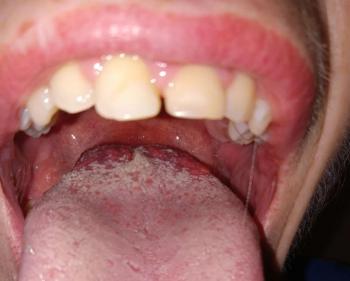
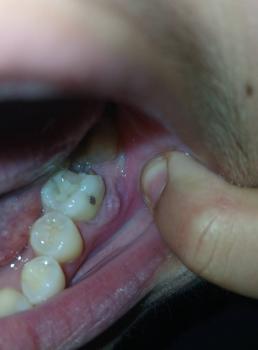
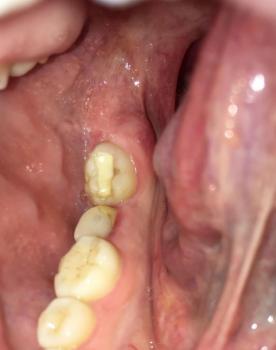
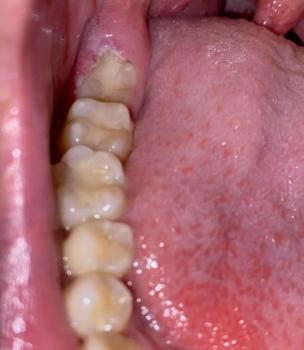
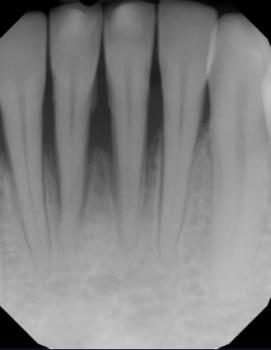
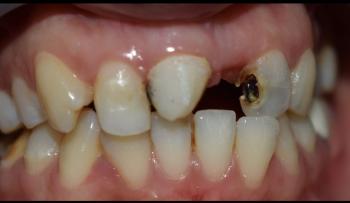
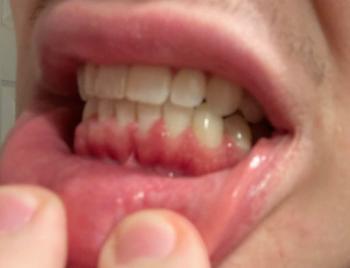
Patients with lower front gum inflammation may also experience tartar buildup, periodontal disease, gum abscesses, or tooth decay. Explore these related clinical case studies.

Other topics:
Other Dental Clinic