Other topics:

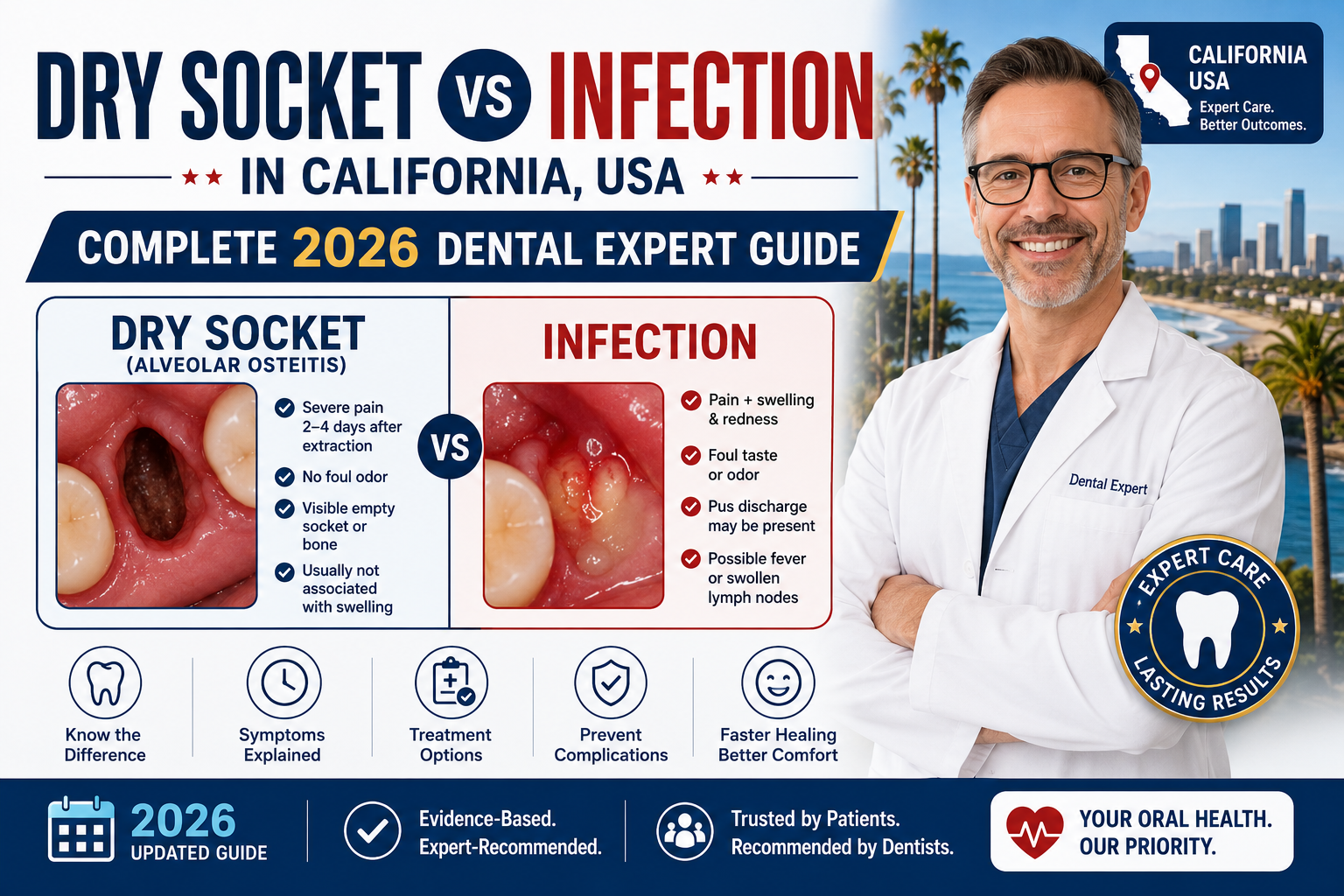
Throbbing Pain After Tooth Removal: Normal or Warning Sign?

Topics: 

So, you’ve just had a tooth extraction. You followed the dentist’s instructions, you’ve got the gauze in place, and you’re settling in for a weekend of Netflix and soft foods. But then it hits you: a deep, rhythmic, throbbing pain that seems to pulse in time with your heartbeat.

Is this normal? When should you panic?

Timeless Beauty: How Demi Moore’s Smile Defies Aging & What You Can Learn

The 2025 Oscars red carpet dazzled with Hollywood’s elite, but one star stood out not just for her fashion—but for her ageless, radiant smile: Demi Moore.

At 61, Moore proves that a bright, full-toothed smile is one of the most powerful anti-aging secrets. While many focus on skincare and fillers, experts agree: A youthful smile can take years off your appearance.

Custom Dental Implant Planning in Cebu: Avoid Costly Mistakes

Customized Treatment Planning – Precision Matters in Dental Implants

Why "One-Size-Fits-All" Implant Planning Fails

Dental implants are not a generic procedure—each patient’s anatomy is unique. Customized treatment planning is the difference between a successful, long-lasting implant and painful complications. Without precise mapping, implants can fail, damage nerves, or even fracture the jaw.

Tooth Extraction Healing Stages Day by Day

Tooth Extraction Healing Stages Day by Day

Tooth extraction healing is a natural process that happens in stages.

Day 1: A blood clot forms in the socket to protect the bone and nerves.
Day 2–3: Swelling and mild pain are normal. The clot stabilizes.
Day 4–7: Gum tissue begins to heal, and discomfort decreases.
Week 2: Soft tissue closes over the socket.
1 Month: Bone starts to rebuild.
3–6 Months: Complete healing of bone structure.

Neuroscience of Swimming: Why Every Lap is Liquid Therapy for Your Brain

Topics: 

The Mind Beneath the Waves: How Swimming Reshapes Your Brain and Builds Mental Resilience

Beyond Cardio: The Cognitive Revolution of Aquatic Exercise

When we think of swimming, we imagine toned muscles and cardiovascular health. But groundbreaking research reveals something more profound happening beneath the surface—a neurological transformation that positions swimming as one of the most potent brain interventions available. This isn't just exercise; it's liquid neuroscience.

From Science Fiction to Clinical Trial: The Drug That Could Regrow Your Teeth

Topics: 

 Practical Advice for Now . While waiting for these future innovations, here is how you can think about your dental health today:

  • Manage Expectations: Understand that a mass-market "tooth regrowth drug" is not available today. Traditional implants, bridges, and dentures remain the standard of care for tooth replacement and are highly effective.

  • Preserve What You Have: The best "innovation" is prevention. Good oral hygiene and regular dental check-ups are the most reliable ways to keep your natural teeth for life.

My Painful Lesson: Don’t Wait! I avoided the dentist until my cheek worsen and swelled

Holy Week and long holidays are a time for feasting—lechon, chocolates, and sticky kakanin. But for many, the celebration ends with a sharp toothache. As a 17-year-old from Manila, I ignored the pain until it became unbearable. Turns out, leftover food debris caused an infection, and I wasn’t alone—dental clinics across Luzon were fully booked!

Cavities Cause Heart Disease, Experts Warn - Here’s How (And How to Stop It)

Experts Say Cavities Literally Cause Heart Disease — And Can Also Lead to Death

The Shocking Link Between Dental Health and Heart Disease

Most of us know that poor oral hygiene leads to cavities, gum disease, and bad breath. But what if we told you that untreated cavities could also trigger heart disease—and even death?

Pages