Where Bright Smiles Begin.

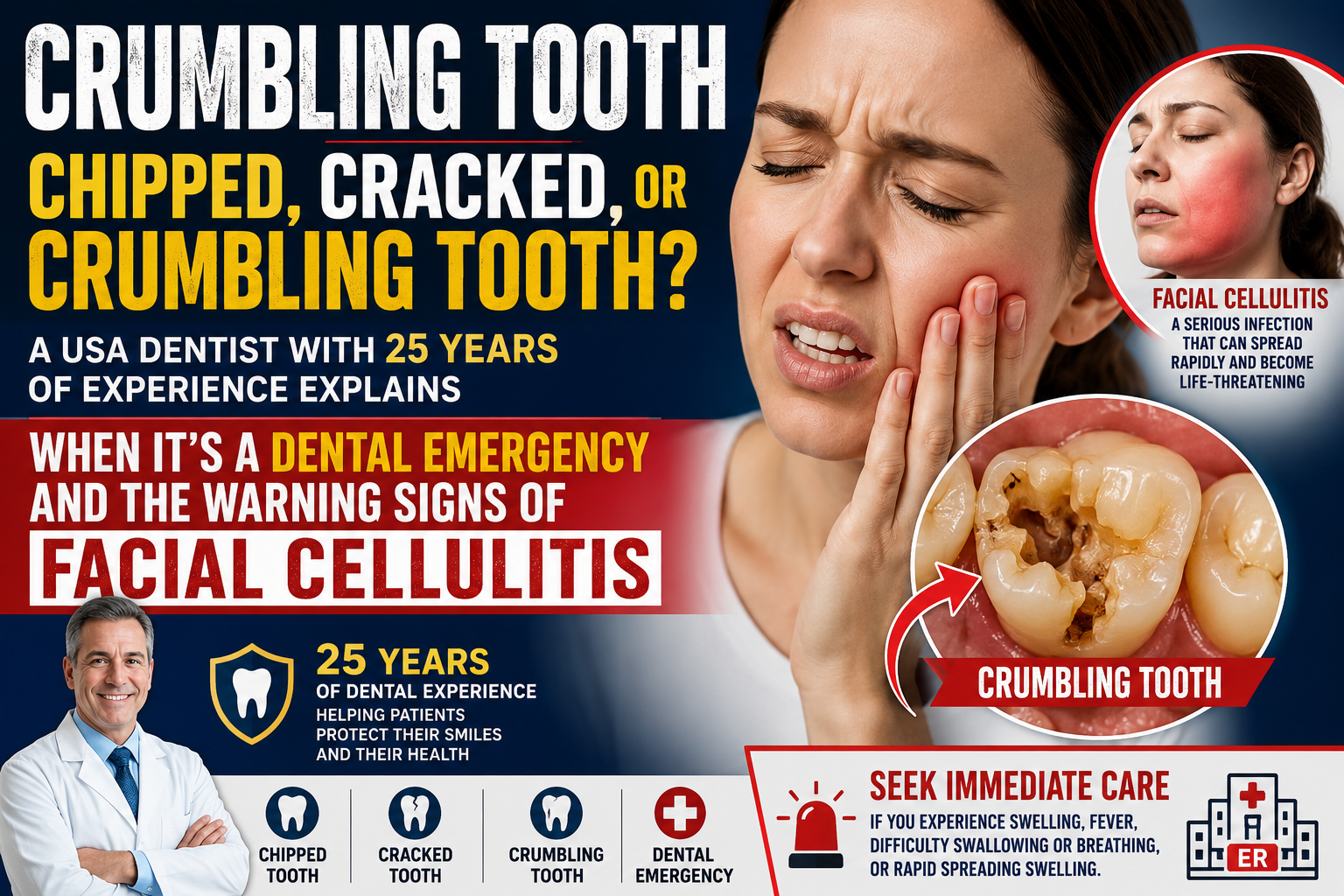
Chipped, Cracked, or Crumbling Tooth? A USA Dentist with 25 Years of Experience Explains When It's a Dental Emergency and the Warning Signs of Facial Cellulitis
Language :
Topics:
Prioritizing Your Dental Health: When a Chipped, Cracked, or Crumbling Tooth Is a Dental Problem—And When It Becomes a Medical Emergency
Every year in the United States, millions of people experience chipped, cracked, fractured, or crumbling teeth. Some injuries occur suddenly after biting into hard food or experiencing a sports accident, while others develop gradually because of tooth decay, acid erosion, teeth grinding, weakened enamel, or aging restorations.
One of the most common questions patients ask in my dental office is:
"Doctor, is this something that can wait until next week, or is it an emergency?"
After practicing dentistry in the United States for over 25 years, I can confidently say that not every damaged tooth is a medical emergency—but every damaged tooth deserves professional attention.
The most dangerous mistake people make is assuming every dental problem is "just a tooth problem." While many chipped or cracked teeth can safely be treated in a dental office, some dental infections can spread into the face, neck, or airway. These situations can become life-threatening if treatment is delayed.
Understanding the difference between structural tooth damage and a spreading dental infection could protect not only your smile but also your overall health.
This guide explains how to recognize dental emergencies, what symptoms require immediate medical attention, and what you should do while waiting to see a dental professional.
Understanding Structural Tooth Damage
Structural tooth damage refers to physical injury or weakening of the tooth itself.
Common examples include:
-
Small chipped teeth
-
Large broken teeth
-
Hairline cracks
-
Split teeth
-
Crumbling enamel
-
Teeth weakened by decay
-
Teeth damaged by acid erosion
-
Teeth fractured after trauma
Although these conditions vary in severity, they generally affect the tooth's structure rather than causing widespread infection throughout the body.
However, untreated structural damage often progresses over time.
A tiny crack today may become a major fracture months later.
A small cavity may eventually expose the dental pulp.
A chipped tooth may become infected if bacteria enter through exposed dentin.
This is why early treatment almost always results in simpler, less expensive care.
Why Teeth Chip or Crack
Healthy enamel is the hardest substance in the human body.
Despite its incredible strength, enamel is not indestructible.
Common causes include:
Biting Hard Foods
Ice
Hard candy
Popcorn kernels
Unpopped corn
Bones
Hard nuts
Frozen foods
Teeth Grinding (Bruxism)
Many people grind their teeth while sleeping without realizing it.
Years of grinding slowly weaken enamel until fractures occur.
Tooth Decay
Cavities remove healthy tooth structure.
Eventually, the remaining enamel becomes too weak to withstand normal chewing forces.
Acid Erosion
Frequent consumption of:
-
Soft drinks
-
Energy drinks
-
Citrus beverages
-
Sports drinks
gradually dissolves enamel.
Once enamel becomes thin, teeth chip much more easily.
Aging Restorations
Old fillings and crowns eventually wear out.
The remaining tooth structure becomes more susceptible to fracture.
Trauma
Falls
Sports injuries
Motor vehicle accidents
Direct blows to the face
What Is a Crumbling Tooth?
Patients often describe their tooth as:
"It's falling apart."
"Pieces keep breaking off."
"It feels soft."
In many cases, crumbling teeth result from:
-
Advanced decay
-
Large untreated cavities
-
Weak enamel
-
Previous large fillings
-
Acid erosion
-
Long-term grinding
-
Internal fractures
Crumbling teeth rarely repair themselves.
Without treatment, they continue losing structure until restoration is no longer possible.
Common Symptoms of Structural Tooth Damage
Patients may experience:
-
Pain while chewing
-
Sensitivity to hot drinks
-
Sensitivity to cold foods
-
Sharp pain when biting
-
Visible cracks
-
Missing tooth pieces
-
Rough edges
-
Food getting trapped
-
Intermittent discomfort
-
No pain at all
Interestingly, some severely damaged teeth produce very little pain.
Pain is not always an accurate indicator of severity.
When Structural Damage Becomes Dangerous
A damaged tooth creates an entry point for bacteria.
Over time, bacteria may reach:
-
Dentin
-
Dental pulp
-
Root canal
-
Jawbone
-
Surrounding soft tissues
This progression transforms a mechanical problem into an infectious one.
That is when the situation becomes much more serious.
Emergency Warning: Facial Cellulitis
One of the most dangerous complications of an untreated dental infection is facial cellulitis.
Facial cellulitis occurs when bacteria spread beyond the tooth into the surrounding soft tissues of the face or neck.
Unlike a localized dental abscess, cellulitis spreads through connective tissue.
The infection may advance rapidly.
If left untreated, it can involve:
-
Facial muscles
-
Neck spaces
-
Airways
-
Bloodstream
This is a true medical emergency.
Why Facial Cellulitis Is Dangerous
The mouth naturally contains hundreds of bacterial species.
When bacteria escape beyond the tooth root, they may multiply quickly.
As swelling increases, patients may develop:
-
Difficulty swallowing
-
Difficulty speaking
-
Difficulty breathing
If swelling extends into the neck, it can begin compressing the airway.
In severe cases, hospitalization, intravenous antibiotics, surgical drainage, and airway management may become necessary.
Seek Emergency Care Immediately If You Experience:
Difficulty Breathing
Any sensation of:
-
Shortness of breath
-
Tight throat
-
Airway restriction
-
Trouble taking a full breath
requires immediate emergency evaluation.
Do not wait to see whether symptoms improve.
Difficulty Swallowing
If swallowing becomes painful or impossible, the infection may be affecting deeper tissues.
Seek emergency care immediately.
Excessive Drooling
Adults normally swallow saliva automatically.
If swelling prevents normal swallowing, drooling may develop.
This may indicate serious airway involvement.
Rapidly Spreading Facial Swelling
Emergency warning signs include swelling spreading toward:
-
The eye
-
The neck
-
Under the jaw
-
Across the face
-
Toward the chest
Rapid progression is never normal.
High Fever
Fever may indicate that infection is spreading beyond the tooth.
Especially concerning are:
-
Fever above 101°F (38.3°C)
-
Chills
-
Sweating
-
Body aches
Extreme Fatigue
Serious infection often causes:
-
Weakness
-
Exhaustion
-
Difficulty staying awake
These symptoms should never be ignored.
Confusion or Disorientation
Changes in mental status require immediate emergency evaluation.
Although uncommon, severe infections may affect the entire body.
Severe Headache or Stiff Neck
When accompanied by facial swelling or fever, these symptoms warrant emergency assessment.
Do Not Drive Yourself If Breathing Is Affected
If airway symptoms develop:
Call emergency medical services immediately.
Do not attempt to drive yourself.
Rapid airway compromise can occur unexpectedly.
Managing Structural Tooth Damage
If you are not experiencing emergency symptoms, your damaged tooth should still be evaluated promptly by a dentist.
Early treatment usually preserves more natural tooth structure.
Seek Professional Help Promptly
A dentist will determine:
-
Whether the tooth can be repaired
-
Whether the pulp is involved
-
Whether infection is present
-
Whether the crack extends below the gumline
-
Whether restoration is possible
Possible treatments include:
-
Dental bonding
-
Tooth-colored fillings
-
Crowns
-
Root canal treatment
-
Onlays
-
Veneers
-
Tooth extraction
-
Dental implant replacement when necessary
The earlier treatment begins, the more options are usually available.
Do Not Ignore a Damaged Tooth
Many patients delay treatment because:
"It doesn't hurt."
Unfortunately, absence of pain does not mean the tooth is healthy.
Some severely infected teeth become painless after the nerve dies.
Unfortunately, infection may continue spreading silently.
Waiting too long often leads to:
-
Larger fractures
-
Root infections
-
Bone loss
-
Tooth loss
-
More expensive treatment
Managing Pain Until Your Appointment
Temporary measures include:
Apply a Cold Compress
Use an ice pack wrapped in a towel.
Place it on the outside of your cheek.
Apply for:
10 to 20 minutes
Then remove it for at least 20 minutes before reapplying.
Cold helps reduce swelling and temporarily numbs discomfort.
Important—Avoid Heat
Never apply:
-
Heating pads
-
Warm compresses
-
Heated towels
Heat increases blood circulation.
If infection is present, additional blood flow may worsen swelling and potentially accelerate bacterial spread.
Cold—not heat—is generally recommended unless specifically instructed otherwise by your healthcare provider.
Keep the Area Clean
Brush gently.
Continue flossing unless specifically instructed otherwise.
Use warm saltwater rinses if they are comfortable.
Avoid aggressive scrubbing around the injured tooth.
Avoid Chewing on the Damaged Tooth
Use the opposite side of your mouth.
Soft foods are preferable until treatment.
Avoid:
-
Ice
-
Nuts
-
Hard bread
-
Sticky candy
-
Tough meats
What If the Tooth Is Sharp?
Broken enamel may cut your tongue or cheek.
Temporary dental wax, available at most pharmacies, may cover sharp edges until you receive treatment.
Should You Take Antibiotics?
Antibiotics are not appropriate for every chipped or cracked tooth.
Structural damage without signs of bacterial infection often does not require antibiotics.
Only a qualified healthcare professional can determine when they are indicated. Taking antibiotics unnecessarily contributes to antibiotic resistance and may expose you to side effects without providing benefit.
Can the Tooth Heal on Its Own?
Unlike skin or bone, enamel cannot regenerate.
Once tooth structure is lost, it does not grow back.
Professional dental treatment is usually required to restore strength, function, and appearance.
Preventing Future Tooth Damage
Most structural dental problems are preventable.
Good preventive habits include:
-
Brushing twice daily with fluoride toothpaste
-
Cleaning between teeth every day
-
Limiting sugary snacks and acidic beverages
-
Wearing a custom mouthguard for contact sports
-
Using a nightguard if you grind your teeth
-
Avoiding chewing ice and other hard objects
-
Attending routine dental examinations and cleanings
-
Replacing worn fillings and crowns before they fail
The Connection Between Oral Health and Overall Health
Dental infections do not remain isolated forever.
Untreated infections may contribute to:
-
Bone destruction
-
Chronic inflammation
-
Difficulty eating
-
Poor nutrition
-
Reduced quality of life
Prompt treatment protects both your oral health and your general well-being.
Final Thoughts from a Dentist with 25 Years of Experience
After treating thousands of patients throughout my career, one lesson stands out: early action makes a tremendous difference.
A small chip repaired today may require only a simple filling. The same tooth ignored for months could eventually need a root canal, crown, or even extraction. Likewise, while most damaged teeth are not life-threatening, an untreated dental infection that spreads into the face or neck can become a true medical emergency.
Know the warning signs. If you develop difficulty breathing, difficulty swallowing, rapidly spreading facial swelling, high fever, chills, confusion, or swelling extending toward the eye, neck, or chest, seek emergency medical care immediately.
If you are not experiencing those severe symptoms, schedule a dental evaluation as soon as possible. Early diagnosis and treatment preserve more of your natural tooth, reduce the risk of complications, and often result in simpler, more affordable care.
Your teeth are designed to last a lifetime. Protecting them starts with recognizing problems early, avoiding delays in treatment, and partnering with a trusted dental professional whenever structural damage or signs of infection appear.
Can tooth extraction cause infection? Mild inflammation is normal, but increasing swelling, fever, or severe pain may indicate infection. Learn more about post-extraction infection warning signs in this detailed guide.
Book a consultation with our Cebu dental specialists for proper evaluation and care.
Ready to get expert guidance?
If you’re experiencing severe pain or delayed healing, book a consultation with our Cebu dental specialists to get proper evaluation and care.
Consultation or contact page .
Book a Consultation
For severe discomfort or delayed healing, book a consultation with our Cebu dental specialists today.
Looking for a dentist? Browse our Cebu dental directory to find trusted clinics near you.
Medical Review and Clinical Basis
This article is based on clinical dental guidelines and real patient recovery patterns observed after tooth extraction procedures. The information reflects common post-extraction healing stages, including normal clot formation, gum tissue repair, and signs of possible complications such as dry socket or infection.
While mild discomfort is expected after a dental extraction, worsening pain after Day 3, bad odor, exposed bone, or spreading pain may require professional evaluation. These symptoms are consistent with known post-extraction complications described in standard dental practice.
About Cebu Dental Implants
Cebu Dental Implants provides comprehensive tooth extraction, surgical procedures, and dental implant services in the Philippines. Our team evaluates post-extraction healing, manages complications such as dry socket, and advises patients on proper aftercare to prevent infection and delayed healing.
If you experience severe pain or unusual symptoms after extraction, early professional assessment is recommended to prevent further complications.
Important Medical Disclaimer
This content is for educational purposes only and does not replace professional dental diagnosis. Every patient heals differently. If symptoms worsen or do not improve within a few days, consult a licensed dentist for proper evaluation and treatment.
Author
This article was prepared by the Cebu Dental Implants content team in consultation with licensed dental professionals experienced in tooth extraction and implant procedures.
Related Clinical Cases
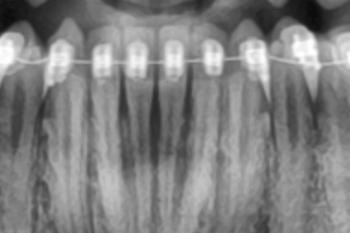
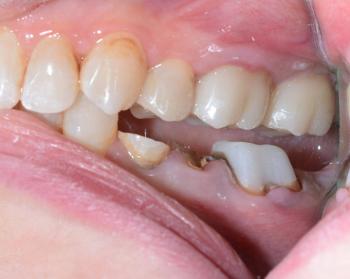
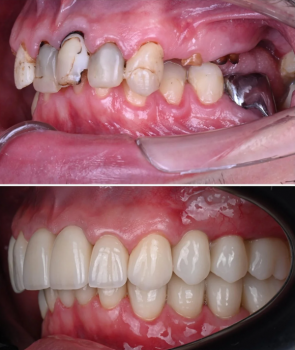
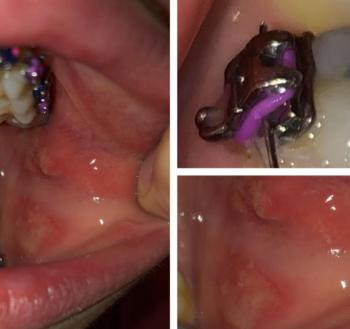
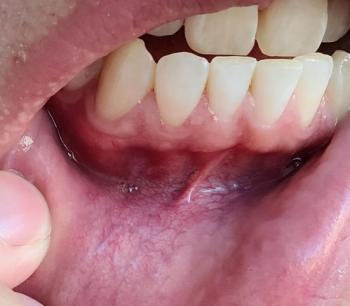
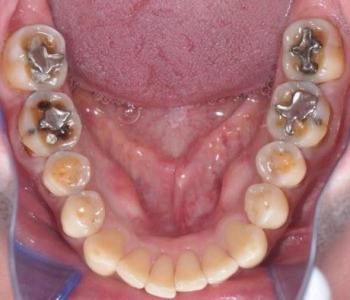
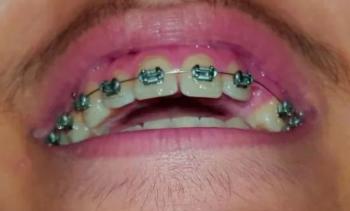
Patients with lower front gum inflammation may also experience tartar buildup, periodontal disease, gum abscesses, or tooth decay. Explore these related clinical case studies.
Other topics:
Other Dental Clinic