Your Smile, Perfected with Precision.

Fever After a Root Canal in San Diego, California: A USA Dentist Explains What It Means, Warning Signs, Risks, and When to Seek Emergency Dental Care
Language :
As a dentist who has treated thousands of root canal patients over the years, one of the most concerning phone calls I receive is from a patient who develops a fever after a root canal procedure.
Many patients in San Diego, California ask:
"Is a fever normal after a root canal?"
The short answer is:
A mild increase in body temperature can occasionally occur after dental treatment, but a true fever is not considered normal and should never be ignored.
A fever may indicate that the body is fighting an infection. In some situations, it may signal that the original dental infection is still present, spreading, or becoming more severe.
While most root canal procedures are highly successful and heal without complications, patients should understand the warning signs that require immediate attention.
In this comprehensive guide, I will explain:
- Why fever occurs after a root canal
- How dentists diagnose the problem
- Symptoms to watch for
- Serious complications that can occur
- Emergency warning signs
- Treatment options
- Recovery expectations
- How to protect your health and your tooth
Understanding the Purpose of Root Canal Treatment
A root canal is performed when the soft tissue inside a tooth, known as the pulp, becomes infected or inflamed.
Common causes include:
- Deep tooth decay
- Cracked teeth
- Large dental fillings
- Dental trauma
- Untreated cavities
- Repeated dental procedures
The goal of treatment is to:
- Remove infected tissue
- Eliminate bacteria
- Disinfect root canals
- Seal the tooth
- Preserve the natural tooth
When treatment is successful, pain gradually decreases and healing begins.
Most patients do not develop a fever.
Therefore, if fever develops after treatment, additional evaluation may be necessary.
Is Fever Normal After a Root Canal?
In most cases, no.
A fever often suggests:
- Persistent infection
- New bacterial contamination
- Abscess formation
- Spreading infection
- Immune response to severe inflammation
Normal post-treatment symptoms include:
- Mild soreness
- Tenderness when chewing
- Slight swelling
- Gum sensitivity
These symptoms generally improve within several days.
A fever is different.
If your temperature reaches:
- 100.4°F (38°C) or higher
- Accompanied by swelling
- Accompanied by worsening pain
You should contact your dentist immediately.
Why Fever Can Develop After Root Canal Treatment
1. Pre-Existing Dental Infection
Many root canals are performed on teeth that already contain significant infection.
Sometimes:
- Infection extends into bone
- Bacteria spread beyond root tips
- Large abscesses already exist
Even after treatment begins, the body may continue fighting the infection.
This can lead to fever during the healing period.
2. Dental Abscess
A dental abscess is one of the most common causes of fever.
An abscess is a pocket of pus caused by bacterial infection.
Symptoms include:
- Severe throbbing pain
- Facial swelling
- Gum swelling
- Bad taste in mouth
- Drainage of pus
- Fever
If the abscess is not completely resolved, symptoms may continue after treatment.
3. Incomplete Removal of Infection
Root canals are extremely complex.
Some teeth contain:
- Curved canals
- Hidden canals
- Extra canals
- Calcified canals
In some situations, bacteria remain inside areas that are difficult to access.
Persistent bacteria may continue causing infection.
This can result in:
- Fever
- Swelling
- Pain
- Delayed healing
4. Reinfection of the Tooth
A treated tooth can become reinfected.
Possible reasons include:
- Broken filling
- Lost temporary crown
- Cracked tooth
- Saliva leakage
- Delayed final restoration
Bacteria may enter the tooth again.
This can trigger a new infection and fever.
5. Spreading Infection
This is among the most serious situations.
Infection may spread into:
- Jawbone
- Facial tissues
- Neck spaces
- Sinuses
Patients may experience:
- Fever
- Chills
- Facial swelling
- Difficulty swallowing
Immediate treatment becomes necessary.
How Dentists Diagnose Fever After Root Canal Treatment
A comprehensive evaluation is essential.
Your dentist may perform:
Clinical Examination
Checking for:
- Swelling
- Redness
- Drainage
- Tenderness
X-Rays
Dental radiographs reveal:
- Bone infection
- Abscesses
- Healing status
- Missed canals
CBCT 3D Scan
Advanced imaging may identify:
- Hidden canals
- Fractures
- Persistent infection
This technology is frequently used in complex cases.
Medical History Review
Your dentist may ask:
- When did the fever start?
- What is your temperature?
- Any swelling?
- Any medications taken?
The answers help determine the source of the problem.
Common Symptoms Associated With Fever After Root Canal
Patients often experience additional symptoms.
These may include:
Tooth Pain
Pain may be:
- Sharp
- Dull
- Throbbing
- Constant
Pain that worsens rather than improves requires evaluation.
Swelling
Swelling may occur in:
- Gums
- Cheek
- Jaw
- Face
Facial swelling combined with fever should never be ignored.
Pus Drainage
Signs include:
- Bad taste
- Fluid discharge
- Gum pimple
These symptoms often indicate infection.
Tender Lymph Nodes
Lymph nodes may enlarge as the immune system responds to infection.
Common locations:
- Under the jaw
- Neck area
Difficulty Chewing
Persistent discomfort when biting may indicate:
- Infection
- Inflammation
- Root fracture
The Worst Scenarios That Can Happen
Although uncommon, severe complications can occur if infection is ignored.
Understanding these risks can help patients seek care before problems become dangerous.
Scenario 1: Severe Facial Cellulitis
Cellulitis is a bacterial infection involving soft tissues.
Symptoms include:
- Rapid swelling
- Fever
- Redness
- Pain
Facial cellulitis can spread quickly.
Emergency treatment may be necessary.
Scenario 2: Deep Neck Space Infection
Certain dental infections spread downward.
Affected areas may include:
- Neck muscles
- Airway spaces
Patients may experience:
- Fever
- Difficulty swallowing
- Difficulty breathing
This is a medical emergency.
Hospitalization may be required.
Scenario 3: Bone Infection
Untreated infection can invade jawbone.
This condition is known as osteomyelitis.
Symptoms include:
- Fever
- Persistent pain
- Swelling
- Delayed healing
Treatment may require:
- Antibiotics
- Surgery
- Long-term monitoring
Scenario 4: Tooth Loss
Persistent infection may eventually make the tooth unsalvageable.
The tooth may require extraction.
Replacement options may include:
- Dental implants
- Bridges
- Dentures
Saving the tooth early is always preferable.
Scenario 5: Sinus Involvement
Upper molars are located near the sinus cavity.
Infection can spread into the sinus region.
Symptoms include:
- Facial pressure
- Nasal congestion
- Fever
- Sinus pain
Additional treatment may be necessary.
Scenario 6: Systemic Infection
In rare situations, bacteria enter the bloodstream.
This can affect:
- Heart
- Lungs
- Other organs
Symptoms include:
- High fever
- Chills
- Weakness
- Rapid heartbeat
Immediate medical care is required.
Warning Signs Requiring Emergency Care
Seek urgent dental or medical evaluation if you experience:
- Fever over 101°F
- Rapidly increasing swelling
- Difficulty breathing
- Difficulty swallowing
- Severe facial swelling
- Uncontrolled pain
- Pus drainage
- Persistent bleeding
- Extreme fatigue
These symptoms should never be ignored.
How Dentists Treat Fever After a Root Canal
Treatment depends on the cause.
Antibiotic Therapy
Antibiotics may be prescribed when infection is present.
Common goals include:
- Reducing bacterial load
- Controlling spread
- Supporting healing
Patients should always complete the prescribed course.
Drainage of Infection
If pus is present, drainage may be required.
Removing accumulated infection often provides rapid relief.
Root Canal Retreatment
Sometimes the original treatment must be repeated.
This allows the dentist to:
- Reclean canals
- Remove bacteria
- Improve sealing
Retreatment often saves the tooth.
Apicoectomy
An apicoectomy involves removal of the root tip.
This procedure may be recommended when infection persists despite root canal treatment.
Tooth Extraction
If a tooth cannot be saved, extraction may be necessary.
Modern dentistry offers excellent replacement options.
However, preserving the natural tooth remains the preferred goal.
What Happens During Recovery?
Most patients improve quickly after proper treatment.
Recovery generally includes:
First Few Days
- Reduced pain
- Less swelling
- Improved comfort
First Week
- Fever resolves
- Inflammation decreases
- Healing progresses
Several Weeks
Bone healing begins around the root tip.
Patients often notice significant improvement.
Several Months
Complete healing may continue for months.
Regular follow-up visits ensure successful recovery.
How to Prevent Infection After a Root Canal
Patients can improve outcomes by following instructions carefully.
Take Medications Properly
Never skip prescribed antibiotics.
Take all medications exactly as directed.
Maintain Good Oral Hygiene
Brush twice daily.
Floss daily.
Use recommended mouth rinses.
Avoid Excessive Pressure
Avoid chewing hard foods on the treated tooth until advised.
Attend Follow-Up Visits
Regular examinations allow dentists to monitor healing.
Small problems can be identified before becoming major complications.
Get the Final Crown
One of the biggest mistakes patients make is delaying the permanent crown.
Without proper protection:
- Teeth may crack
- Reinfection may occur
- Treatment may fail
A crown significantly improves long-term success.
Special Considerations for Patients With Medical Conditions
Certain patients face increased risk.
These include individuals with:
- Diabetes
- Immune disorders
- Cancer treatment history
- Autoimmune diseases
- Heart conditions
Infections can become more serious in these populations.
Prompt evaluation is especially important.
When Should You Call Your Dentist?
Contact your dentist if:
- Fever develops after treatment
- Pain worsens after several days
- Swelling increases
- Pus appears
- You feel generally unwell
Early intervention often prevents larger problems.
Long-Term Prognosis
The good news is that most root canals are highly successful.
When properly treated and restored:
- Infection resolves
- Fever disappears
- Bone heals
- The tooth remains functional for many years
The key is timely diagnosis and prompt treatment whenever warning signs appear.
Expert USA Dentist Advice for San Diego Patients
If you develop a fever after a root canal in San Diego, California, do not assume it is a normal part of recovery.
A fever is often the body's signal that infection or significant inflammation is present. While many cases are manageable and treatable, delaying care can allow the problem to worsen and spread.
As dentists, our goal is not only to relieve pain but also to protect your overall health. A tooth infection can affect more than just a tooth—it can impact surrounding tissues, bone, and, in rare circumstances, other areas of the body.
My advice is simple:
- Monitor your temperature carefully.
- Watch for swelling and worsening pain.
- Take medications exactly as prescribed.
- Keep follow-up appointments.
- Seek immediate care if symptoms become severe.
Most importantly, never ignore a fever after dental treatment. Early diagnosis can mean the difference between a simple solution and a serious dental emergency.
With prompt professional care, most patients recover successfully, preserve their natural teeth, and return to normal activities without long-term complications.
Can tooth extraction cause infection? Mild inflammation is normal, but increasing swelling, fever, or severe pain may indicate infection. Learn more about post-extraction infection warning signs in this detailed guide.
Book a consultation with our Cebu dental specialists for proper evaluation and care.
Ready to get expert guidance?
If you’re experiencing severe pain or delayed healing, book a consultation with our Cebu dental specialists to get proper evaluation and care.
Consultation or contact page .
Book a Consultation
For severe discomfort or delayed healing, book a consultation with our Cebu dental specialists today.
Looking for a dentist? Browse our Cebu dental directory to find trusted clinics near you.
Medical Review and Clinical Basis
This article is based on clinical dental guidelines and real patient recovery patterns observed after tooth extraction procedures. The information reflects common post-extraction healing stages, including normal clot formation, gum tissue repair, and signs of possible complications such as dry socket or infection.
While mild discomfort is expected after a dental extraction, worsening pain after Day 3, bad odor, exposed bone, or spreading pain may require professional evaluation. These symptoms are consistent with known post-extraction complications described in standard dental practice.
About Cebu Dental Implants
Cebu Dental Implants provides comprehensive tooth extraction, surgical procedures, and dental implant services in the Philippines. Our team evaluates post-extraction healing, manages complications such as dry socket, and advises patients on proper aftercare to prevent infection and delayed healing.
If you experience severe pain or unusual symptoms after extraction, early professional assessment is recommended to prevent further complications.
Important Medical Disclaimer
This content is for educational purposes only and does not replace professional dental diagnosis. Every patient heals differently. If symptoms worsen or do not improve within a few days, consult a licensed dentist for proper evaluation and treatment.
Author
This article was prepared by the Cebu Dental Implants content team in consultation with licensed dental professionals experienced in tooth extraction and implant procedures.
Related Clinical Cases
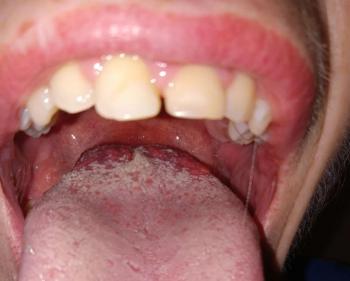
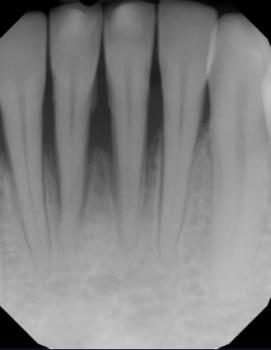
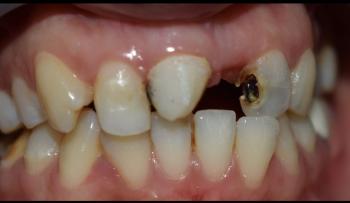
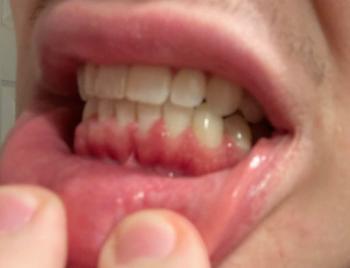
Patients with lower front gum inflammation may also experience tartar buildup, periodontal disease, gum abscesses, or tooth decay. Explore these related clinical case studies.
Other topics:
Other Dental Clinic