Transforming Smiles, Restoring Confidence.

Tooth Extraction Aftercare: What to Do in the First 24 Hours for Faster Healing
Language :
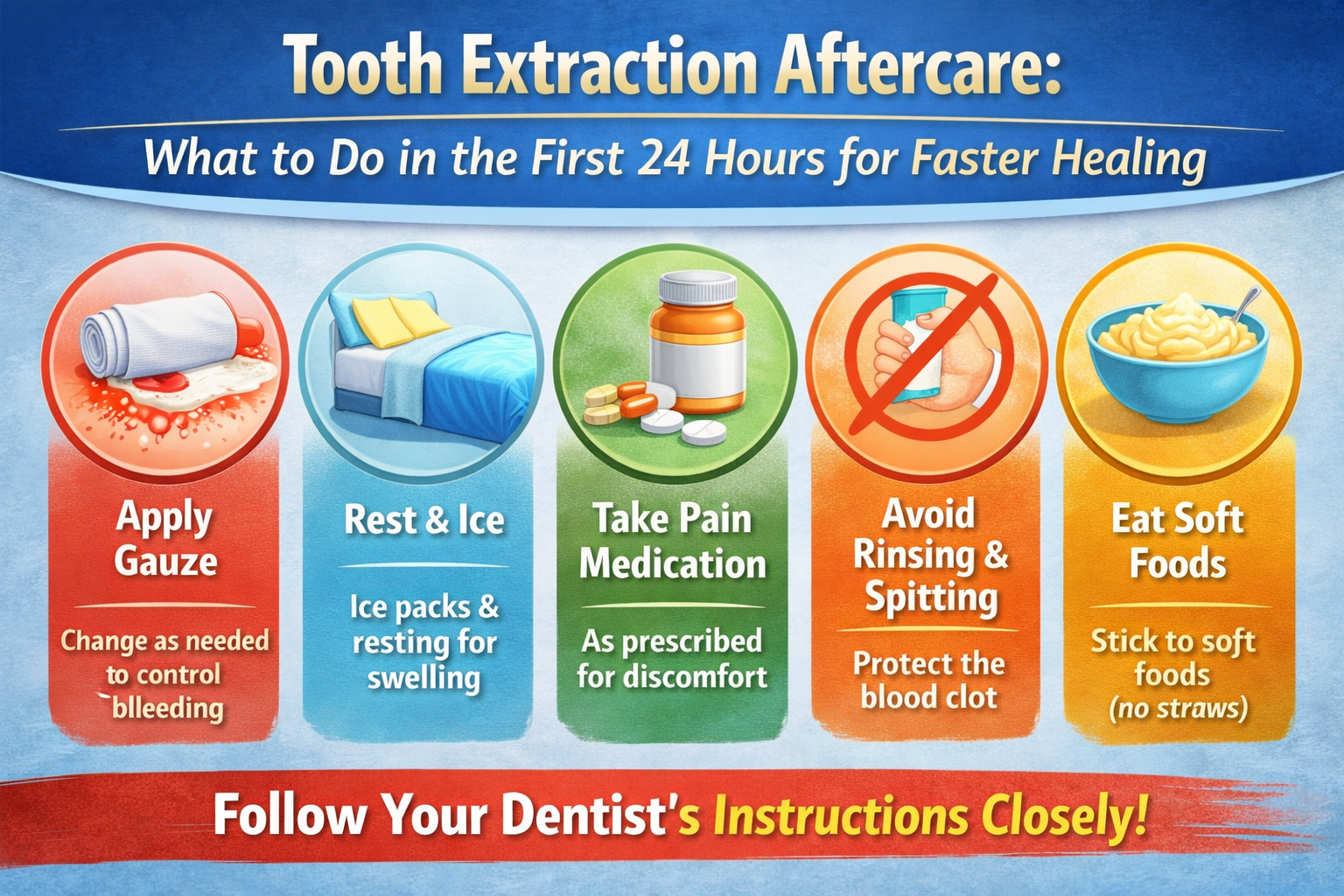
Tooth Extraction Aftercare: What to Do in the First 24 Hours
The first 24 hours after a tooth extraction are crucial for proper healing. During this time, a blood clot forms inside the socket where the tooth was removed. This clot protects the underlying bone and nerves and serves as the foundation for new tissue growth. If the clot becomes dislodged, complications such as dry socket can occur, causing severe pain and delayed healing.
Immediately after the extraction, your dentist will place gauze over the socket. Patients should bite gently on the gauze for about 30 to 45 minutes to help control bleeding and allow the clot to form. If bleeding continues, replacing the gauze and applying light pressure usually helps.
Rest is also important during the first day. Avoid heavy lifting, intense exercise, or bending over because these activities can increase bleeding. Keeping the head elevated while resting can also help minimize swelling.
Swelling is a normal reaction after dental surgery. Applying a cold compress to the cheek near the extraction site can reduce swelling and discomfort. Ice packs can be applied for 15 minutes at a time during the first several hours.
Eating soft foods during the first day helps protect the extraction site. Foods such as yogurt, mashed potatoes, soup, applesauce, and scrambled eggs are recommended because they require minimal chewing. Drinking plenty of water is also important, but patients should avoid using straws because suction can dislodge the blood clot.
Certain habits should be avoided during the first 24 hours. Smoking and alcohol consumption can slow healing and increase infection risk. Hot drinks and spicy foods may also irritate the extraction site.
Oral hygiene should still be maintained, but patients should avoid brushing directly over the extraction area during the first day. Gentle brushing of the surrounding teeth is acceptable.
If severe pain, excessive bleeding, or swelling occurs after the first day, patients should contact their dentist. Following proper aftercare instructions significantly improves healing and reduces complications.
Signs of Infection After Tooth Extraction
Although tooth extraction is a common dental procedure, infection can sometimes occur during the healing process. Bacteria may enter the extraction site if proper oral hygiene is not maintained or if the wound becomes irritated.
One of the most common signs of infection is worsening pain several days after the extraction. Normally, pain gradually improves within a few days. If discomfort suddenly increases instead of decreasing, it may indicate infection.
Swelling that worsens instead of improving is another warning sign. Mild swelling during the first two days is normal, but severe swelling or facial inflammation may suggest a problem.
Other symptoms include fever, persistent bad breath, or a foul taste in the mouth. In some cases, patients may notice pus or discharge coming from the extraction site. These symptoms indicate bacterial activity and should be evaluated by a dentist.
Patients with weakened immune systems, diabetes, or poor oral hygiene are more likely to develop infections after dental procedures. Smoking also increases infection risk because it slows healing and reduces blood circulation.
Preventing infection involves following the dentist’s aftercare instructions carefully. Gentle saltwater rinses after the first 24 hours can help keep the mouth clean and reduce bacteria around the extraction site.
If symptoms such as severe pain, fever, or persistent swelling occur, patients should visit a dental clinic promptly. Early treatment usually involves cleaning the area and prescribing antibiotics.
Proper dental care and good hygiene significantly reduce the chances of infection during recovery.
Dry Socket After Tooth Extraction: Causes, Symptoms, and Treatment
Dry socket is one of the most painful complications that can occur after tooth extraction. It happens when the blood clot that normally forms in the extraction site becomes dislodged or dissolves before the wound has healed.
When the clot is lost, the underlying bone and nerves become exposed. This exposure causes intense pain that often radiates to the ear, jaw, or temple. The pain usually begins three to five days after the extraction.
Patients with dry socket may also experience bad breath and an unpleasant taste in the mouth. The extraction site may appear empty, with visible bone inside the socket.
Several factors increase the risk of dry socket. Smoking is one of the most common causes because suction and chemicals from tobacco can interfere with clot formation. Using straws, rinsing the mouth aggressively, or eating hard foods too soon can also dislodge the clot.
Treatment for dry socket involves visiting a dentist who will clean the socket and place a medicated dressing inside the wound. This dressing helps protect the bone and relieve pain while healing continues.
Pain medication may also be prescribed to manage discomfort. With proper treatment, symptoms usually improve within a few days.
Preventing dry socket involves following aftercare instructions carefully. Avoid smoking, drinking through straws, or touching the extraction site during the healing process.
How Long Does Tooth Extraction Pain Last?
Pain after tooth extraction is a normal part of the healing process. Most patients experience mild to moderate discomfort for the first few days after the procedure.
Pain typically peaks within the first 24 to 48 hours as the body responds to the surgical removal of the tooth. Swelling and tenderness around the extraction site may also occur during this time.
After the initial period, pain gradually decreases as the gum tissue begins to heal. Many patients notice significant improvement within three to five days.
Over-the-counter pain medications such as ibuprofen or acetaminophen are commonly used to manage discomfort. Applying a cold compress to the cheek can also help reduce inflammation and pain.
If pain becomes severe or worsens several days after the extraction, it may indicate a complication such as dry socket or infection. Persistent throbbing pain, bad taste in the mouth, or swelling should be evaluated by a dentist.
Most patients recover comfortably when they follow proper aftercare instructions. Eating soft foods, avoiding smoking, and maintaining gentle oral hygiene help ensure a smooth recovery.
Tooth Extraction vs Root Canal: Which Treatment Is Better?
When a tooth becomes severely damaged or infected, dentists often recommend either a root canal or extraction. Choosing the right treatment depends on the condition of the tooth and surrounding bone.
A root canal procedure removes infected pulp from inside the tooth while preserving the outer structure. After cleaning the root canal system, the dentist seals the tooth and usually places a crown for protection.
The main advantage of a root canal is that it saves the natural tooth. Keeping the original tooth helps maintain normal chewing function and prevents bone loss in the jaw.
Tooth extraction, on the other hand, removes the entire tooth when it cannot be saved. This option is usually recommended if the tooth is severely fractured, decayed beyond repair, or causing serious infection.
After extraction, the missing tooth may need to be replaced with a dental implant, bridge, or denture to restore function and appearance.
In most cases, dentists prefer saving the natural tooth whenever possible. However, extraction may be necessary if the tooth cannot be restored effectively.
A thorough dental examination and X-rays help determine which treatment is the best option.
Can tooth extraction cause infection? Mild inflammation is normal, but increasing swelling, fever, or severe pain may indicate infection. Learn more about post-extraction infection warning signs in this detailed guide.
Book a consultation with our Cebu dental specialists for proper evaluation and care.
Ready to get expert guidance?
If you’re experiencing severe pain or delayed healing, book a consultation with our Cebu dental specialists to get proper evaluation and care.
Consultation or contact page .
Book a Consultation
For severe discomfort or delayed healing, book a consultation with our Cebu dental specialists today.
Looking for a dentist? Browse our Cebu dental directory to find trusted clinics near you.
Medical Review and Clinical Basis
This article is based on clinical dental guidelines and real patient recovery patterns observed after tooth extraction procedures. The information reflects common post-extraction healing stages, including normal clot formation, gum tissue repair, and signs of possible complications such as dry socket or infection.
While mild discomfort is expected after a dental extraction, worsening pain after Day 3, bad odor, exposed bone, or spreading pain may require professional evaluation. These symptoms are consistent with known post-extraction complications described in standard dental practice.
About Cebu Dental Implants
Cebu Dental Implants provides comprehensive tooth extraction, surgical procedures, and dental implant services in the Philippines. Our team evaluates post-extraction healing, manages complications such as dry socket, and advises patients on proper aftercare to prevent infection and delayed healing.
If you experience severe pain or unusual symptoms after extraction, early professional assessment is recommended to prevent further complications.
Important Medical Disclaimer
This content is for educational purposes only and does not replace professional dental diagnosis. Every patient heals differently. If symptoms worsen or do not improve within a few days, consult a licensed dentist for proper evaluation and treatment.
Author
This article was prepared by the Cebu Dental Implants content team in consultation with licensed dental professionals experienced in tooth extraction and implant procedures.
Related Clinical Cases
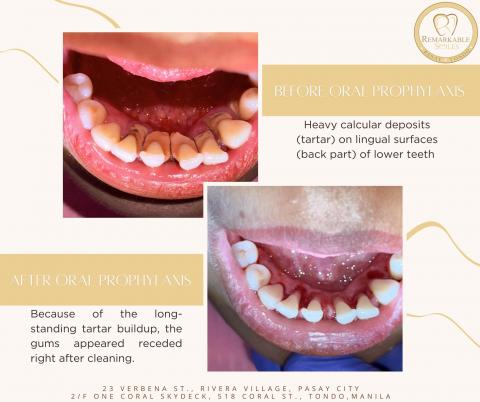
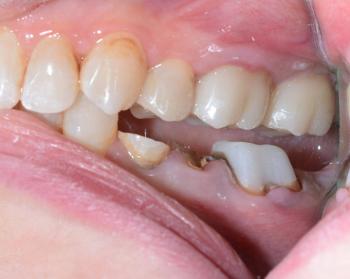
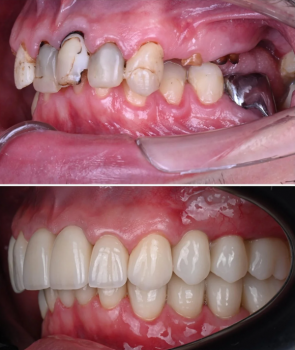
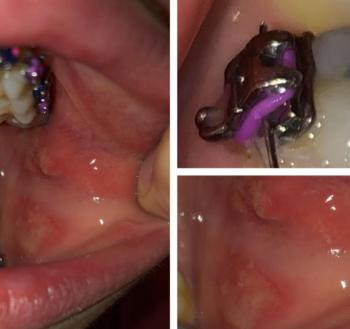
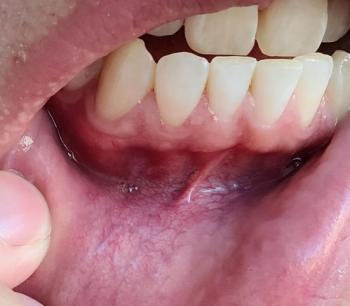
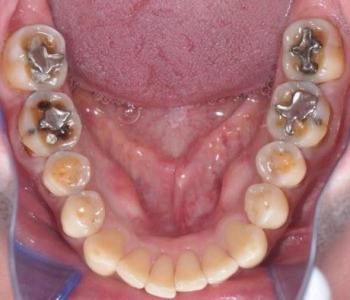
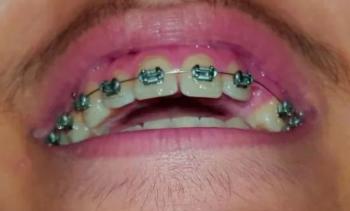
Patients with lower front gum inflammation may also experience tartar buildup, periodontal disease, gum abscesses, or tooth decay. Explore these related clinical case studies.
Other topics:
Other Dental Clinic