Transforming Smiles, Restoring Confidence.

Can Depression Affect Your Teeth? Understanding the Hidden Connection Between Mental Health and Oral Health
Language :
Topics:
Depression does not directly damage teeth. However, the emotional, physical, and lifestyle changes linked to depression can significantly affect oral health over time. Many people experiencing depression may struggle with daily routines, stress management, nutrition, and healthcare appointments — all of which can increase the risk of dental problems.
Understanding this connection is important because oral health and mental health often influence each other more than people realize.
How Depression Can Indirectly Harm Oral Health
Depression can impact dental health through several pathways. These effects may develop slowly and become noticeable only after months or years.
1. Reduced Motivation for Daily Oral Care
One of the most common effects of depression is low energy and reduced motivation. Even simple self-care habits can feel overwhelming.
As a result, some individuals may:
- Skip brushing or flossing
- Forget nighttime oral care
- Delay replacing toothbrushes
- Ignore early dental symptoms
Over time, poor oral hygiene can lead to:
- Tooth decay
- Plaque buildup
- Gum inflammation
- Bad breath
- Increased risk of tooth loss
Small habits repeated daily play a major role in long-term dental health.
2. Emotional Eating and Poor Nutrition
Depression can affect appetite in different ways. Some people lose interest in food, while others rely on comfort eating to cope with emotional stress.
Foods commonly chosen during depressive episodes may include:
- Sugary snacks
- Soft drinks
- Processed carbohydrates
- Highly acidic beverages
- Frequent late-night snacks
These dietary habits can increase acid attacks on teeth and feed harmful oral bacteria.
Poor nutrition may also weaken the immune system, making it harder for the body to fight gum infections and inflammation.
3. Teeth Grinding and Jaw Tension
Stress, anxiety, and emotional tension often accompany depression. This can lead to bruxism, also known as teeth grinding or jaw clenching.
Many people grind their teeth unconsciously during sleep.
Common signs include:
- Worn or cracked teeth
- Jaw soreness
- Morning headaches
- Tooth sensitivity
- Clicking jaw joints
- Facial muscle fatigue
Long-term grinding can damage enamel and strain the jaw joints, sometimes leading to TMJ-related discomfort.
4. Dry Mouth From Antidepressant Medications
Certain antidepressant medications may reduce saliva production, causing dry mouth (xerostomia).
Saliva is extremely important because it helps:
- Wash away food particles
- Neutralize harmful acids
- Protect enamel
- Control bacteria growth
When saliva decreases, the risk of oral problems increases, including:
- Cavities
- Gum disease
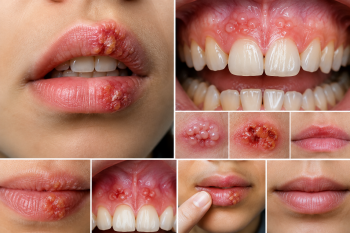
- Mouth sores
- Bad breath
- Oral infections
People experiencing dry mouth may benefit from drinking more water, using sugar-free gum, and discussing symptoms with both their physician and dentist.
5. Delayed or Avoided Dental Visits
Depression can also reduce interest in routine healthcare appointments. Some individuals may postpone dental visits due to fatigue, anxiety, financial stress, or emotional exhaustion.
Unfortunately, delaying dental care often allows minor problems to become more serious.
Missed preventive visits can lead to:
- Untreated cavities
- Advanced gum disease
- Tooth infections
- Emergency dental pain
- More expensive treatment later
Early dental care is usually simpler, less invasive, and more affordable.
The Two-Way Relationship Between Oral Health and Depression
The connection between mental health and oral health often works both ways.
Dental problems can sometimes worsen emotional well-being by affecting:
- Self-confidence
- Speech
- Appearance
- Social interactions
- Comfort while eating
People dealing with visible dental issues or chronic oral pain may experience embarrassment, anxiety, or isolation, which can intensify depressive feelings.
This is why comprehensive healthcare should include both mental wellness and oral care support.
Warning Signs That Oral Health May Be Suffering
Individuals experiencing depression should pay attention to symptoms such as:
- Persistent bad breath
- Bleeding gums
- Tooth sensitivity
- Dry mouth
- Jaw pain
- Frequent cavities
- Loose teeth
- Mouth sores
Early recognition allows faster treatment and better long-term outcomes.
Practical Ways to Protect Oral Health During Depression
Even small steps can make a meaningful difference.
Helpful strategies include:
Keep Oral Care Simple
Focus on manageable routines:
- Brush twice daily
- Use fluoride toothpaste
- Floss once daily
- Rinse with water after sugary foods
Stay Hydrated
Drinking water regularly can help reduce dry mouth symptoms.
Choose Tooth-Friendly Snacks
Healthier options include:
- Cheese
- Nuts
- Yogurt
- Fresh vegetables
- Water instead of soda
Manage Stress and Sleep
Stress reduction techniques may help reduce teeth grinding.
Schedule Routine Dental Visits
Regular check-ups allow dentists to identify issues early before they become severe.
Seek Mental Health Support
Professional mental health care can improve both emotional well-being and self-care habits.
Depression itself does not directly destroy teeth, but its emotional and behavioral effects can significantly impact oral health over time. Neglected hygiene, poor nutrition, stress-related grinding, medication side effects, and delayed dental care can all contribute to dental problems.
The good news is that awareness and early action can help protect both mental and oral health. Support from healthcare professionals, family members, and dental providers can make daily care more manageable during difficult periods.
Taking care of your smile is also part of taking care of your overall well-being.
Related Clinical Cases
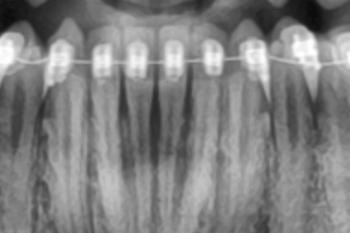
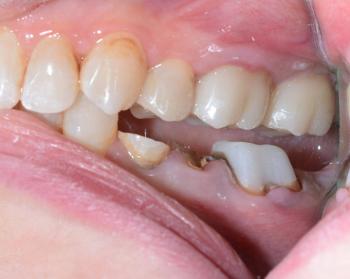
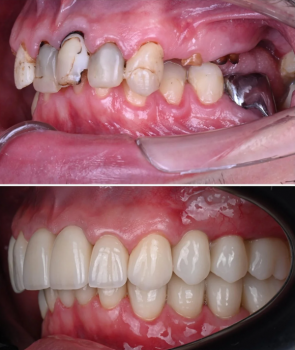
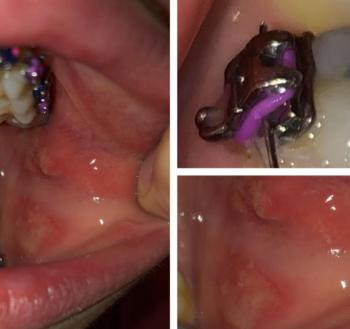
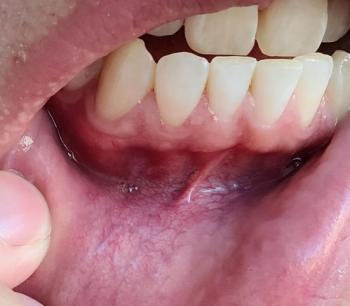
Patients with lower front gum inflammation may also experience tartar buildup, periodontal disease, gum abscesses, or tooth decay. Explore these related clinical case studies.


Other topics:
Other Dental Clinic